

Last modified August 17, 2026
Picking where to stay in Seychelles isn’t easy—each island brings its own pace, scenery, and a kind of magic you won’t find anywhere else. The right island for you depends on what you want: Mahe for convenience, Praslin for romance, La Digue for peace and simplicity.
Let’s break down which islands match different types of trips, with real hotel picks for every budget. After plenty of trips, I’ve compared the standouts—from low-key guesthouses to private villas—so you don’t have to lose hours scrolling through endless options.
Key Takeaways
- Figure out which island lines up with your travel style
- See curated hotel picks for every budget
- Plan with clear, straightforward advice
Choosing the Best Island in Seychelles
Each main island in Seychelles offers something unique—lively towns, quiet beaches, or private luxury. Where you stay depends on the kind of trip you want, your timeline, and how much you want to dive into the Indian Ocean vibe.
Mahe Island Overview
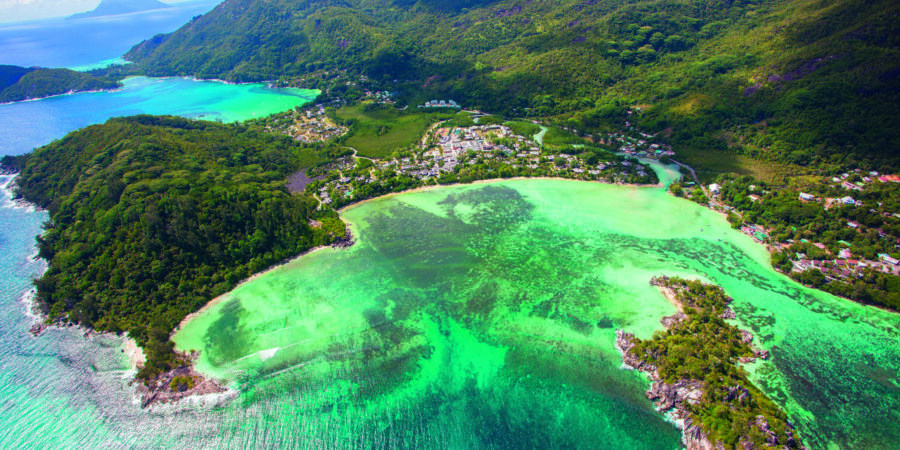
Mahe is the biggest island and your likely entry point, with the international airport right here. It’s the busiest, but once you leave Victoria, the capital, the pace slows down. You’ll find the widest range of hotels on Mahe, from budget guesthouses to high-end resorts like Four Seasons and Anantara Maia.
I usually point people to Beau Vallon for its energy and easy water access, or Baie Lazare for a quieter stay. Mahe often sets the tone for your whole trip.
Praslin Island Overview
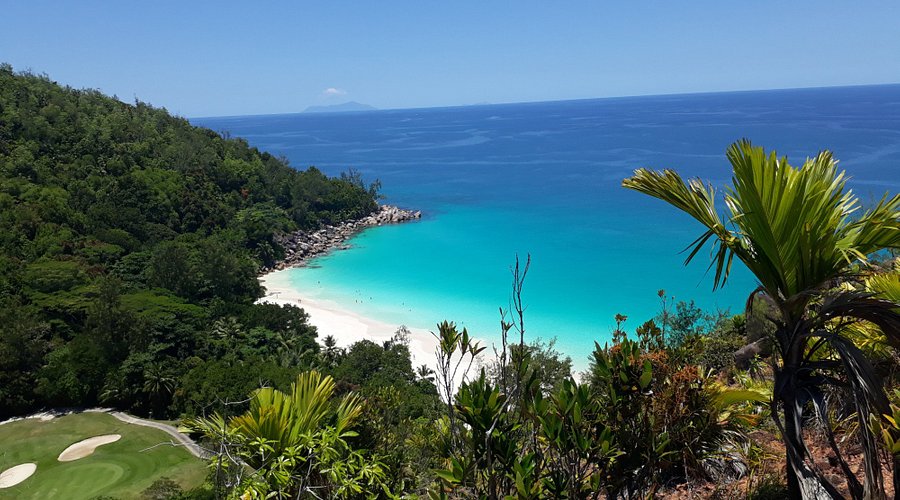
Praslin slows things down, and honestly, it’s a nice change after Mahe. You get those postcard beaches—Anse Lazio and Anse Georgette—plus the forested heart of the Vallée de Mai Nature Reserve, home to coco de mer palms.
You can relax here but still have plenty to do. Take a boat to Curieuse Island for giant tortoises or hop a ferry to La Digue. Accommodation covers everything from historic resorts like Constance Lemuria to self-catering villas.
Praslin balances calm with convenience. You get those world-class beaches without feeling cut off—or crowded.
La Digue Island Overview

La Digue feels like stepping back in time. Cars are rare, so most people get around by bike or on foot. That alone sets a slower, quieter rhythm. The main draw is Anse Source d’Argent, framed by granite boulders you’ve probably seen in travel ads.
The island’s small, so you can see most of it in a day, but I’d stay at least two nights. Expect guesthouses, boutique lodges, and bungalows—no giant resorts here.
Spend lazy afternoons biking between beaches, grabbing fruit juice at a stand, or chatting with shopkeepers. La Digue shows off a softer, more personal side of Seychelles life.
Private & Outer Islands
Beyond the main three, Seychelles has scattered private and outer islands for real seclusion. These are your spots if you want quiet luxury or untouched reefs. North Island offers just a handful of villas, each blending into wild surroundings. Denis Private Island feels like an eco-retreat, with staff guiding you through coral projects and bird sanctuaries.
You’ll get there by small plane or boat, depending on where you’re headed. Most run as all-inclusive, so you can switch off and just enjoy.
I’ve only made it to a couple, but those days really stick—waking up to nothing but waves and birds you won’t hear anywhere else. These islands redefine “remote.”
Top Places to Stay on Mahe
Mahe gives you a mix of convenience, coastal scenery, and peaceful hideaways. Stay near the airport for quick city access, pick a beach resort for those blue waters, or go west for quieter coves and villas.
Victoria: The Capital Gateway

Victoria is a breeze for arrivals and departures—just a 15‑minute drive from the airport. It’s compact and gives you a real feel for Seychelles life. Check out the Victoria Clock Tower, browse the market, or take a slow walk through the Seychelles National Botanical Gardens.
You’ll find everything from self-catering apartments to boutique spots like Hilltop Boutique Hotel overlooking the harbor. Victoria works well for day trips to the rest of Mahe or nearby Eden Island with its marina, restaurants, and private villas.
It’s not a beach area, but a lot of travelers like to start or end their trip here for easy transfers and a taste of local life before heading to the coast.
Beau Vallon: Beaches and Nightlife

Beau Vallon Beach stretches wide with soft sand and calm water—one of the few spots where you can swim without worrying about coral. The area mixes resort comfort with a laid-back, social vibe. Bars and cafés line the road, and you can grab grilled fish from a food stall before sunset.
You’ll notice big names like Hilton Seychelles Northolme Resort and Coral Strand, plus friendly guesthouses like MC Self Catering. The Four Seasons Seychelles sits behind Petite Anse, offering a more private, upscale escape if you want to unplug.
Nights here are lively but not wild. A few bars play music by the beach, and you can stroll home barefoot. It’s relaxed—no one’s in a hurry.
Other Mahe Beach Areas

If quiet is your thing, go south or west. Around Baie Lazare and Port Launay, the coast feels untouched. Constance Ephelia near Sauzier Waterfall is a solid base for hiking, exploring, or just lounging by the lagoon.
On the west, villas like Western Ocean Breeze offer ocean views and fewer crowds. Beaches like Anse Soleil, Anse Takamaka, and Petite Anse are shaded by palms and perfect for morning swims.
I always lean toward this side of Mahe. You drive winding roads between jungle and sea, stop for fruit at roadside stands, and sometimes feel like you’ve found your own private corner. It’s slower, simpler, and that’s the appeal.
Where to Stay on Praslin Island
Praslin gives you quiet beaches, lush forests, and easy trips to Curieuse and Aride. The main areas each have their own mood—from lively stretches with cafés to peaceful resorts up in the hills.
Anse Volbert & Côte d’Or

This is Praslin’s most active area. You’ll find restaurants, dive shops, and small groceries all within easy reach of the beach. Côte d’Or Beach runs for over a kilometer, with calm water for swimming or paddleboarding most months.
There’s a wide range of places to stay, from simple guesthouses like Villa Rafia to boutique resorts. Many pick this spot for its access to island tours and easy day trips. It’s social—grab a drink at a beach bar and you’ll meet other travelers in no time.
If you like convenience and a bit of buzz without losing peace, this is your place. You get the Seychelles experience without the luxury price tag.
Anse Lazio Area
Anse Lazio makes almost every “best beaches” list, and for good reason. The sand is powdery, and the granite boulders at each end make it feel almost unreal. Swimming’s great, though it gets deep fast.
Accommodation is limited but solid. Constance Lemuria sits nearby, with its private beach, golf course, and spa. For something quieter, a few guesthouses and villas dot the hillside above, offering sunset views.
Bring cash for beach restaurants—card machines can be spotty. And get there early; parking disappears quickly.
Grand Anse

Grand Anse sits on the southwest coast, with a long, breezy beach that’s perfect for walks and sunsets. The sea can be rough for swimming, but most resorts have pools. The area’s flat, so it’s easy to get around by foot or bike.
You’ll find good-value hotels and family-friendly options here. Raffles Seychelles, a top luxury pick, offers private villas with plunge pools and standout service. For tighter budgets, self-catering apartments let you prep your own meals.
This side is calm—it’s less polished but feels more real. You’ll pass fruit stands and hear birds, not traffic.
Staying Near Vallée de Mai

The Vallée de Mai National Park sits in the island’s center, far from the beach crowds. If you’re into nature, staying nearby means you can start your day with a hike and maybe spot the Seychelles black parrot (found only here).
You’ll find eco-lodges and small guesthouses among the palms and cinnamon trees. It’s not fancy, but it’s peaceful. You’ll need a car or taxi for restaurants and beaches, but nothing’s ever more than 20 minutes away on Praslin.
La Digue Island: Where to Stay for Laid-Back Charm
La Digue moves at its own pace. Bikes rule the roads, beaches look like they’re from another era, and locals greet you like old friends. Each part of the island has its own feel, from coves by granite cliffs to guesthouses tucked behind palms.
Anse Source d’Argent & Surroundings

This is the Seychelles you see on calendars. Anse Source d’Argent stands out for its smooth granite boulders and shallow turquoise water—it’s as relaxed as it gets. Stay nearby and you’re right next to The Union Estate, with vanilla plants and old copra mills.
You’ll find small guesthouses and bungalows just behind the beach. They’re simple, family-run, with garden views and bikes out front. For privacy, check out La Maison Hibiscus—close to the beach but hidden by greenery.
Nights here are quiet. The air smells of sea salt and hibiscus, and you can hear the waves even from inland. For morning walks or sunset swims, it’s hard to top this area.
Grand Anse & South La Digue
Grand Anse sits on the wilder side of La Digue. The surf’s rougher, and you won’t find much built up here—no crowds, no big shops, just long, empty beaches bordered by thick forest. You can bike over from the main village in under 15 minutes, but it feels like another world.
If you’d rather have space and sea views than convenience, this is your part of the island. A handful of mid-range lodges and eco-guesthouses line the coast. Some travelers base themselves near Petite Anse or Anse Coco, where footpaths wind to hidden lagoons.
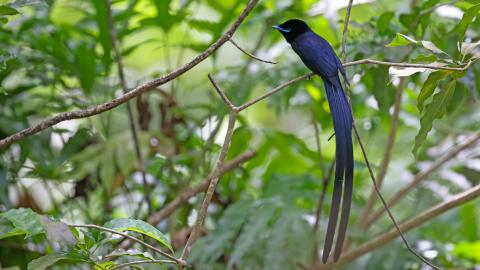
Wildlife lovers, keep watch for the Paradise Flycatcher—that rare black bird with a ribbon tail—often spotted near the Veuve Nature Reserve just north of Grand Anse. Bring a camera if you can. You might get lucky and see one flitting through the trees.
La Réunion Village Area
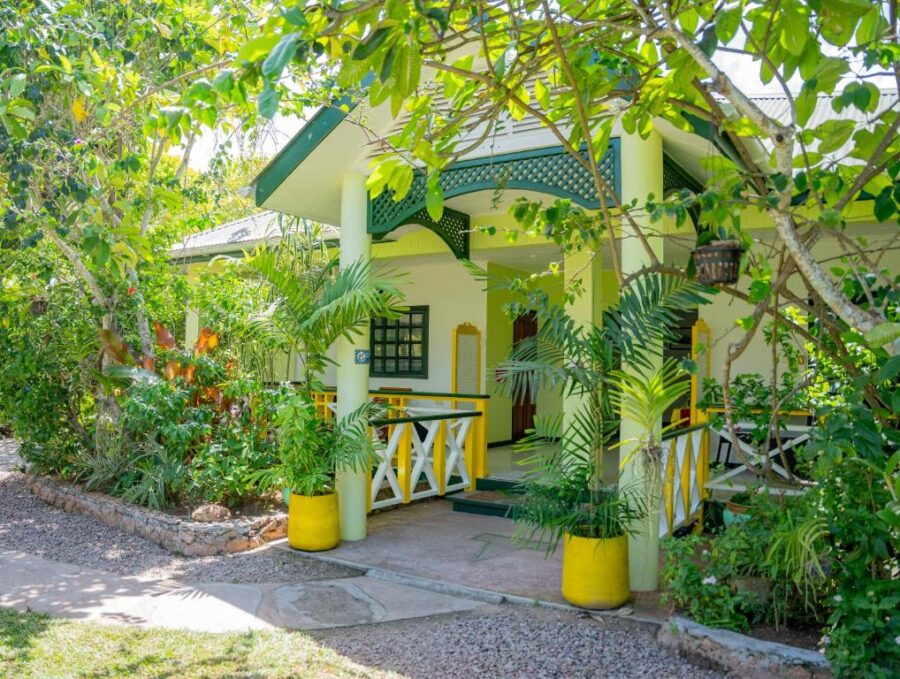
Looking for something easy and practical? Stay near La Réunion. This is La Digue’s main village, where ferries arrive and most shops and cafés cluster. You’ll see bikes leaning against fruit stalls, and locals chatting in Creole under the trees.
You’ll find everything from small hotels with air conditioning to homey guesthouses like Pension Michel, one of the island’s older, family-run options. It’s neat, welcoming, and just a short ride from Anse Source d’Argent. Prices here are usually better than right on the beach.
La Réunion works especially well for first-timers. You can reach Anse Severe for snorkeling, Source d’Argent for those iconic photos, or Grand Anse for a bit of wild adventure, then return to a quiet veranda at dusk. The pace here is slow and genuine—you might just lose track of time.
Exclusive Private Island Resorts in Seychelles

Private island resorts in Seychelles blend privacy with raw beauty. Picture islands with only a few villas, each hidden among palms and white sand, Indian Ocean right outside. Some go all-in on barefoot luxury, others champion eco-design, but all offer rare quiet and attentive service.
North Island: Ultra-Luxury Escape
North Island stands out as the classic private island Seychelles experience. Just a handful of villas line the shore, each with open-air living spaces, private plunge pools, and direct sea views. They use natural materials—local stone, wood, thatch—but keep things comfortable.
Service here is almost invisible. Staff customize meals to your preferences; private chefs often cook seafood caught that day. There’s guided snorkeling, diving, and nature walks focusing on conservation.
The guides know their stuff—I once learned how they track sea turtle nesting, not for show but as part of daily life. That mix of indulgence and environmental care really sets North Island apart.
Denis Private Island Getaways
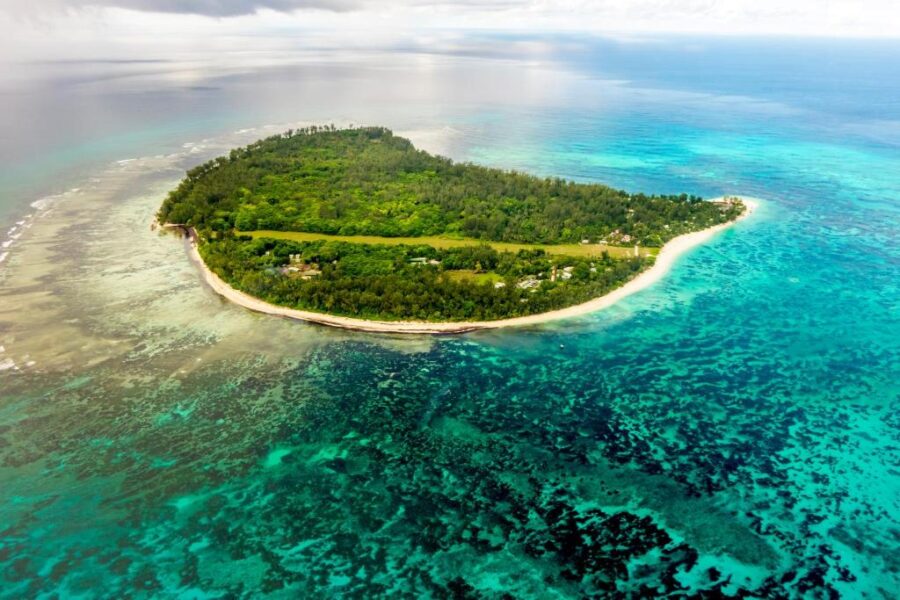
Denis Private Island Seychelles feels more like staying on a friend’s island than at a resort. The place runs on solar, with its own small farm supplying much of the food. Fresh fruit, homemade yogurt, fish caught that morning—it’s all part of the daily rhythm.
Cottages sit right by the sand, simple but elegant, built for privacy. No cell service here. That might sound stressful, but after a day or so, you stop caring about your phone.
You can fill your days with fishing, snorkeling, or birdwatching. But honestly, most people end up just wandering the quiet shoreline or doing nothing much at all. It’s a spot where you slow down without even trying.
Silhouette & Other Remote Retreats
Silhouette Island, the third-largest, offers a mix of wild terrain and comfort. Most of the island is national park, so resorts—like the one near La Passe—keep a low profile. You could hike through dense forest in the morning, then lounge in a villa with an infinity pool by afternoon.
Nearby, a few smaller private island resorts go even quieter, focusing on guests who want near-total seclusion. They might skip some luxury touches, but they deliver what many visitors crave: open space and the sound of the sea, with nothing else in the way.
Unique Accommodation Types and Local Experiences
There’s more to Seychelles than luxury resorts. You’ll find Creole homes that feel lived-in, eco-lodges powered by solar, and stylish villas with kitchens for those who want to cook with local produce. These stays let you shape your own trip and get closer to local life.
Creole Guesthouses & Self-Catering

Creole guesthouses feel like staying with extended family. Many are run by Seychellois hosts who’ll chat over breakfast and offer tips you won’t read anywhere else. You might end up eating grilled fish with creole sauce or snacking on homemade breadfruit chips under the stars.
Self-catering spots like Villa Rafia on Praslin or MC Self Catering on Mahé give you your own space and a small kitchen. If you like browsing local markets—Victoria Market is busy but full of flavor—these are ideal. Rooms are usually simple and clean, with shaded porches and a slow pace that matches the islands.
Rates are much lower than resorts, and you’ll likely talk more with locals than with hotel staff. That changes your whole experience.
Boutique Hotels & Villas

Small boutique hotels have real personality. You’ll notice personal touches—hand-carved chairs, gardens with frangipani, owners who remember your name. Hilltop Boutique Hotel on Mahé is a quiet spot above Victoria. It’s not fancy, but the views and easygoing vibe make it memorable.
La Maison Hibiscus on Praslin blends Creole style with modern comfort. Think wide verandas and breakfast with fruit straight from the garden. You get privacy, but you’re still part of the neighborhood.
Most boutique villas rent to small groups or families. They come with kitchens, patios, and pools tucked into the hillside. If you want independence but still expect good service, these work well—someone’s always around when needed.
Eco-Lodges and Nature Retreats
Seychelles does sustainability well, without making it a lecture. Several smaller islands have eco-lodges powered by renewable energy and focused on reef and bird protection. On Denis Private Island, you can join conservation staff for bird tagging or coral work—it’s just daily life, not staged for guests.
These places use local timber, collect rainwater, and serve seasonal meals. Many grow food on-site or buy from nearby farmers. Tasting mango jam made on the same island where you sleep is surprisingly satisfying.
Nature lodges keep guest numbers low, so quiet comes naturally. When the generator cuts out at night and all you hear is wind and waves, you realize comfort isn’t always about marble floors—it’s often about peace.
Planning Your Stay: Travel Tips & Best Time to Visit

Seychelles has warm weather year-round, steady seas, and a laid-back travel pace. Paying attention to trade winds, ferry times, and local habits can make your trip smoother.
Seasonal Highlights & Weather Advice
The islands sit just below the equator, so temperatures barely budge—usually between 26°C and 32°C. The trade winds are what change things. May to September brings southeast winds, cooler air, and drier days—good for hiking and sailing. November to March is more humid, with light showers and calm seas, perfect for swimming or diving.
Shoulder seasons—April–May and September–October—usually mean lighter winds, better rates, and fewer people. If you’re into snorkeling, these months often have the clearest water.
Packing is easy: breathable clothes, reef-safe sunscreen, and a rain jacket for the odd tropical shower. Flip-flops dry fast, but if you plan to walk forest trails, bring sturdy sandals.
| Month | Typical Temp | Travel Notes |
|---|---|---|
| Apr–May | 30°C | Ideal mix of weather and crowd levels |
| Jun–Aug | 28–29°C | Breezier, great for hiking |
| Sep–Oct | 29–30°C | Calm seas, good for island-hopping |
| Nov–Mar | 30–31°C | Humid, peak diving season |
Getting Around the Seychelles Islands
Island-hopping’s simple once you know the routes. Ferries run between Mahé, Praslin, and La Digue several times daily—rarely more than an hour per trip. Smaller islands usually need resort transfers or scheduled boats. If you’ve got the budget, helicopters reach some outer atolls.
Two or three nights per island is a sweet spot; don’t rush. On Mahé, rent a car or grab a taxi. Praslin has reliable buses, and La Digue is all about bikes. It’s one of the rare places where birdsong drowns out traffic.
You can book day trips and tours through GetYourGuide or Viator for hidden coves or marine parks at decent local rates. Sometimes guides will point you to a beach shack grilling fresh fish at sunset—those tips never make it into brochures.
Booking in Advance and Local Insights
Places fill up quickly during school breaks and the global winter, especially at Christmas and New Year. For flexibility, compare options early with Booking.com or KAYAK before booking flights. Outer-island guesthouses and self-catering stays often need extra lead time since ferries run on tight schedules.
Locals value visitors who respect the islands’ pace. That means slow meals, no honking, and casual conversation. Buy fruit at a roadside stand or chat with a fisherman—those moments stick with you. I once ended up sharing coconut water with a family on Praslin just because I asked for directions. It’s the small stuff that shapes your stay.
Shops close early on Sundays, and cash is still king outside resorts. Keep some small Seychelles rupee notes for ferry snacks or bike rentals. Don’t over-plan—leave room for surprises. You’ll blend in better and might stumble onto a beach you didn’t expect.
Frequently Asked Questions
Where you stay in Seychelles really depends on your style, budget, and what kind of trip you want. From quiet hideaways for couples to family resorts and local guesthouses, each island brings something a bit different.
What are the most romantic areas in Seychelles for a couple’s getaway?
If you want peace and privacy, La Digue and Silhouette Island are top picks for couples. La Digue feels almost timeless, with bikes instead of cars and beaches that glow at sunset. Silhouette is even quieter, wrapped in jungle and white-sand coves where you might go hours without seeing anyone.u003cbru003eu003cbru003eDesroches is also worth a look if you’re after high-end seclusion. It’s small, exclusive, and has that “just us” feeling that’s hard to find elsewhere.
How can travelers find budget-friendly accommodation in Seychelles?
Seychelles isn’t exactly a u003ca href=u0022https://www.realjourneytravels.com/vacaymyway-review-hidden-gems-and-insider-tips-for-budget-travelers/u0022u003ebudget spotu003c/au003e, but you can save a surprising amount if you plan ahead. Start with u003ca href=u0022https://www.realjourneytravels.com/budget-friendly-tropical-getaways-for-2025/u0022u003eself-catering guesthousesu003c/au003e or small Bu0026amp;Bs on Mahé or Praslin—most come with kitchenettes, so you can whip up breakfast or snacks and avoid pricey meals out.u003cbru003eu003cbru003eSkip the big resorts. Instead, check out locally run lodges a little inland from the main beaches. Sure, you might give up the oceanfront views, but you’ll get a comfortable place to sleep and a taste of real Creole hospitality—usually for much less.
What are the best family-friendly accommodations in Seychelles?
Mahé and Praslin make things simplest for families. You’ll find plenty of resorts with pools, calm swimming beaches, and easy transport. Along Beau Vallon on Mahé, there’s a flat stretch with safe sand, lots of casual food options, and no need to rely on taxis.u003cbru003eu003cbru003eOn Praslin, family villas and smaller hotels are the norm. You can rent bikes or hop on short ferries to nearby islands, and the island’s manageable size means less stress keeping track of kids.
Which are the top-rated places to stay for a honeymoon in Seychelles?
Four Seasons Desroches and Hilton Seychelles Labriz on Silhouette stand out for honeymoons. These spots offer privacy, lush nature, and the kind of slow-paced mornings you’ll actually remember.u003cbru003eu003cbru003ePrefer a mix of luxury and activity? Constance Lémuria on Praslin has you covered. Think private villas, a golf course, and trails that lead right to quiet beaches. It’s a solid blend of comfort and adventure.
Can you recommend which Seychelles island offers the best stay experience?
It really comes down to what you want. Mahé is practical—close to the airport, packed with hotels, and loaded with dining choices. Praslin moves at a slower pace and works well if you’re after fewer crowds.u003cbru003eu003cbru003eLa Digue is another story: think bicycles, palm-lined beaches, and a laid-back, old-school vibe. If you’re fine skipping nightclubs and modern frills, it’s probably the most charming pick around.
Between Mahé and Praslin, which island is more advisable for accommodation?
If you’ve never been to Seychelles, Mahé makes a practical starting point. You’ll find plenty of hotels, everything from budget to luxury, and you can fill a day with nightlife or hiking—sometimes both. Ferries to Praslin or La Digue run regularly, so hopping between islands isn’t a hassle.u003cbru003eu003cbru003ePraslin feels smaller and much quieter. Its beaches—especially Anse Lazio—rank among the best you’ll see. So, if you want more choices and things to do, stick with Mahé. If you’re after real downtime, Praslin’s the better bet.