

Last modified August 17, 2026
Trying to pick the right spot to stay in Takayama? It’s trickier than it looks. The city’s small, but every area feels different. One neighborhood puts you by sake breweries and lively morning markets, another lets you unwind by the river, and there are ryokans with onsen baths and tatami rooms just a stroll away. The best place to stay in Takayama really comes down to your style—choose the central old town for easy access, Hachikenmachi for peace and space, or a ryokan for a more traditional vibe.
I’ve pored over reviews, wandered the alleyways, and sorted through hotels that look better in person than in photos, so you don’t have to. Here’s a breakdown of Takayama’s top neighborhoods, what each one actually offers, and my picks for the best stays—whether you’re after a simple guesthouse or a boutique hotel that feels special.
Key Takeaways
- Find out which Takayama area matches your pace and plans
- Get reliable ryokan, hotel, and guesthouse picks for every budget
- Quick booking tips so you don’t waste hours scrolling
Takayama’s Neighborhoods and Best Areas to Stay
Takayama is compact, but every part has its own flavor. Some areas let you soak up Edo-era streets, others keep you close to transport and the city’s best eats. Stay near the sights and you’ll walk almost everywhere—no car needed.
Takayama City Center Overview

The city center is probably the most practical place to stay. Here, you’re steps from the Hida Folk Village, local spots for grilled Hida beef, and ramen shops that locals actually recommend. If you want to balance sightseeing with convenience, this is your place.
You’ll find both traditional ryokan and newer business hotels. Mornings are quiet, especially around Hida Kokubunji Temple—the city’s oldest, with its weathered pagoda. The sound of the temple bells in the early hours really sticks with you.
It’s easy to get around. Main attractions, shops, and even Shiroyama Park are all a short walk away. That’s the big draw—you can explore on foot, enjoy quiet evenings, and skip the hassle of extra transport.
Takayama Old Town (Sanmachi Suji)
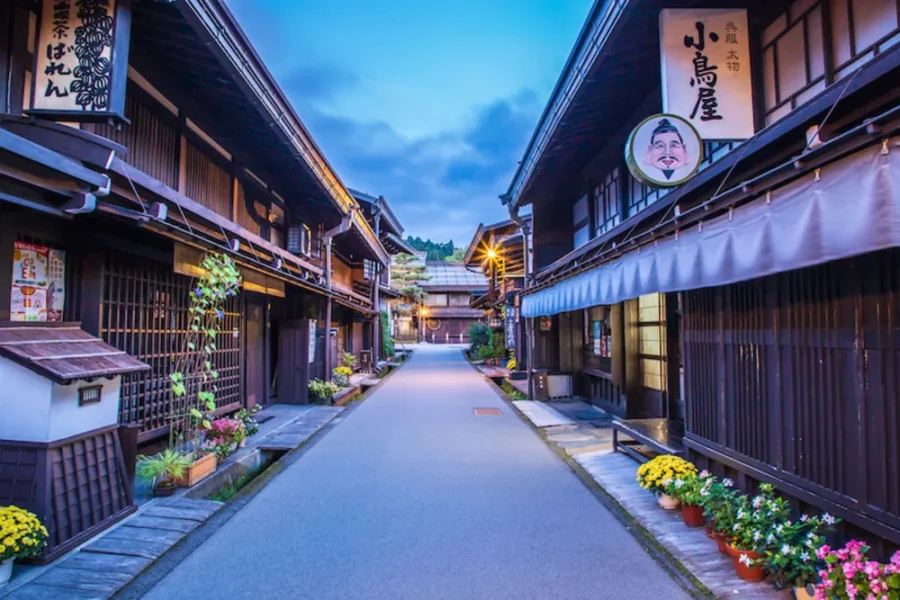
Sanmachi Suji, or the old town, is the Takayama you’ll see on postcards. Wooden merchant houses line the alleys, now home to sake breweries, craft shops, and tiny inns tucked behind sliding doors.
If you’re after atmosphere, this is it. The Edo-era details—the timber, the latticed windows, the scent of miso—are everywhere. Ryokan here often serve elaborate dinners with seasonal Hida region specialties, making meals feel both special and personal.
Rooms here go fast, especially during festivals, and prices can jump. But getting up early and having Sanmachi’s lanes to yourself? Worth every yen.
Near Takayama Station
If you’re planning day trips—to Shirakawa-go, the Japanese Alps, or Okuhida Onsen villages—staying near Takayama Station just makes sense. You’re right by the trains and buses, and it’s easy to roll your suitcase straight to your hotel.
Hotels here are mostly mid-range or budget, with Western-style rooms. They’re straightforward, clean, and breakfast is usually included. The area isn’t the prettiest, but if you’re moving around a lot, the convenience can’t be beat.
On a tight schedule, this area is hard to fault. Grab a bento, catch the first bus to Kamikochi, and you’ll be back for dinner at a local izakaya. Sometimes, practicality wins.
Hanasatomachi and Surroundings

Just west of the station, Hanasatomachi feels more local. It’s a small area, but you’ll find family-run inns and quiet streets, plus bakeries and cafés that open early.
If you’re staying a few nights, this spot is a good break from the crowds. Shiroyama Park and the morning markets are nearby, and renting a bike makes getting around easy. The vibe is more residential—less polished, but that’s part of the appeal.
Hotels here are usually affordable and relaxed. You get a peek into daily Takayama life without missing out on the main sights. Sometimes, simple is best.
Traditional Ryokan Experiences
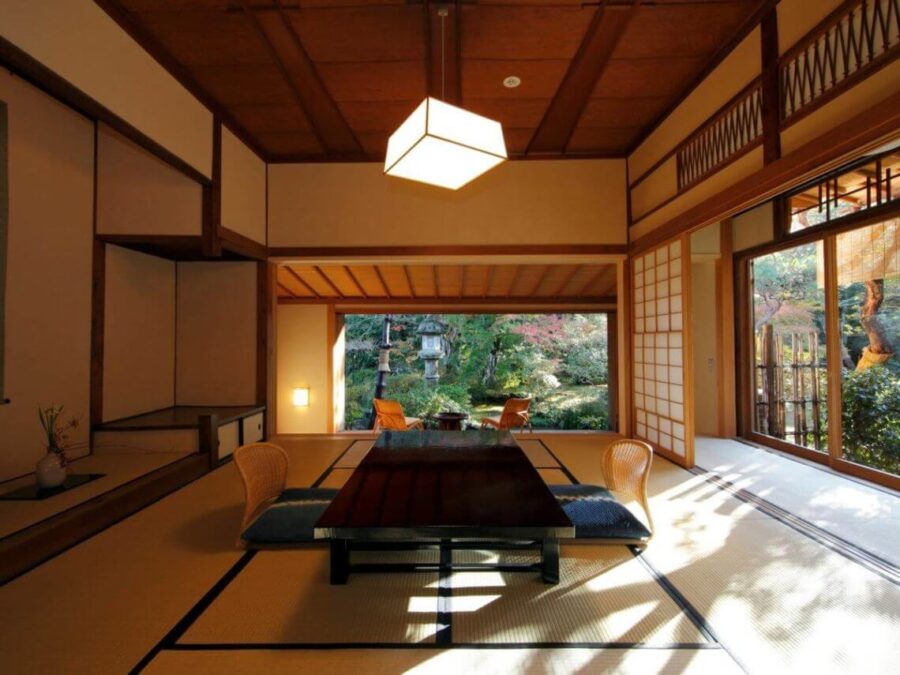
A traditional ryokan in Takayama isn’t just a place to sleep—it’s a window into old Japan. Tatami rooms, peaceful gardens, steamy onsen baths, and slow, multi-course meals all add up to something special. There’s a real attention to detail, from the soft futons to the way Hida beef is plated.
What to Expect From a Ryokan Stay
A ryokan is its own kind of experience. You’ll swap your shoes for slippers at the door. Rooms have tatami-mat floors, shoji doors, and low tables for tea. Staff set out your futon while you unwind in the onsen or slip into a yukata.
Breakfast comes early—usually in your room or a shared dining area. Think grilled fish, rice, soup, and pickles, not pancakes. It’s a slower pace. If you’re used to Western hotels, the minimalism might feel odd at first, but it’s the kind of thing that sticks with you.
Top Traditional Ryokans in Takayama

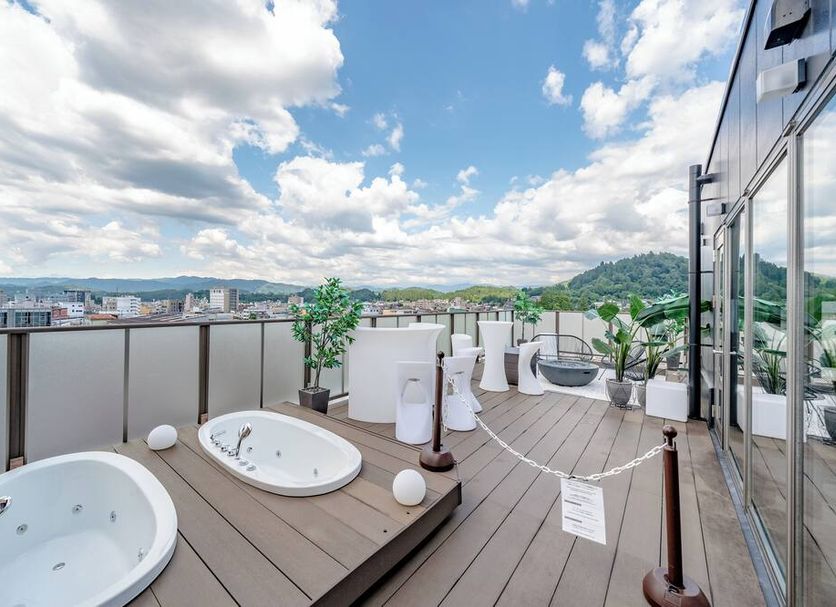
Takayama’s best ryokans run the gamut from humble family inns to upscale spots with private onsens. Kanko Ryokan gives you views of Mount Norikura, while Ryokan Asunaro feels warm and authentic, with free yukata rentals. For something more modern but still traditional, Takayama Ouan blends tatami floors with low Western beds and a rooftop open-air bath.
Hidatei Hanaougi stands out for its memorable meals and the scent of cedarwood in the halls. If you’re venturing to Gero Onsen, Mutsumikan is a short trip away—famous for its friendly service and generous kaiseki dinners.
| Ryokan | Highlight | Distance from JR Takayama |
|---|---|---|
| Ryokan Asunaro | Authentic décor, family-run | 7 min walk |
| Takayama Ouan | Rooftop open-air onsen | 3 min walk |
| Hidatei Hanaougi | Kaiseki dinner, garden views | Short drive |
Onsen and Kaiseki Dinner Culture
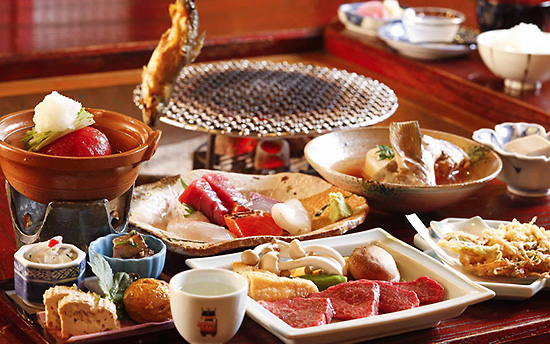
An onsen soak isn’t just a bath—it’s a ritual. The mineral water works out travel fatigue and sets you up for the main event: kaiseki dinner. Expect a parade of small, seasonal dishes—grilled river fish, mountain veggies, tofu, and of course, Hida beef over a ceramic grill.
You’ll eat in your yukata, sitting low, with staff quietly explaining each course. There’s a rhythm—soak, eat, sleep—that makes you forget to check your phone. It’s rare, honestly, and it’s the part of Takayama I’d recommend to anyone.
Where to Stay for First-Timers, Families, and Couples
Location and atmosphere matter in Takayama. Some neighborhoods put you in the middle of the historic sights, others give you a quiet place to recharge. Your choice depends on who you’re with and what you want—comfort, culture, or just a bit of peace.
Best Choice for First-Time Visitors
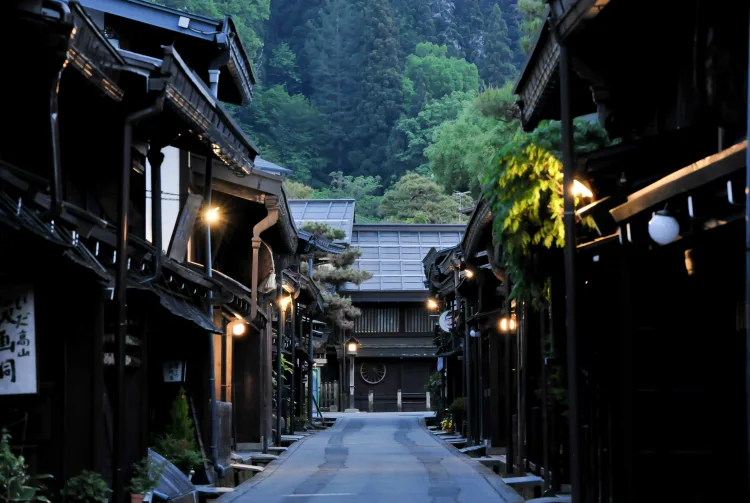
If you’re new to Takayama, stay in the City Center. You’ll be close to the train station, the Miyagawa Morning Market, and Sanmachi Old Town. Everything’s an easy walk, so you can skip figuring out the bus system at first.
Staying near Takayama Jinya means you can enjoy quiet morning walks before the tour groups show up. The mix of old architecture and easy access to cafés and restaurants makes this spot both handy and appealing.
Prices shift with the season, but you’ll find plenty of mid-range hotels and ryokans. Most offer breakfast—sometimes with local miso soup or Hida rice.
| Accommodation Type | Typical Price Range | Travel Vibe |
|---|---|---|
| Business hotels | $80–$120 | Modern & practical |
| Mid-range ryokans | $150–$250 | Traditional comfort |
| Guesthouses | $60–$100 | Friendly & simple |
If you’re planning trips to places like the Hida Folk Village or Shirakawa-go, staying central makes everything easier.
Family-Friendly Accommodation Picks

Families tend to want space and convenience, and the Hida Kokubunji Temple area delivers both. Rooms are bigger, the streets are calm, and plenty of local restaurants welcome kids. Some hotels have tatami rooms where children can sleep on futons—practical and a bit of fun.
The temple grounds are peaceful in the evening when the pagoda lights up. It’s safe, quiet, and close to the city center. Small parks give kids room to run after a day of sightseeing.
Look for hotels with onsen baths—a soak at the end of a long day is a treat, and many family rooms have private baths. Watching snow fall outside the window while you’re in the onsen? Hard to beat.
Romantic & Couple-Oriented Options
For couples, Aioimachi and the edges of Sanmachi Old Town are perfect. These areas feel more private, especially at night when lanterns light up the narrow streets. Aioimachi has ryokans with private open-air baths and minimalist style, giving you a sense of escape without leaving town.
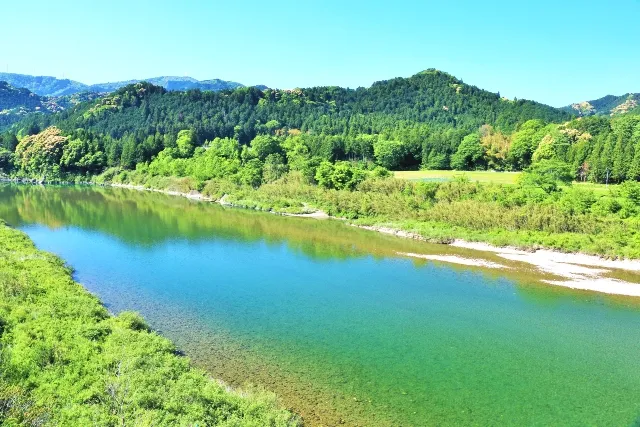
A walk along the Miyagawa River after dinner is quiet and pretty, with reflections on the water. Some ryokans serve multi-course kaiseki dinners with seasonal ingredients, including the famous Hida Beef. It’s not glitzy, but the service feels personal and genuine.
If you can, visit in autumn when the maples in Shiroyama Park turn red. It’s a rare spot where you get history, good food, and nature, all just steps from your room.
Best Hotels and Guesthouses by Budget
Takayama has it all—from hotels with rooftop onsens to cozy guesthouses that feel like a friend’s place. The city’s small, so you can explore easily no matter where you stay. Your budget decides the experience—anything from a full ryokan feast to homespun hostels where you might make new friends.
Mid-Range and Luxury Accommodation

Takayama’s mid-range and luxury hotels balance comfort with a distinct sense of place. Hotel Wood Takayama stands out in the Old Town, blending warm woodwork and tatami with modern beds and a mellow vibe. You can step out the door and stroll to morning markets or sake shops in minutes.
If you prefer something sleek but unfussy, eph Takayama by the station delivers crisp rooms with local art. It’s stylish, but you’ll still get the welcoming spirit typical of the Hida region. Takayama Ouan draws regulars for its rooftop onsen—soaking up city views at sunset just feels right after a day wandering.
Planning around cheap flights? Book early, especially during festival season—these spots fill up faster than you’d think.
| Hotel | Highlights | Best For |
|---|---|---|
| Hotel Wood Takayama | Elegant wood interiors, central location | First-time visitors |
| Takayama Ouan | Rooftop onsen, scenic views | Couples |
| eph Takayama | Modern decor, near station | Travelers in transit |
Budget-Friendly Guesthouses and Hostels
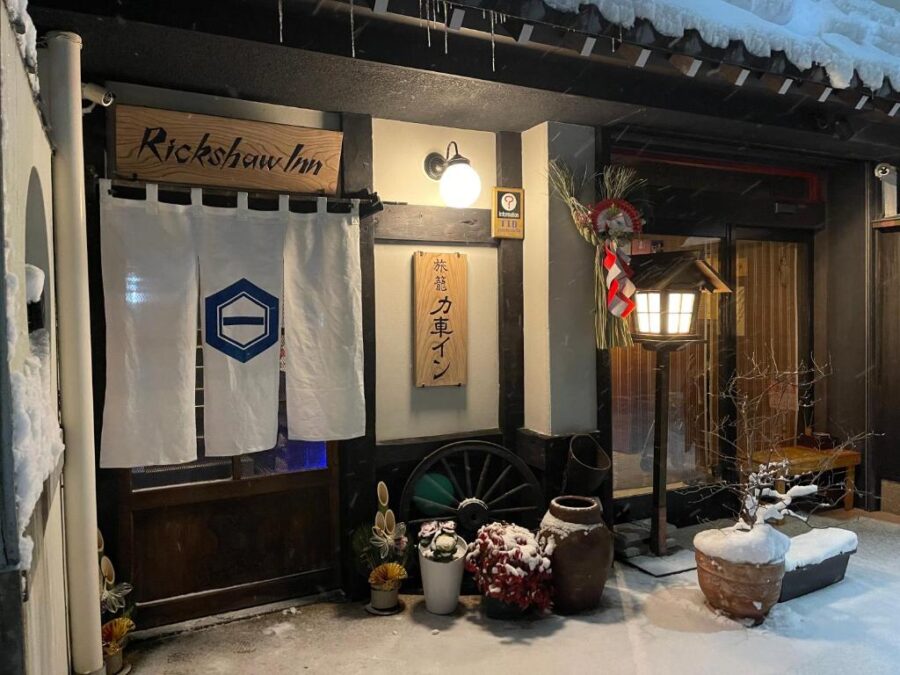
Affordable stays in Takayama don’t skimp on character. Rickshaw Inn has been around for years—quiet, five minutes from the station, and its tatami rooms feel more like a home than a hotel.
Social travelers gravitate to K’s House Takayama, where the staff is genuinely friendly and the shared kitchen is spotless. It’s easy to meet others over tea and swap plans for Shirakawa-go or Kamikochi.
Unique Boutique Hotels
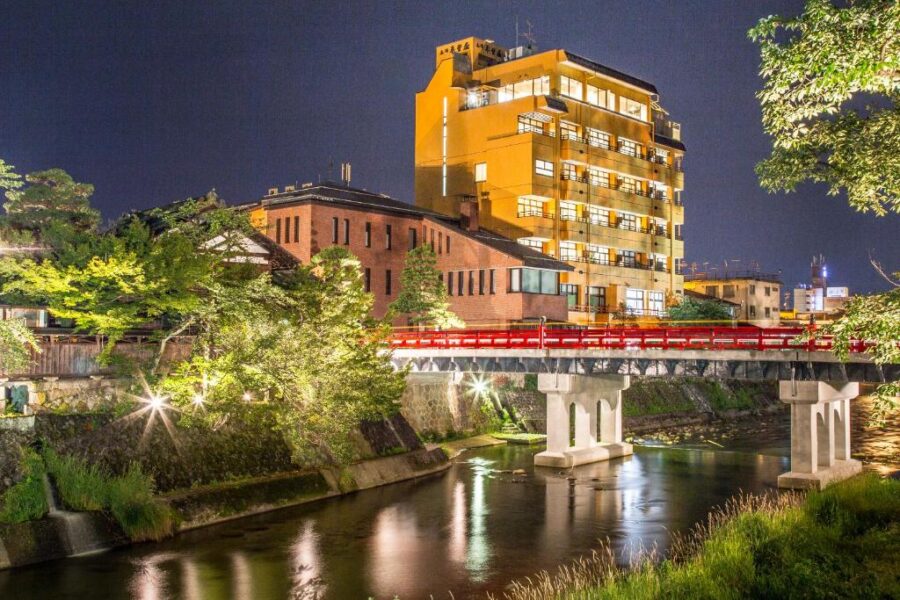
Takayama’s boutique hotels focus on thoughtful details. Honjin Hiranoya Annex offers riverside views, classic decor, and modern hot springs. The cedar scent hits you right away, and there’s something about that combination of wood and mineral water that just works here.
Some small properties—maybe five or six rooms—showcase local art, handmade ceramics, or even offer short tea workshops. These touches make your stay feel personal, not generic.
If you’re into creative interiors and a low-key atmosphere, look for modern inns tucked behind Sanmachi Street. Many are family homes renovated by younger owners. You might end up chatting late into the night about sake or old town legends. That’s the charm of Takayama’s accommodation scene—small, personal, and memorable.
Curious about more options? Booking.com is handy for comparing rates in different neighborhoods.
Staying in the Hida Region and Beyond
The Hida region stretches beyond Takayama, reaching quiet villages, open-air museums, and mountain valleys. Here, you can slow down, stay in a farmhouse, and get a glimpse of rural life in the Japanese Alps.
Hida Folk Village and Rural Stays
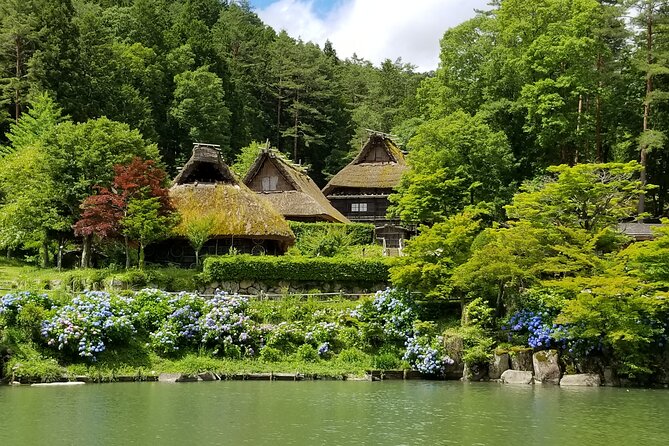
Hida Folk Village sits just outside Takayama. It’s a collection of thatched-roof houses relocated from across the region. Wandering between the steep roofs and wooden floors, you get a sense of how tough winters were up here.
Nearby, you’ll find small guesthouses and traditional ryokan serving kaiseki dinners with local vegetables and Hida beef. In winter, wood stoves make evenings extra cozy.
For calm mornings, try family-run inns on the city’s edge or in hamlets toward Okuhida. Many have onsen baths from local springs, and you’ll see more rice fields than fellow travelers.
| Stay Type | Typical Perks | Approx. Price (per night) |
|---|---|---|
| Family-run Ryokan | Tatami rooms, local cuisine, onsen | ¥12,000–¥18,000 |
| Rural Guesthouse | Shared kitchen, friendly hosts | ¥6,000–¥10,000 |
Day Trips: Shirakawa-go and Scenic Escapes

Shirakawa-go, an hour by bus, is Takayama’s classic side trip. The gassho-zukuri houses—tall, steep, and snow-capped—are striking. A few double as guesthouses, so you can actually sleep under those iconic rafters.
If you’re up early, hike to Shiroyama Observatory for a chilly but stunning view of the valley and the Japanese Alps.
You could also head west to Gero Onsen or north into Kamikōchi. These routes show off rivers, cedar forests, and winding mountain roads. The scenery here never really repeats itself.
Insider Tips for Booking Accommodation in Takayama
Booking in Takayama is all about timing and knowing your priorities. Prices swing with the seasons, and hotels near Takayama Station are often reserved months ahead. Matching your plans—like day trips or market mornings—to your location saves hassle later.
Best Times to Book and Visit
Takayama’s calendar is ruled by the seasons. Spring and autumn see the biggest crowds thanks to the Takayama Festivals and mountain foliage. Rooms often disappear three or four months out, especially in April and October. If you want choices and decent rates, book ahead.
Winter brings peace and lower prices, especially in January and February. Snow transforms the town, and the hot springs are at their best. Summer is quieter but can feel sticky—sightseeing slows down.
If you’re a last-minute type, check weekday rates—they’re usually lower, even in busy months. For activities like morning markets or guided walks, book things to do ahead, then pick your base near those meeting spots. Local inns sometimes post sudden openings during rainy spells, so it pays to check.
How to Choose Based on Itinerary
Think about what you actually want to do. If you’re catching early trains or heading to Shirakawa-go, staying near Takayama Station just makes life easier. You avoid dragging bags through alleys and have food stalls right outside for a quick bite.
If your focus is the Old Town (Sanmachi Suji), pick a place within walking distance. Early mornings are quiet, and you can duck back to your room between sights. Night owls chasing izakayas will want to stay central too—no need for late-night taxis.
Families or longer stays might prefer Hachikenmachi in the south, where guesthouses and apartments offer more space and kitchens. For a slower pace, ryokans along the Miyagawa River give you futons, tatami, and a reason to unwind.
Frequently Asked Questions
Takayama mixes old and new—centuries-old inns, modern hotels, and everything in between. Each neighborhood shows a different side of local life, from polished ryokans to compact stays near the station. Getting around is easy, and staying overnight reveals a side of town day-trippers just don’t see.
What are the top-rated ryokans for an authentic stay in Takayama?
For a classic Japanese experience, book a u003cstrongu003eryokanu003c/strongu003e in the city center. u003cemu003eSumiyoshi Ryokanu003c/emu003e and u003cemu003eOyado Yamakyuu003c/emu003e stand out for their tatami rooms, futon beds, and home-style breakfasts.u003cbru003eu003cbru003eMany ryokans have u003ca href=u0022https://www.realjourneytravels.com/places/maruyama-onsen-kojyokan/u0022u003eonsen bathsu003c/au003e, sometimes private, which are a treat after exploring the narrow, Edo-era streets. The staff are genuinely welcoming—more like hosts than hotel managers.
Can you recommend accommodations in Takayama that offer convenient access to public transportation?
For convenience, stay close to u003cstrongu003eTakayama Stationu003c/strongu003e. You’ll find options from budget hostels to mid-range hotels, all within a short walk. That’s key if you’re catching early trains or joining u003ca href=u0022https://www.realjourneytravels.com/places/tours-for-touring-tourists/u0022u003elocal day toursu003c/au003e and u003ca href=u0022https://www.viator.com/?pid=P00057290u0026amp;mcid=42383u0026amp;medium=linku0026amp;campaign=realjourneytravelsu0022 target=u0022_blanku0022 rel=u0022noreferrer noopeneru0022u003ecity tripsu003c/au003e.u003cbru003eu003cbru003eHotels here usually keep their restaurants open later, and you can get out the door quickly for morning excursions.
What hotels in Takayama provide the most unique and local experiences?
The most personal stays cluster around u003cstrongu003eSanmachi Sujiu003c/strongu003e, the preserved old town. Guesthouses like u003cemu003eHanzanshau003c/emu003e blend classic wooden interiors with modern touches. You step right out to morning markets and sake breweries—no taxi needed.u003cbru003eu003cbru003eSome owners live on-site, so you’ll get unscripted chats and insider tips. It’s also the best spot for quiet evenings, with the smell of street food drifting in.
Are there any boutique lodgings or hotels in Takayama that come highly recommended by seasoned travelers?
Travelers in the know often choose boutique hotels like u003cemu003eCup of Tea Ensembleu003c/emu003e in Hachikenmachi. It’s peaceful but close enough to walk to the center.u003cbru003eu003cbru003eu003cemu003eEph Takayamau003c/emu003e is another favorite, near the hot spring district. These places focus on design and comfort but still feel rooted in the mountains—definitely not just another chain.
What are the advantages of staying overnight in Takayama versus a day trip?
Spending the night changes everything. After the tour buses leave, the streets go quiet and you can wander the old district by lantern light.u003cbru003eu003cbru003eMorning markets start early, so if you wake up in town, you’ll see them before the crowds. The slower pace lets you notice things you’d miss otherwise—locals sweeping shop fronts, kids walking to school past wooden homes that have stood for centuries.
You’ll find Takayama’s center refreshingly walkable—most sights are just a stroll away. If you want to go a bit farther or just like a breeze on your face, renting a bike is a solid move.u003cbru003eu003cbru003eFor places out on the edge, like u003cstrongu003eHida Folk Villageu003c/strongu003e or those shrines up on the hill, local buses leave from the station area every so often. They’re easy to use, and you’ll spot plenty of English signs, so even if you wander off route, it’s more of an adventure than a hassle.