Where to Stay in Lake District, England: Best Areas & Hotels Guide
Updated January 12, 2026
Figuring out where to stay in the Lake District can feel like a puzzle. Every valley and village has its own flavor—Ambleside’s gentle lakeside walks, Keswick’s mountain views, and so on. The best spot? It really depends—do you want hiking right outside your door, a lively town, or just somewhere to soak in the peace by the water?
After plenty of time roaming these hills, I can say a bit of planning pays off. This guide cuts through the noise with a quick overview of the main areas, who they suit, and reliable places to stay for every budget. No endless scrolling—just the options that actually make sense.
Key Takeaways
- Match Lake District areas to your travel style
- Find the top towns and lakeside spots with trusted accommodations
- Get straightforward planning tips for a smoother trip
Table of Contents
- How to Choose Where to Stay in the Lake District
- Understanding Lake District Regions
- Factors to Consider for Your Trip
- Navigating Towns and Villages
- Best Towns and Villages to Stay In
- Keswick: Ideal for Outdoor Enthusiasts
- Ambleside: Heart of the Central Lakes
- Grasmere: Tranquil and Picturesque
- Kendal: Gateway to the Southern Lakes
- Popular Lakeside Areas and Surroundings
- Windermere and Bowness: Iconic Lakeside Retreats
- Coniston Water: Serene Escape
- Unique Rural Stays Near Famous Fells
- Accommodation Types in the Lake District
- Hotels for Every Style
- Cozy Holiday Cottages
- Charming Bed & Breakfasts
- Wellness and Relaxation Experiences
- Spa Hotels and Wellness Retreats
- Peaceful Spots for Unwinding
- Boutique Accommodation with Wellness Focus
- Plan Your Stay: Practical Tips and Nearby Destinations
- Getting to and Around the Lake District
- Proximity to London, Bath, and Yorkshire
- When to Visit and How Long to Stay
- Frequently Asked Questions
- What are the top regions in the Lake District for family-friendly accommodations?
- Can you recommend some luxury hotels in the Lake District for a memorable stay?
- What are the best options for couples seeking a romantic getaway in the Lake District?
- Is it feasible to explore the Lake District without a car, and where should I stay?
- How can I make the most of a short stay in the Lake District?
- What accommodations in the Lake District offer an authentic local experience?
- Book Your Dream Experience
- More Travel Guides
How to Choose Where to Stay in the Lake District
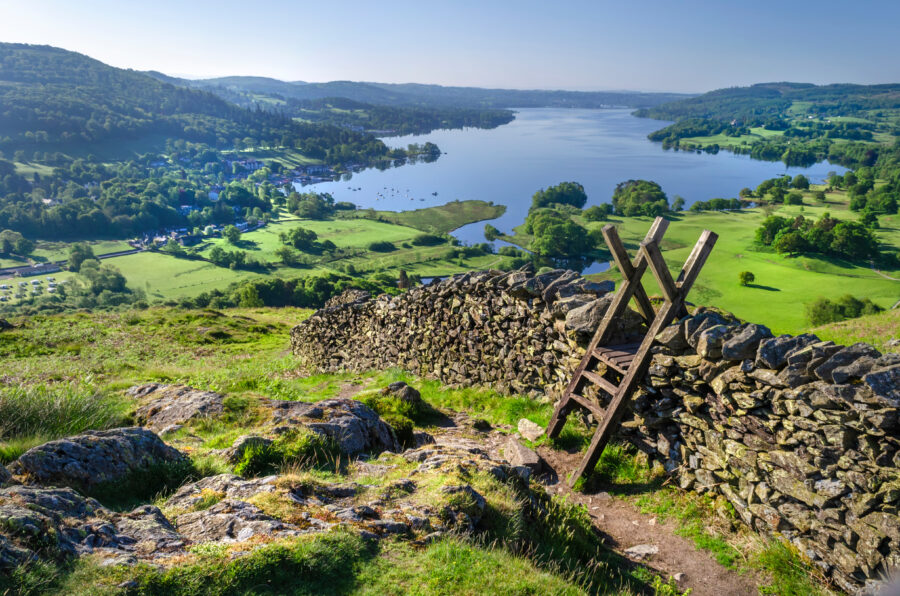
Choosing your base in the Lake District shapes your whole trip. The region covers everything from sleepy valleys to lively market towns, and each has a different vibe. Think: do you want peaceful walks, lakeside views, or easy pub access? Match your answer to the right area.
Understanding Lake District Regions
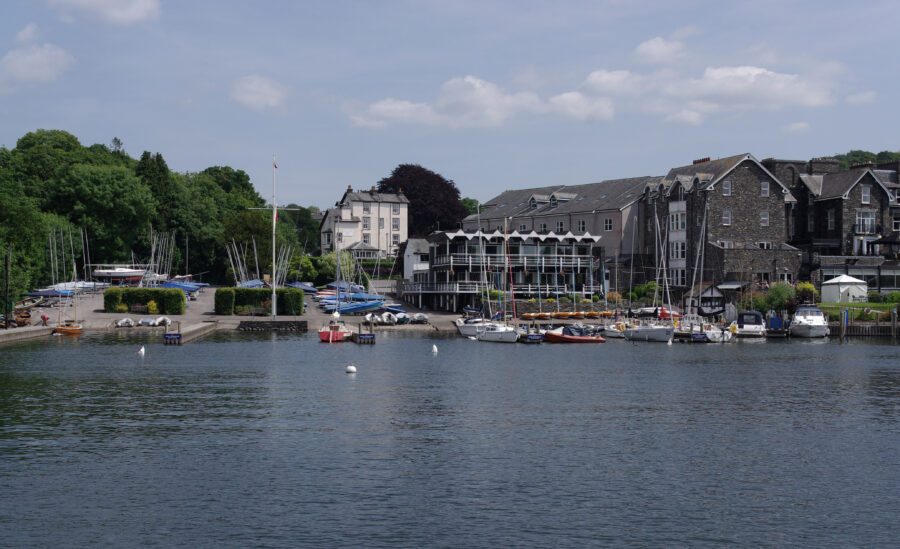
The Lake District sprawls across 900 square miles in northwest England, and every bit feels different. The south—Windermere and Bowness-on-Windermere—pulls in the most visitors. It’s easy to reach, packed with boat tours, restaurants, and shops. Central pockets like Ambleside and Grasmere are all about famous walking trails and a bit of poetry history.
Heading north to Keswick, you’ll get bigger views, rougher hills, and a little more breathing room. Kendal sits just outside the main park, not as rural but super convenient for transport and practical stuff. Way out west, Wasdale and Eskdale feel remote—if you’re after peace and quiet, you’ll probably love it.
So, it’s a choice: comfort or remoteness? Some spots have all the amenities, others let you unplug completely.
Factors to Consider for Your Trip

Start with your priorities. If hiking is your thing, base yourself near trailheads—Ambleside or Keswick save you hours. Prefer a slow lakeside stroll and a good café? Bowness-on-Windermere is easy and pleasant.
Budget matters. Hostels and simple inns cluster near bus routes and trails; lakeside hotels and spa lodges cost more. Don’t forget logistics—distance to transport, grocery shops, and parking can really affect your plans.
Here’s a quick cheat sheet:
| Priority | Ideal Area | Type of Stay |
|---|---|---|
| Scenic walks | Ambleside or Grasmere | Cottage, guest house |
| Adventure & hiking | Keswick | Hostel, B&B |
| Family comforts | Bowness-on-Windermere | Hotel, holiday park |
| Quiet retreat | Western Valleys | Cabin, remote inn |
And if it’s raining (it often is), a drying room or a cozy pub nearby makes a world of difference.

Every Lake District town has its own personality. Keswick buzzes with hikers and outdoor shops. Ambleside mixes charm and convenience—enough going on, but never overwhelming. Grasmere is slower, with art galleries and easy lake walks.
Kendal sits just outside the park, but it’s close enough for day trips and has proper dining and markets. Families and first-timers often go for Bowness-on-Windermere—ferries, cruises, and everything you need are right there.
Transport is key. If you’ve got a car, you’re set. Buses connect the main spots, but not every corner. If you want to hike, stay where the footpaths start; if you’re here to relax, pick somewhere near the water or a town center.
Best Towns and Villages to Stay In

Every corner of the Lake District offers something different—some places are lively, others feel like a secret. You’ll get mountain views, cozy pubs, and easy access to walks like Catbells and Loughrigg Fell, depending on your base.
Keswick: Ideal for Outdoor Enthusiasts

Keswick is built for doers. Wedged between Derwentwater and the fells, trails start right from the edge of town. You can hike Catbells in a morning, rent a kayak for an hour, or drive a short way to climb Skiddaw.
The town bustles in a friendly, unpretentious way. Weekly markets, plenty of pubs pouring local ales, and a surprisingly good little theatre. On rainy days, you’ll find folks ducking into gear shops or cafés—it’s just what people do here.
Where Keswick shines
| Activity | Reason |
|---|---|
| Hiking & climbing | Direct access to Catbells, Blencathra, Scafell Pike |
| Food & drink | Loads of pubs, cafés, bakeries |
| Getting around | Great bus links to Borrowdale, Buttermere, Penrith |
It’s a solid base if you want outdoor adventure but don’t want to be isolated.
Ambleside: Heart of the Central Lakes

Ambleside strikes a nice balance. It’s busy but compact—easy to explore on foot, with plenty of places to eat and rest. Loughrigg Fell sits right at the town’s edge, perfect for a quick hike with big views over Windermere.
There’s more here than just hiking: an old cinema showing indie films, bookshops with that damp-paper smell, and pubs where walkers swap stories over pints. Buses and boats go in all directions, so you don’t really need a car.
It’s a good pick if you want adventure close by but still want a lively evening scene.
Grasmere: Tranquil and Picturesque
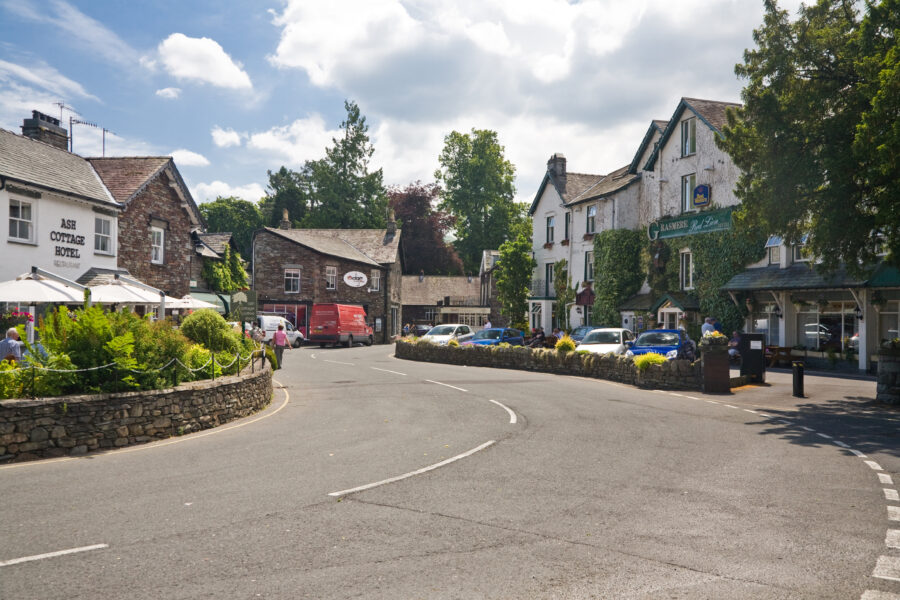
Grasmere feels like it’s paused in time. The village is tiny—just a handful of stone cottages and a couple of inviting pubs. The hills crowd close, making it feel tucked away.
You can walk to Helm Crag or Loughrigg right from the village. The lake is great for a swim if the weather cooperates, and the gingerbread shop’s scent drifts down the street. For something gentle, the path around Grasmere Water is quiet and close enough to pop back for lunch.
If you want somewhere central but peaceful, Grasmere is a sweet spot.
Kendal: Gateway to the Southern Lakes
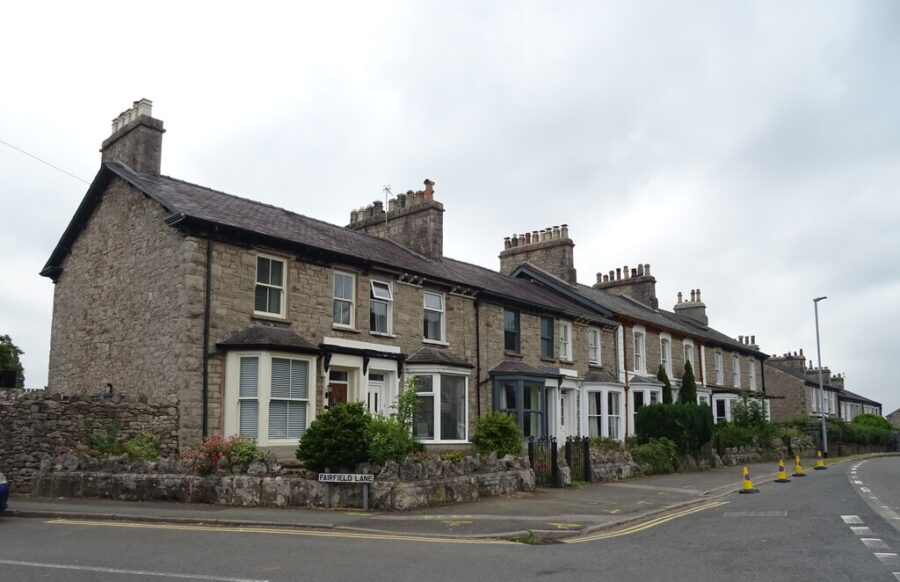
Kendal sits just outside the park, and people often overlook it. But it’s practical—good transport, proper shops, and usually lower prices. Windermere, Bowness, and Ambleside are easy to reach by bus or train.
The town’s full of history—old yards, a ruined castle, the River Kent winding through. You can grab dinner in town and be on a trail twenty minutes later.
Highlights around Kendal
- Convenience: easy base for day trips
- Culture: galleries, museums, markets, live music
- Value: more affordable than lakeside towns
It might not be as cute as Grasmere or Keswick, but it’s practical, and it grows on you.
See Related: Best Places to Visit in the United Kingdom: Discover the Top Attractions
Popular Lakeside Areas and Surroundings

Lakeside spots in the Lake District blend peaceful scenery with easy access to trails, pubs, and water activities. Each has its own style—some are lively, some are barely more than a cluster of cottages.
Windermere and Bowness: Iconic Lakeside Retreats
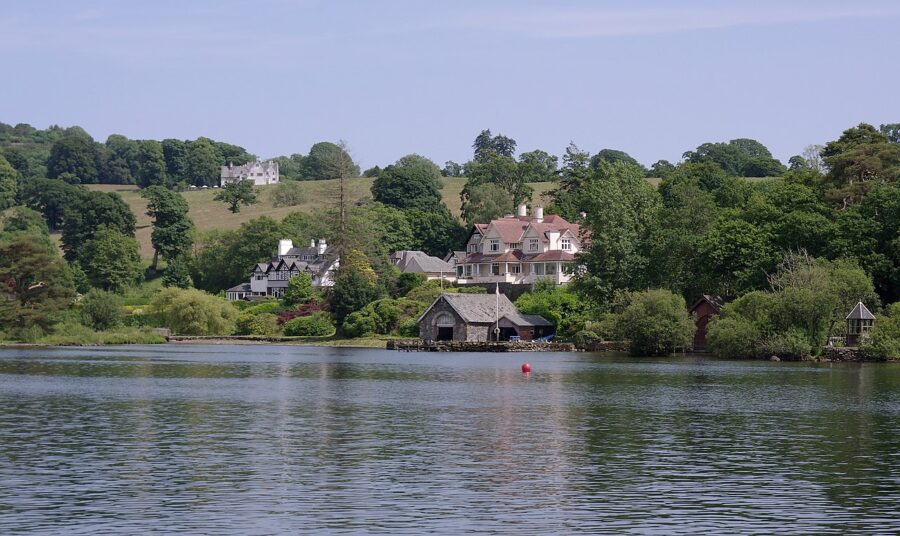
Windermere is the classic Lake District name. The lake’s the biggest in England, over ten miles long, with Windermere and Bowness right on the eastern shore. There’s a lot of lakeside charm—and, yes, summer crowds, so timing matters.
Bowness is where most of the action is—boat cruises, galleries, waterfront walks. Windermere is quieter, a little uphill, and good if you want more breathing space. Modern hotels perch above the lake, with balconies for watching the morning mist clear.
For high-end stays, check out The Samling or Gilpin Hotel—both known for great food and those lake views. Want a short walk? Orrest Head gives you a fantastic panorama with hardly any effort. Families will find everything within easy reach—outdoor shops, casual restaurants, you name it.
Coniston Water: Serene Escape

Coniston Water is Windermere’s quieter cousin. Fewer crowds, more space, and a calm that’s hard to beat. The village of Coniston sits at the north tip—close for supplies, but still feeling off the grid.
The lake’s famous for speed records and Arthur Ransome’s “Swallows and Amazons,” but you’re more likely to see kayaks and sailboats drifting by these days. Rent a boat or hop on the Coniston Launch for a slow, scenic circuit.
Stay in small inns or self-catering cottages tucked into the hills. The Old Man of Coniston hike starts nearby, with broad views as your reward. The slopes can be steeper than they look, so bring good boots.
Unique Rural Stays Near Famous Fells

If you’re after countryside quiet, look at Great Langdale, Borrowdale, or Buttermere. These valleys keep you close to the Lake District’s dramatic heart but without the crowds and traffic. Perfect for walkers who want to hit the trails right out the door.
You’ll find family-run inns like The Britannia Inn or rustic pubs that double as small hotels. Evenings are simple—good food, stone walls, maybe a wood fire. During the day, you’re close to peaks like Scafell Pike or Catbells—just plan ahead for the best routes.
Waking up in Borrowdale always feels special. The air smells of moss, and the first sunlight on the valley walls makes you pause mid-breakfast. You’ll forget your phone for a while—until the next hike calls.
Accommodation Types in the Lake District

The Lake District’s accommodations range from elegant lakeside hotels to cottages hidden in quiet valleys. You’ll find big properties with restaurants and spas, or smaller stays with a more personal, homey vibe. Every option puts you close to that scenery and the region’s slower pace.
Hotels for Every Style

Lake District hotels really do run the gamut. You’ll spot luxury country houses near Windermere, sleek spa hotels in Bowness, and snug inns tucked deep in the hills. Some lean into fine dining and hot tubs, while others prioritize easy access to hiking trails.
Most blend old stonework with new comforts—think saunas, pools, and sometimes a lakeside terrace for that first coffee while the mist’s still hanging. Mid-range options usually throw in breakfast, and smaller guesthouses are often run by locals who’ll point you to their favorite walks.
If you’re a comparison shopper, use platforms that lay out hotels side by side. Keep an eye out for midweek or winter deals; the scenery doesn’t take a day off, and you’ll dodge the crowds.
Cozy Holiday Cottages

Honestly, holiday cottages are tough to beat for privacy and flexibility. You’ll find everything from tiny stone bothies for two to roomy farm conversions for big groups. Many have wood-burning stoves—perfect for thawing out after a rain-soaked hike.
Lots of these cottages sit on old estates or working farms, and that local flavor adds character. You could bump into the farmer at the gate, or find a welcome basket of eggs from next door. Rentals typically include a kitchen, laundry facilities, and a bit of outdoor space, making longer stays easier and more affordable.
Sorting out a bigger trip? Some sites let you search flights, hotels & car hire together, which is handy if you’re coming in from overseas and want everything squared away before you land.
Charming Bed & Breakfasts

B&Bs are everywhere here, often inside Victorian houses or old coaching inns. If you like a chatty host and a real breakfast before heading out, you’ll be happy. Expect fresh bread, local jams, and maybe a weather update over your tea.
Most sit in towns like Keswick, Ambleside, or Hawkshead, where you can walk to pubs and little shops. Others pop up on quiet lanes bordered by dry-stone walls. In the morning, you might hear sheep outside—honestly, it’s not silent, but it feels right.
If you want more choices, compare accommodation options by budget or location before you book. Just note: the best family-run B&Bs fill up early, especially in summer.
See Related: Best Places to Visit in Europe This Year
Wellness and Relaxation Experiences

Slowing down in the Lake District just fits. Whether you’re stretching into mountain air at yoga, soaking in a hot stone bath after a muddy walk, or spending a weekend on wellness, you’ll find plenty of ways to reset.
Spa Hotels and Wellness Retreats

Around here, hotels treat wellness as a core part of the stay. Brimstone Hotel and Langdale Hotel & Spa (both in Great Langdale) are favorites for a reason. Their thermal suites, saunas, and outdoor pools spill right into the woods. You’ll probably spend half your time soaking, the other half just staring at the view and forgetting your phone exists.
Down in Borrowdale, Lodore Falls Hotel & Spa has an outdoor heated pool that looks straight over Derwentwater. One misty afternoon, the steam and valley fog blurred together—honestly, it was hard to tell where the pool ended and the sky began. If you want something quieter, smaller retreats like Armathwaite Hall and Another Place, The Lake offer yoga, Nordic hot tubs, and guided wild swims.
A lot of wellness retreats in Cumbria now include mindfulness walks, aromatherapy, and nutrition workshops. You might just pick up a new habit or two.
Peaceful Spots for Unwinding

You don’t need a spa pass to slow down here. The landscape does most of the work. Grasmere Lake has uncrowded trails and golden evening light that makes you want to just sit with a flask of tea and let the noise fade.
Stay near Rydal Water or Elterwater for woodland paths and hidden benches. Locals sometimes take cold-water dips here—no fuss, just a quick plunge that wakes you up better than coffee.
Inside, look for hotels with little comforts: fire-warmed lounges, herbal teas, maybe a clawfoot bath with a garden view. Real comfort’s in the quiet, not the price tag.
Boutique Accommodation with Wellness Focus

Boutique stays here usually mix style with calm. The Daffodil Hotel & Spa near Grasmere gets the balance right—water views, natural spa products, and a pace that never feels rushed.
The Swan at Newby Bridge has an ESPA Spa plus family-friendly extras. You can sneak off for a massage while the kids hit the pool. If you want something more relaxed, The Grange Hotel in Grange-over-Sands feels more like a friend’s country house than a resort. The wellness side is small—just a sauna and treatment room—but the staff make it special.
Many boutique hotels now add meditation corners, plant-based menus, or guided forest walks. Those small touches can turn a short trip into a real reset.
Plan Your Stay: Practical Tips and Nearby Destinations

Getting around the Lake District isn’t hard if you plan ahead. Public transport covers most towns, and scenic drives link you to Yorkshire, Bath, and London for easy side trips.
Getting to and Around the Lake District
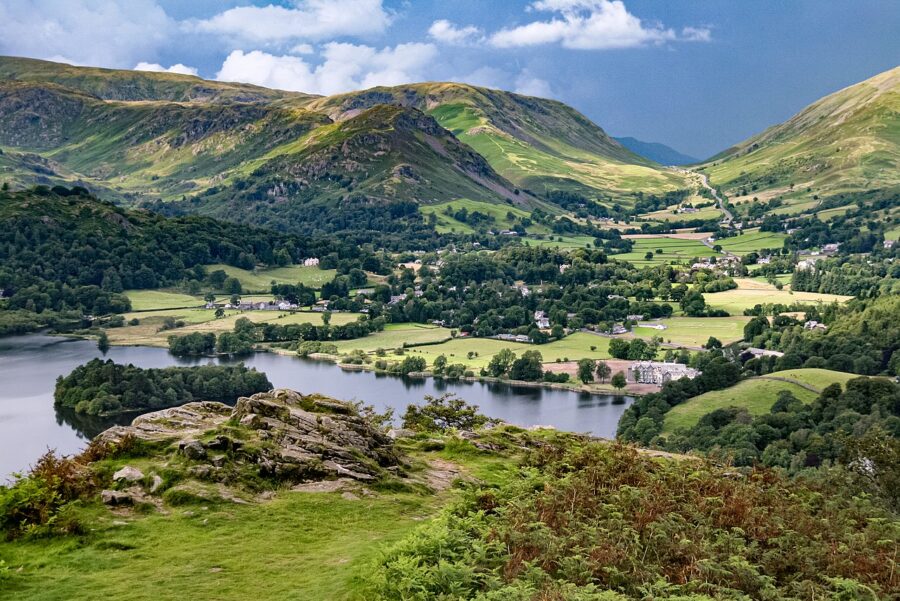
You’ll find the Lake District in northwest England, about 250 miles from London. Direct trains from London Euston to Oxenholme take around 3 hours, then it’s a quick local train to Windermere. Flying into Manchester or Glasgow? Car hire is usually the simplest way in. For deals, check cheap flight tickets with Find Cheap Flight Tickets.
Driving gives you total freedom—roads wind through valleys and hug the lakes, so you’ll want to pull over for photos. Parking can be tricky in small villages, though, so I usually park at the edge and walk or grab a local bus.
If you’d rather skip logistics, book guided day tours via Book Things To Do, Attractions, and Tours. These cover Windermere, Ambleside, Keswick, and more—no driving stress. For buses, a Stagecoach Explorer ticket gives you unlimited local travel for the day.
Proximity to London, Bath, and Yorkshire

You can reach the Lake District from London by train in about 3–4 hours, or drive in around 5. Unless you love long motorway stretches, the train’s more relaxing (and you can keep going to Bath or Yorkshire if you want). Bath’s about 5.5 hours by car.
Yorkshire is right next door, so lots of visitors combine the two. The Yorkshire Dales National Park has similar views—gentler hills, fewer crowds. A scenic drive from Windermere to Settle or Skipton takes about two hours.
If you want a mix, spend a few days in the Lakes, then head south to Bath for Georgian architecture and Roman baths. Plan your connections or car hire with Skyscanner before you go.
When to Visit and How Long to Stay

The Lake District shifts with the seasons. Spring has cool air and daffodils. Summer gets busy—think bustling trails and long daylight. Autumn’s probably the best: orange fells, last-minute rooms, and quieter paths. Winter’s cold and peaceful, perfect for a short break.
Most people stay 3 to 5 days—enough for a couple of lakes without rushing. If hiking or photography’s your thing, a week is spot-on. Rain happens all year, but it rarely soaks the whole day. Bring a light waterproof and keep your plans loose.
Quick planning notes:
- Best months: April to October
- Quietest: November to February
- Typical stay: 3–7 days
- Rain: frequent, usually brief
The pace here is slow—leave space for the weather to surprise you.
See Related: Ways to Book Budget Railcards in the United Kingdom
Frequently Asked Questions

Picking where to stay in the Lake District can feel like choosing from a box of chocolates—almost too many good options. The right spot depends on what you value: family space, standout food, a water view, or just a place that feels real. Each area’s got its own flavor.
What are the top regions in the Lake District for family-friendly accommodations?
With kids, you’ll want easy walks and nearby activities. Keswick is a strong choice—Derwentwater’s right there, plus shops and cafés are close. Friar’s Crag and Whinlatter Forest offer short, fun trails.
Bowness-on-Windermere is another good pick: boats, playgrounds, and family lodges all in one place. Guesthouses here often serve up big breakfasts and have family suites to keep things simple.
Can you recommend some luxury hotels in the Lake District for a memorable stay?
For comfort and a view, Windermere and Grasmere are home to some of the best high-end hotels. Many pair spas with lake views—soaking in a hot tub as the sun drops behind the hills is hard to beat.
Some historic manors near Ullswater have staff who know the trails better than any app. That kind of local know-how actually makes the splurge feel justified.
What are the best options for couples seeking a romantic getaway in the Lake District?
For romance, smaller villages like Grasmere, Hawkshead, or Ambleside have cozy evenings, stone cottages, and inns with real fires. Perfect after a long hike or a lingering dinner.
Some B&Bs offer private patios or hot tubs—little things that make cold nights feel special. You don’t need five stars to make it romantic; the landscape does most of the work.
Is it feasible to explore the Lake District without a car, and where should I stay?
Exploring without a car is doable, just takes a bit of planning. Base yourself in Windermere, Ambleside, or Keswick—they’re all well-connected by bus and have good walking access. Windermere also has a handy train link.
Stick to these hubs, and you can hop between lakes, rent bikes, and reach plenty of trails. I’ve done whole trips by bus and boat, though it’s better if you’ve got a few days.
How can I make the most of a short stay in the Lake District?
If you’ve only got a weekend, focus on one lake area. Two nights in Windermere, Coniston, or Keswick gives you time for classic walks, good food, and a peaceful stay.
Book a place close to both trails and town—nothing worse than wasting time on narrow roads. Local visitor centers often suggest quick walks or scenic drives you might otherwise miss.
What accommodations in the Lake District offer an authentic local experience?
If you’re after a real Lake District vibe, skip the big hotel chains. Go for family-run guesthouses, farm stays, or independent cottages. Plenty of working farms open their doors, so you might wake up to the sight of sheep in the mist instead of a crowded car park.
Check out areas like Borrowdale or Buttermere—here, stone cottages often come with hosts who’ll hand you fresh-baked bread and probably mention the weather before you do. These little moments end up being the ones you remember.