Where to Stay in Scottish Highlands: Best Areas & Hotels by Region
Updated January 22, 2026
Choosing where to stay in the Scottish Highlands can be a bit of a challenge. Every area brings something unique—quiet lochsides, old towns, wild coasts—but figuring out which spot fits your trip best takes some thought. Your ideal base depends on what you want most: peace, scenery, outdoor adventures, or quick access to top landmarks.
This guide lays it out simply. You’ll get a quick sense of the main regions, who they suit, and a handful of standout hotels and lodges for every budget.
After years exploring the Highlands, from Inverness to Glencoe, I’ve compared places that actually deliver value, comfort, and local flavor. No endless lists or vague tips—just clear direction so you can plan with confidence.
Key Takeaways
- See what sets each area of the Highlands apart and who’ll like them most.
- Compare trusted places to stay based on comfort, location, and real-world experience.
- Save time with a straightforward guide built from honest research and practical insight.
Table of Contents
- Overview of the Scottish Highlands
- Defining the Highlands and Main Regions
- Top Reasons to Stay in the Highlands
- Best Time to Visit
- Choosing Where to Stay: Factors and Tips
- Key Considerations for Selecting an Area
- Types of Accommodation Available
- Budget Ranges and Value for Money
- Best Areas to Stay in the Scottish Highlands
- Inverness: The Gateway to the Highlands
- Fort William: Adventure and Scenic Base
- Glencoe: Dramatic Landscapes and Hiking
- Cairngorms National Park: Outdoor Activities and Nature
- Unique Places to Stay by Region
- Loch Ness and Fort Augustus Accommodation
- Isle of Skye Lodging Options
- Remote Villages and Hidden Gems
- Accommodation Highlights: Best Hotels and Stays
- Luxury Hotels with Exceptional Views
- Best Cabins, Cottages, and Lodges
- Historic Castles and Manors
- Experiential Stays and Activities
- Wildlife and Nature Experiences
- Cultural and Historical Stays
- Eco-Friendly and Sustainable Options
- Frequently Asked Questions
- What are the top romantic getaway spots in the Scottish Highlands for couples?
- Can you recommend some of the most scenic accommodations in the Scottish Highlands?
- Which towns serve as the perfect base for exploring the vast Scottish Highlands?
- Are there any hidden gems in the Scottish Highlands for an exclusive stay experience?
- Could you list unique activities exclusive to the Scottish Highlands for travelers?
- Where can one find the most serene and remote hotels in the Scottish Highlands?
- Book Your Dream Experience
- More Travel Guides
Overview of the Scottish Highlands
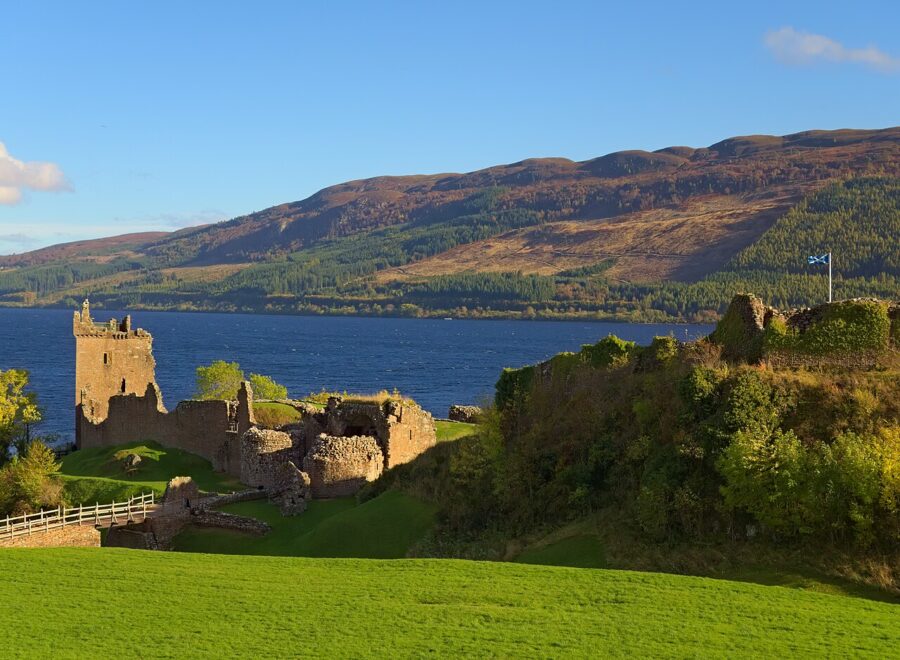
The Scottish Highlands cover a huge, rugged region—mountains, glens, lochs, and remote coasts. Its culture, history, and wild scenery make it one of Scotland’s most fascinating regions, rewarding you with unforgettable views and quiet moments far from city noise.
Defining the Highlands and Main Regions
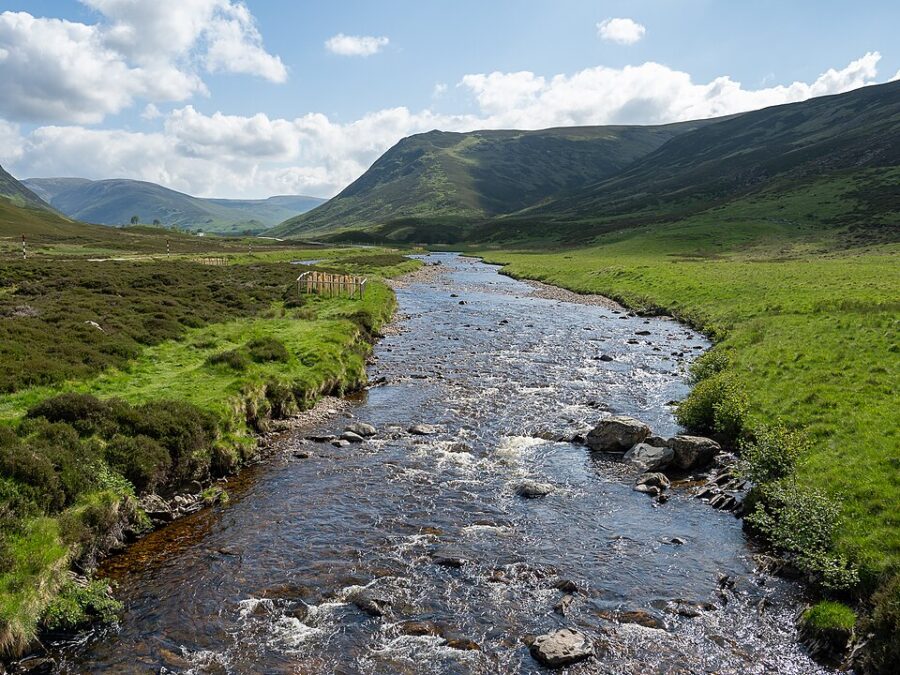
The Highlands stretch across northern Scotland, from Fort William and Glencoe in the west to Inverness and the Cairngorms in the east. The landscape changes fast—one hour you’re surrounded by snowy peaks, next you’re by a calm loch or coastal village. I remember driving from Loch Lomond to Torridon and being stunned by how quickly the terrain shifted from woods to bare rock.
Main Regions of the Highlands
| Region | Known For | Notable Spots |
|---|---|---|
| Lochaber & Fort William | Mountains & outdoor adventure | Ben Nevis, Glen Coe |
| Inverness & Loch Ness | History & access to the north | Urquhart Castle, Loch Ness |
| Cairngorms National Park | Wildlife & forest trails | Aviemore, Braemar |
| Northwest Highlands | Remote coasts & wild scenery | Ullapool, Assynt |
| Isle routes & Skye | Dramatic coastlines | Cuillin Hills, Portree |
The west is wild and dramatic, while the east offers softer hills, whisky distilleries, and stone towns.
Top Reasons to Stay in the Highlands
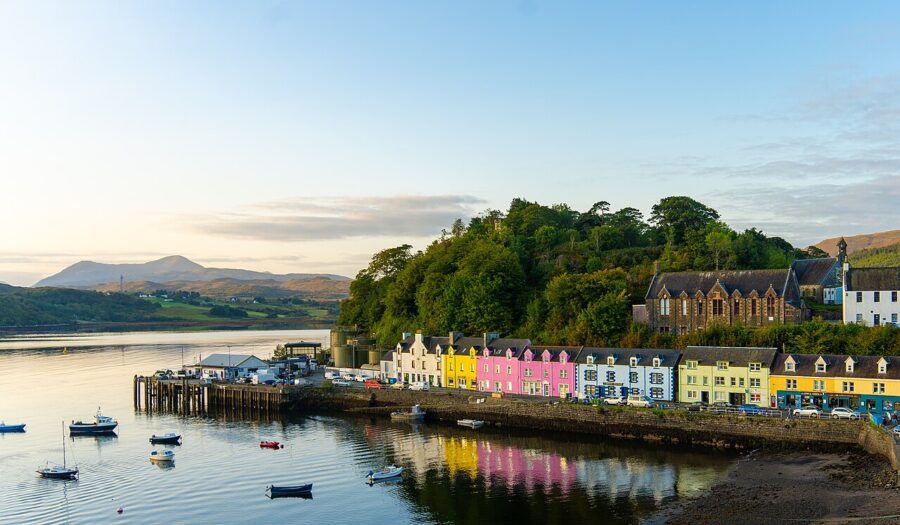
You come to the Highlands for space to breathe. Big skies, slow roads, and the kind of silence that’s hard to find elsewhere. Hike, kayak, watch deer at dawn, or just sit by a peat fire with a local whisky.
Some pick one base—Fort William or Inverness—and explore from there. Others move through smaller towns like Dornoch or Ullapool. Both work; it depends if you want variety or to settle in. Personally, I like renting a cottage for a few days, then switching areas—it keeps things fresh without constant packing.
A few reasons to stay longer:
- Nature and solitude: Remote glens and hidden lochs
- History: Castles, battlefields, ancient sites
- Local culture: Gaelic influences, festivals, warm hospitality
- Outdoor activities: Hiking, cycling, fishing, skiing in winter
The slower pace lets you soak in Scotland’s rhythm—it’s less about ticking off sights, more about absorbing the place.
Best Time to Visit
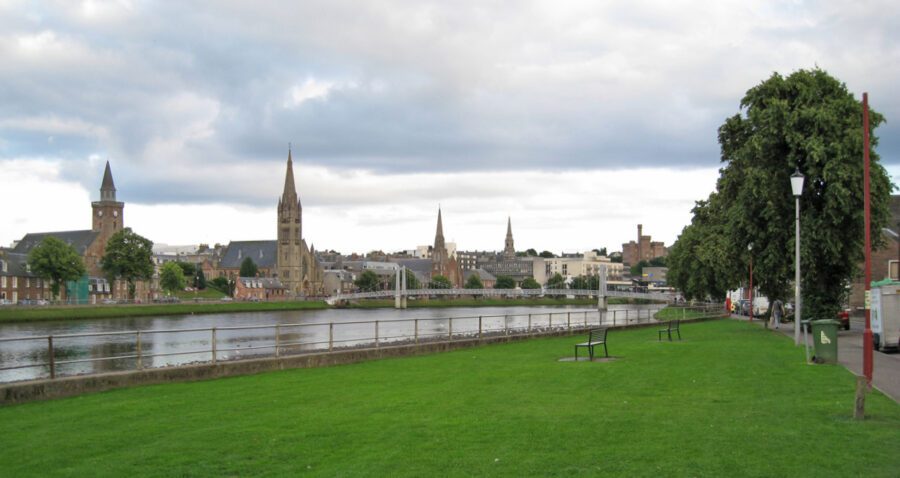
You can visit any time, but the experience shifts a lot with the season. In spring (April–May), the air’s crisp, days stretch out, and hills turn bright green. Summer (June–August) brings warmth and late sunsets, but also crowds and midges. I usually go in early autumn (September–October)—the light’s golden, heather blooms, and the roads are quieter.
Winter trips can be great, especially around the Cairngorms for skiing or cozy stays with log fires. Roads get icy, but villages go quiet and prices drop.
Quick guide:
| Season | Pros | Cons |
|---|---|---|
| Spring | Mild weather, fewer crowds | Unpredictable rain |
| Summer | Long daylight, best for hikes | Busy areas, midges |
| Autumn | Colorful landscapes, calm travel | Shorter days |
| Winter | Lower rates, snow scenes | Limited daylight |
Pick what matters most—bright hikes, cold solitude, or something in between. The Highlands change with each season.
Choosing Where to Stay: Factors and Tips
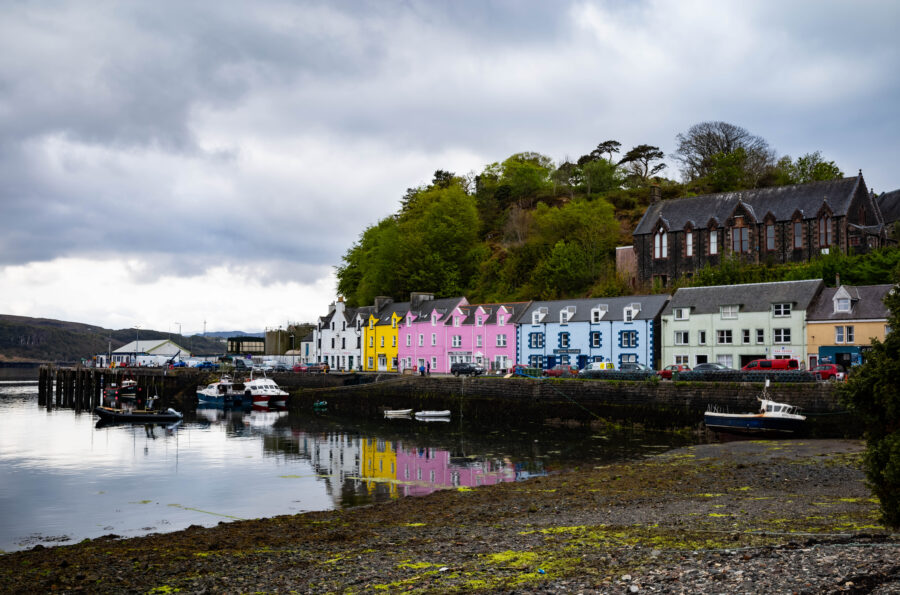
Where you stay in the Highlands really shapes your trip. Your decision comes down to location, accommodation style, and what you want for your budget.
Key Considerations for Selecting an Area
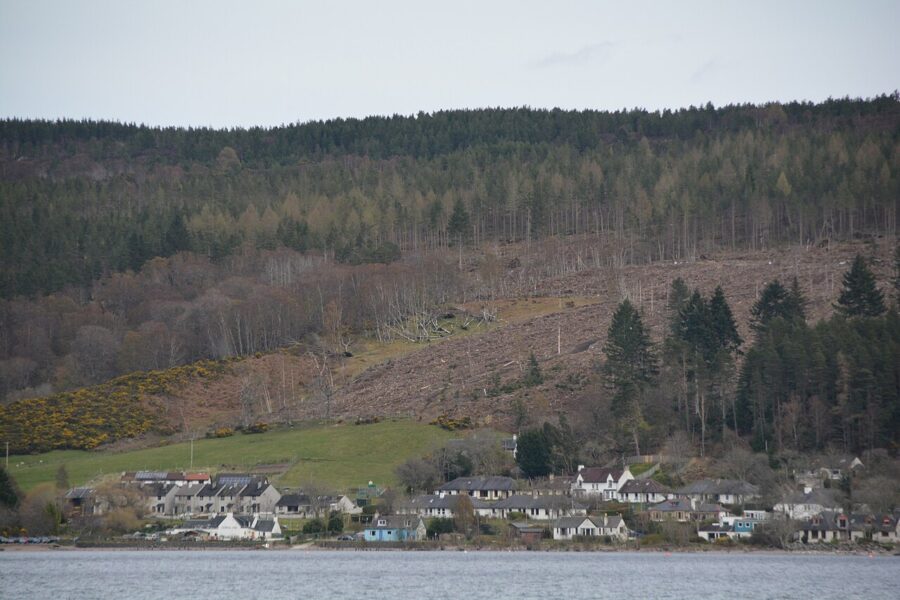
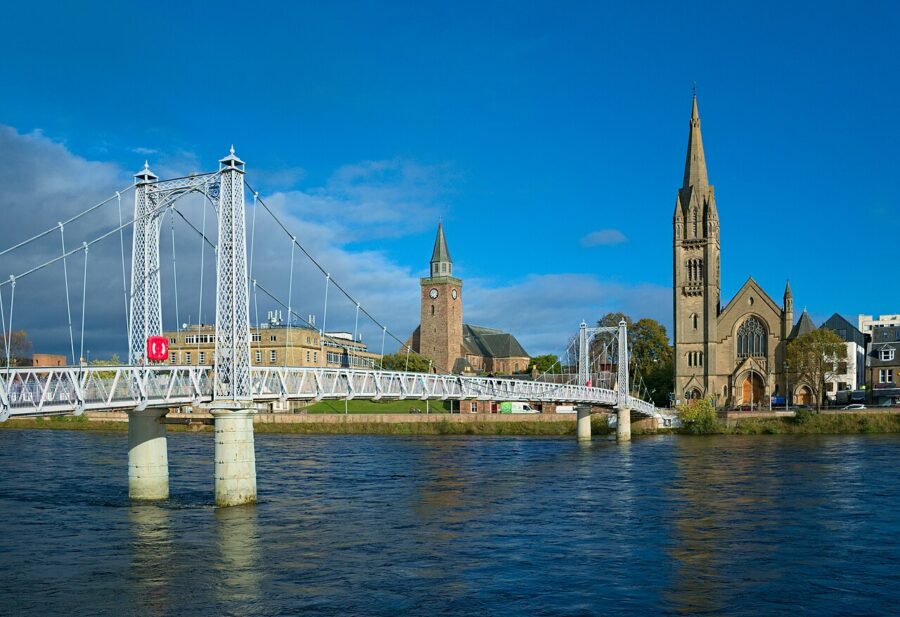
Start with travel time. The Highlands are big, and roads can be slow and winding. If you land in Inverness after a long flight found through Find Cheap Flight Tickets, you’ll probably want a base nearby before heading deeper. Inverness works well for day trips to Loch Ness or the Black Isle; Fort William puts you near Ben Nevis and Glencoe.
If you crave quiet, aim for smaller places like Applecross or Ullapool. Just know remote means fewer shops and restaurants. Some people love that; others get restless after a night or two.
I once stayed in a cottage outside Dornoch. The stillness felt almost eerie at first, but by the second day, I didn’t want to leave. That’s the Highlands—you trade convenience for peace, and sometimes, it’s worth every mile.
Types of Accommodation Available
You’ve got options. Traditional inns, modern hotels, B&Bs, hostels, and self-catering cottages. For quick comparisons, check booking platforms for location details and reviews.
- Hotels and resorts: Good comfort and amenities, often along scenic routes like the North Coast 500
- Cottages and lodges: Great for families or anyone wanting privacy. Some have wood-burning stoves—perfect for cold nights
- Hostels and bunkhouses: Simple, affordable, and full of hikers swapping trail stories
Unusual stays—converted lighthouses, remote bothies—can turn your trip into an adventure. Just be ready for spotty phone service and unpredictable weather.
Budget Ranges and Value for Money
Prices swing with location and season. Fort William or Aviemore cost more in summer, while smaller villages can be surprisingly affordable year-round.
Traveling in winter? Expect deals. I’ve seen good discounts using flight and hotel tools. Watch for package offers—they sometimes include breakfast or local tours for less than booking separately.
Here’s a rough guide to typical nightly rates:
| Type of Stay | Average Range (GBP) | Notes |
|---|---|---|
| Hostel Bed | £25–£40 | Basic but usually clean and social |
| B&B or Guesthouse | £70–£120 | Includes breakfast, often family-run |
| Mid-range Hotel | £120–£200 | Central locations, modern amenities |
| Luxury Hotel or Lodge | £250+ | Spa, fine dining, scenic views |
The best value isn’t always the lowest price—it’s the place that fits your pace and priorities.
See Related: Scotland Golf Trip Cost: 7 Days, £2000, Pure Golfing Bliss
Best Areas to Stay in the Scottish Highlands
Some Highland spots give you quick access to top sights and transport, while others feel remote and wild. You can base yourself in a lively city with great food or somewhere quiet with mountain views and trails right out the door.
Inverness: The Gateway to the Highlands
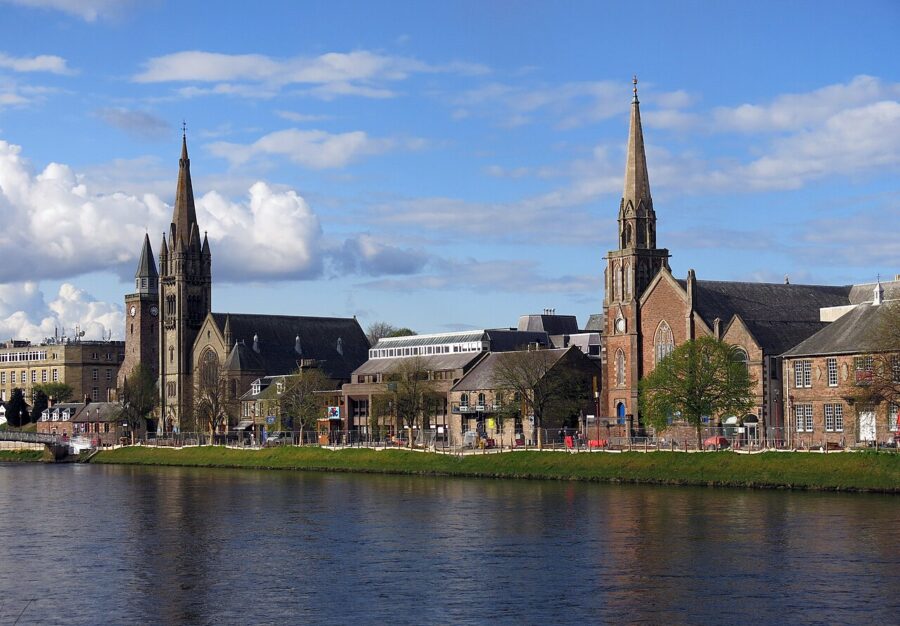
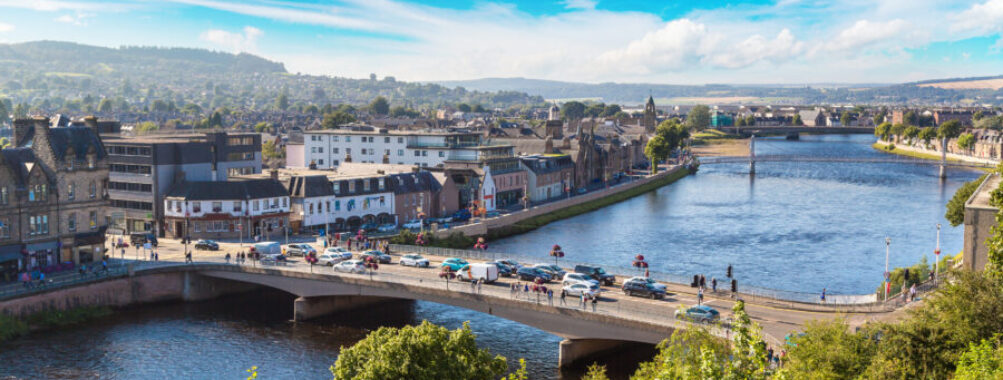
Inverness is your go-to for comfort and convenience. It’s the region’s biggest city and has fast links to Loch Ness, Culloden Battlefield, and the Black Isle. You can get around easily by car or train, which makes it ideal for short trips.
I like Inverness for its balance—plenty of city comforts, but still small enough to feel relaxed. You’ll find cozy B&Bs, modern hotels by the River Ness, and pubs with live music that goes late. The Victorian Market and local restaurants serve excellent seafood, especially haddock or scallops from the coast.
If you want to explore the Highlands without constantly switching hotels, Inverness is a smart base. Spend a few days checking out nearby distilleries or walk the Caledonian Canal, then return for dinner and a hot shower.
Fort William: Adventure and Scenic Base
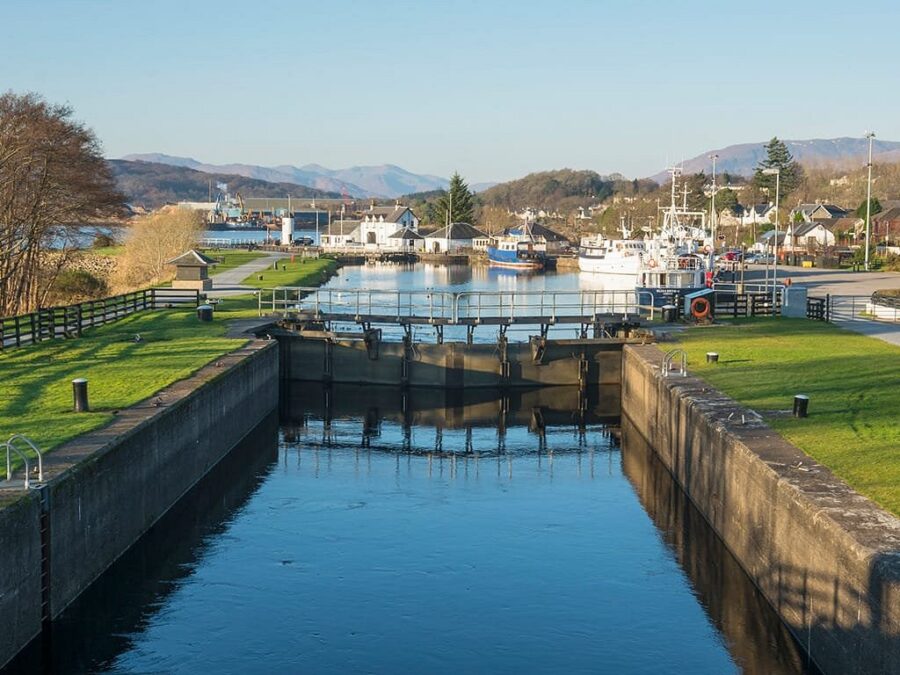
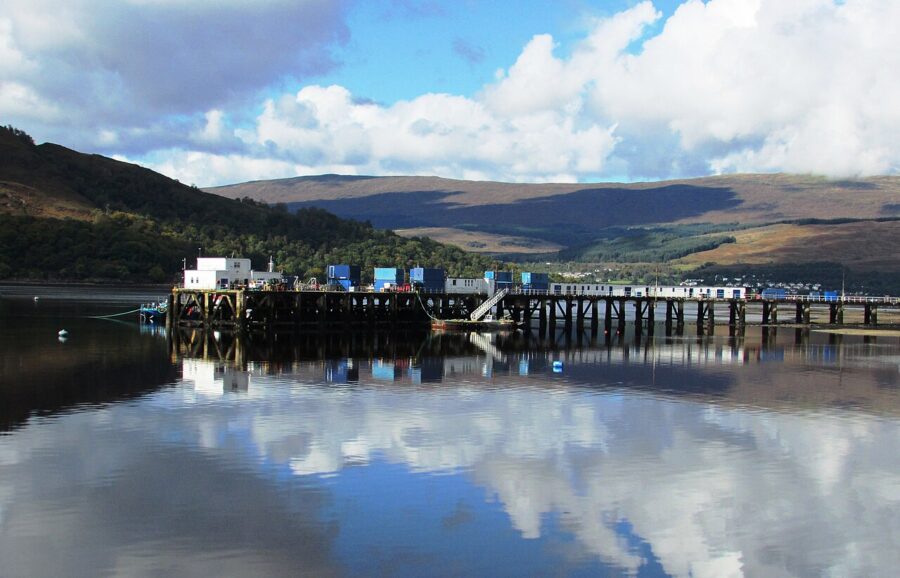
Fort William feels like the Highlands’ outdoor capital. It sits at the foot of Ben Nevis, Britain’s tallest mountain, and that view never gets old. From here, you can hike, mountain bike, or ride the Jacobite Steam Train toward Mallaig—straight out of a postcard.
It’s not a fancy town, but it’s practical and full of character. Expect guesthouses, small hotels, and mountain lodges that welcome muddy boots and gear. I once stayed in a tiny lodge near the loch; the owner baked scones for everyone heading out early—simple hospitality that sticks with you.
Fort William works if your trip is all about outdoor action. The place thrives on adventure and makes exploring the West Highlands pretty straightforward.
Glencoe: Dramatic Landscapes and Hiking
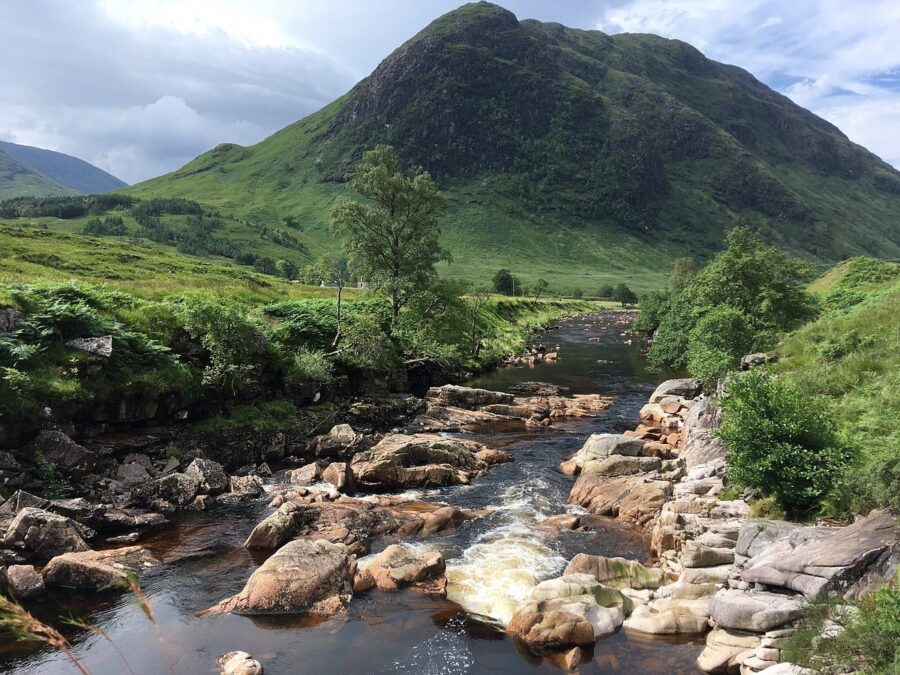
Glencoe is cinematic. Those peaks shoot up so sharply, it almost feels unreal. For hikers and photographers, this is classic Highland country. Trails like the Lost Valley or Buachaille Etive Mòr show off rugged beauty, and you don’t need to drive far between sights.
Accommodation’s spread out, often around the glen itself. You’ll find stone cottages, mountain inns, eco-lodges beside lochs. Some locals run guesthouses that feel more like staying with family than checking into a hotel.
Evenings in Glencoe get quiet fast—which, honestly, adds to the magic. The stillness, mist, and a stream nearby remind you why you came to the Highlands in the first place.
Cairngorms National Park: Outdoor Activities and Nature
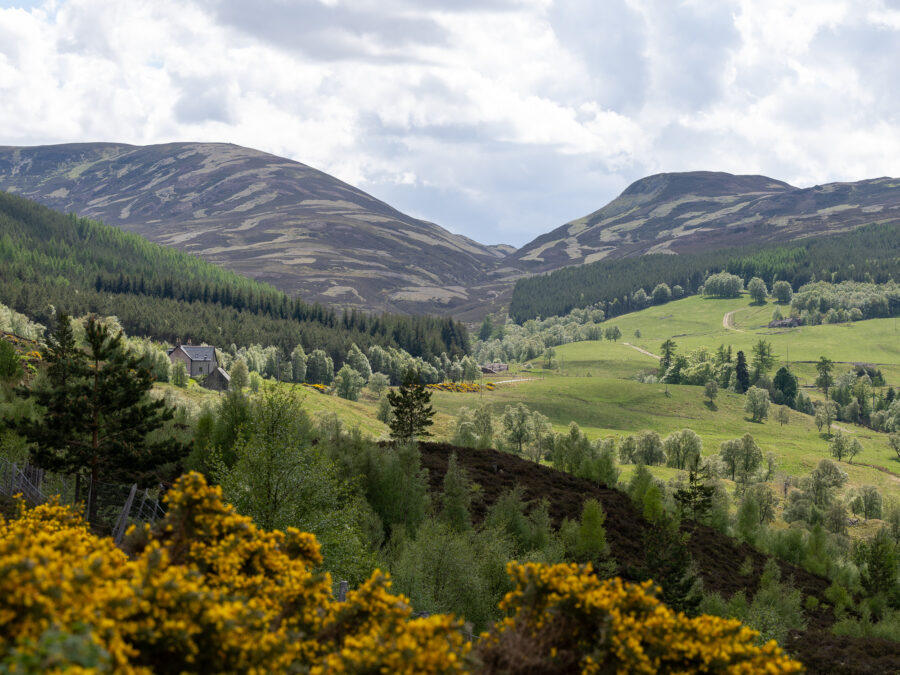
The Cairngorms National Park sits in the eastern Highlands, covering forests, rivers, and high plateaus. If you love nature but want a bit of structure—visitor centers, mapped trails, family-friendly paths—this area’s a good fit.
You can ski around Aviemore in winter, kayak on Loch Morlich in summer, or cycle, watch wildlife, and drive past heather-covered hills. Stays range from small lodges to bigger resorts with saunas and woodland views.
The Cairngorms are both accessible and wild. Spend mornings exploring glens, then tuck into hearty local food in a warm pub at night. It’s a solid pick for nature lovers who don’t want to give up comfort or small-town life.
Unique Places to Stay by Region
Each part of the Highlands has its own pulse. From lochside cottages and family-run inns to cabins deep in the glens, where you stay shapes your trip. Comfort, scenery, and those little quirks of place matter just as much as the miles you travel.
Loch Ness and Fort Augustus Accommodation
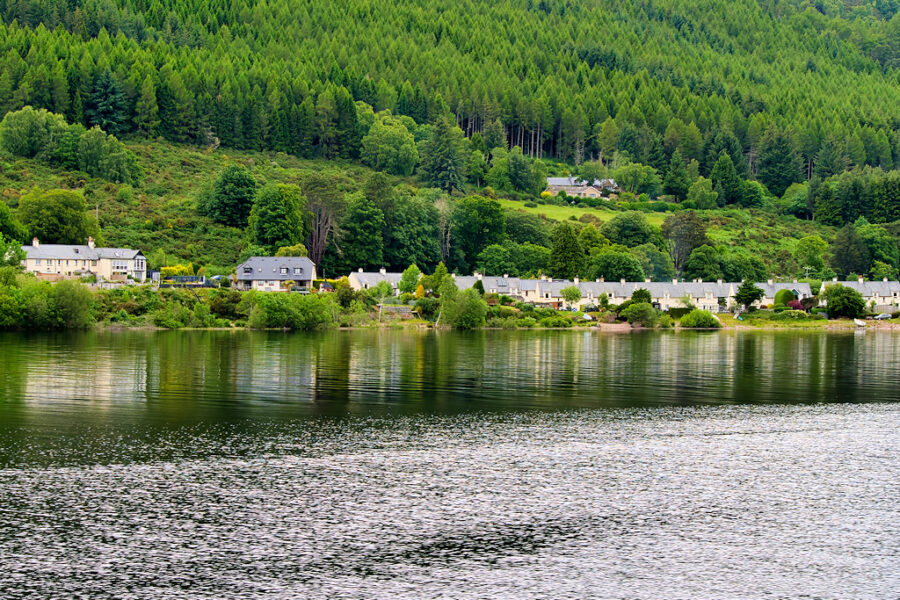
Staying near Loch Ness puts you right by the water and within reach of historic towns worth a wander. In Fort Augustus, you’ll spot a mix: traditional inns, self-catering lodges, and small family guesthouses, many with views over the Caledonian Canal. The town sits at the southern tip of the loch—handy for boat tours and evening strolls by the locks.
Craving quiet? Check out converted stone cottages near Invermoriston or Drumnadrochit. A lot come with wood-burning stoves and simple kitchens, so you can settle in and watch the mist roll over the water. Fort William’s just over an hour away, so you can base yourself here and still head west without repacking every day.
| Type | Example | Nearby Attraction |
|---|---|---|
| Guesthouse | Traditional B&B in Fort Augustus | Caledonian Canal |
| Cottage | Lochside rental near Drumnadrochit | Urquhart Castle |
| Lodge | Rural retreat near Invermoriston | Loch Ness trails |
Isle of Skye Lodging Options
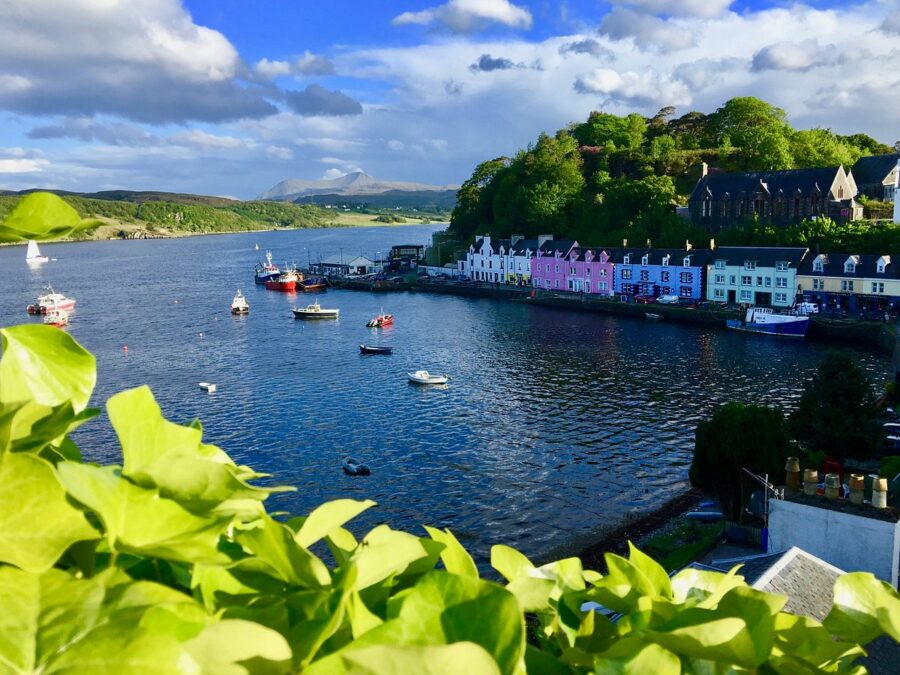
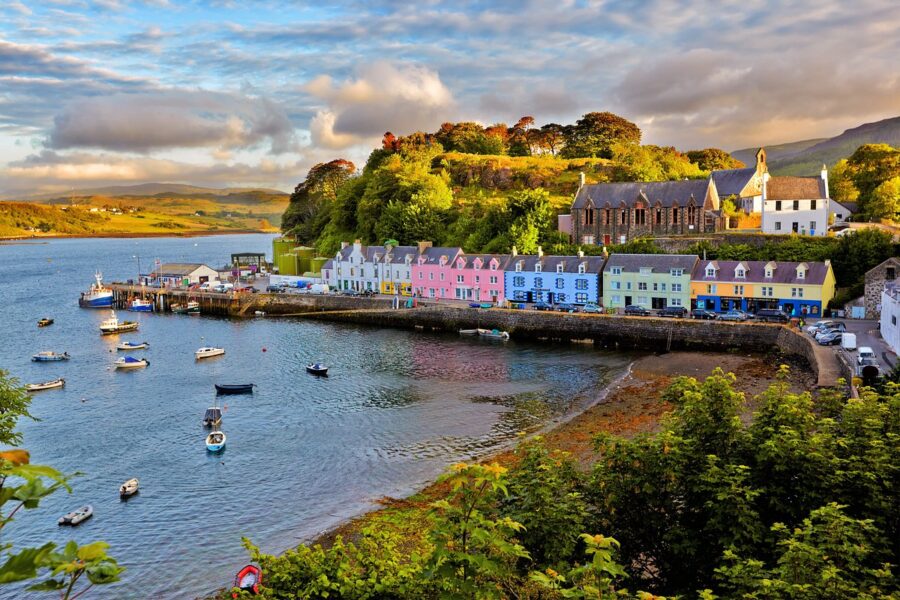
The Isle of Skye pulls you in with its cliffs, shifting weather, and wild beauty. Accommodation? Everything from boutique hotels in Portree to croft houses in quieter corners like Elgol or Glendale. If you’re after sleek comfort, a few architect-designed lodges use glass walls and clean lines to frame those Cuillin Mountain views—especially magical at sunrise.
I once stayed in a tiny pod near Staffin with barely any Wi-Fi but an endless view of the sea. It felt like time slowed down. Prices can be higher on Skye, but waking up somewhere that feels far from the usual rush is worth it.
Tip: Book early for May–September—rooms go quickly, even the offbeat ones.
Remote Villages and Hidden Gems
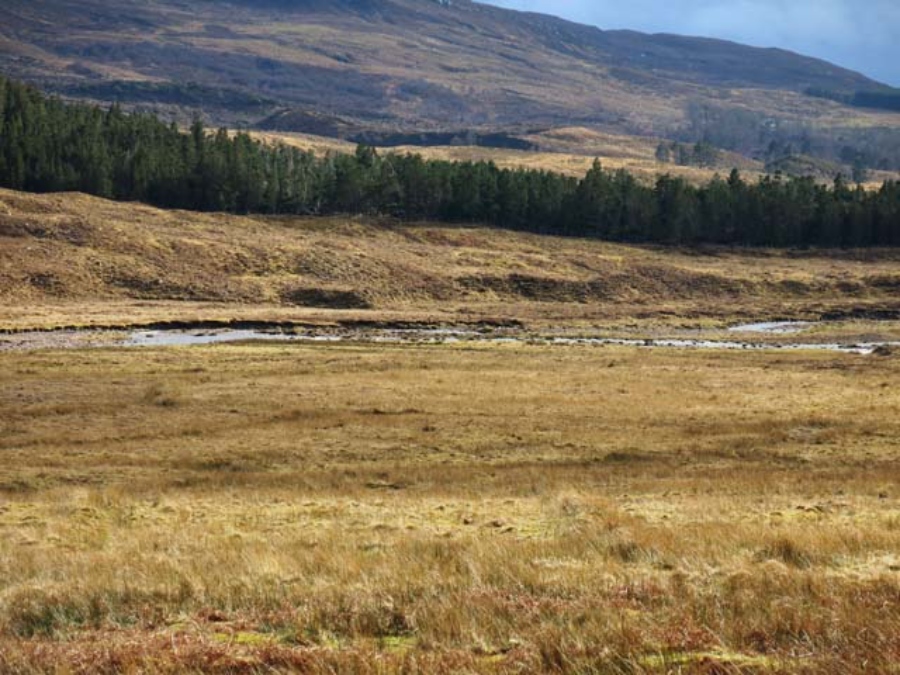
Head north or inland and you’ll find communities that barely show up on big booking sites. Applecross, Assynt, and Glencoe have restored farmhouses, eco-cabins, and small inns where locals still gather for dinner. These spots give you a real taste of Highland life—quiet roads, simple meals, and miles of open space.
Applecross has a handful of B&Bs with views over the Bealach na Bà pass. Glencoe’s larger lodges are favorites for hikers tackling Ben Nevis or the West Highland Way. If you’re after peace that lingers with you, this is where you’ll find it.
- Applecross: Wild coastal views, only one road in.
- Glencoe: Dramatic mountains, historic pubs.
- Assynt: Off-grid cabins, lochs full of wildlife.
See Related: Hidden Boutique Hotels in Europe That Redefine Luxury in 2026
Accommodation Highlights: Best Hotels and Stays
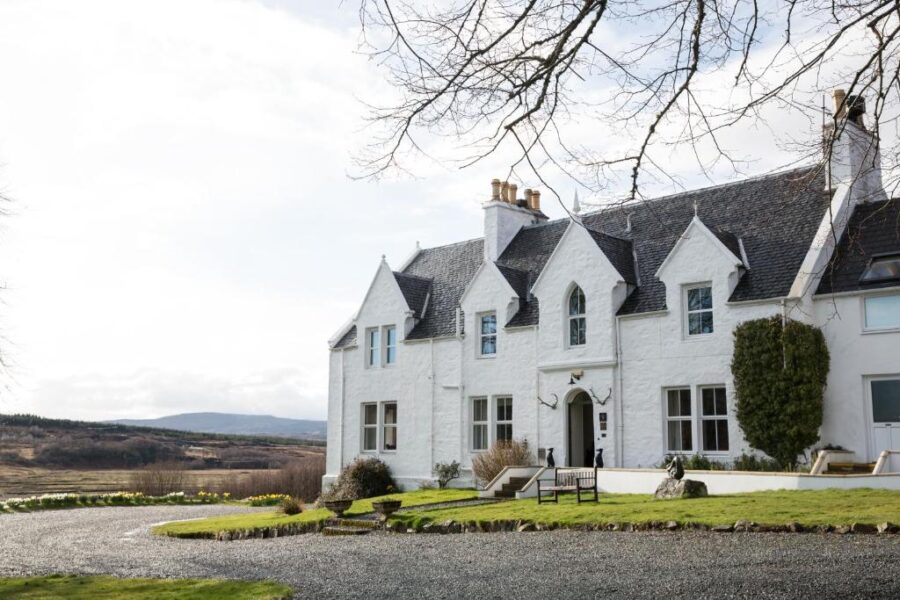
In the Scottish Highlands, places to stay are as varied as the landscape. Some focus on comfort and quiet luxury with sweeping views; others offer the charm of old stone cottages or lodge life. A few are actual castles—alive with history, not just museum pieces.
Luxury Hotels with Exceptional Views
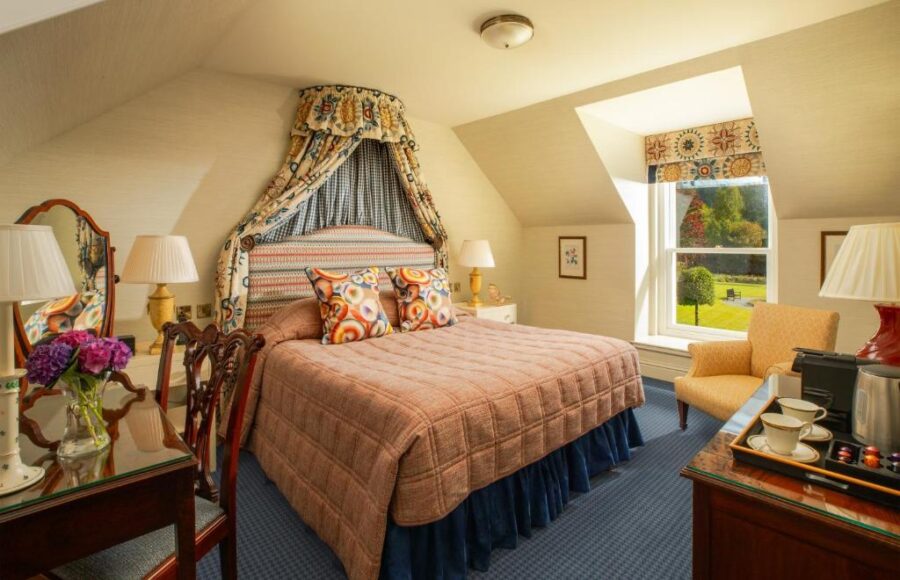
If you want luxury with a side of epic landscape, the Highlands deliver. Inverlochy Castle Hotel, near Fort William, has mountain views from every window and an elegance that’s never stuffy. You might sip tea by the fire, then spot deer grazing just beyond the lawns.
On the coast, Torridon Hotel pairs five-star service with hiking trails right outside. The simple details stand out: dining that lets the food speak for itself, a whisky bar perfect for slow conversations. For something quieter, Kinloch Lodge on Skye feels like a family home turned world-class retreat, with honest food and sunsets you won’t forget.
| Hotel | Location | Standout Feature |
|---|---|---|
| Inverlochy Castle Hotel | Near Fort William | Mountain backdrop & historic character |
| Torridon Hotel | Wester Ross | Loch-side views & outdoor activities |
| Kinloch Lodge | Isle of Skye | Warm hospitality & fine dining |
Best Cabins, Cottages, and Lodges
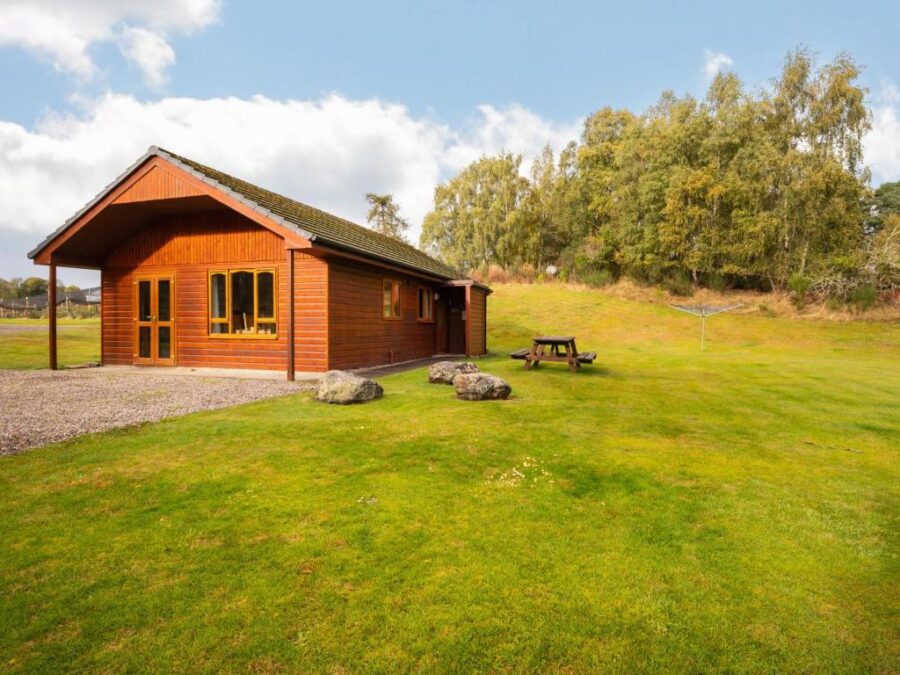
If you’d rather hear wind in the trees than a lobby piano, the Highlands are for you. Cabins along Loch Ness and Glen Affric make solid bases for hiking and kayaking. Wake up, brew coffee, watch the mist drift across the water—simple, memorable.
I spent a week in a cottage near Aviemore once, cooking with local ingredients and losing track of time. That’s part of the magic here. Look for eco-lodges with wood stoves and good insulation, especially those run by families or small estates—they usually have thoughtful touches you won’t find in hotels.
Traveling with a group? Dun Aluinn in Perthshire offers modern design, panoramic terraces, and a full staff—plenty of space without losing the homey vibe.
Historic Castles and Manors
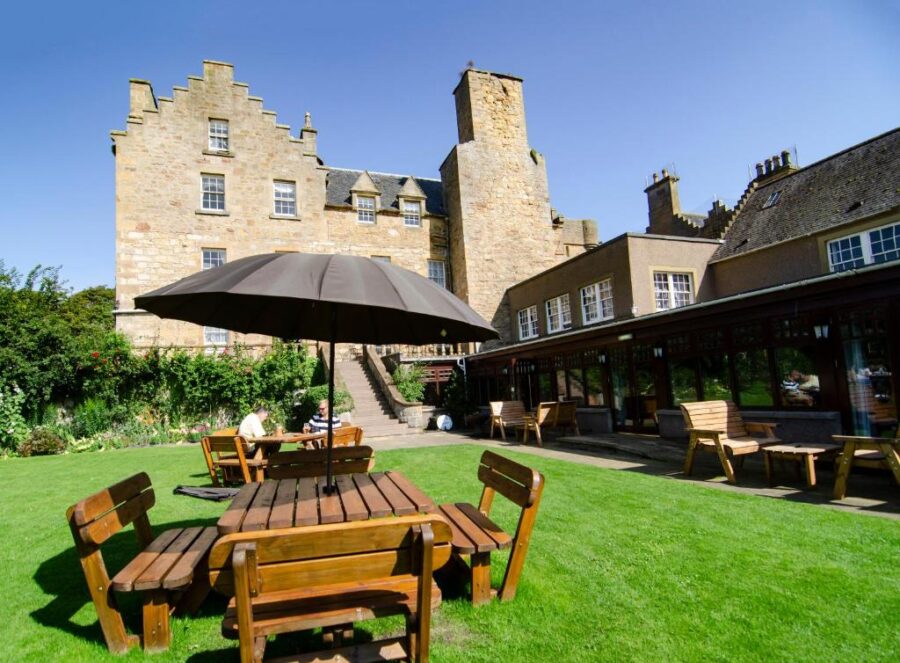
Nothing says Scotland’s past quite like a castle hotel. Stay in one and you’ll get the scale—wide halls, creaky stairs, heavy doors. Dornoch Castle Hotel blends medieval stonework with modern comfort and even distills its own whisky downstairs.
Further north, Ackergill Tower by the North Sea feels remote, but not lonely. You can wander the beach after breakfast or read by the fireplace if the weather turns. I got stranded here by a storm once—oddly, it was perfect.
Glengorm Castle on Mull is still owner-run, and the hosts might share stories about the land over a late-night dram. These aren’t museum pieces; they’re living spaces, full of character.
Experiential Stays and Activities
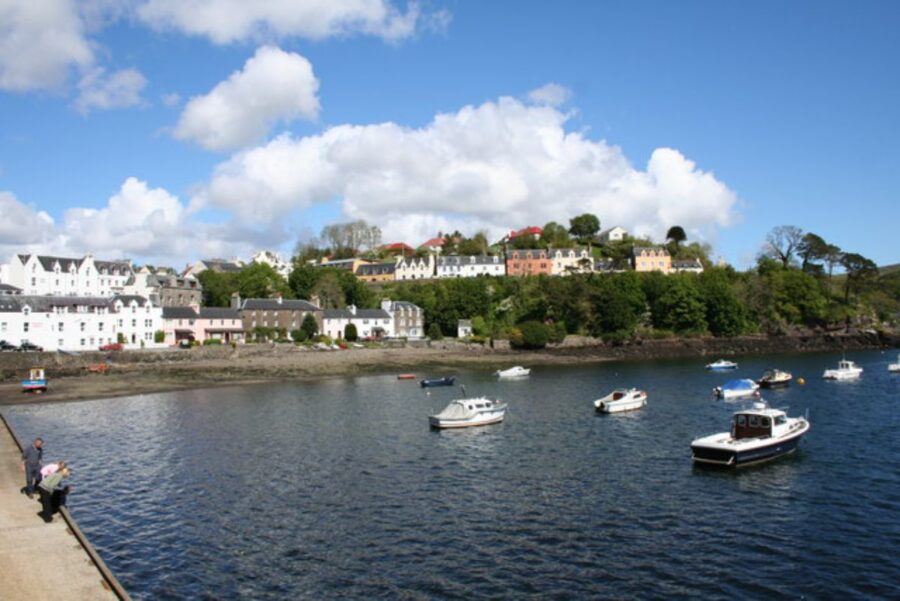
The Highlands aren’t just a backdrop—they set the pace for your trip. Sleep in centuries-old buildings, help protect the land by where you stay, or just tune in to the wild rhythm outside your window. Sometimes, it’s the small moments—hearing stags call across a glen, swapping stories by a peat fire—that stick with you.
Wildlife and Nature Experiences
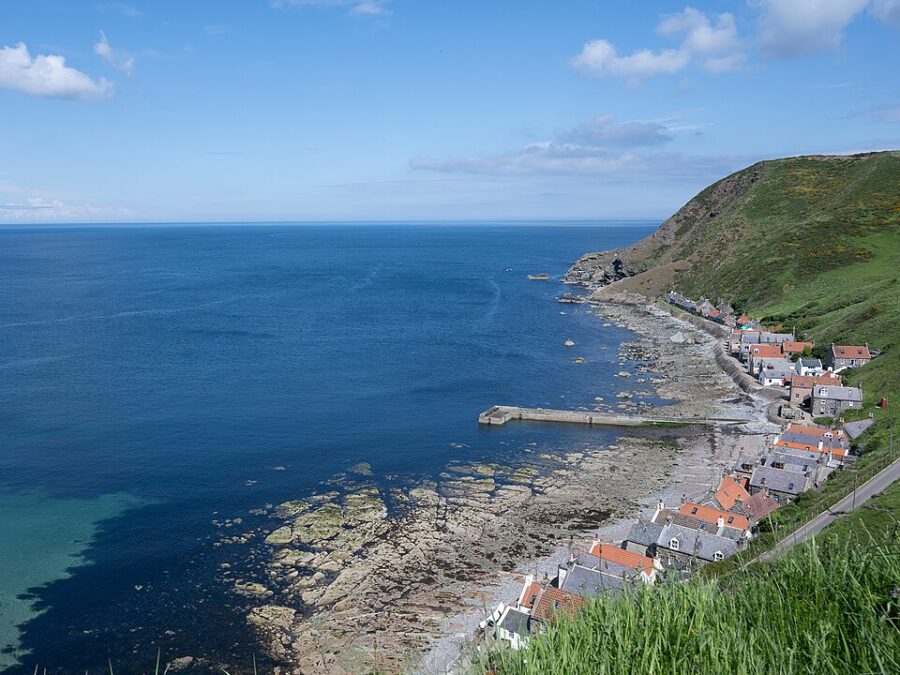
You can’t visit the Highlands and not feel the pull outdoors. Cairngorms National Park is a great base if you’re into wildlife. Lodges and guesthouses often set up guided walks where you might spot red deer or golden eagles. Some even run early-morning “safaris”—yes, in Scotland—so you can drive through heather moorland while the mist lingers.
If water’s your thing, stay near Loch Ness or the Moray Firth. I joined a small-boat trip from Inverness once and saw dolphins leaping near old fort walls. Rent a cabin near a loch or forest and you might see pine martens at night.
Try these for a deeper nature fix:
- Loch-side lodges: Birdwatching heaven.
- Highland bothies: Bare-bones, but pure solitude.
- Forest retreats: Step out your door and straight onto the trail.
Cultural and Historical Stays
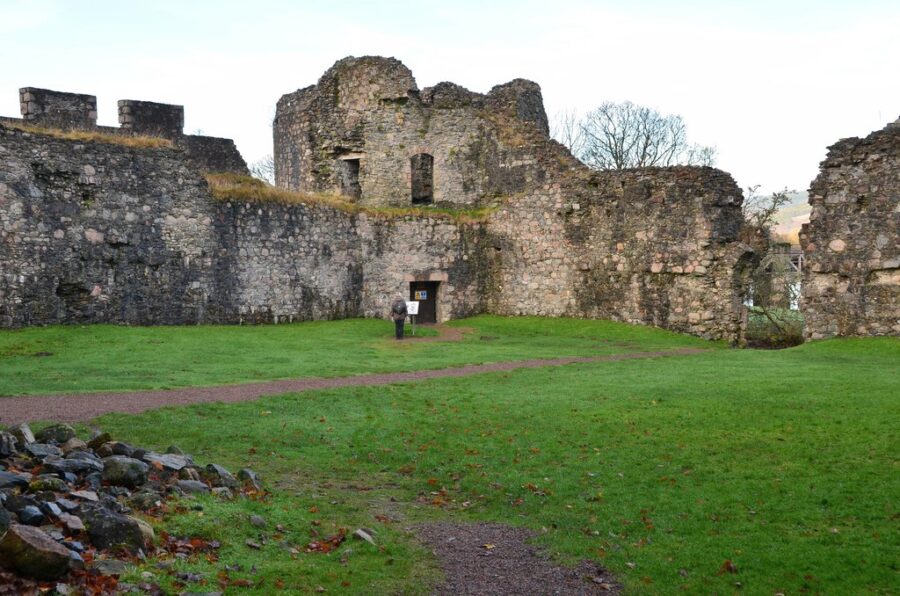
History runs deep here, and some hotels feel like living museums. Inverlochy Castle, near Ben Nevis, doubles as luxury lodging and a peek at 19th-century baronial life. I remember the staff keeping fireplaces crackling all evening—it felt timeless, not staged.
You’ll also spot old coaching inns along routes once used by soldiers and drovers. Many have just enough modern comfort to be cozy, but they keep that rough Highland edge.
Consider:
- Former hunting lodges in Speyside, often tied to whisky estates.
- Converted crofts with old farming tools still on the walls.
- Cathedral-town guesthouses, usually family-run with deep local roots.
Eco-Friendly and Sustainable Options
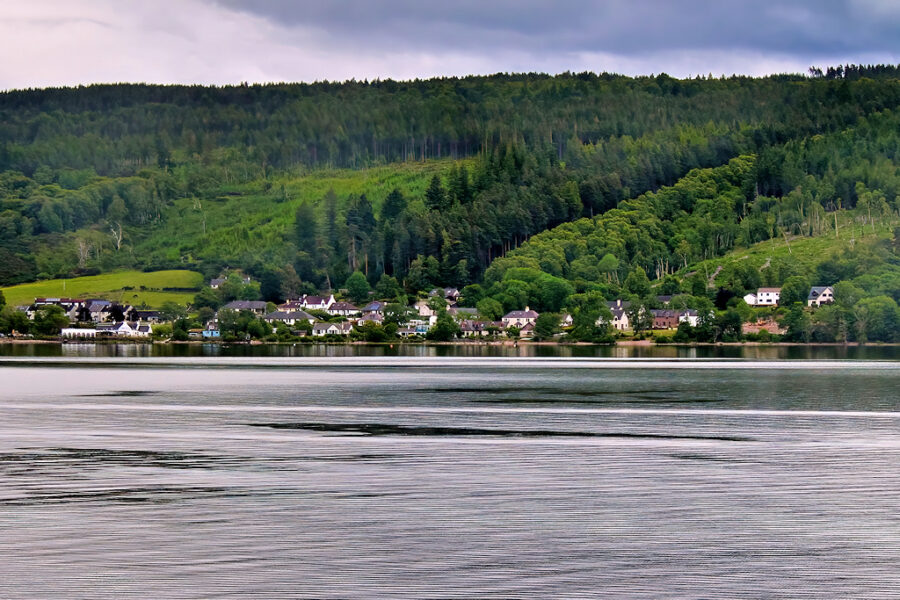
A lot of Highland properties now focus on protecting the land that draws you in. I’ve noticed more off-grid cabins using solar panels, rainwater filters, and local timber—practical, not flashy, and it fits the place.
In the Cairngorms, community-run hostels and nature lodges use renewable heat systems and serve food from nearby farms. Some even invite guests to join rewilding projects—planting trees or clearing invasives. It’s simple work, but it feels good to leave a little positive trace.
Eco tips:
- Pick stays certified by Green Tourism Scotland.
- Bring a reusable water bottle—many hotels have refill points.
- Shop at local produce markets instead of buying imports.
Living lighter doesn’t mean skimping on comfort. Sometimes your morning coffee comes with a view of wind turbines spinning quietly in the distance instead of city noise.
See Related: Best Places to Visit in Europe This Year
Frequently Asked Questions
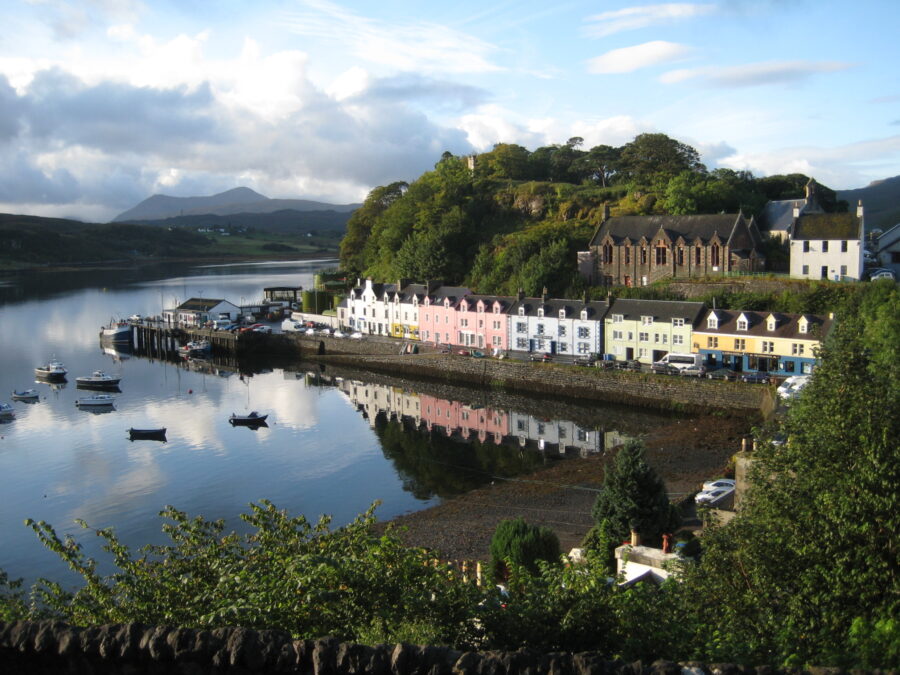
The Scottish Highlands are full of cozy hideaways, scenic lodges, and offbeat places surrounded by wild beauty. You’ll find romantic retreats, secret corners far from crowds, and small towns that make exploring easy while keeping their own character.
What are the top romantic getaway spots in the Scottish Highlands for couples?
For couples, the Highlands are pretty much built for escapes. Glencoe and Torridon stand out for dramatic scenery, soft light, and peaceful lodges.
If you want coastal, the Isle of Skye has cabins on cliffs and lochs—perfect for long sunsets. A private cottage near Fort Augustus or a spa stay in Inverlochy also makes for an easy romantic trip.
Can you recommend some of the most scenic accommodations in the Scottish Highlands?
Go for places with a view worth setting an early alarm. Lochside lodges near Loch Ness and boutique hotels around Gairloch put you right by reflective waters and open hills.
Architect-designed retreats near Cairngorms National Park blend modern looks with wild surroundings. Try a lighthouse or restored croft—sometimes the simplest stays are the most striking.
Want to add local adventures? Tours and activities can help you explore nature spots without the hassle.
Which towns serve as the perfect base for exploring the vast Scottish Highlands?
Inverness is the practical pick. It’s well-connected, has good food, and sits close to Loch Ness, Culloden, and the Black Isle.
Fort William is another strong base, especially if hiking or Ben Nevis is on your list. Aviemore, inside Cairngorms National Park, suits walkers and winter skiers. For a slower pace, Ullapool gives you small-town charm and ferries to the Outer Hebrides.
Definitely. Plockton—a coastal village—feels like a secret. There are cottages by the water and relaxed pubs overlooking the bay.
Kylesku in Sutherland has a small hotel facing a sea loch and feels wonderfully remote. I once spent a weekend near the Assynt hills in a wooden cabin, far from any signal, and it was one of the quietest, most grounding experiences I’ve had.
Could you list unique activities exclusive to the Scottish Highlands for travelers?
Try whisky tasting at small distilleries tucked between glens, or join a wildlife cruise to spot dolphins and seals. You can also book guided day trips around the lochs with local tours if you like a bit of history with your scenery.
For something different, try falconry near Dornoch or visit croft farms to learn about traditional Highland living. These little experiences make your time here feel personal and real.
Where can one find the most serene and remote hotels in the Scottish Highlands?
Northern Sutherland and the west coast north of Ullapool offer some of the quietest lodgings around—think stone cottages set against wild moors and dramatic coastline.
The Applecross Peninsula also stands out, though you’ll need to brave the winding Bealach na Bà road to get there. Still, you’ll find true calm, dark skies full of stars, and if you’re lucky, a deer or two wandering past your window in the morning.