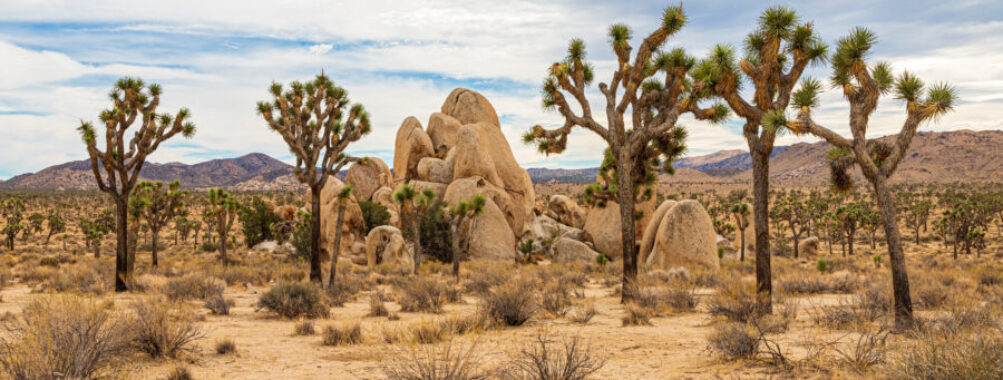
Where to Stay in Joshua Tree National Park: Best Areas & Hotels
Updated December 8, 2025
Trying to pick where to stay near Joshua Tree National Park? You’re not alone—it’s a sprawling place, nearly 800,000 acres, and each side has its own personality. The best base depends on how you want to experience the desert: Joshua Tree town puts you right by the park, Twentynine Palms is quieter and a bit more spread out, while Yucca Valley usually offers better prices and more practical amenities.
Here’s a straightforward guide to the top areas, handpicked hotels, unique rentals, and camping—so you can skip the endless scrolling and get to the good stuff. Consider this your shortcut for finding a spot that fits your style and budget.
Key Takeaways
- See which parts of Joshua Tree fit your trip style best
- Compare standout stays—hotels, glamping, and camping
- Get clear, bookable picks without the research spiral
Table of Contents
- Understanding Joshua Tree National Park Accommodations
- Lodging Options Inside vs. Outside the Park
- Key Park Entrances and Nearby Towns
- When to Book Your Stay
- Best Areas to Stay Near Joshua Tree National Park
- Joshua Tree Town
- Twentynine Palms
- Yucca Valley
- Pioneertown
- Top Hotels and Unique Lodgings
- AutoCamp Joshua Tree
- The Bungalows by Homestead Modern
- Pioneertown Motel
- Joshua Tree Inn
- Camping Inside Joshua Tree National Park
- Black Rock Campground
- Jumbo Rocks Campground
- Cottonwood Campground
- Glamping, Vacation Rentals, and Alternative Stays
- Chic Desert Retreats
- Pet-Friendly and Group Options
- Tips for Choosing the Perfect Base
- Best Areas for First-Time Visitors
- Staying on a Budget
- Access to Trails and Park Highlights
- Frequently Asked Questions
- What are the unique accommodations for a memorable experience in Joshua Tree?
- What lodging options are available for families visiting Joshua Tree with children?
- Are there convenient places to stay inside Joshua Tree National Park itself?
- Where should one stay around Joshua Tree to enjoy the best stargazing opportunities?
- Can you recommend boutique hotels or inns with local charm near Joshua Tree?
- What’s the difference between staying in Joshua Tree versus 29 Palms regarding amenities and access to the park?
- Book Your Dream Experience
- More Travel Guides
Understanding Joshua Tree National Park Accommodations
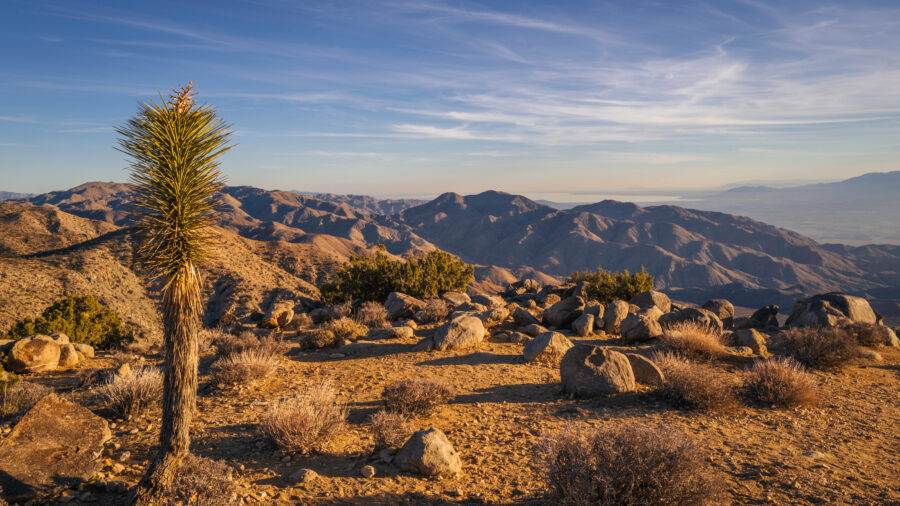
Finding a place to stay around Joshua Tree really comes down to how close you want to be to the action, your comfort needs, and your budget. The area has everything from classic campsites under the stars to sleek Airstreams and creative rentals tucked against boulders.
Lodging Options Inside vs. Outside the Park
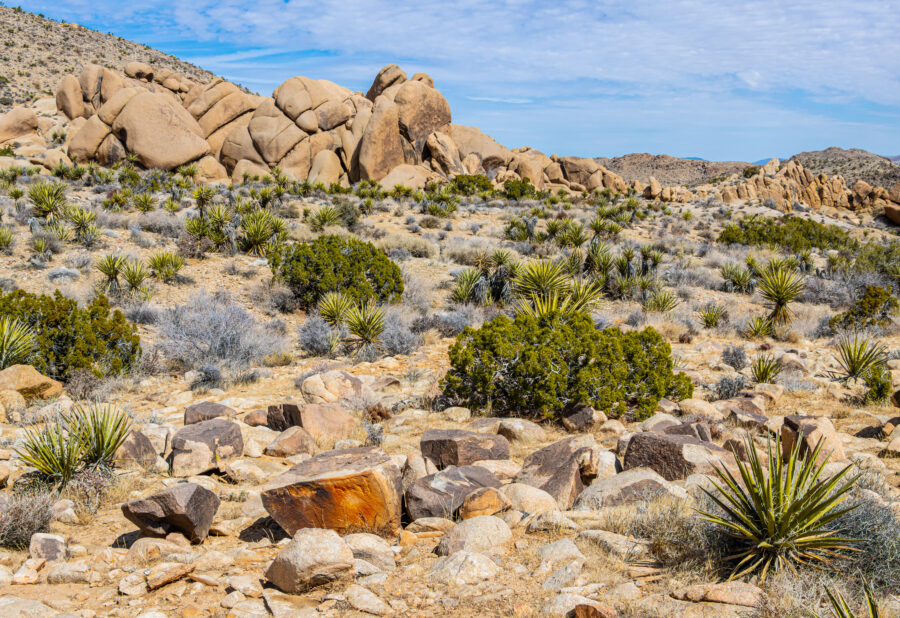
Inside Joshua Tree National Park, you won’t find hotels—just nine campgrounds scattered across the desert landscape. Most sites have no power or water, so you’ll need to bring your own supplies. If you’re after true quiet and mind-blowing stars, this is it. Just remember, it gets cold fast after sunset—bring layers.
Outside the park, you get options. The town of Joshua Tree has small inns, creative rentals, and cabins. Twentynine Palms leans more traditional, with chain motels and mid-range hotels right by the north entrance.
Yucca Valley has practical, mid-priced hotels, groceries, restaurants, and often a slightly better deal. For glamping, AutoCamp Joshua Tree and stylish Airbnbs like Folly Joshua Tree bring the flair, but they book up quickly.
Key Park Entrances and Nearby Towns
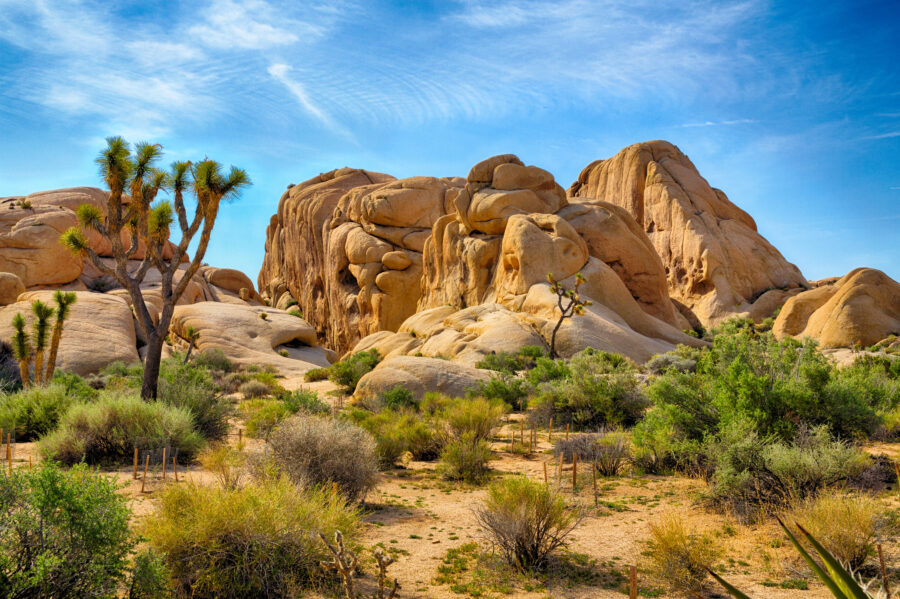
There are three main entrances: West (Joshua Tree), North (Twentynine Palms), and South (Cottonwood). The west entrance (Joshua Tree) is busiest and closest to town—perfect if you want to duck in and out for hikes or coffee. The north gate (Twentynine Palms) is quieter, with easier access to less-traveled trails.
Quick reference:
| Entrance | Nearby Town | Best For | Distance from Los Angeles |
|---|---|---|---|
| West | Joshua Tree | Central location, cafes, short hikes | ~130 miles |
| North | Twentynine Palms | Quieter, larger lodging options | ~140 miles |
| South | Cottonwood | Closest for road trippers from I‑10 | ~160 miles |
Palm Springs and Palm Desert are about an hour away if you want resort comforts and don’t mind driving in for the day.
When to Book Your Stay
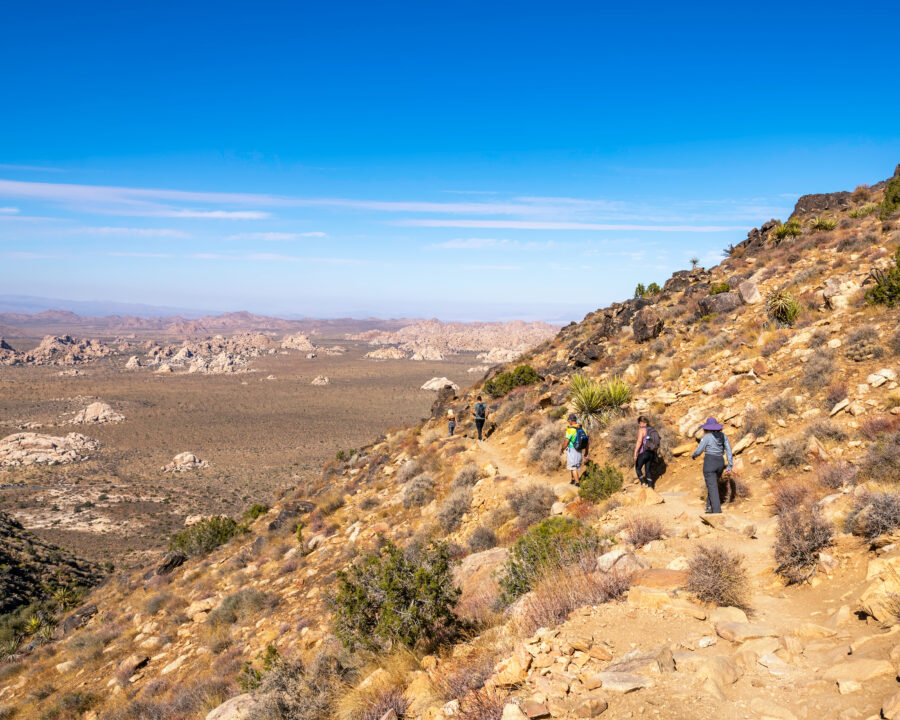
Book early, especially from October to May (peak season). Campgrounds open reservations six months ahead and fill up fast on weekends. Shoulder seasons—late September or early June—bring cooler temps and fewer crowds.
If you’re flexible, weekdays often mean you can snag a walk-up camping spot. For hotels and Airbnbs, aim for 6–8 weeks out, longer if it’s spring wildflower season or a holiday weekend.
I once procrastinated and got stuck in a roadside motel miles away—not ideal. The desert rewards planners.
Best Areas to Stay Near Joshua Tree National Park
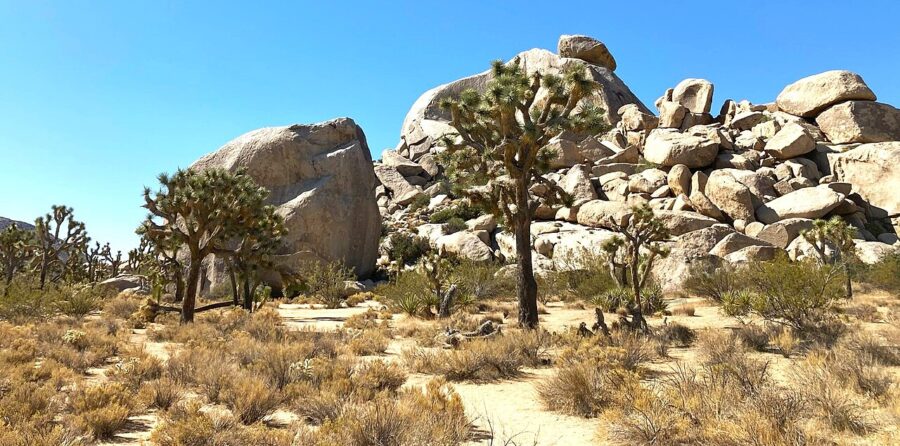
Every area around Joshua Tree has its own flavor—quiet desert views, local art, or easy park access. Expect a mix of creative communities, family-friendly spaces, and a bit of that classic high desert edge.
Joshua Tree Town
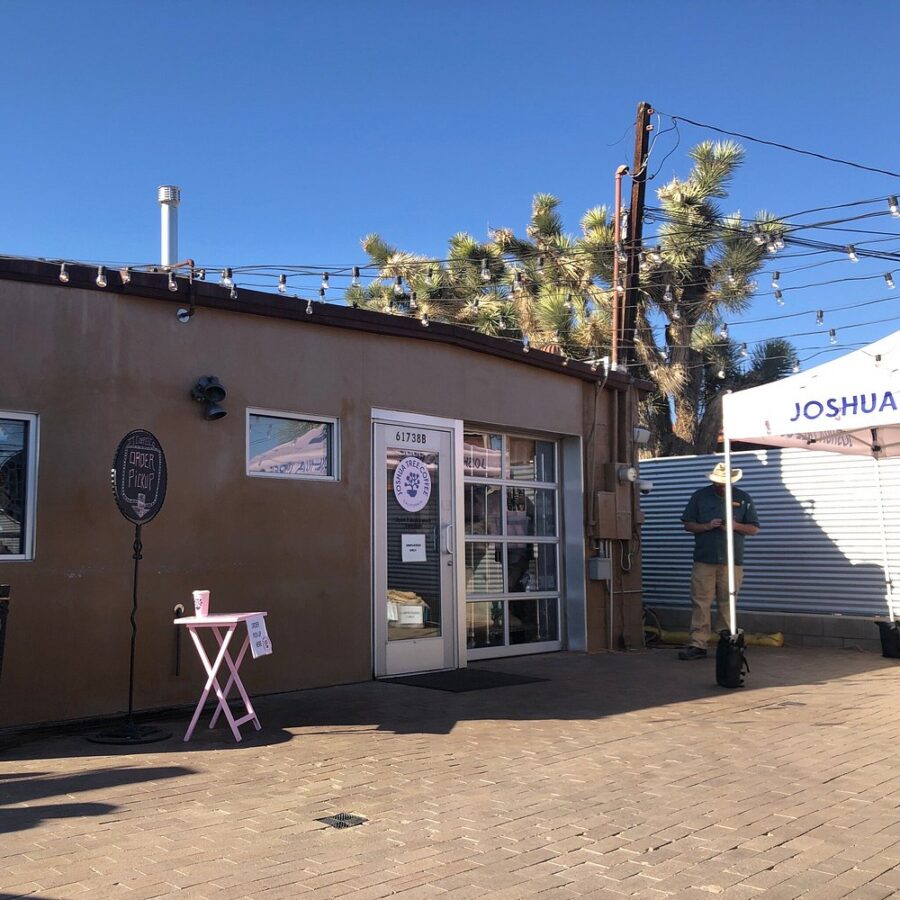
Right by the park’s west entrance, Joshua Tree Town is all about convenience. You can grab a coffee at Joshua Tree Coffee Company and be on a trail twenty minutes later. The town has a laid-back energy, with art galleries, vintage shops, and a few taco stands.
A lot of inns and Airbnbs blend desert minimalism with quirky design—think mid-century finds, outdoor tubs, and string lights under the stars. If you want that “off-grid but still online” vibe, this is your spot. You’re also close to things like the Joshua Tree Music Festival and the Noah Purifoy Outdoor Desert Art Museum.
Parking’s easy, but roads get busy at sunset—everyone’s chasing that golden hour. If you can, stay close enough to walk into town at night; it’s a different world under the stars.
Twentynine Palms
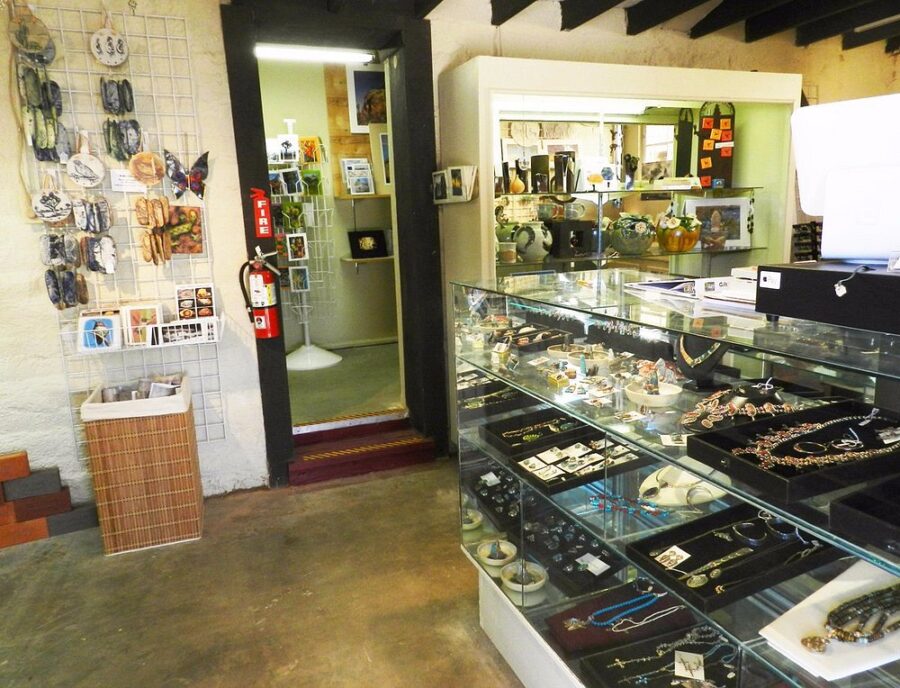
A few miles north of the park’s main entrance, Twentynine Palms feels more open and relaxed. It’s a favorite for families and folks who want a little more space and often better rates. You’ll find motels, chain hotels, and vacation rentals that work well for groups.
It’s more of a local hub than you’d expect—plenty of restaurants and shops. Grab breakfast at John’s Place or check out the 29 Palms Art Gallery for a dose of local creativity.
If you’re curious about desert history, the Oasis of Mara gives a glimpse into how people survived out here. Stargazing is excellent—low light pollution, and you might hear coyotes at night, which somehow just fits.
Yucca Valley
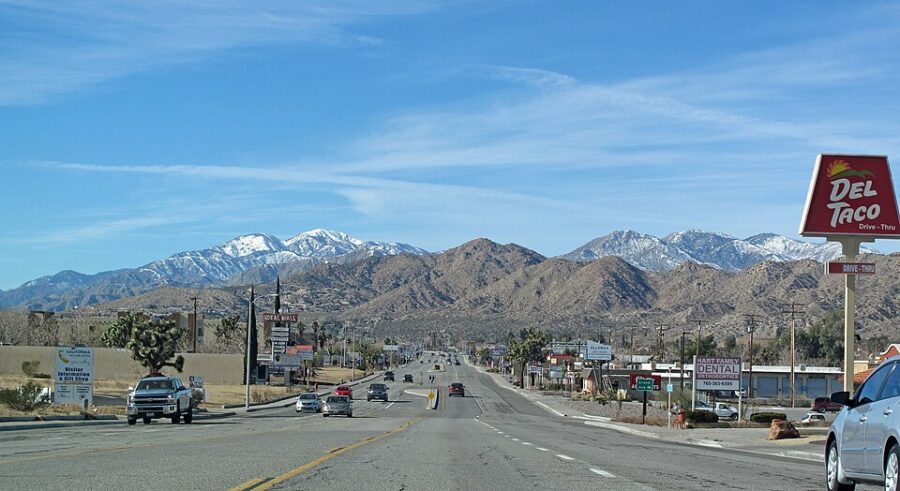
West of Joshua Tree Town along Highway 62, Yucca Valley is bigger and busier. If you want easy access to groceries, gear shops, and quick eats, this is practical. Stock up at Stater Bros. or poke around in thrift stores that locals swear by.
You’ll find everything from chain hotels to quirky homes with modern touches. Prices are usually a little lower than in Joshua Tree Town, especially during festival season. It’s a smart base if you plan to check out Pioneertown or Desert Hot Springs, too.
The higher elevation keeps things a bit cooler, and sunsets here can be incredible. Honestly, it’s underrated for a quiet work trip—reliable Wi‑Fi and slow mornings.
Pioneertown
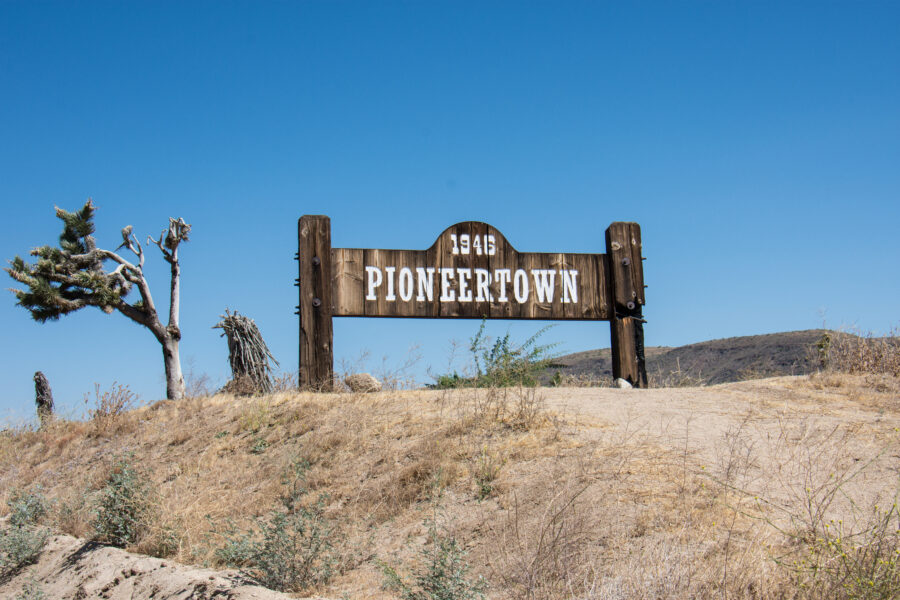
Originally built as a 1940s movie set, Pioneertown is now a mix of old-west charm and creative energy. You can wander the wooden main street, past old facades that once starred in westerns—some are now shops or studios.
The main draw is Pappy & Harriet’s, a legendary live-music bar and restaurant. Musicians sometimes show up unannounced, and the vibe is always genuine.
Lodging is limited—mostly ranch-style inns and private rentals—but if you want silence and wide-open views, it’s worth it. It feels a bit wilder here, and that’s exactly the appeal. You’re about 20 minutes from both Joshua Tree and Yucca Valley, so it’s more convenient than it looks.
See Related: The Top Vacation Spot in the World: Discover the Ultimate Destination
Top Hotels and Unique Lodgings
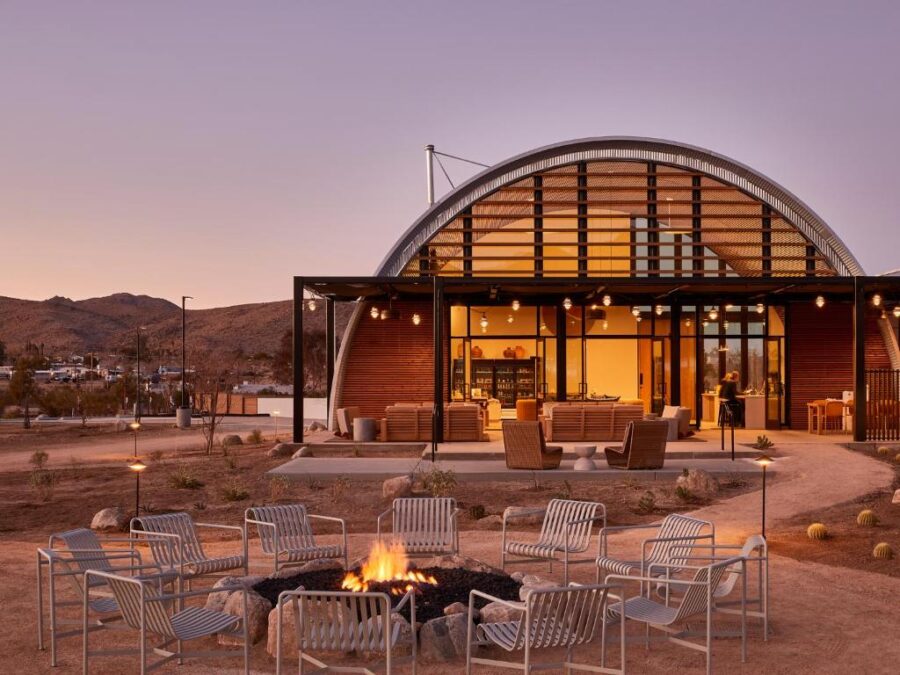
In Joshua Tree, comfort isn’t just about the bed—it’s how the design and setting mesh with the desert’s rhythm. Some places are sleek and modern; others are all quirky charm with stories in every corner.
AutoCamp Joshua Tree
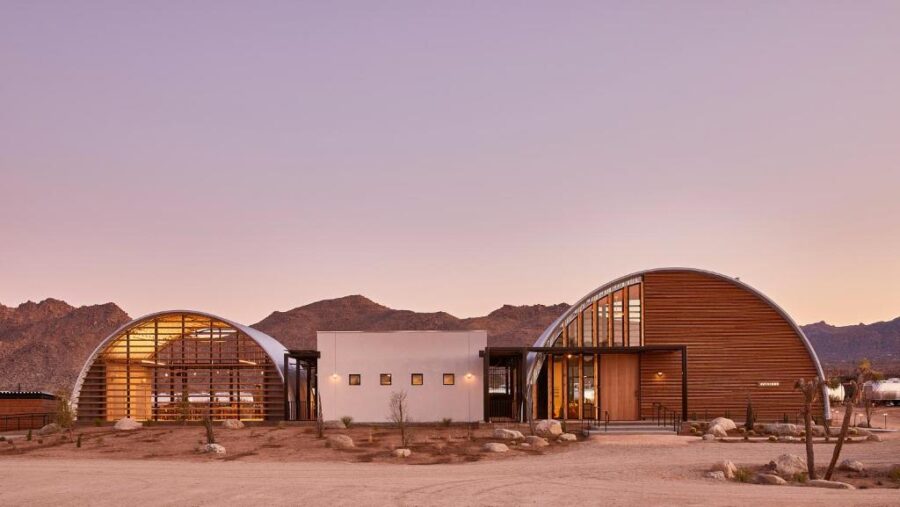
AutoCamp blends boutique style with outdoor comfort. You’ll sleep in custom Airstreams or bright cabins that feel more like tiny homes. Each has spa-style bathrooms, kitchenettes, and private patios for stargazing.
The shared clubhouse is a highlight—modern, open, with a pool and fire pits. Borrow a bike, join a yoga class, or catch a movie night under the stars.
If you want the national park feel but not the roughing-it part, this is a sweet spot. It’s about ten minutes from the West Entrance but feels tucked away.
Best for: Travelers who want style, comfort, and a bit of nature.
The Bungalows by Homestead Modern
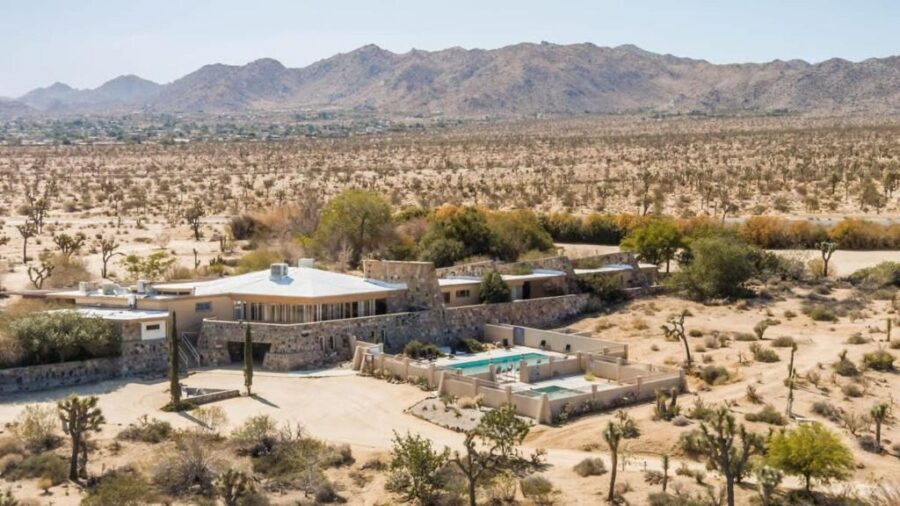
Set at the Joshua Tree Retreat Center, The Bungalows channel mid-century desert architecture. Studios and one-bedrooms come with floor-to-ceiling glass, concrete floors, and private patios.
Each has a kitchenette for simple meals and access to the center’s pool and walking paths. It’s peaceful and leans more toward reflection than entertainment. Staff often point out local art installations nearby.
Best for: Guests who value calm, thoughtful design and architecture.
Pioneertown Motel

Built in the 1940s for film crews, Pioneertown Motel keeps the old desert spirit alive. Rooms are simple and spotless—modern beds, vintage wood, and the occasional cactus on a windowsill. It’s right by Pappy & Harriet’s, so you can wander over for live music.
At night, walk out back and watch for satellites in the dark sky. It’s not trying to be fancy—just honest, with a bit of that wild-west edge.
Best for: Music lovers and anyone who wants real desert history.
Joshua Tree Inn
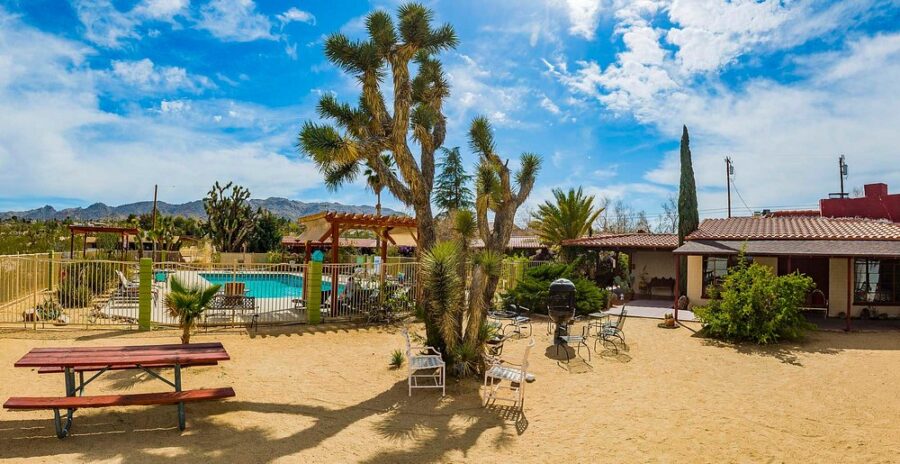
Joshua Tree Inn is full of character. This adobe-style inn from the 1950s has just eleven rooms, each with its own patio and little touches like handmade tiles and local art.
The pool is shaded by palms, and mornings start with a simple breakfast. Some guests book Room 8 for its music history—Gram Parsons stayed here, and that story lingers. The vibe is laid-back and personal.
Best for: Travelers drawn to creativity, history, and a slower pace.
Camping Inside Joshua Tree National Park
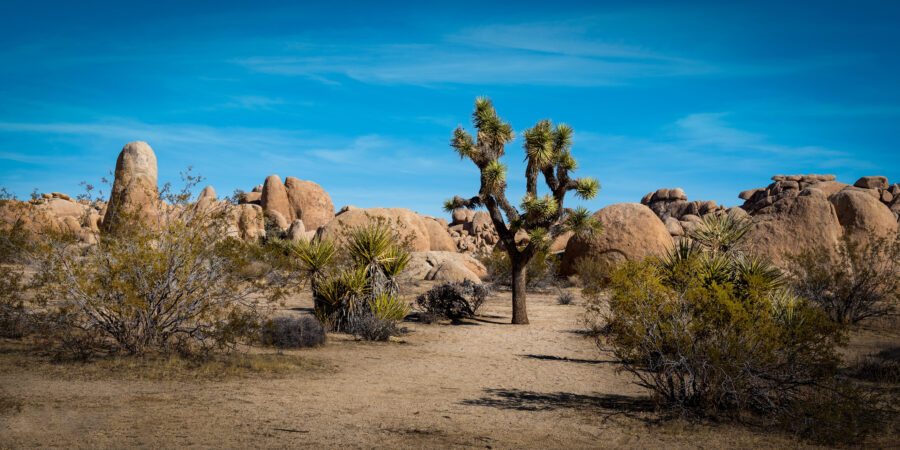
Camping in the park means waking up to huge skies, granite boulders, and mornings that start with nothing but wind and birds. Each campground has its own feel and amenities.
Black Rock Campground
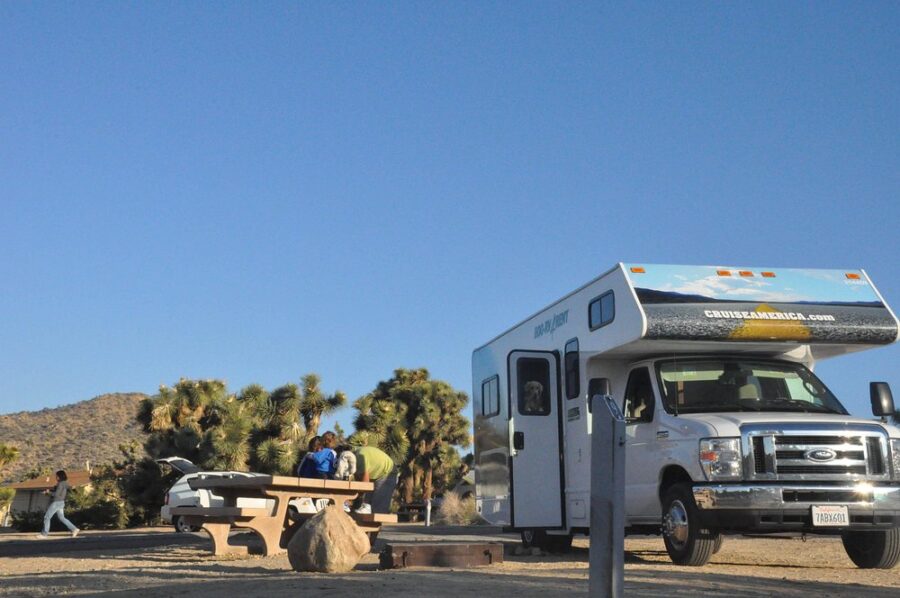
Black Rock sits near Yucca Valley, so you get easy access to town with the full desert experience. There are 99 sites with water, flush toilets, fire grates, and tables. It’s one of the few with a dump station and spots for small RVs.
If you want a bit of comfort, Black Rock makes sense. You can resupply or grab food in town without losing that remote vibe. Cell service is usually better here than elsewhere in the park, which helps if you’re coordinating hikes or checking the weather.
What stands out at Black Rock is the scenery. Unlike the rocky landscapes at Hidden Valley or Belle, this area has thick Joshua tree groves and rolling hills that look different every sunrise.
Jumbo Rocks Campground
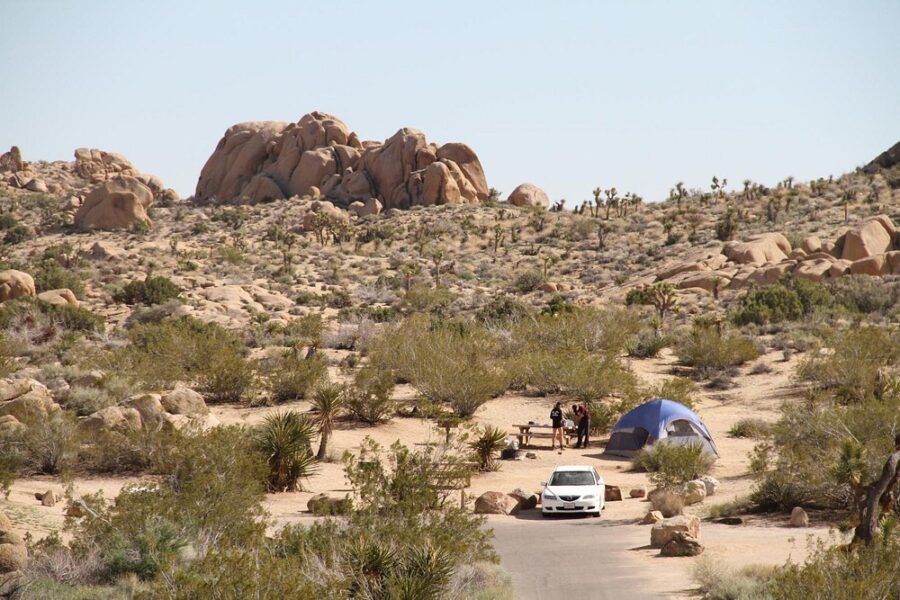
Jumbo Rocks lives up to its name—giant, sun-bleached boulders everywhere, stacked in wild formations. It’s one of the largest campgrounds in Joshua Tree, with 120+ sites that draw photographers and climbers looking for that classic desert backdrop.
There’s no water here—just pit toilets, picnic tables, and fire rings. But honestly, that’s part of the experience. Nights get pitch black, so the stargazing is unreal.
At sunrise, the rocks turn this wild orange against the deep blue sky. Bring all your water and firewood from town; the closest supplies are outside the park.
Centrally located, Jumbo Rocks makes it easy to drive to Ryan, Belle, or White Tank Campgrounds if you want to check out different areas.
Cottonwood Campground

Cottonwood sits at the park’s southern edge, right by the Cottonwood Visitor Center. It’s smaller and quieter, with 62 sites, running water, flush toilets, and a nearby dump station. The landscape here is more open desert, with fewer boulders, and when the spring wildflowers show up, it’s something you won’t forget.
This is the only major campground close to the Colorado Desert section, which feels warmer and lower than the Mojave side. In winter, those few extra degrees can make a big difference at night.
Cottonwood is perfect if you want peace and fewer crowds. The Lost Palms Oasis hike is nearby, or you can just sit and watch the light shift across the open basin. Bring your own shade—there isn’t much.
Glamping, Vacation Rentals, and Alternative Stays
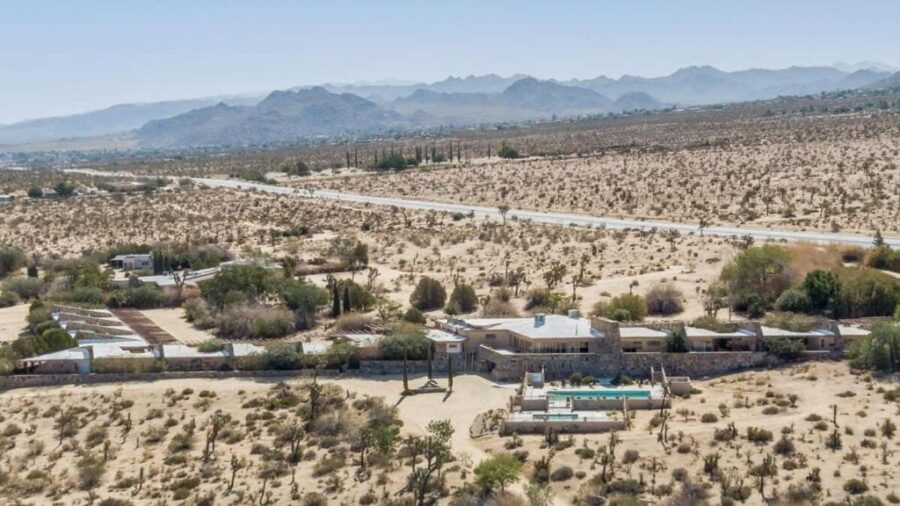
Staying outside Joshua Tree can be just as memorable as camping in the park. You’ll find places that blend comfort with desert charm—think A/C, design-focused cabins, and vintage trailers that make you forget you’re minutes from the park gates.
Chic Desert Retreats

If you want style and quiet, a few spots really stand out. AutoCamp Joshua Tree is basically a boutique hotel built from shiny Airstreams, all set around a sleek clubhouse and pool. It’s not cheap, but if you like sleeping in the desert with espresso and Wi-Fi, it delivers.
Mojave Sands Motel offers a mid-century vibe—poured-concrete tubs, reclaimed furniture, and a tiny courtyard where the wind is about all you hear at night. If you’re looking for something with a little character instead of a generic chain, this is it.
For something more modern, The Bungalows by Homestead Modern in Yucca Valley has that clean, architectural look, plus practical perks—private patios, outdoor showers, even soaking tubs with hill views. It’s the kind of place where you’ll want to wake up for sunrise.
| Stay Type | Location | Style / Perks |
|---|---|---|
| AutoCamp Joshua Tree | Near Park Entrance | Airstreams, clubhouse, pool |
| Mojave Sands Motel | Joshua Tree Town | Retro design, peaceful courtyard |
| The Bungalows by Homestead Modern | Yucca Valley | Modern units, luxury details |
Pet-Friendly and Group Options
Lots of desert rentals cater to groups and pet owners. Honestly, sharing a house out here often makes more sense than booking a bunch of hotel rooms—especially with fire pits and outdoor lounges for hanging out after dark.
Wild Wolf Ranch and Dome on the Range are vacation rentals near the park that allow dogs and have private hot tubs and fenced yards. Most require a two-night minimum, but give you space for kids or friends.
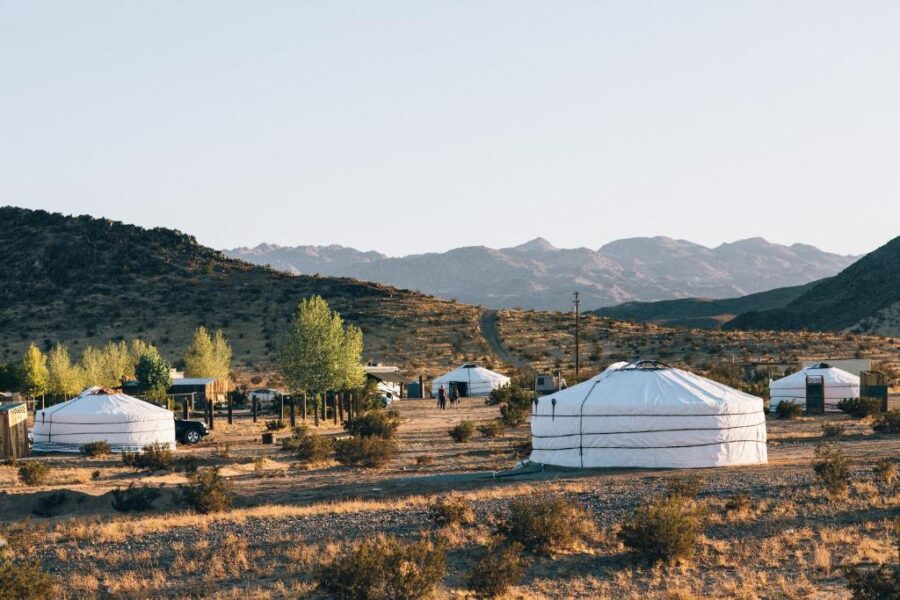
Many glamping setups—like the yurts at 28 Palms Ranch or tents at Castle House Estate—also accept pets for a small fee. Just keep pets close after dark; desert wildlife moves fast.
If you’re rolling in with an RV or camper, some private campgrounds now offer extras like outdoor kitchens and Wi-Fi. It’s still rustic, but you get a few comforts without going full glamp.
See Related: Best Winter Destinations in the US: Snowy Escapes You Can’t Miss
Tips for Choosing the Perfect Base
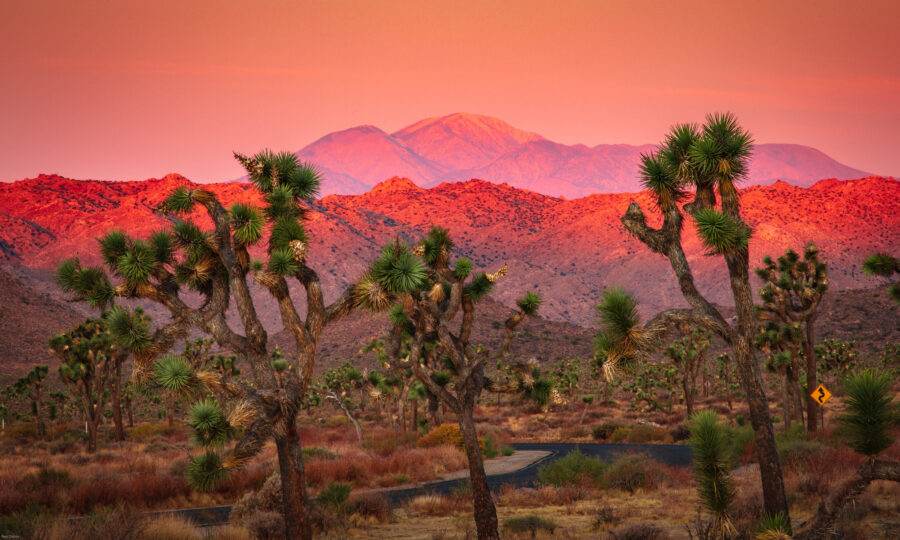
Where you stay near Joshua Tree National Park really depends on your style. Some spots give you easy park access and local flavor, others focus on comfort, price, or just quiet desert views.
Best Areas for First-Time Visitors

For your first trip, Joshua Tree Village is the easiest base. It’s just outside the west entrance, with cafés, gear shops, and little art studios. You can head out early for sunrise at Hidden Valley or drive straight to Keys View before the parking lots fill up.
If you’re not used to the desert, staying near town is smart. Cell service drops inside the park, so being close to restaurants and groceries helps. Check affordable accommodations ahead of time—unique cabins and rentals book up fast.
Palm Springs is another option if you want more amenities. It’s about 45 minutes away, but you get city comfort and can still do easy day trips.
Staying on a Budget
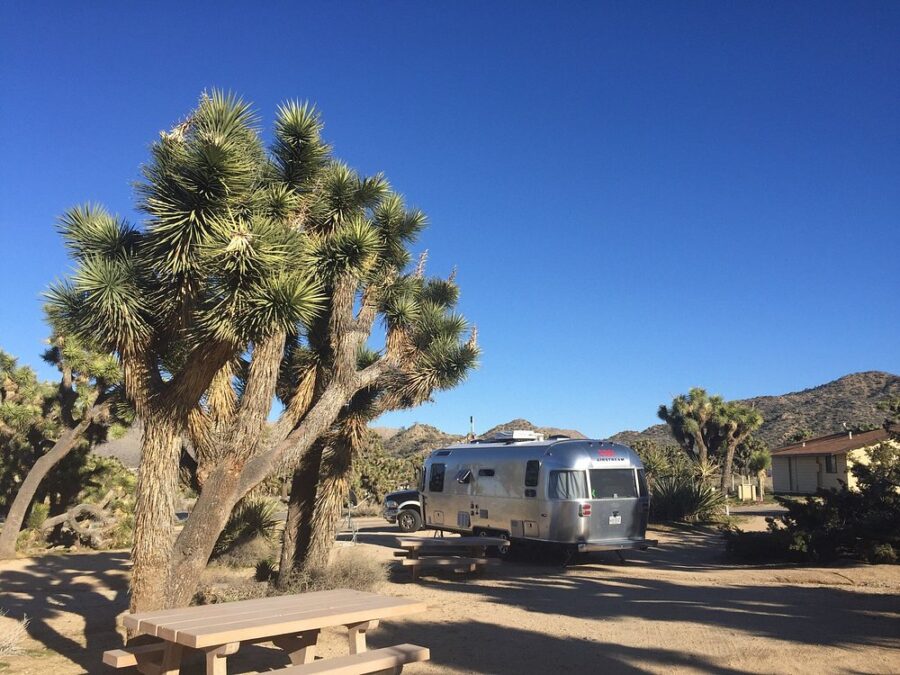
You don’t have to splurge to stay near Joshua Tree. Camping inside the park at Black Rock Campground is affordable, with restrooms, fire rings, and short trails nearby. The night sky is incredible, but pack layers—the cold sneaks up on you.
Outside the park, look at Twentynine Palms. It’s laid-back and cheaper than Palm Springs. Motels are basic but clean, and there are plenty of diners for post-hike meals.
If you’re flying in, compare cheap flight tickets or use flight search tools to cut travel costs. Renting a car is still the best way to get around—the area’s public transport is almost nonexistent.
Access to Trails and Park Highlights

If hiking tops your list, stay near a park entrance. The West Entrance near Joshua Tree Village puts you close to Hidden Valley and Ryan Mountain. The North Entrance by Twentynine Palms is better for uncrowded areas like the Wonderland of Rocks and the Cholla Cactus Garden.
I usually recommend the west side for easy access to major viewpoints. If you want more solitude, the north side feels emptier and wilder.
Check maps and lodging on Expedia to find places near your favorite trailheads. Planning is key in the desert, especially if you want to catch sunrise over the rocks.
See Related: Most Underrated National Parks in the World
Frequently Asked Questions
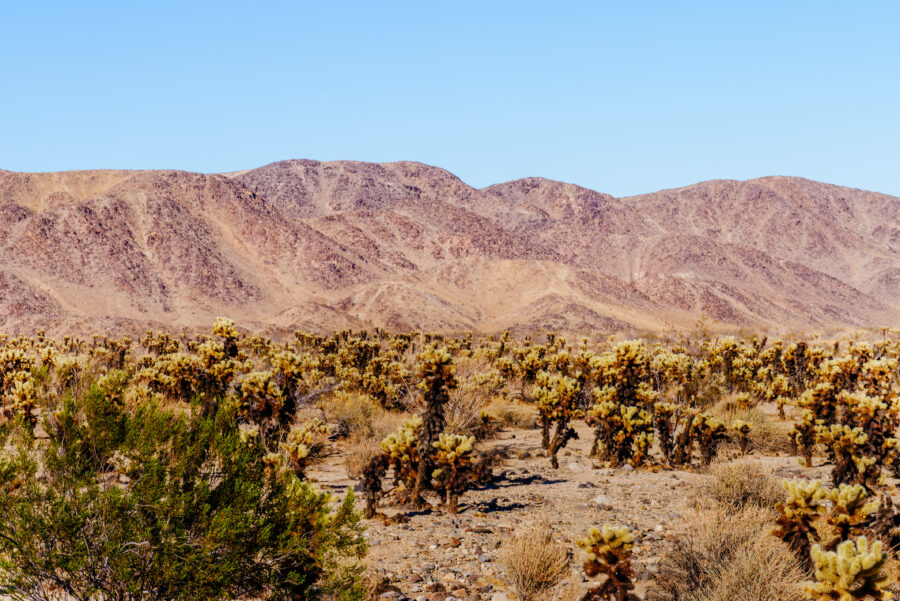
Joshua Tree has a huge range of places to stay, from off-grid cabins to family campgrounds. Your best option depends on what you want—comfort, outdoor adventure, or open skies for stargazing.
What are the unique accommodations for a memorable experience in Joshua Tree?
For something unusual, Folly Joshua Tree blends futuristic desert design with off-grid tech, outdoor soaking tubs, and rooftop stargazing beds. It’s not cheap, but it feels like an art project you can sleep in.
On the budget-but-stylish end, AutoCamp Joshua Tree lets you stay in a renovated Airstream with your own fire pit. You can book guided desert tours or day trips through travel activities if you want to explore beyond your rental.
What lodging options are available for families visiting Joshua Tree with children?
Families usually go for larger vacation rentals or one of the park’s campgrounds, like Hidden Valley or Jumbo Rocks. These spots give kids room to roam but keep you close to restrooms and picnic tables.
AutoCamp and Black Rock Canyon also work if you want comfort and a little space. Groceries and casual restaurants in Joshua Tree and Yucca Valley make it easy to feed everyone after a day outside.
Are there convenient places to stay inside Joshua Tree National Park itself?
Yes, but expect minimal amenities. The park has nine campgrounds, and only Cottonwood and Black Rock have water and flush toilets. Everything else is pretty bare-bones.
There are no hotels inside the park, so for a real bed and shower, look to Joshua Tree Village, Twentynine Palms, or Yucca Valley just outside the boundaries.
Where should one stay around Joshua Tree to enjoy the best stargazing opportunities?
The farther you are from town lights, the better the stars. The park’s east side near Cottonwood or areas outside Twentynine Palms usually have the darkest skies. Some rentals even offer telescopes or roof decks for Milky Way watching.
You can also join organized night sky walks or guided tours to learn about constellations while you’re out there.
Can you recommend boutique hotels or inns with local charm near Joshua Tree?
In town, smaller inns like the Joshua Tree Inn and Pioneertown Motel keep that relaxed desert feel. Many date back to the mid-1900s and still show off their original character.
If you want something more modern but still personal, a handful of locally owned guesthouses mix rustic style with clean design—often adding outdoor soaking tubs or patios that look out toward the boulders.
What’s the difference between staying in Joshua Tree versus 29 Palms regarding amenities and access to the park?
Staying in Joshua Tree puts you near the West Entrance, with quick routes into the park and plenty of art galleries, coffee spots, and quirky shops. The town’s got more energy, and rentals often lean creative or boho.
Twentynine Palms sits closer to the North Entrance. Here, you’ll mostly see chain hotels and a simple, practical atmosphere—perfect if you want something easy and direct for park access. The two towns are only about 15 minutes apart, so honestly, you can pick based on your style and still have a smooth trip.