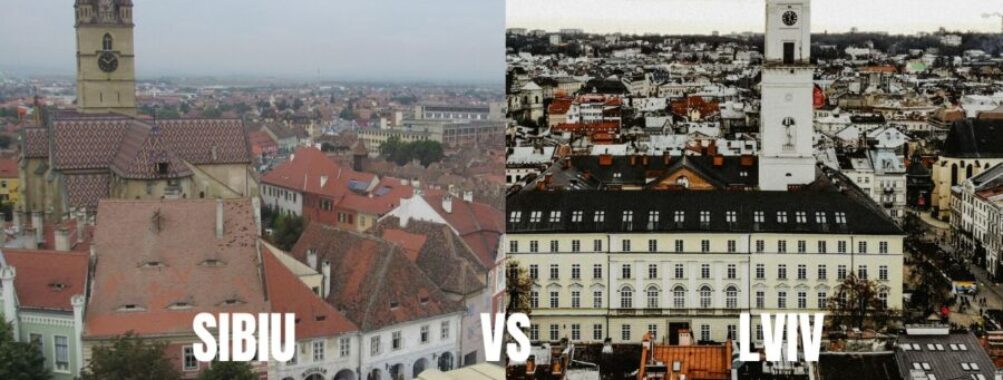
Sibiu vs Lviv: 2026 Cost, Lifestyle & Insider Comparison Guide
Updated September 3, 2025
Picking between Sibiu and Lviv? It’s not just about dropping a pin on the map—these two cities have their own flavors, quirks, and price tags. Honestly, Sibiu costs about 34% more than Lviv, so your money stretches a lot further in Ukraine. That means you can cover the basics—housing, food, fun—without sweating every expense.
But prices are only part of the story. Sibiu leans hard into its Transylvanian Saxon heritage with those storybook cobbled squares and fortified churches. Lviv, though, is all about that café life—seriously, even a quick espresso feels like a mini event. Getting around is pretty easy in both places, but trust me, bringing the right travel gear helps more than you’d think.
Whether you’re renting a place, grabbing dinner out, or just catching a tram, you’ll quickly get a sense of which city fits your vibe. It’s really all about what you want out of your time—do you crave culture, savings, convenience, or maybe a little of everything?
Table of Contents
- Key Takeaways
- Cost of Living Breakdown
- Overall Affordability
- Daily Expenses Comparison
- Price Trends in 2025
- Dining and Food Prices
- Restaurants and Eating Out
- Supermarket Staples
- Beverages and Alcohol Costs
- Housing and Accommodation
- Renting in the City Centre
- Apartment Prices Outside Centre
- Buying Property Insights
- Transportation and Getting Around
- Public Transport Options
- Taxi and Ride Services
- Owning and Operating a Car
- Utilities and Connectivity
- Monthly Utility Costs
- Internet and Mobile Plans
- Lifestyle, Shopping, and Leisure
- Clothing and Footwear
- Fitness and Sports Activities
- Entertainment and Culture
- Family and Education
- Childcare and Preschool
- International Schooling Options
- Travel Between Sibiu and Lviv
- Train Routes and Tips
- Bus Travel and Booking
- Travel Planning Advice
- Frequently Asked Questions
- What are the top cultural attractions to visit in Sibiu compared to those in Lviv?
- How does the dining experience in Lviv differ from that in Sibiu, considering local cuisine specialties?
- Can you highlight the differences in the historical significance between Lviv and Sibiu?
- What unique seasonal events or festivals are must-sees in Sibiu and Lviv?
- When comparing accommodations, what are the distinctive lodging experiences available in Lviv versus Sibiu?
- How do the transport options for getting around and exploring Sibiu contrast with those in Lviv?
- Book Your Dream Experience
- More Travel Guides
Key Takeaways
- Sibiu’s pricier than Lviv, no question
- Both cities have their own distinct culture and rhythm
- Having the right travel essentials makes life easier, trust me
Cost of Living Breakdown
Living in Sibiu or Lviv can feel like a bargain compared to most of Western Europe. Both cities keep housing, food, and public transport pretty affordable, but the details get interesting when you look closer at paychecks and daily spending.
Overall Affordability

If you’re earning local wages, Sibiu can feel a bit tight. Sure, the average salary is higher there than in Lviv, but so are prices—especially for groceries and eating out. Rent in Sibiu is still cheap by European standards, but you’ll usually pay more than you would in Lviv.
Lviv lets your money go further. Housing is a steal, utilities aren’t bad, and you won’t see your wallet empty out just from daily errands. Digital nomads and folks with income from abroad will find both cities a deal, but Lviv really stands out as the budget-friendly choice.
Romania’s a bit ahead on banking and credit, so if you’re thinking of a longer stay in Sibiu, you’ll find it easier to sort out cash flow or open a local account.
Daily Expenses Comparison
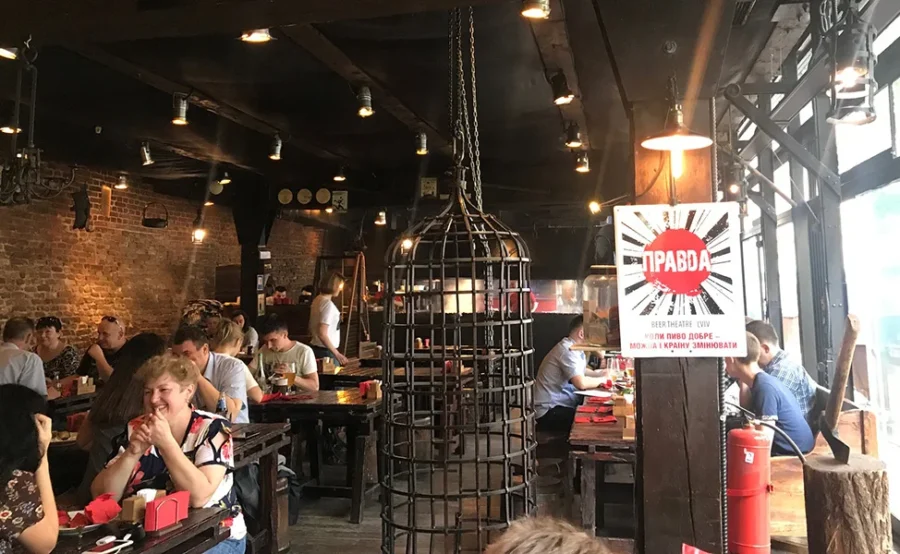
Daily costs? Sibiu’s restaurants and groceries run higher, especially if you like imported stuff. Coffee and casual bites are still a deal, but not quite Lviv-cheap.
In Lviv, eating out every day won’t break the bank. Whether it’s a quick lunch, groceries, or a night out, you’ll spend less than in Sibiu. Public transport is cheaper too, though you might find the buses and trams a bit more packed and, well, a little less shiny.
Thinking long-term? Health coverage matters. Loads of travelers in both cities get travel insurance since local healthcare can be a headache for foreigners. It’s a small cost, but it’s smart to budget for it.
Price Trends in 2025

Both cities have seen prices inch up, but Lviv’s felt inflation more in the past year. Food and utilities in Ukraine jumped, while Sibiu’s price hikes have been steadier and easier to predict. Still, even with the increases, Lviv stays cheaper overall.
Salaries in Sibiu are rising, just not fast enough to erase that higher cost of living. Locals sometimes feel squeezed, even if expats with foreign income find it a breeze. Meanwhile, Lviv’s wages are lower, so locals there juggle a bit more to make ends meet.
If you’re planning ahead, Sibiu should stay pretty stable with slow price rises. Lviv might keep bouncing around, especially if the regional economy shifts. For travelers, both cities are a win, but Sibiu’s got the edge for stability, while Lviv is the obvious choice if you’re chasing up-front savings.
Dining and Food Prices
Eating out or shopping for groceries in Sibiu and Lviv? You’ll get two totally different experiences. Lviv’s restaurants are way easier on your wallet, but supermarket prices can swing depending on your shopping list. Drinks—both soft and boozy—also show some wild price gaps.
Restaurants and Eating Out
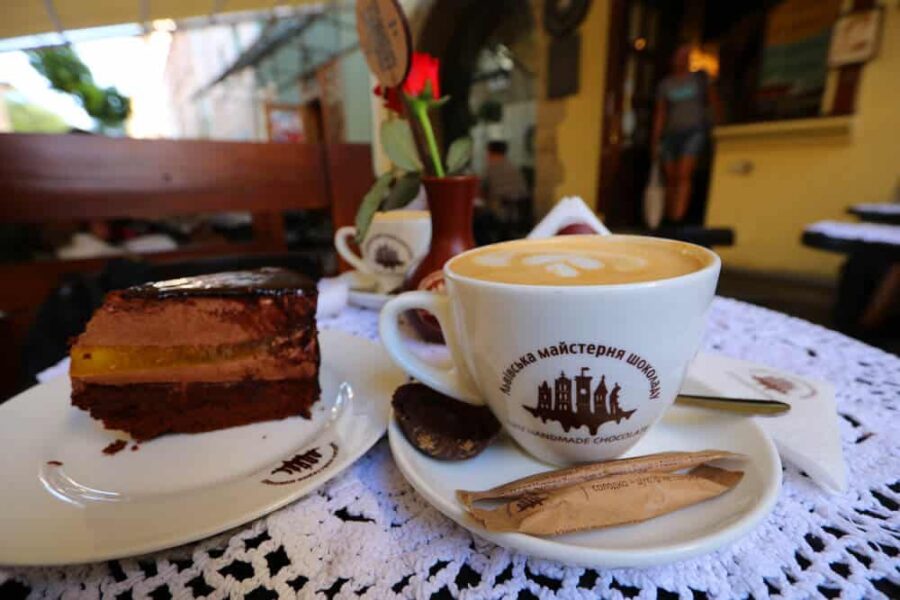
If you love eating out, Lviv will make you smile. A meal at an inexpensive restaurant there runs about 300₴ (31.6 lei), while Sibiu’s equivalent meal hits 50 lei. That’s a pretty big gap if you’re eating out often.
Dinner for two at a mid-range place? In Lviv, you’ll pay around 1,200₴ (126 lei), but Sibiu bumps that up to 175 lei. Even a McMeal at McDonald’s is less in Lviv—roughly 240₴ (25 lei) versus 32.5 lei in Sibiu.
Coffee fans, brace yourselves. A cappuccino in Lviv is about 65₴ (6.9 lei), but in Sibiu, it’s nearly double at 14 lei. If you’re like me and can’t skip your daily fix, that adds up.
Supermarket Staples

Local markets show some fun swings in prices. A fresh loaf of white bread comes in at 3.2 lei in Lviv, but 5.4 lei in Sibiu. Eggs? About 8 lei a dozen in Lviv, 14.4 lei in Sibiu.
But it’s not all one-way. Rice and local cheese are a bit pricier in Lviv—38 lei per kilo for cheese, compared to 34 lei in Sibiu. Produce is a mixed bag: apples, bananas, and potatoes are cheaper in Lviv, but tomatoes and lettuce can actually cost you more there.
Meat eaters, pay attention—chicken fillets are cheaper in Lviv, while beef round prices are more or less matched between the two. Grocery shopping really depends on your habits.
Beverages and Alcohol Costs
Drinks? That’s where things get interesting. A small bottle of water is under 2 lei in Lviv, but nearly 8 lei in Sibiu. Coke or Pepsi? 2.7 lei in Lviv, over 9 lei in Sibiu.
Alcohol’s a steal in Lviv. Domestic beer in a bar is about 6.3 lei, while Sibiu charges 12 lei. Imported beer? Sibiu’s more than double. Even supermarket wine averages 26 lei in Lviv, 30 lei in Sibiu.
And for smokers, wow—the price gap on Marlboros is huge. A pack runs 11.6 lei in Lviv but about 28 lei in Sibiu. That’s the kind of thing that really changes your monthly budget if you’re a regular.
Want more numbers? Check out Numbeo’s Sibiu vs Lviv cost of living breakdown.
Housing and Accommodation
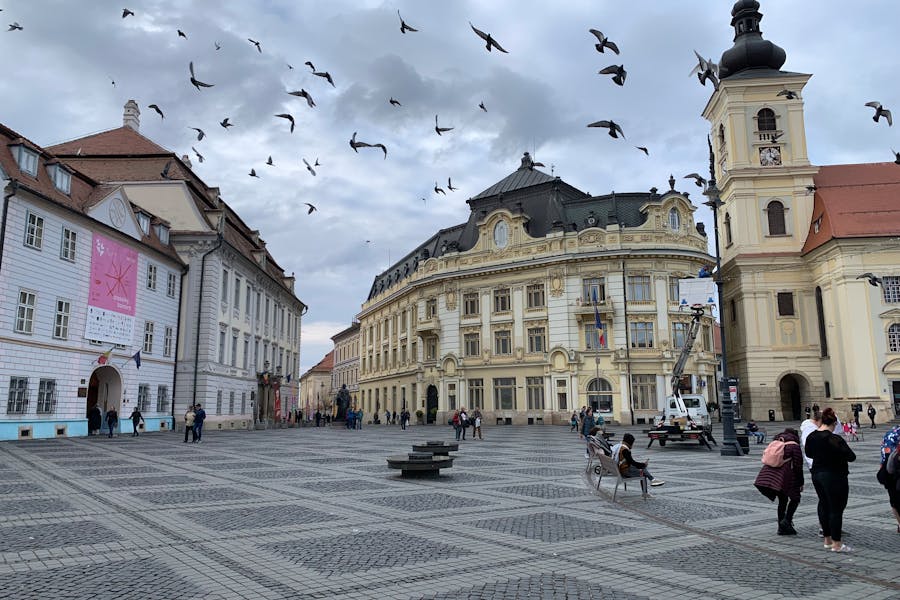
Looking for a place in Sibiu or Lviv? Your choice of neighborhood makes a big difference. The city center has a totally different vibe (and price) than the quieter outskirts. Type of building, apartment size, and renovation style all play a role too.
Renting in the City Centre
If the heart of Sibiu calls your name, think cobblestone lanes and centuries-old squares. Apartments here ooze charm—arched ceilings, wood beams, and those classic Piata Mare views. Expect to pay around €270 per month for a one-bedroom, or €460 for a roomy three-bedroom.
Lviv’s center is a better deal. Around Rynok Square, you’ll find everything from modern apartments to older Soviet-era blocks. Spacious flats in prime spots start from 25,000 UAH (about $655). Studios are cheaper, but they get snapped up fast by students and expats.
Not ready for a lease? No worries. You can always book short-term stays until you land something longer-term.
Apartment Prices Outside Centre
Move just a bit outside Sibiu’s medieval core, and rent drops. Studios average €190, while three-bedrooms hover around €330. These buildings are usually newer, with practical layouts and less tourist bustle.
Lviv’s outskirts follow the same trend. Neighborhoods outside the old town mean lower rents and bigger spaces. Locals love it—cheaper rent, more parking, and a quick tram ride to the center. Plus, it’s where you’ll find new high-rises with elevators, which are rare in the historic core.
If you’re staying for a while, this balance of comfort and cost makes the outer neighborhoods pretty tempting. Utility bills are also easier to handle in newer, less drafty buildings.
Buying Property Insights
Buying an apartment? You can do it in both cities, but the process (and prices) aren’t the same. Sibiu’s central apartments cost more per square meter—historic charm doesn’t come cheap. Newer developments on the edge of town are more affordable, but they lack that old-world flair.
Lviv’s property prices are lower overall, but they’re rising as the city gets more popular. If you’re thinking long-term, check the price per square meter by district—it can vary a lot.
Mortgages in Romania and Ukraine have higher rates than Western Europe, so most buyers pay cash if they can. If you’re considering a mortgage, talk to local banks early—foreigners face extra requirements.
Buying in either city is really about lifestyle. If you dream of owning a slice of Sibiu’s Old Town or a shiny apartment in Lviv’s growing suburbs, it’s worth a look.
Transportation and Getting Around
Getting around Sibiu and Lviv is an adventure in itself. Both cities have solid public transport, but the experience shifts depending on whether you’re catching a bus, flagging a taxi, or braving the roads in your own car.
Public Transport Options
Sibiu’s buses cover most of the city, and tickets are a bargain compared to Western Europe. A one-way ride costs less than a coffee, and if you’re sticking around, grab a monthly pass. The buses show up on time, but don’t expect luxury.
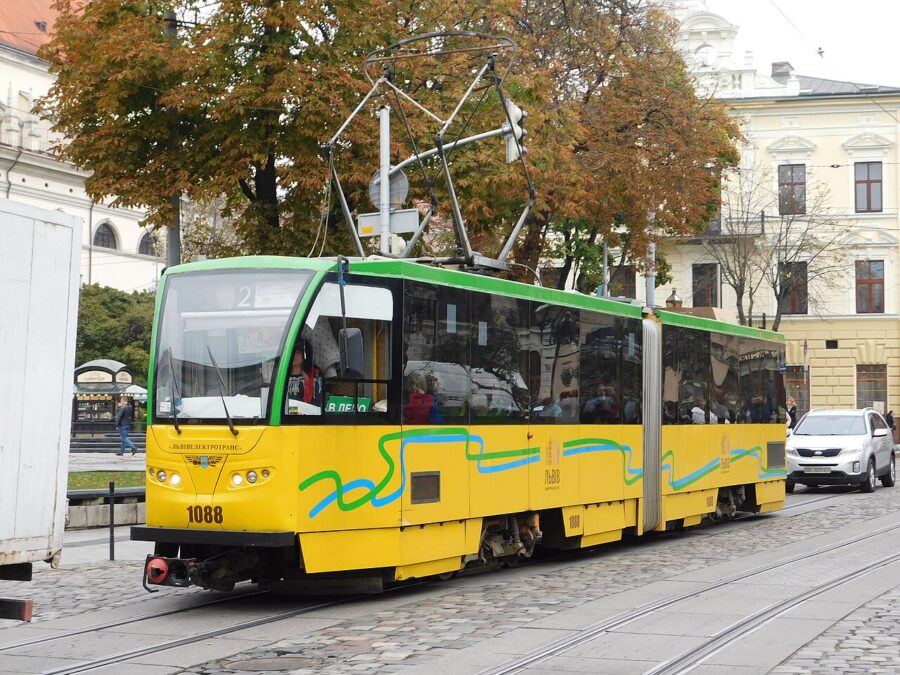
Lviv relies on trams and marshrutkas (those quirky minibuses). The trams rumble slowly through the city—honestly, they’re kind of charming. Marshrutkas can get crowded and a bit chaotic, but they’ll get you anywhere you need to go. Tickets are even cheaper than in Sibiu, but have some coins ready.
Traveling between Sibiu and Lviv? You’ve got long-distance buses and trains, but honestly, some travelers just book flights to save time. It’s not the most common route, but if you’re in a hurry, it’s worth a look.
Taxi and Ride Services
Flagging down a taxi in Sibiu is easy, and you can use Bolt there too. Prices feel fair, but I always double-check that the meter’s on.
A quick ride across town won’t break the bank, and most drivers are genuinely friendly. In Lviv, taxis cost even less, but locals avoid hailing them on the street.
Instead, folks stick to apps like Uklon or Bolt. The cars might not be shiny and new, but they’ll get you where you need to go.
If you’re used to Uber, you’ll feel right at home with these apps. One thing I have to mention—drivers in both cities sometimes play a bit loose with traffic rules.
It’s not exactly dangerous, just fast-paced. If that makes you nervous, maybe hop on a tram or bus instead.
Owning and Operating a Car
Driving around Sibiu isn’t too stressful, though parking near the old center can really test your patience. Fuel prices are reasonable, and you’ll spot plenty of compact models like the Volkswagen Golf or Toyota Corolla zipping through those narrow lanes.
They’re pretty much perfect for the city. Lviv, though, is a different story.
Roads can get bumpy, signs aren’t always obvious, and rush hour traffic can be a slog. Owning a car makes sense if you’re living outside the center, but most visitors skip it.
If you do rent a car, something like a Toyota Corolla sedan will be comfortable enough for longer trips. Just brace yourself for slow border crossings and, honestly, a driving style that’s a bit more… creative than you might expect.
If you’re not used to Eastern European roads, public transport will probably save your nerves.
Utilities and Connectivity

Settling into a new city, the basics—electricity, heating, and internet—can make or break your experience. Prices differ between Lviv and Sibiu, but honestly, what matters most is how reliable and predictable things are once you’re there.
Monthly Utility Costs
Right now, household utilities in Lviv stay relatively steady. Electricity runs about 4.32 UAH per kWh during the day, with a cheaper 2.16 UAH per kWh at night if you’ve got a two-zone meter.
Gas prices hover around 7.96 UAH per m³, and water subscriptions range from 20.69–32.83 UAH per month depending on your meter, according to local tariff updates.
Heating is the wild card in Ukraine. Winters drag on, and older Soviet apartments don’t always have great insulation, so your gas bill can spike.
Garbage collection usually just gets rolled into building fees, so you won’t really notice it. Sibiu, meanwhile, falls right in line with typical EU pricing.
Utility bills for a standard apartment can run 40–50% higher than Lviv. Heating costs, especially if you’re on central systems, are noticeably steeper.
The upside? Service is more predictable, outages are rare, and buildings are better insulated—so you might use less energy overall.
Internet and Mobile Plans
Internet is cheap in both cities, at least compared to Western Europe. In Lviv, you can get fast fiber for around 200–300 UAH per month.
I’ve worked from cafés there and never had speed issues. Sibiu’s broadband costs a bit more, but you’ll still pay just 70–100 RON monthly for a solid connection.
Mobile plans? Ukraine really shines here. For the price of a coffee in Sibiu, you’ll get a whole month of data in Lviv.
Carriers like Kyivstar and Vodafone offer unlimited social media and generous data for under 200 UAH. In Romania, expect to pay about 40–60 RON for a decent plan.
If you rely on your phone for maps, translation, or remote work, you’ll notice the difference fast. Romania’s coverage is excellent—even out in rural Transylvania.
Ukraine’s networks are strong in cities like Lviv, but coverage drops in smaller towns or up in the Carpathians. For most expats, though, both places feel more than adequate.
Lifestyle, Shopping, and Leisure

Daily life in Sibiu and Lviv has its own flavor, shaped by how people shop, play, and unwind. You’ll see it in the clothes on the street, the sports in the parks, and the cultural activities that actually fill up.
Clothing and Footwear
Sibiu’s malls offer plenty of international brands—Zara, for example, has a wide seasonal selection. A pair of Levi’s 501 jeans or a summer dress from a chain store will cost you more than in Lviv.
Shoes, especially men’s leather business shoes and Nike runners, also come at a premium in Sibiu. Lviv leans toward local designers and smaller boutiques.
You can pick up unique handmade pieces in the center—embroidered shirts, colorful socks, you name it.
If you want something mainstream, there are modern clothing stores too, but prices for everyday clothes and shoes are generally lower than in Sibiu.
I’ve wandered into concept shops in Lviv and found one-of-a-kind jackets or quirky accessories. It feels like you’re discovering someone’s craft, not just shopping at another mall.
Fitness and Sports Activities
Fitness culture in Sibiu is what you’d expect from a modern European city. Monthly fitness club memberships are common, and gyms have up-to-date equipment.
Renting a tennis court for an hour costs more than in Lviv, but the facilities are usually newer. Gyms in Lviv are cheaper, though sometimes less fancy.
What really stands out is the outdoor vibe—people jogging in Stryiskyi Park or joining pickup football games. The city feels more community-driven than commercial when it comes to staying active.
I joined a yoga class in Lviv where the instructor was also a local artist. That combo of creativity and movement? I didn’t find it in Sibiu. It’s casual, affordable, and super welcoming if you’re just passing through.
Entertainment and Culture
Sibiu rolls out a packed cultural calendar—think theater festivals, concerts, and lively nights in the old town. You can catch a movie at a cinema showing the latest international release, or spend the evening at a classical concert in a historic hall.
Bars and cafés buzz at night, so there’s always somewhere to duck into. Lviv, though, is more eclectic.
The city bursts with art galleries, quirky themed bars, and coffeehouses. You can explore for hours and still stumble onto something new.
If you want structured activities, it’s easy to book things to do like walking tours or day trips into the Carpathians.
For sheer variety, Lviv wins hands down—you might start your day in a gallery and end it with live jazz in a cellar bar. Sibiu is more polished, sure, but Lviv keeps surprising you.
Family and Education

Moving with kids? Both Sibiu and Lviv offer decent early years care and schooling, but the vibe is pretty different. Sibiu leans into structured, EU-style programs, while Lviv blends local traditions with some international flair.
Childcare and Preschool
Sibiu’s got plenty of kindergartens and preschools that follow Romania’s national curriculum. Lots of them add early English or German classes, which is handy if you want your child to pick up a second language.
Facilities are modern, especially in the private sector, and class sizes tend to be smaller in private schools. Lviv’s childcare is more varied.
Public preschools are affordable but sometimes crowded, while private kindergartens often mix Montessori-style learning with Ukrainian traditions.
If you’re working remotely or just passing through, some families rely on part-time nannies instead of full-day preschool. I’ve noticed that drop-off and pick-up can be a juggling act if you’re carrying bags or gear.
Short-term luggage storage is a lifesaver when you don’t want to drag everything into a preschool meeting or tour.
International Schooling Options
Sibiu’s international school scene is small but growing, with options often tied to German or British systems. These schools attract expat families and Romanians looking for a European-style education.
Fees aren’t cheap, but the teaching quality and bilingual environment can make it worth it if you’re planning to stay. Lviv has fewer international schools, but there are still some solid choices.
A couple teach in English or a mix of English and Ukrainian, which helps kids who don’t speak the local language. Some even offer IB-style programs, though the selection is more limited than in Sibiu.
If you’re only around for a year or two, local private schools in Lviv might be a good fit. Classes are smaller, and many schools welcome foreign students, even if Ukrainian is the main language.
It really depends on how much you want your child to dive into local culture versus sticking to an international track.
Travel Between Sibiu and Lviv
Getting from Sibiu in central Romania to Lviv in western Ukraine isn’t exactly quick, but you’ve got options. Travel times swing a lot depending on whether you pick train, bus, car, or even a flight with connections.
Price, comfort, and border crossings are the big things to think about.
Train Routes and Tips
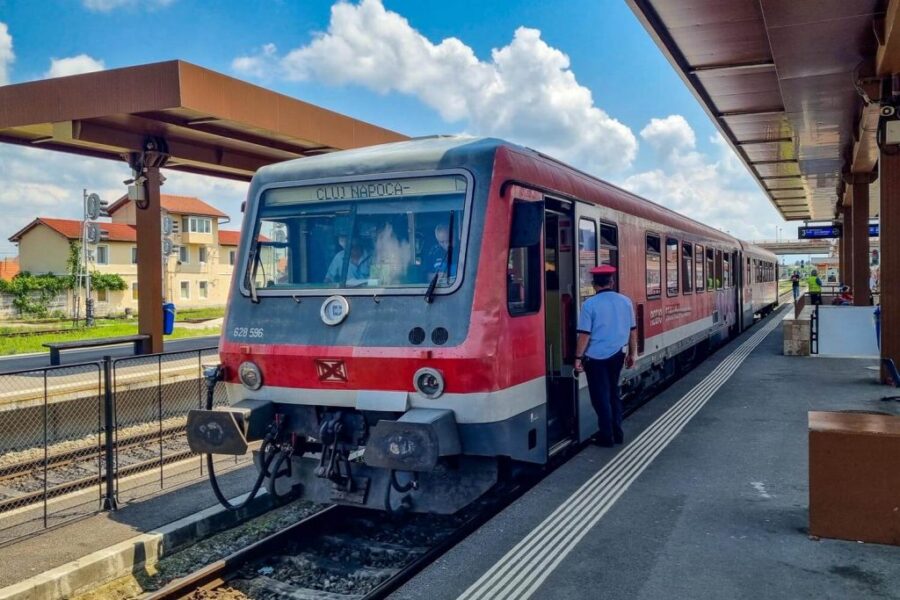
If you’re a train person, you can reach Lviv from Sibiu with at least one transfer, usually in Cluj or another regional hub. The trip eats up a full day, so don’t expect a quick hop.
Still, it’s a comfy way to see the countryside if you’re not up for a long bus ride. You’ll need your passport for the Ukraine border.
Trains aren’t always direct, so check schedules closely. For example, you might go Sibiu → Cluj → Lviv, with a wait somewhere in the middle.
It’s not the fastest way, but once you plan it, it’s pretty straightforward. Tickets are cheaper if you book early, and you can find schedules and prices on sites like rail travel options.
Bring snacks—dining cars aren’t always reliable on these routes.
Bus Travel and Booking

Buses are the most common way to get from Sibiu to Lviv. It’s about 880 km, and the ride can take anywhere from 18 to 22 hours depending on stops and border delays.
It’s a long haul, but buses usually cost less than trains. Most routes start from Sibiu’s main bus station and drop you at Lviv’s central terminal.
Some schedules include a transfer in Cluj. Prices shift with the season and how early you book, but expect $80–120.
If you want to compare schedules and book online, INFOBUS and Virail bus tickets are both handy.
I always bring a neck pillow and a dose of patience—Ukrainian border checks can really stretch the trip.
Travel Planning Advice
Think about what matters to you: comfort, speed, or saving money? If you’re short on time, connecting flights still make sense.
There’s no direct Sibiu–Lviv flight, but you can connect through Bucharest or Warsaw. Searching on flight deals sometimes turns up surprises.
If you prefer overland travel, buses are the most practical but definitely slow. Trains are scenic but require transfers.
Driving yourself is possible, but border waits are unpredictable, and you’ll need international insurance. I’ve done the Cluj to Lviv leg, and honestly, the border was the hardest part.
Build in extra time, no matter how you go. Always carry snacks, water, and a bit of local cash—ATMs aren’t always easy to find once you’re on the road.
Frequently Asked Questions
Traveling between Sibiu and Lviv? It’s like tasting two sides of Eastern Europe you didn’t know you needed. Sibiu leans hard into its Saxon heritage, with pastel streets and those storybook fortified churches. Lviv, meanwhile, feels like someone tossed Polish, Austrian, and Ukrainian influences into a blender—then hit “festival mode.”
Food, festivals, even just catching a tram—everything in these cities shouts their differences. You’ll notice it right away.
What are the top cultural attractions to visit in Sibiu compared to those in Lviv?
In Sibiu, you can’t skip the Large Square (Piața Mare). Take a stroll, then climb the Council Tower—trust me, the views are worth a little breathlessness.
I always tell people to check out the Brukenthal National Museum if they’re even slightly into classical art. It’s a gem, tucked right in the city center.
Lviv, though, feels like a living museum. The Lviv Opera House is pure drama, inside and out.
Wander the cobbled streets near Rynok Square—historic cafés and offbeat museums pop up around every corner.
How does the dining experience in Lviv differ from that in Sibiu, considering local cuisine specialties?
Lviv’s food scene? Honestly, it’s just fun. You’ll stumble into hidden theme restaurants, eat varenyky that taste like someone’s grandma made them, and sip coffee that borders on obsession.
One time, I had to whisper a password just to get into a basement eatery—so Lviv, right?
Sibiu’s food feels more down-to-earth, rooted in hearty Transylvanian traditions. Expect pork, sausages, and sour soups that’ll warm you up on a chilly night.
If you’re into cheese, don’t leave without trying the local shepherd’s cheese. It’s the kind of thing you remember long after you leave.
Can you highlight the differences in the historical significance between Lviv and Sibiu?
Sibiu owes much of its story to the Saxons who arrived in the 12th century. You see it in the fortified churches and the old defensive walls—they built these to keep invaders out.
Lviv, though, has always been a cultural melting pot. The city bounced between Polish, Austro-Hungarian, and Soviet hands, and the architecture wears those layers proudly.
Baroque churches, Art Nouveau facades, Soviet monuments—they all crowd together, and somehow it just works.
What unique seasonal events or festivals are must-sees in Sibiu and Lviv?
Sibiu knows how to throw a party. The International Theatre Festival transforms the city every summer—street performers, global acts, the whole deal.
Come winter, the Christmas Market in the main square is pure magic. I’d argue it’s one of Romania’s best.
Lviv? September brings the Coffee Festival—the whole city smells amazing.
Don’t miss the Chocolate Festival in spring, either. Winters here feel extra cozy, with Christmas fairs that could’ve come straight out of a fairy tale.
When comparing accommodations, what are the distinctive lodging experiences available in Lviv versus Sibiu?
In Sibiu, you’ll often sleep in old Saxon homes. Expect wooden beams, creaky floors, and a sense that the walls could tell stories if you listened long enough.
Boutique hotels in the historic center are tiny, but they ooze character.
Lviv offers more variety. Stay in a grand Austro-Hungarian–style hotel near Rynok Square if you’re feeling fancy.
Or, if you’re traveling on a shoestring, quirky themed hostels are everywhere—some even have live music in the lounge. Not bad, right?
How do the transport options for getting around and exploring Sibiu contrast with those in Lviv?
Sibiu’s got this cozy, walkable vibe—you’ll probably find yourself strolling everywhere. The historic center? Super pedestrian-friendly, honestly, and you might not even miss having a car.
Sure, there are taxis if your feet get tired. But if you’re itching to see those nearby villages or Romania’s famous fortified churches, renting a car totally opens things up.
Now, Lviv’s a different story. The city runs on a lively network of trams, buses, and those quirky marshrutkas. Tickets won’t break the bank, but let’s be real, the system can feel a bit wild if you’re new in town.
Even so, wandering the old town on foot is still the move if you want to soak up the atmosphere. Hop on a tram, though, and you’ll get this unfiltered slice of daily life—locals, chatter, and all.