
Last modified August 17, 2026
Honestly, picking between Sintra in Portugal and Český Krumlov in the Czech Republic? Not easy. Both places feel like they came straight off the pages of a storybook.
Sintra greets you with palaces perched on misty hills, while Český Krumlov charms you with riverside castles and cobbled lanes that barely look touched by time. If you’re after grandeur and dramatic landscapes, Sintra’s your winner; if you want intimacy and old-world magic on a smaller budget, Český Krumlov is the one.
Right away, you’ll feel the difference. Sintra sits close to Lisbon, so it’s super easy to reach—but yeah, expect crowds of day-trippers.
Český Krumlov? You’ll need to put in a bit more effort to get there, and that’s kind of the point. Once the buses roll out, you get these quiet, almost enchanted evenings.
Both towns are UNESCO sites, both are gorgeous, but the atmosphere? Totally different. That’s what makes comparing them so much fun.
Key Takeaways
- Sintra dazzles with grandeur, palaces, and wild landscapes
- Český Krumlov feels smaller, gentler, and easier on your wallet
- Getting there, crowds, and timing all shape your trip
Sintra vs Český Krumlov: Key Differences
Sintra in Portugal and Český Krumlov in the Czech Republic may be small, but their reputations are anything but. They pull in visitors for wildly different reasons: Sintra for its romantic palaces and lush hills, Český Krumlov for its medieval streets and riverside charm.
Their geography, architecture, and place in history really set them apart.
Location and Regional Context

Sintra sits just outside Lisbon. If you’re in Portugal’s capital, you can just hop on a train and, in under an hour, you’re surrounded by misty hills, palaces, and gardens. The city’s buzz fades away, and it’s easy to see why Portuguese royalty loved escaping here.
Český Krumlov, meanwhile, nestles in South Bohemia, about 170 km south of Prague. The town curves into a bend of the Vltava River, not far from Austria and Germany. With just 13,000 residents, it feels more remote.
Getting there usually means a 2.5–3 hour bus ride from Prague, but the payoff is real.
Sintra ties itself to Portugal’s coastal culture and capital-city energy, while Český Krumlov feels like a classic Central European escape tucked deep in the Czech countryside.
Architectural Styles and Atmosphere

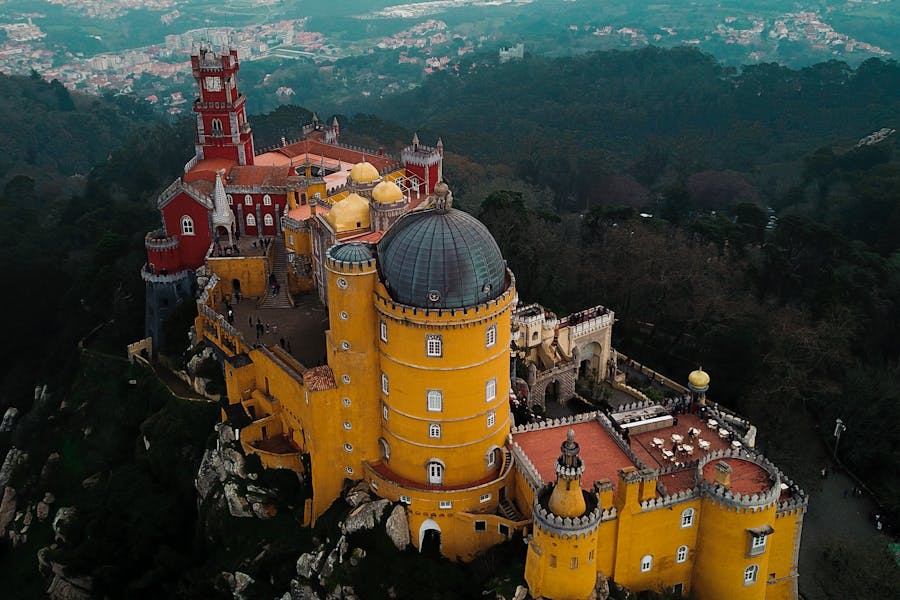
Sintra’s architecture? Whimsical, almost theatrical. You’ll see the bright yellows and reds of Pena Palace, the Moorish Castle ruins along the ridge, and the ornate tilework at Quinta da Regaleira.
Walking through Sintra makes you feel like you’ve stepped into a fantasy sketchbook, where every estate seems to want to outdo the last.
Český Krumlov couldn’t be more different. Its charm comes from a medieval street plan, Gothic and Renaissance facades, and that massive 13th-century castle looming over everything. The whole place is walkable, cobblestoned, and packed tight.
At night, when the day-trippers vanish, the lantern-lit alleys feel frozen in time.
Sintra is all about royal extravagance and romantic design. Český Krumlov, though, is about preserving a real, lived-in medieval town.
Both look stunning, but wow, the vibes couldn’t be further apart—one’s flamboyant, the other quietly atmospheric.
UNESCO Heritage and Historical Significance
Sintra and Český Krumlov both landed on UNESCO’s World Heritage list, but for totally different reasons.
Sintra got recognized for its part in the 19th-century Romantic movement, where people blended architecture and landscape into these wild, imaginative experiments. The palaces and gardens aim to spark the imagination—and honestly, they still do.
Český Krumlov earned its UNESCO stripes as one of Central Europe’s best-preserved medieval towns. Its castle complex is massive, with a Baroque theatre and sprawling gardens.
The town layers Gothic, Renaissance, and Baroque history together, all while keeping its original street plan.
Sintra stands for artistic creativity and royal leisure. Český Krumlov? It’s a living testament to Central European history and urban continuity.
Getting There: Accessibility and Transport Options
Neither Sintra nor Český Krumlov sits next to a major airport, so you’ll need to budget some extra travel time. The good news: public transport connects you pretty well once you know the routes.
Traveling from Major Cities

Flying in? Lisbon is your gateway to Sintra. The town is just 30 km away, and you can catch a direct train from Rossio Station—no car needed unless you want to wander the countryside.
Český Krumlov is trickier. Most people land in Prague or Vienna, both a few hours away. From Prague, you’ll find buses and shuttles running daily. From Vienna or Linz, you’ll usually connect by bus.
The ride from Linz is shortest—around 90 minutes.
If you’re still browsing flights, I’ve found some great deals using KAYAK or Skyscanner. Off-season fares can be surprisingly reasonable.
Train Tickets and Rail Routes

The train is hands-down the easiest way to reach Sintra. You can grab tickets right at the Lisbon station, and they’re cheap. Trains run all day, so unless it’s a holiday, you don’t really need to book ahead.
For Český Krumlov, the train route is a bit of a puzzle. There’s no direct line from Prague, so you’ll need to switch at České Budějovice. From there, it’s a short hop to Krumlov, but the station sits about 25 minutes’ walk from the Old Town.
Companies like RegioJet sometimes mix train and bus segments. I’ve tried RegioJet before—it’s not fancy, but it gets the job done. Don’t expect Western European high-speed comfort, though.
Bus and Car Connections

If you’re heading to Český Krumlov, buses are often the most straightforward. Direct shuttles run from Prague and Vienna, and some connect from Salzburg or Linz. Student Agency (now RegioJet) has comfy coaches, and the trip from Prague takes around three hours.
Sintra doesn’t really need a bus from Lisbon, since the train is faster. But if you’re coming from Cascais or smaller coastal towns, regional buses work.
Driving gives you flexibility in both places, but there are trade-offs. Sintra has pretty limited parking near the historic center.
Český Krumlov has car parks outside the Old Town, but you’ll still need to walk in.
If you’re renting a car for a bigger trip, I usually check Expedia for bundled hotel and rental deals.
I’ve driven into Krumlov before, and the countryside views were gorgeous, but honestly, the bus felt less stressful. Sometimes it’s nice to let someone else handle those winding roads.
Top Attractions and Experiences
Sintra and Český Krumlov might be small, but they pack in big experiences. Sintra pulls you into palaces rising from forested hills. Český Krumlov draws you through cobbled lanes wrapped around a castle that feels lost in time.
Both towns reward slow wandering and a little curiosity.
Must-See Landmarks in Sintra
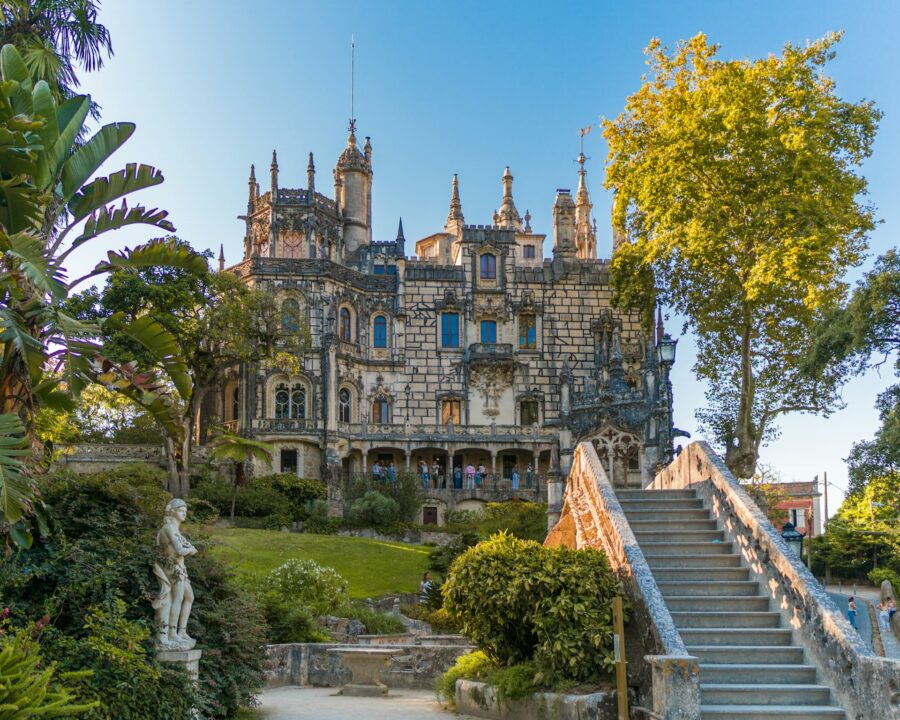
Sintra lives for contrasts. You’ll wander from the candy-colored Pena Palace, perched high above town, to the mysterious gardens of Quinta da Regaleira, where underground tunnels and spiral wells feel like something straight out of a story.
Don’t miss the Moorish Castle. Its ancient walls snake along the ridge, giving you sweeping views over Lisbon’s coastline. I climbed those stony steps on a blustery afternoon once, and it felt like standing between two worlds—modern Portugal on one side, medieval echoes on the other.
The National Palace of Sintra sits right in town. It’s more understated, but still fascinating. Its twin chimneys dominate the skyline, and the rooms inside are decorated with intricate tiles and painted ceilings.
Český Krumlov Castle and Old Town

The star here is definitely Český Krumlov Castle—second-largest in the Czech Republic. It stretches across courtyards, gardens, and even a Baroque theater that still hosts performances.
Climb the castle tower for unbeatable views of the red rooftops and the Vltava River looping around town.
You’ll probably spot the bear moat near the entrance, a quirky tradition that’s stuck around for centuries. It’s weird, but memorable. I visited in late autumn once, mist rolling over the river, and the town looked like a painting.
The Old Town feels like a living museum. Narrow cobbled streets twist past Gothic and Renaissance facades, cozy cafés, and little artisan shops. Walking here at night, after the crowds thin out, is one of the best parts—you pretty much have the medieval magic to yourself.
Want a quick list of highlights? The town’s official site has the best top sights in Český Krumlov.
Unique Activities and Local Tours
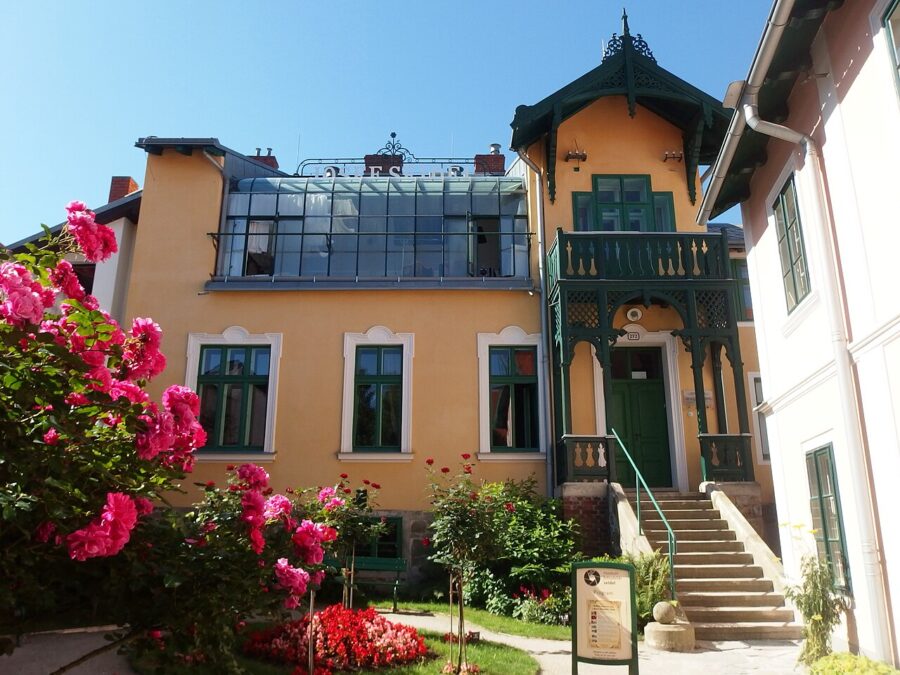
There’s more to do than just sightseeing. In Sintra, you can hike through Sintra-Cascais Natural Park. Trails wind past hidden monasteries and wild Atlantic viewpoints.
Renting an e-bike helps you tackle the hills without breaking too much of a sweat.
Český Krumlov lets you paddle a canoe or raft down the Vltava River—a fun way to see the town from a new angle, drifting under bridges and past riverside beer gardens.
You’ll also find quirky stops like the Museum Fotoatelier Seidel (all about early photography) and the Egon Schiele Atelier, where the artist once lived and painted.
River Adventures and Scenic Views
Both Sintra and Český Krumlov have rivers that shape your experience. Sintra’s river offers calm reflections beside palaces, while Český Krumlov’s Vltava invites you right into the current—rafting, kayaking, or cruising for a totally different view of the town.
Vltava River Activities
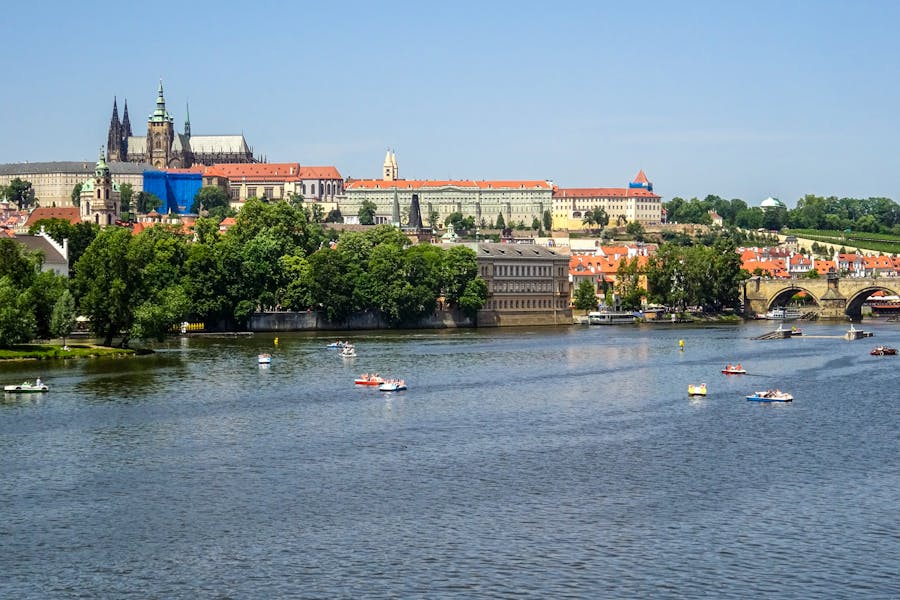
In Český Krumlov, the Vltava River isn’t just a backdrop—it’s woven into daily life here. Locals and travelers drift by the old town on rafts, kayaks, or canoes. The water usually stays calm enough for newbies, but there’s still that tiny jolt of excitement when you float under wooden bridges and past centuries-old houses.
I once joined a half-day paddle, and honestly, spotting the castle tower peeking above the rooftops from the river just hits different. In town, plenty of outfitters rent gear and offer guided trips. Some tours last a couple hours, others stretch into full-day adventures with lazy picnic stops by the banks.
If you’d rather keep your shoes dry, just wander the riverbanks. The Vltava’s bends naturally create viewpoints, and the pastel facades reflected in the water make for killer photos. No surprise that rafting and riverside walks always pop up on top things to do in Český Krumlov lists.
River Cruises and Shore Excursions
Maybe paddling isn’t your thing—that’s where the river cruise comes in. In Český Krumlov, you can hop on a traditional wooden raft and let someone else handle the steering. The ride moves slowly, giving you time to notice details you’d miss from the streets—hidden courtyards, secret gardens behind the walls.
Evening cruises are something special. The castle glows above the town as the sun sets, and the lights shimmer on the water. It’s a peaceful way to soak up the skyline without fighting crowds. Some tours even serve drinks on board, which just makes everything feel more relaxed.
If you’re more of a land person, shore excursions can be just as good. The city park along the river is a local favorite, with shaded benches and honestly one of the best castle views around. You can cross the tiny bridges connecting different parts of town, stopping every few minutes for photos of the winding Vltava below.
Pairing a castle visit with a short river outing just feels right. Many day trips from Prague include both, so you can blend cultural highlights with a gentle cruise on the Vltava. This mix of water and architecture is what makes Český Krumlov’s river experiences stand out.
When to Visit: Seasons, Events, and Crowds
Sintra and Český Krumlov both shift with the seasons, and honestly, the timing of your trip can totally change your experience. Weather, local festivals, and the size of the crowds all matter more than you’d think.
Best Times for Fewer Tourists
Český Krumlov feels the same—summer brings the biggest crowds, especially in July and August. I visited in November once and had the cobblestone lanes almost to myself, though I did get caught in a drizzle. According to Lonely Planet, November is actually one of the quietest months, and the mist just adds to the town’s medieval vibe.
For both towns, shoulder seasons—spring and fall—strike the best balance. You’ll get enough daylight for exploring but won’t feel like you’re trapped in a theme park line. Just keep in mind, some smaller shops or restaurants in Český Krumlov might close in the off-season.
Weather and Seasonal Highlights
Sintra treats you to a mild climate year-round. Spring (March–May) brings colorful gardens and temps around 55–68°F, while summer can sneak into the 80s. Autumn stays comfy and less crowded, and winter is cool but rarely freezing—though rain happens. Sintra Explorers says early mornings in spring and fall are the sweet spot for weather and crowds.
Český Krumlov swings a bit more. Winters can get icy, with snow dusting the castle roofs, and honestly, it feels like a fairy tale. Summer means rafting on the Vltava, but you’ll share the town with tour groups. May and September are favorites according to TripSavvy for mild weather and fewer visitors.
Both towns throw seasonal events worth catching. Český Krumlov’s Five-Petalled Rose Festival in June transforms the whole place into a Renaissance fair, while Sintra’s spring festivals bring music and parades. If you don’t mind a bit of chill or drizzle, the quieter months can feel more real, with locals reclaiming their streets.
Comparing Costs, Dining, and Local Culture
Traveling through Portugal and the Czech Republic gives you two very different flavors of value. One leans pricier with polished dining and easy transport, while the other moves at a more budget-friendly pace with hearty meals and a slower rhythm. Both reward you with culture that just feels deeply rooted.
Accommodation and Food Options
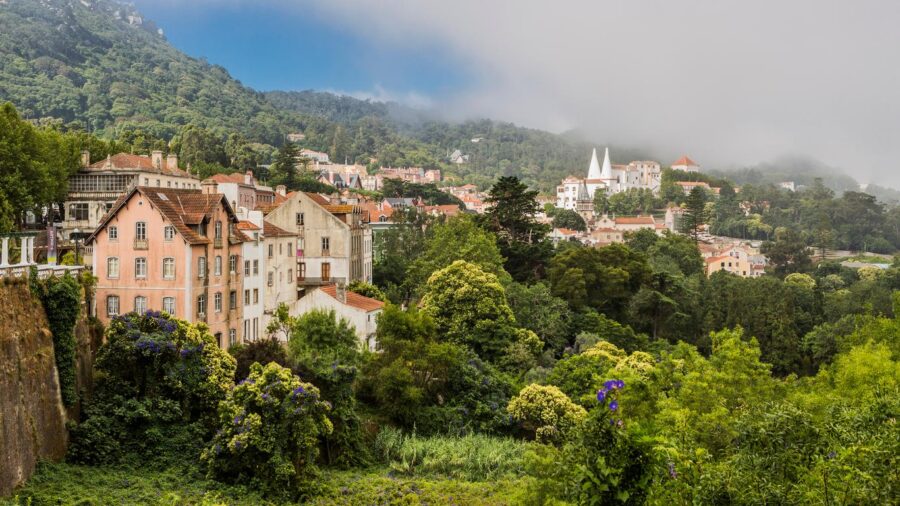
If you sleep in Sintra, expect hotels and guesthouses to cost more than in Český Krumlov. A double room in Sintra averages around €114 per night, while in Český Krumlov it’s closer to €72. You can compare and book accommodation in both towns, but your money stretches further in the Czech Republic.
Food follows the same pattern. Sintra meals often run about €70 a day if you eat out for breakfast, lunch, and dinner. In Český Krumlov, you’ll spend closer to €37 for the same. Czech food is hearty—think dumplings, roast meats, and soups—while in Sintra you’ll find seafood stews, pastries, and wines from the Lisbon region.
If you’re traveling light, both towns have tons of small cafes and bakeries where you can grab a cheap bite. And if you’re hauling extra bags, just drop them at luggage storage near main squares or transport hubs so you’re not wrestling cobblestones.
Cultural Experiences and Traditions
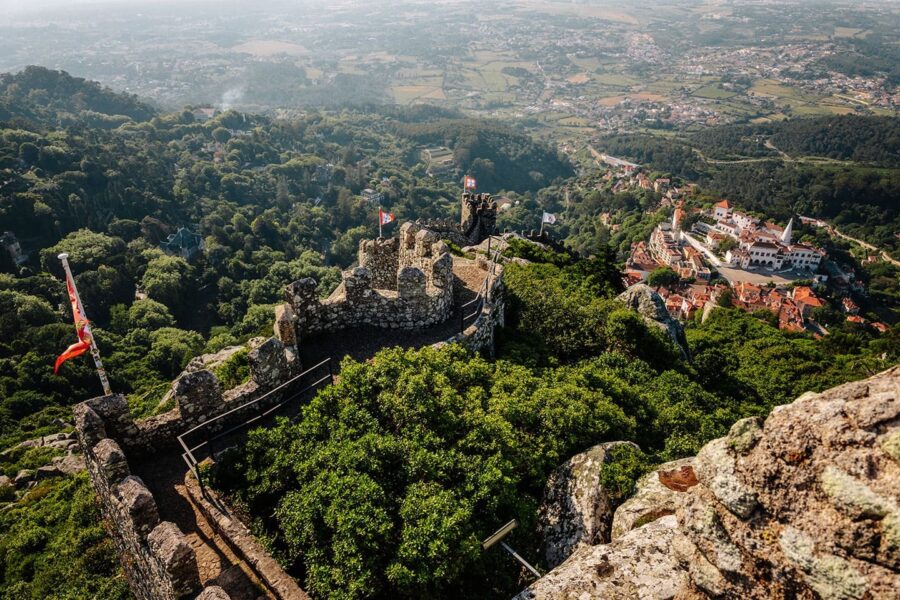
Sintra feels like you’ve stepped into a royal storybook, with palaces like Pena and the Moorish Castle perched above town. The Portuguese tradition of azulejos (painted tiles) pops up everywhere, and you’ll stumble on craft shops selling handmade ceramics. Festivals usually revolve around Catholic traditions and seasonal eats.
Český Krumlov, on the flip side, keeps its medieval old town almost frozen in time since the 18th century. Locals take pride in folk music, puppetry, and artisan workshops. You’ll see more community festivals, often tied to the castle or the Vltava River.
Dining is part of the culture, too. In Sintra, a pastel de nata with coffee is basically a must, while in Český Krumlov, a pint of local beer with goulash is just as classic. Both towns are UNESCO sites, so culture isn’t just inside museums—it’s baked into the streets, the food, and the way people gather.
Frequently Asked Questions
Traveling between Sintra and Český Krumlov gives you two wildly different kinds of beauty—one wrapped in dreamy palaces and lush hills, the other in medieval charm along a winding river. You’ll spot differences in architecture, food, and even the pace of life, which honestly makes comparing the two towns more fun than you’d expect.
What unique architectural styles can be observed when visiting the castles of Sintra compared to those in Český Krumlov?
In Sintra, you’ll see a mashup of styles that almost feels like a painter went a bit wild. The Pena Palace is the star, blending Romanticism, Moorish, and even Gothic touches. It’s colorful, whimsical, and sits high on a hill with sweeping views.u003cbru003eu003cbru003eČeský Krumlov Castle, in contrast, shows off Renaissance and Baroque vibes. It’s less flashy but more consistent in style, with elegant courtyards and one of Europe’s oldest Baroque theaters. Walking its grounds feels like stepping back into the 16th century.
Can you highlight the differences in the historical significance between Sintra and Český Krumlov?
Sintra served as a getaway for Portuguese royalty, especially in the 19th century when Romanticism was all the rage. Its palaces reflect a time when kings and queens wanted to escape Lisbon and surround themselves with nature and fantasy-like buildings.u003cbru003eu003cbru003eČeský Krumlov’s story ties more to trade and the noble Rosenberg family. The town grew wealthy thanks to its spot on medieval trade routes, and the castle became a symbol of power in Bohemia. It’s more about influence and economics than royal leisure.
What are the must-visit attractions for a culturally immersive experience in Sintra and in Český Krumlov?
In Sintra, don’t skip the u003cstrongu003eNational Palace of Penau003c/strongu003e, the u003cstrongu003eMoorish Castleu003c/strongu003e, and the u003cstrongu003eQuinta da Regaleirau003c/strongu003e. The gardens of Regaleira, with their underground tunnels and symbolic wells, are honestly unlike anything else you’ll find in Europe.u003cbru003eu003cbru003eIn Český Krumlov, make time for the u003cstrongu003eState Castle and Chateauu003c/strongu003e, the u003cstrongu003eEgon Schiele Art Centrumu003c/strongu003e, and the u003cstrongu003eChurch of St. Vitusu003c/strongu003e. Wandering the old square and down to the riverbank gives you a real sense of the town’s medieval layout, which is still perfectly intact (u003ca href=u0022https://twinsontoes.com/cesky-krumlov/u0022 target=u0022_blanku0022 rel=u0022noreferrer noopeneru0022u003eČeský Krumlov guideu003c/au003e).
How do the culinary experiences in Sintra contrast with those available in Český Krumlov?
In Sintra, you’ll probably end up tasting u003cstrongu003etravesseirosu003c/strongu003e (almond-filled puff pastries) or u003cstrongu003equeijadasu003c/strongu003e (small cheese tarts). Portuguese seafood is also close by, so fresh fish dishes are easy to find if you stick around for dinner.u003cbru003eu003cbru003eČeský Krumlov’s food leans hearty and Central European. Expect roast pork, dumplings, and goulash. I still remember sitting by the Vltava eating grilled trout caught that morning—it felt rustic, but just right for the setting.
Could you suggest the best times of year to visit Sintra and Český Krumlov for optimal weather and tourist crowd management?
Sintra shines in spring or early autumn. Summer heat plus thick crowds can make it a bit much, especially since cars aren’t allowed near Pena Palace and you’ll be walking uphill.u003cbru003eu003cbru003eČeský Krumlov also gets packed in summer, especially with day-trippers from Prague. If you can swing it, visit in late May or September. The weather is mild, and you’ll have more space to enjoy the cobbles once the crowds thin out (u003ca href=u0022https://community.ricksteves.com/travel-forum/czech/is-ceszky-krumlov-worth-a-dayu0022 target=u0022_blanku0022 rel=u0022noreferrer noopeneru0022u003eRick Steves forum insightu003c/au003e).
What are the differences in accommodation options when staying in Sintra versus Český Krumlov?
Sintra really spoils you for choice. You’ve got boutique hotels, charming historic guesthouses, and a handful of luxury resorts nestled right into those lush hills.u003cbru003eu003cbru003eA lot of these spots sit in grand old mansions, surrounded by gardens, and honestly, that just cranks up the romance.u003cbru003eu003cbru003eČeský Krumlov, meanwhile, feels much more intimate. The town’s smaller, so you’re looking at family-run pensions, tiny hotels tucked inside medieval buildings, and some lovely riverside stays.u003cbru003eu003cbru003eIt’s not about glitz or five-star treatment here—think cozy, homey charm that fits the town’s fairy-tale vibe perfectly.


