
Last modified August 17, 2026
Picking between Pécs in Hungary and Košice in Slovakia? Yeah, it’s not exactly a straightforward choice. Both cities blend history, culture, and that relaxed, welcoming vibe that makes you want to linger. If you’re after a bigger city with more bustle, Košice is your spot, but honestly, Pécs has this cozy, artsy feel that’s hard to resist.
You’ll spot the differences the moment you start wandering. Košice bursts with life on its main square, cafés spilling onto the streets, while Pécs quietly impresses with Roman ruins and Ottoman mosques that have found new purpose. Each place brings its own flavor—Pécs with its southern Hungarian wines, Košice with those filling Slovak dishes that just hit the spot after a long day. Oh, and trust me, having the right travel gear makes roaming these cities way easier.
Sports, festivals, and youth programs? Both cities have plenty going on. Maybe you’ll catch a basketball game in Pécs or get swept up in Košice’s cultural events. Either way, there’s always some energy buzzing beyond the usual tourist checklist.
Key Takeaways
- Košice’s bigger, Pécs feels more personal
- Both cities blend history, culture, and food in their own way
- Good prep makes travel here a breeze
Pécs vs Košice: Quick Comparison
Pécs in Hungary and Košice in Slovakia both sit comfortably in that mid-sized city sweet spot. They’ve got deep roots, charming old centers, and life moves at a gentler pace than in their capitals. You could visit both in one trip—they’re close-ish—but honestly, each has a vibe all its own. Pécs feels almost Mediterranean, while Košice leans Gothic and grand.
Geographic Location & Accessibility
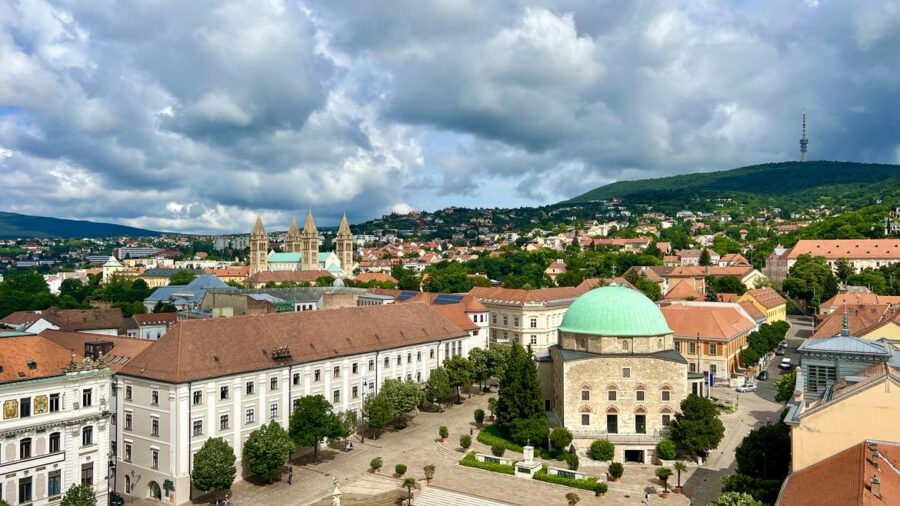
Pécs nestles in southern Hungary, not far from Croatia, with gentle hills all around. You won’t find it on any major international highway, so most travelers hop a train or bus from Budapest—figure about 2.5 hours. There’s a small airport, but almost everyone comes through Budapest.
Košice stands in eastern Slovakia, hugging the Hungarian border. It’s Slovakia’s second city and feels more plugged in, thanks to its international airport and a pretty solid rail network. You can fly in from London, Vienna, or just ride the rails from Bratislava.
Traveling between them? Not exactly a quick jaunt. The train takes around 7–8 hours with at least one switch, covering about 370 km. Driving shaves off a bit of time, but border crossings might slow you down. They look like neighbors on a map, but you’ll need to carve out a chunk of your day to get from one to the other.
Population & Demographics

Košice counts about 240,000 residents, making it Slovakia’s runner-up after Bratislava. It’s a real regional hub, with universities, courts, and big industries like the U.S. Steel plant shaping daily life. You bump into students, professionals, families—a nice mix that keeps things lively without feeling overwhelming.
Pécs is smaller, around 140,000 folks. Everything sort of centers around its old core and the university. Students give the city a youthful pulse, especially in the cafés and bars dotted around town.
Younger people sometimes drift off to the capitals for work, but both cities hang onto their cultural and academic roles. That keeps them buzzing in their own unique ways.
Language & Culture
In Košice, Slovak dominates, but Hungarian pops up, especially since the border’s just a stone’s throw away. You’ll hear some English in the touristy bits, but not everywhere—picking up a few Slovak basics goes a long way. The city’s culture is strong, with Gothic showstoppers like St. Elisabeth Cathedral and a stint as the 2013 European Capital of Culture.
Pécs runs on Hungarian, but its architecture tells a story—Ottoman mosques now serving as churches, Roman ruins, and early Christian tombs. You’ll notice German and Croatian touches too. Pécs grabbed the European Capital of Culture title in 2010, which really kicked its museums and galleries up a notch.
Festivals? Both cities know how to throw a good one. Košice fires up the streets with events and theater. Pécs leans into wine festivals and breezy, Mediterranean-style concerts. Pécs feels sunnier and more chill, while Košice carries a bit of that classic Central European elegance.
Sports Rivalries and Memorable Matches
When you talk sports in Pécs and Košice, you’re not just talking about teams—you’re talking about city pride, local legends, and stories that stick with people for years.
Basketball Showdowns: Rátgéber Academy Pécs vs Young Angels Košice

If you’ve ever caught a Rátgéber Academy Pécs game against Young Angels Košice, you know the energy is something else. These women’s basketball clashes have a reputation for intensity and discipline.
Košice has built a powerhouse in Slovak women’s basketball, racking up league titles. Pécs goes a different route, focusing on youth development and producing technically sharp players.
The real magic comes from the clash of styles. Košice likes to play physical and push the tempo, while Pécs slows things down and works the half-court. That mix keeps everyone guessing.
I’ll never forget sitting in the stands in Pécs—kids in academy shirts, parents cheering, even a few Slovak fans who made the trip. It’s not just about basketball; it’s a big, loud family get-together, with a hefty dose of community pride.
Football Encounters and Statistics
Košice’s football teams have made more noise on the European stage, especially in Slovak domestic competitions. Pécs hasn’t snagged as many trophies, but they’ve had their bright spots in Hungary’s top league.
Clubs from these cities mostly meet in friendlies or lower-tier European qualifiers—not exactly El Clásico, but for the locals, these matches are everything.
Košice teams tend to lock things down with disciplined defense, while Pécs tries to get creative in midfield. It’s classic Central European football—gritty, tactical, and sometimes decided by a single slip.
If you’re a football fan, these matches are a must. The stadiums are smaller, the vibe is raw, and the fans? They’re all in—drums, chants, and that fierce loyalty you just don’t see everywhere.
Noteworthy Head-to-Head Records
Basketball gives you more regular showdowns between Pécs and Košice. Football encounters pop up less often, but they still mean a lot when they happen.
Here’s a quick look:
| Sport | Typical Outcome Trend | Memorable Note |
|---|---|---|
| Basketball | Usually balanced, but Košice edges it in titles | Known for tight playoff battles |
| Football | Košice has the historical edge | Games tend to be low scoring, tactical |
| Youth Levels | Pécs is strong thanks to its academy | Future senior stars often emerge here |
These rivalries aren’t just about silverware. They’re about culture, pride, and the friendly tension between Hungary and Slovakia.
From my travels, I’ve seen fans from both sides swap food and drinks before a game—then flip the switch to full-on rivalry mode when the whistle blows. It’s all in good fun, and honestly, it’s one of my favorite things about watching sport in Central Europe.
City Highlights and Attractions
Pécs and Košice both have that sweet spot where history, culture, and community life bump into each other. You’ll see it in the architecture, the museums, and the way festivals spill out into the streets.
Historic Landmarks
Walking Pécs is like time travel. One minute you’re at the early Christian necropolis (a UNESCO site), the next you’re staring up at Ottoman mosques that have found new life. The Pécs Cathedral towers over everything, and if you climb up, you’ll probably grumble about your legs but never regret the view.
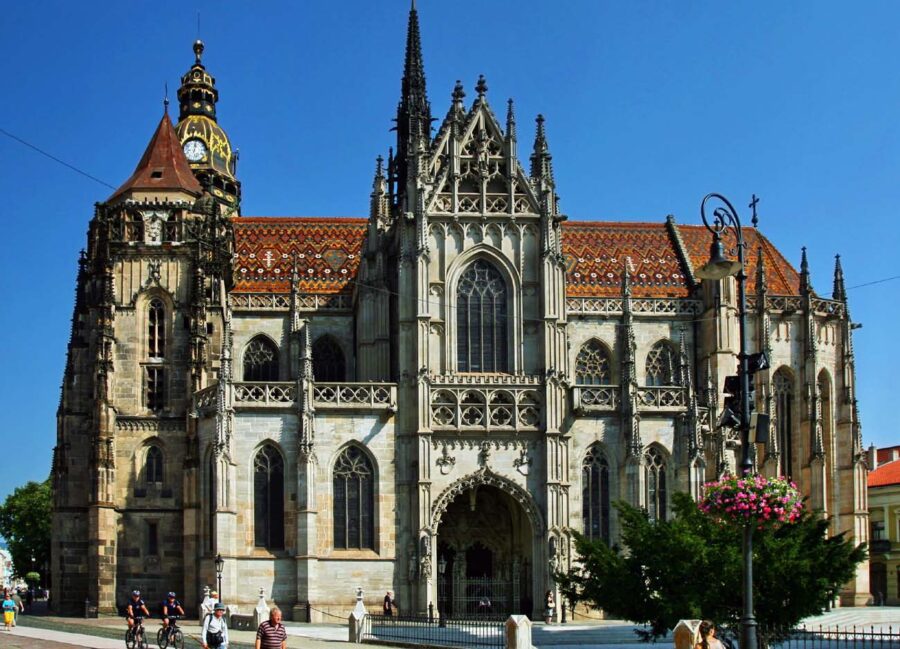
Košice’s old town is tighter but just as packed with stories. The Gothic St. Elisabeth Cathedral—biggest in Slovakia—anchors the main street, Hlavná Ulica. You’ll stumble on the 14th-century St. Michael Chapel and the quirky old Urban Tower right nearby.
If you’re more into guided exploring, you can book city tours that hit all the highlights. Sometimes a local guide shows you stuff you’d never pick up on your own.
Museums & Art Scenes

Pécs is all about art, especially in the Zsolnay Cultural Quarter. It’s more than a museum—it’s galleries, studios, and even cafés tucked into old ceramic workshops. The Vasarely Museum is a wild ride if you’re into bold, trippy visuals.
Košice leans toward history at the East Slovak Museum, where you can gawk at the Košice Gold Treasure—thousands of gold coins found by accident in the 1930s. The city’s contemporary art scene is growing too, with places like Tabačka Kulturfabrik (once a tobacco factory, now a creative hotspot).
If you like to plan, you can book activities that combine museums, walking tours, or even day trips. It’s a nice way to mix art with sightseeing at your own pace.
Local Festivals
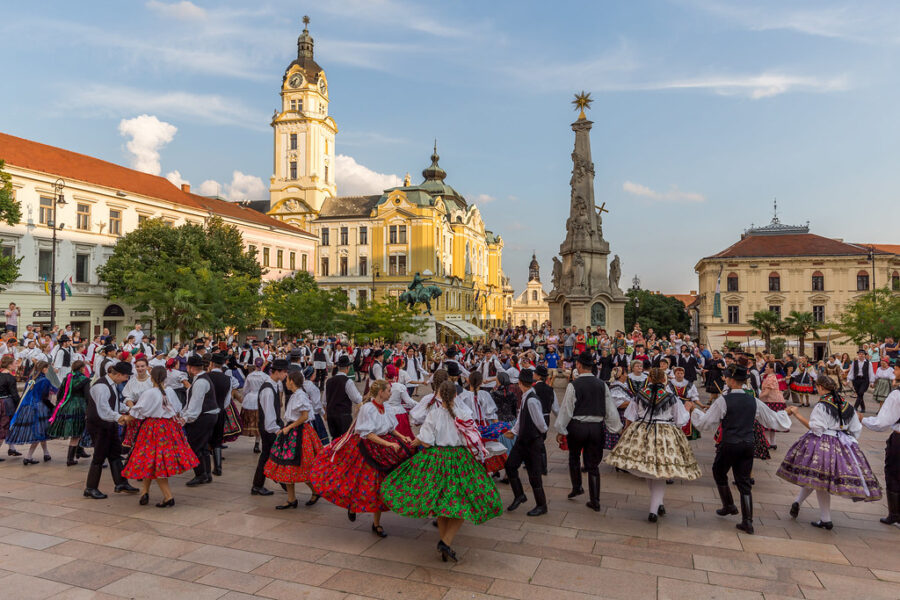
Festivals in these cities? That’s where the real personality comes out. Pécs shines with its International Wine Festival—local vineyards from Villány pouring out samples everywhere. There are cultural festivals too, with music, dance, and Mediterranean food that fits the city’s sunny vibe.
Košice mixes old and new. The Peace Marathon, Europe’s oldest, takes over every fall. Summer brings open-air concerts and theater, and the Christmas markets fill the square with mulled wine and handmade crafts.
What I love most? You don’t have to overthink it. Show up, grab a drink or a pastry, and just melt into the crowd. It’s a reminder that travel isn’t only about ticking off monuments—it’s about joining the party.
Local Cuisine and Nightlife
Food and nightlife? That’s how you really get to know a city. Pécs brings a Mediterranean twist to the table, while Košice goes all in on hearty Slovak classics and a surprisingly fun bar scene. Both cities give you every excuse to stay out late and eat well.
Traditional Dishes

Pécs menus always seem to echo its Ottoman roots. You’ll spot stuffed peppers, goulash soups, and sweet rétes (strudel)—all begging to be paired with a strong coffee. Once, I plopped down in Széchenyi Square with a plate of túrós csusza (pasta with cottage cheese and bacon). After wandering all day, nothing hit the spot quite like that.
Košice? Oh, that’s where you go for Bryndzové Halušky—potato dumplings loaded with sheep cheese. It’s heavy, sure, but it’s the kind of comfort that lingers in the best way. Local pubs dish out fried cheese, more goulash, and whatever soup is in season. If you’re craving something quirky, Soupculture lets you drink soup from an edible bread cup. It’s fun, cheap, and honestly, the kind of thing that sticks in your memory.
Craving something international? In Košice, there’s a Japanese-run café called Mogu-Mogu; people can’t stop talking about the ramen. Pécs leans Balkan and Mediterranean, thanks to its history and location. Both cities mix old and new, but Košice’s dining scene feels a bit more daring and youthful.
Best Bars & Cafés
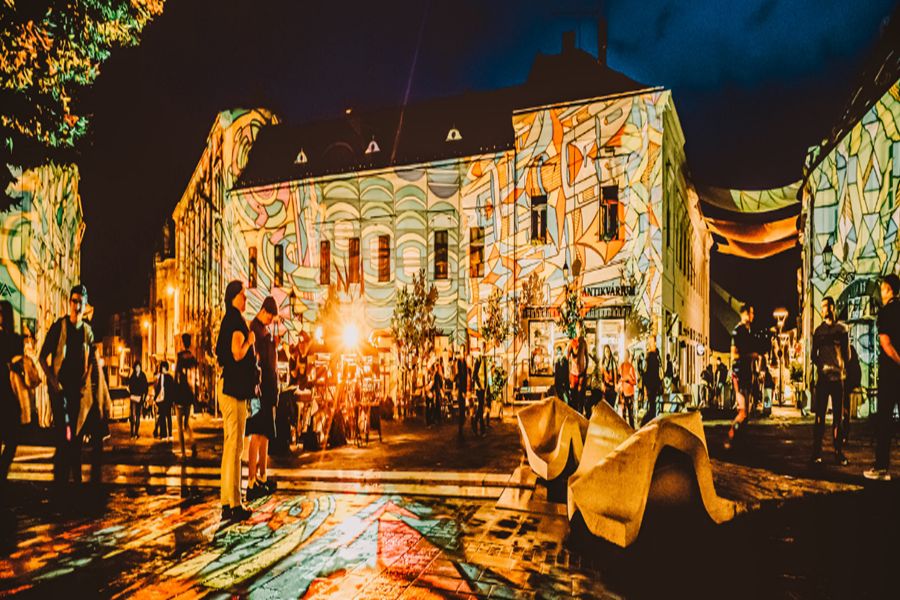
When night falls in Pécs, students spill out of wine bars and those wild, ruin-style pubs. The city’s so close to Hungary’s Villány wine region that you pretty much have to try a local red. Around Király Street, cafés buzz late into the night. And if you’re a craft beer fan, there are a handful of microbreweries hidden in the side streets.
Košice goes harder at night—no question. The Juh neighborhood has trendy bars and cocktail lounges, while Hlavná, the main drag, is lined with packed pubs. I once landed at Pub u Kohúta, a courtyard beer garden, and it felt like half the city had the same idea—plates of fried cheese everywhere, lager flowing, laughter echoing off the walls.
Education and Youth Activities
Both Pécs and Košice put real heart into youth opportunities, from higher education to after-school programs that keep kids busy. You’ll sense a blend of academic drive, cultural exchange, and sports that shape everyday life for families and students.
Universities & Research Centers

If you’re a traveler who likes to peek behind the academic curtain, Pécs is a treat—it’s home to one of Hungary’s oldest universities. The University of Pécs stands out for its medical and arts faculties, and the campus hums with international voices. I once walked past the main square and counted at least four languages in a single café.
Košice hosts Pavol Jozef Šafárik University, known for law, medicine, and sciences. The Technical University of Košice goes big on engineering and IT. You really notice the tech vibe—there’s a lot of collaboration between the university and local industries.
Košice impressed me with its focus on community projects. Regional youth programs connect with the universities, offering workshops on human rights and civic engagement. Pécs joins international projects too, like the EDUC Youth Integration Lab, where students from across Europe tackle social issues.
Pécs has a more classic academic feel, rooted in tradition and culture. Košice? It’s a bit more experimental, more plugged into regional development.
Youth Sports Programs
Sports are a big deal for kids in both cities, but the flavor changes. In Pécs, basketball rules the playgrounds. There’s a pro team, and you’ll spot kids shooting hoops in tucked-away courts between apartment blocks. Swimming’s popular too, thanks to all the thermal baths and pools that double as training spots.
Košice leans into ice hockey and football. Hockey is almost a rite of passage; kids skate before they can ride bikes. I once caught a youth hockey tournament there, and the arena buzzed—parents shouting, kids swapping jerseys, everyone just living it up.
Both cities encourage sports through schools and clubs. Košice’s community centers run football leagues and even casual table tennis matches. Pécs weaves sports into festivals, so you might stumble onto a street basketball game next to a music stage.
Traveling with kids? Many of these clubs welcome short-term guests. It’s a great way to plug into local life and let your child experience a slice of Hungary or Slovakia.
Travel Tips: Visiting Pécs or Košice
Both cities are compact and full of character, but timing and local know-how can totally change your trip. Weather, festivals, and how you get around all play a bigger role than you’d think.
Best Time to Visit
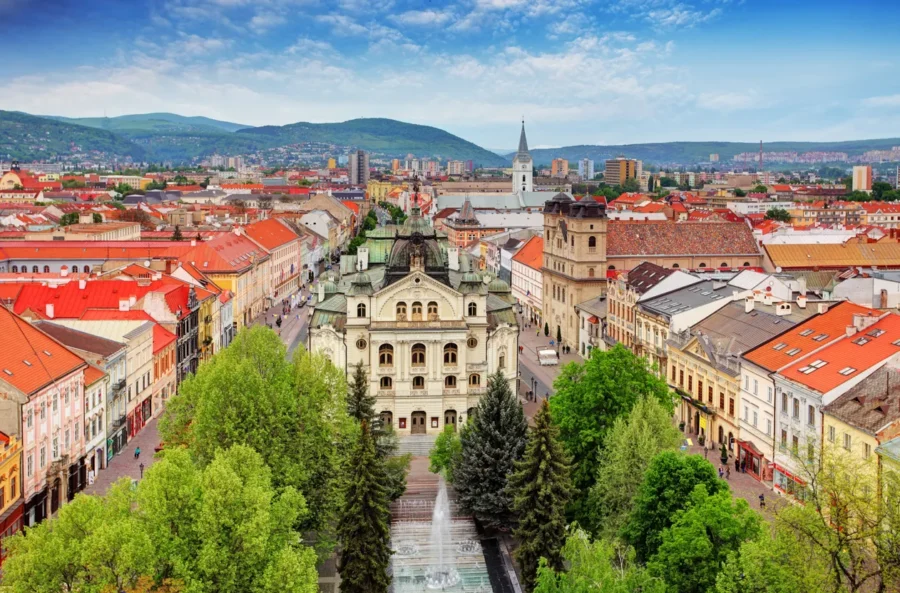
Pécs, down in southern Hungary, gets long, warm summers and gentle springs. Outdoor cafés and street festivals come alive from late May through September. The Pécs Wine Festival in autumn is a highlight if you love local food and wine.
Košice stays a bit cooler. Spring (April–June) and early autumn (September–October) are perfect—fewer crowds, comfortable weather for wandering the Old Town or trekking in Slovak Paradise National Park. Winter chills the air, but the Christmas market by St. Elisabeth Cathedral brings a special kind of magic.
Flights to both cities usually cost less outside summer. If you’re flexible, check Skyscanner or KAYAK for deals—Budapest is usually your gateway for Pécs, while Košice has its own small airport.
Getting Around Each City

You’ll walk almost everywhere in both cities. In Pécs, main sights like the Early Christian Necropolis and Mosque of Pasha Qasim sit just a short walk from Széchenyi Square. Buses run, but unless you’re staying far out, you probably won’t bother.
Košice is just as walkable. Hlavná Street anchors the Old Town, and you can reach the State Theatre or Singing Fountain in minutes. For longer trips, buses and trams work well, though nighttime schedules can be a bit thin.
Planning day trips? Renting a car is usually easiest. Pécs is surrounded by vineyards and hills, while Košice is your launchpad for castles and hiking. Both cities have plenty of places to stay, from guesthouses to boutique hotels—Booking.com makes finding the right spot pretty straightforward.
Frequently Asked Questions
Traveling between Pécs and Košice is a wild mix—Roman ruins, Gothic cathedrals, hearty food, and some surprisingly modern art. Each city moves to its own beat, shaped by history, culture, and the way locals celebrate life.
What unique cultural experiences can travelers expect when visiting Pécs compared to Košice?
Pécs has this Mediterranean vibe, which is odd for a landlocked city. Cafés spill into sunlit squares, and the Ottoman-era mosque at the center reminds you just how layered Hungary’s past really is.u003cbru003eu003cbru003eKošice feels more Central European. Its main street is lined with Gothic and Baroque facades. An evening stroll down Hlavná, locals chatting outside cafés, feels less like a tourist show and more like you’ve slipped into everyday Slovak life.
Can you highlight the historical significance of both Pécs and Košice in Central Europe’s development?
Pécs started out as the Roman Sopianae, and you can still wander through ancient burial chambers from the 4th century. Later, it became a center of learning—Hungary’s first university opened here in 1367.u003cbru003eu003cbru003eKošice snagged the title of first European city with its own coat of arms in 1369. Sitting on old trade routes, it grew wealthy, and the massive St. Elisabeth Cathedral still towers as proof of that past.
In Pécs, skip the touristy spots and hunt for tiny taverns serving rich stews and local Villány wines. I once ducked into a family-run place behind the cathedral and ended up sipping homemade pálinka with the owner.u003cbru003eu003cbru003eKošice does Slovak classics like bryndzové halušky, but the secret is finding little bakeries that serve lokše—potato pancakes stuffed with anything from poppy seeds to sauerkraut. You’ll usually find them off the main drag, hidden from the tourist crowds.
How does the artistic landscape differ between Pécs and Košice, and what are the must-see galleries or events?
Pécs is all about the fine arts. The Zsolnay Cultural Quarter is a must for ceramics and design lovers. The museums feel polished, spotlighting both classical and modern Hungarian artists.u003cbru003eu003cbru003eKošice is more experimental and raw. Since its stint as European Capital of Culture in 2013, the city’s built a web of alternative galleries and creative spaces. Tabačka Kulturfabrik, a former tobacco factory, now hosts live music, art shows, and a younger, edgier crowd.
Could you advise on the best times of year to explore the outdoor attractions of Pécs and Košice?
Spring and early autumn are your best bets for both cities. In Pécs, the Mecsek Hills are perfect for hikes when it’s mild, and the vineyards buzz with harvest in September.u003cbru003eu003cbru003eKošice comes alive in summer with open-air concerts and festivals, and Slovak Paradise National Park is a hiker’s dream. Winters get cold, but if you love Christmas markets, the city center lights up with mulled wine and festive stalls.
What are the differences in the local festivals and traditions that one could experience in Pécs versus Košice?
Pécs? Oh, you can’t miss the wine festivals there—especially in autumn. Locals pour into the streets to toast the harvest, sampling wines and swaying to live folk music.u003cbru003eWhen summer rolls in, the Mediterranean Influence Festival takes over. Suddenly, you’re catching open-air concerts or stumbling into a theater performance under the stars.u003cbru003eu003cbru003eKošice, on the other hand, feels like a different vibe entirely. The city buzzes with cultural diversity, and they really show it off during the annual Košice Peace Marathon. That marathon’s actually the oldest in Europe, which is kind of wild if you think about it.u003cbru003eu003cbru003eIf you’re wandering the city during the White Night Festival, you’ll see Košice transform—light installations everywhere, the streets turning into a massive, glowing stage. It’s got this modern, energetic feel, while Pécs stays rooted in its traditions.u003cbru003eu003cbru003eSo, if you’re after old-school charm, Pécs is your place. But if you want something more contemporary, Košice might just surprise you.