Description
Zoo Antwerpen stands as one of Europe’s oldest zoological gardens, having opened its doors back in 1843. Right in the heart of Antwerp, this remarkable institution has managed to preserve its historical charm while constantly evolving to meet modern standards of animal care and conservation. The zoo operates an impressive conservation program that reaches far beyond its gates, working to protect endangered species around the globe.
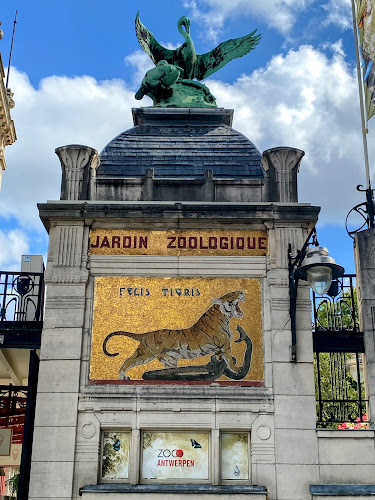
What strikes most visitors first is the architectural beauty of the place. The buildings themselves tell stories from different eras, with ornate structures dating back to the 19th century standing alongside contemporary facilities. Walking through the grounds feels like stepping through time, where Victorian-era elephant temples meet modern habitats designed with cutting-edge animal welfare principles in mind.
The zoo houses over 5,000 animals representing more than 950 species, making it one of the most diverse collections in Europe. But this isn’t just about numbers – the facility has earned international recognition for its breeding programs, particularly for endangered species like okapis and bonobos. And honestly, seeing these magnificent creatures up close creates moments that stick with you long after you’ve left.
The daily penguin feedings and sea lion shows draw substantial crowds, and for good reason. These aren’t your typical performances – they’re educational experiences that showcase natural behaviors while the keepers share fascinating insights about each species’ wild counterparts. I’ve heard from countless travelers who initially rolled their eyes at the idea of a “show” but ended up completely captivated by the dedication and knowledge of the staff.
The facility spreads across roughly 10.5 hectares, which might sound compact compared to some sprawling safari parks, but the space is utilized brilliantly. Each habitat has been thoughtfully designed to provide enrichment for its residents while allowing visitors clear viewing opportunities. The tropical house alone could occupy an entire afternoon with its steamy walkthrough experience where birds fly freely overhead and exotic plants create an immersive jungle atmosphere.
Key Features
- Historic architecture from 1843 blended with modern animal facilities creating a unique aesthetic experience
- Daily penguin feeding sessions that offer educational commentary and up-close viewing opportunities
- Sea lion demonstrations showcasing natural behaviors and training techniques
- Internationally recognized breeding programs for endangered species including okapis and bonobos
- Tropical house with free-flying birds and immersive jungle environment
- Aquarium featuring both freshwater and marine species from around the world
- Reptile house displaying rare and fascinating cold-blooded creatures
- Playground facilities perfect for families traveling with energetic children
- On-site dining options including cafes and picnic areas
- Educational programs and keeper talks throughout the day
- Conservation center highlighting global protection efforts
- Wheelchair accessible pathways and facilities throughout the entire zoo
- Special event hosting capabilities including birthday party packages
- Gift shop featuring sustainable and educational products
- Photography opportunities at every turn with both animals and historic buildings
Best Time to Visit
Timing your visit to Zoo Antwerpen can seriously impact your experience. The spring months from April through early June offer probably the most pleasant conditions. Temperatures hover in that comfortable range where you’re not sweating through your shirt but don’t need to bundle up either. Plus, this is when many animals are most active, and you’ll often spot young animals exploring their habitats for the first time.
Summer brings the biggest crowds, especially during July and August when schools across Europe are on break. If you don’t mind sharing the pathways with lots of families and dealing with occasional queues at popular exhibits, the extended opening hours during summer make it worthwhile. The zoo sometimes stays open until 7 PM during peak season, giving you more flexibility in your schedule.
Autumn has become my personal favorite season for zoo visits. September and October deliver crisp weather that seems to energize both the animals and visitors. The falling leaves add this gorgeous backdrop to photographs, and the reduced crowd levels mean you can actually take your time at each habitat without feeling rushed by people behind you.
Winter visits require a different mindset. Some outdoor exhibits have limited viewing due to animals having indoor heated quarters, but the experience offers something special. The crowd sizes drop significantly – we’re talking maybe a third of summer numbers – and certain animals like the snow leopards and red pandas become incredibly active in cooler temperatures.
Weekdays consistently offer better experiences than weekends regardless of season. Tuesday through Thursday tend to be quietest, though you’ll need to balance this against the feeding times and show schedules. The penguin feeding happens at 11 AM and 3:30 PM most days, and these are non-negotiable highlights you’ll want to plan around.
Early morning visits right when gates open provide advantages too. Animals are generally more active before the heat of the day sets in, and you’ll have those first peaceful hours before tour groups arrive around 11 AM.
How to Get There
Getting to Zoo Antwerpen ranks among the easiest zoo commutes you’ll ever make, which is refreshing for travelers already juggling itineraries and transportation logistics. The zoo sits literally adjacent to Antwerpen-Centraal railway station – and I mean literally. You walk out of one of Europe’s most stunning train stations, and within a two-minute walk you’re at the zoo entrance.
If you’re coming from Brussels, direct trains run every 20-30 minutes and take about 45 minutes. The journey from Amsterdam takes roughly 1.5 hours with comfortable intercity services. Pretty much anywhere in Belgium or the Netherlands connects easily to Antwerp’s rail system.
For those staying within Antwerp itself, the tram system provides excellent access. Tram lines 4 and 7 stop right at the station, and line 11 gets you within a short walk. The De Lijn bus service also connects various neighborhoods to the central station area.
Driving is certainly possible, though parking requires some planning. The zoo doesn’t have its own parking lot, but there’s a paid parking garage directly underneath the station called Interparking Astrid. It’s not cheap – expect to pay around 15-20 euros for a full day – but the convenience factor is undeniable. Just be aware that Antwerp’s low emission zone requires certain vehicle standards, so check if your rental car meets requirements before driving into the city center.
Cycling is huge in Belgium, and Antwerp has invested heavily in bike infrastructure. Several bike paths lead directly to the station area, and you’ll find secure bicycle parking facilities nearby. If your accommodation offers bikes or you’re using a rental service, this makes for a pleasant journey through the city.
Taxi services and ride-sharing apps operate throughout Antwerp, though given the excellent public transport, they’re usually unnecessary unless you’re traveling with small children who tire easily or have mobility concerns.
Tips for Visiting
Buy your tickets online before arriving. This single action saves both time and usually a bit of money. The queues at the ticket counter can stretch during busy periods, eating into your actual zoo time. Plus, advance tickets sometimes come with slight discounts or package deals that aren’t available at the gate.
Wear comfortable walking shoes – this seems obvious, but you’d be surprised how many people show up in brand new sneakers or fashion boots. You’ll cover several kilometers wandering the paths, and some areas have cobblestones dating back to the zoo’s founding days. Your feet will thank you for breaking in those shoes beforehand.
Bring layers even in summer. The tropical house and reptile building maintain warm humid conditions, but other indoor exhibits stay cooler. And Belgian weather has this reputation for changeability that it honestly lives up to. A light jacket that stuffs into a daypack provides insurance against unexpected temperature drops.
The zoo allows you to bring your own food and drinks, which can save considerable money if you’re traveling on a budget. There are designated picnic areas scattered throughout the grounds. But if you forget, the on-site dining options offer decent quality at typical zoo pricing – not cheap, but not outrageously expensive either.
Download the zoo map on your phone before visiting or grab a paper copy at the entrance. The layout can feel a bit maze-like, especially in older sections where pathways follow historic patterns rather than logical grids. Having a map prevents those frustrating moments of passing the same flamingo pond for the third time.
Check the daily schedule board near the entrance for feeding times and keeper talks. These scheduled events provide the most engaging experiences and educational value. Plan your route to hit the must-see animals during their active periods, saving less time-sensitive exhibits for the afternoon lull.
Strollers are allowed and the pathways are mostly accessible, though some historic buildings have stairs. The zoo offers stroller rental if you’re traveling light or using public transport. Wheelchairs can access virtually all areas, though staff can provide assistance for any tricky spots.
Photography enthusiasts should remember that flash photography disturbs animals and is prohibited near most habitats. Natural lighting works better anyway for capturing authentic animal behaviors. A zoom lens helps significantly since some viewing areas maintain necessary distance from enclosures.
If traveling with children, establish a meeting point in case anyone gets separated. The playground near the center makes an obvious landmark. The zoo staff at information desks can also help reunite families quickly – they’re experienced with this kind of thing.
Consider visiting during slightly off-peak hours like early afternoon when morning crowds have thinned but day-trippers haven’t left yet. Many visitors leave around 2-3 PM, creating this sweet spot of reduced congestion.
The gift shop offers genuinely interesting items beyond typical touristy trinkets. They stock books, sustainable toys, and products where proceeds support conservation projects. If you’re going to spend money on souvenirs anyway, might as well make it count toward something meaningful.
Stay hydrated, especially during summer visits. Water fountains are available throughout the zoo, and bringing a refillable bottle aligns with the facility’s sustainability goals while keeping you comfortable during your exploration.