Beguinage
About Beguinage
Description
The Beguinage stands as one of those rare historical places where you can actually feel the weight of centuries pressing against your chest in the best possible way. I've visited quite a few religious sites across Europe, and there's something genuinely different about this place - it's not trying to impress you with towering spires or elaborate frescoes. Instead, it draws you in with its quiet dignity and this almost tangible sense of peace that seems to hang in the air like morning mist. What makes the Beguinage particularly fascinating is its roots in a medieval movement that gave unmarried or widowed women a third option beyond marriage or convent life. These women, called Beguines, formed semi-religious communities where they could live independently, work, pray, and support each other without taking permanent vows. Pretty progressive for the 13th century, right? Walking through the courtyards today, you're treading the same cobblestones that generations of these remarkable women walked for hundreds of years. The architecture itself tells stories in whitewashed walls and terracotta roofs. Most Beguinages feature small houses arranged around a central courtyard or garden, with a chapel serving as the spiritual heart of the community. The layout was intentional - creating a protected space within the bustle of medieval city life where the Beguines could maintain their independence while living in community. And honestly, whoever designed these places had a real eye for creating tranquil spaces because even with modern tourism, there's still this overwhelming sense of stepping out of time. What struck me during my first visit was how the place manages to be both humble and extraordinary at once. There's no grand entrance demanding your attention, no massive gates proclaiming importance. You just sort of... discover it. And then you're standing in what feels like a secret garden in the middle of an urban environment, wondering how more people don't know about this hidden gem.Key Features
The Beguinage offers visitors several distinctive elements that make it worth the journey:- Historic whitewashed houses dating back several centuries, many still maintaining their original architectural features and giving visitors an authentic glimpse into medieval community living
- Beautifully maintained central courtyard and gardens that provide an unexpected oasis of calm, perfect for contemplation or simply escaping the noise of modern life
- A chapel that serves as the spiritual centerpiece of the community, often featuring Gothic or Baroque architectural elements depending on the specific Beguinage's history
- Wheelchair accessible entrance, making this historical treasure available to visitors of all mobility levels - something not always guaranteed at medieval sites
- Authentic preserved interiors in select buildings that showcase how the Beguines actually lived, worked, and maintained their households
- Interpretive displays and information boards that explain the fascinating history of the Beguine movement and its significance in medieval society
- Peaceful walking paths that wind through the complex, offering different perspectives and quiet corners for reflection
- Opportunities for photography that capture both architectural details and the overall atmosphere of serenity
- A functioning religious or cultural space that often hosts concerts, exhibitions, or religious services, keeping the site alive rather than frozen as a museum piece
Best Time to Visit
Timing your visit to the Beguinage can genuinely make or break your experience. I learned this the hard way when I showed up on a Saturday afternoon in July and found myself competing with four tour groups for that perfect quiet moment. Live and learn, as they say. Early morning visits are absolutely magical. We're talking about arriving right when the gates open - usually around 9 or 10 AM depending on the season. The light hits the white walls differently in the morning, and you'll likely have the courtyard mostly to yourself. There's something about morning silence in a place designed for contemplation that just works. Plus, if you're into photography, this is your golden hour before harsh midday sun washes everything out. Weekdays trump weekends almost universally. Tour groups tend to cluster on Saturdays and Sundays, while locals and random tourists like yourself visit during the week. Tuesday through Thursday seems to be the sweet spot when I've had my best experiences with minimal crowds. As for seasons, spring and early autumn are probably your best bets. Late April through May brings the gardens to life with flowering bulbs and blossoms - absolutely stunning against those white buildings. September and early October offer similar beauty with autumn colors starting to show and that perfect not-too-hot, not-too-cold weather that makes wandering aimlessly through historical sites genuinely pleasant. Winter has its own charm though, don't get me wrong. If you can handle the cold, a winter visit offers maximum solitude and a certain austere beauty that matches the Beguines' original simple lifestyle. Just check opening hours carefully because some Beguinages have reduced winter schedules. Summer brings the biggest crowds, but also the longest days and the fullest gardens. If summer is your only option, aim for early morning or late afternoon visits - many sites stay open until 6 or 7 PM in peak season. And honestly, even a crowded Beguinage is still more peaceful than most tourist attractions.How to Get There
Getting to the Beguinage is usually pretty straightforward since most are located within historic city centers. But like most worthwhile destinations, there are a few tricks that'll save you time and frustration. If you're arriving by train, you're in luck - most Beguinages sit within walking distance of major train stations. European train networks make visiting multiple Beguinages across different cities surprisingly feasible if you're doing a heritage trail kind of trip. From the main station, it's typically a 10-20 minute walk through the historic center. And honestly, this walk is part of the experience since you're usually passing through centuries-old streets that set the mood perfectly. Public transportation within the city works well too. Local buses usually have stops within a few blocks of the site. Check the city's public transport website or app beforehand - many European cities have excellent journey planners that'll map your entire route. Trams are another solid option in cities that have them, often stopping even closer than buses. Now, about driving and parking - here's where things get tricky. Most Beguinages are in pedestrian zones or areas with extremely limited vehicle access. You can't just GPS your way to the front door and expect parking. Instead, look for parking garages on the periphery of the historic center and plan to walk. It might feel inconvenient, but trust me, wandering through the old town to reach the Beguinage adds to the overall experience rather than detracting from it. For visitors with mobility concerns, the wheelchair accessible entrance is a real advantage. Many historical sites in Europe struggle with accessibility, so having this feature makes the Beguinage more inclusive. That said, call ahead or check the website to confirm the best entrance to use and whether you need to arrange anything in advance. Taxis and ride-sharing services can drop you nearby, though drivers may not be able to get directly to the entrance depending on pedestrian restrictions. Give yourself a short walk as buffer when planning your arrival time.Tips for Visiting
After visiting several Beguinages across Europe and making my share of rookie mistakes, I've collected some practical wisdom worth sharing. These aren't the tips you'll find in every guidebook - they're the things I wish someone had told me before my first visit. First off, this is still a sacred space even if it's also a tourist attraction. Dress respectfully - think covered shoulders and knees. You don't need to dress like you're attending a funeral, but that beach outfit probably isn't appropriate. Some visitors forget this is fundamentally a religious site, and it changes the atmosphere for everyone when people treat it like a theme park. Silence is golden here. Seriously. The whole point of the Beguinage is its peaceful atmosphere. Talk quietly if you need to talk at all. Put your phone on silent. And for the love of everything holy, don't play music or videos without headphones. I've seen people doing this and it's genuinely baffling. Check opening hours before you go because they vary seasonally and sometimes close for private events or religious services. Nothing's more disappointing than planning your day around a visit only to find locked gates. Many Beguinages also close for an hour or two at midday, especially in summer - very continental schedule. Admission is often free or very inexpensive, but many sites have a donation box. Contributing a few euros helps with maintenance and preservation. These buildings are hundreds of years old and keeping them standing isn't cheap. Plus, you're basically paying for one of the most peaceful experiences you'll have in any European city - seems fair. Photography is usually allowed in outdoor areas but prohibited or restricted inside buildings and the chapel. Look for signs and respect them. And even outside, be mindful of other visitors in your shots. Nobody wants to be accidentally featured in your Instagram grid. Take your time here. The Beguinage isn't designed for a quick in-and-out visit. Build in at least an hour, preferably more, to really absorb the atmosphere. Find a bench in the courtyard and just sit for a while. Watch how the light changes. Notice the details in the architecture. This is one of those places that rewards slow, attentive visiting rather than rushing through with a checklist. Bring a guidebook or download information beforehand. While there are usually information boards, having deeper context about the Beguine movement and the specific history of the site you're visiting enriches the experience substantially. Understanding that you're walking through a piece of women's history - a rare example of female independence and community in medieval Europe - adds layers of meaning to every whitewashed wall. Consider combining your visit with the surrounding historic center since most Beguinages sit within larger medieval quarters worth exploring. But do the Beguinage first while you're fresh and can appreciate its peaceful qualities before sensory overload sets in from touring all day. Weather matters more than you might think since much of your visit will be outdoors in the courtyards and gardens. Bring an umbrella if rain threatens, and sunscreen if it's sunny - those white walls reflect a lot of light. Comfortable walking shoes are non-negotiable since you'll be on cobblestones. Finally, manage your expectations around "authenticity." Some Beguinages have been heavily restored or rebuilt after war damage. Others are remarkably original. Neither is better - they're just different experiences. The spirit of the place transcends the age of individual bricks.Key Features
- 13th-century origins and long continuous history
- Cluster of over 100 historic houses arranged around tranquil courtyards
- Central Baroque church anchoring the site
- Well-preserved vernacular architecture and peaceful gardened lanes
- Accessible location in Antwerp’s historic city centre
More Details
Updated March 30, 2026
Table of Contents
Description
The Beguinage stands as one of those rare historical places where you can actually feel the weight of centuries pressing against your chest in the best possible way. I’ve visited quite a few religious sites across Europe, and there’s something genuinely different about this place – it’s not trying to impress you with towering spires or elaborate frescoes. Instead, it draws you in with its quiet dignity and this almost tangible sense of peace that seems to hang in the air like morning mist.
What makes the Beguinage particularly fascinating is its roots in a medieval movement that gave unmarried or widowed women a third option beyond marriage or convent life. These women, called Beguines, formed semi-religious communities where they could live independently, work, pray, and support each other without taking permanent vows. Pretty progressive for the 13th century, right? Walking through the courtyards today, you’re treading the same cobblestones that generations of these remarkable women walked for hundreds of years.
The architecture itself tells stories in whitewashed walls and terracotta roofs. Most Beguinages feature small houses arranged around a central courtyard or garden, with a chapel serving as the spiritual heart of the community. The layout was intentional – creating a protected space within the bustle of medieval city life where the Beguines could maintain their independence while living in community. And honestly, whoever designed these places had a real eye for creating tranquil spaces because even with modern tourism, there’s still this overwhelming sense of stepping out of time.
What struck me during my first visit was how the place manages to be both humble and extraordinary at once. There’s no grand entrance demanding your attention, no massive gates proclaiming importance. You just sort of… discover it. And then you’re standing in what feels like a secret garden in the middle of an urban environment, wondering how more people don’t know about this hidden gem.
Key Features
The Beguinage offers visitors several distinctive elements that make it worth the journey:
- Historic whitewashed houses dating back several centuries, many still maintaining their original architectural features and giving visitors an authentic glimpse into medieval community living
- Beautifully maintained central courtyard and gardens that provide an unexpected oasis of calm, perfect for contemplation or simply escaping the noise of modern life
- A chapel that serves as the spiritual centerpiece of the community, often featuring Gothic or Baroque architectural elements depending on the specific Beguinage’s history
- Wheelchair accessible entrance, making this historical treasure available to visitors of all mobility levels – something not always guaranteed at medieval sites
- Authentic preserved interiors in select buildings that showcase how the Beguines actually lived, worked, and maintained their households
- Interpretive displays and information boards that explain the fascinating history of the Beguine movement and its significance in medieval society
- Peaceful walking paths that wind through the complex, offering different perspectives and quiet corners for reflection
- Opportunities for photography that capture both architectural details and the overall atmosphere of serenity
- A functioning religious or cultural space that often hosts concerts, exhibitions, or religious services, keeping the site alive rather than frozen as a museum piece
Best Time to Visit
Timing your visit to the Beguinage can genuinely make or break your experience. I learned this the hard way when I showed up on a Saturday afternoon in July and found myself competing with four tour groups for that perfect quiet moment. Live and learn, as they say.
Early morning visits are absolutely magical. We’re talking about arriving right when the gates open – usually around 9 or 10 AM depending on the season. The light hits the white walls differently in the morning, and you’ll likely have the courtyard mostly to yourself. There’s something about morning silence in a place designed for contemplation that just works. Plus, if you’re into photography, this is your golden hour before harsh midday sun washes everything out.
Weekdays trump weekends almost universally. Tour groups tend to cluster on Saturdays and Sundays, while locals and random tourists like yourself visit during the week. Tuesday through Thursday seems to be the sweet spot when I’ve had my best experiences with minimal crowds.
As for seasons, spring and early autumn are probably your best bets. Late April through May brings the gardens to life with flowering bulbs and blossoms – absolutely stunning against those white buildings. September and early October offer similar beauty with autumn colors starting to show and that perfect not-too-hot, not-too-cold weather that makes wandering aimlessly through historical sites genuinely pleasant.
Winter has its own charm though, don’t get me wrong. If you can handle the cold, a winter visit offers maximum solitude and a certain austere beauty that matches the Beguines’ original simple lifestyle. Just check opening hours carefully because some Beguinages have reduced winter schedules.
Summer brings the biggest crowds, but also the longest days and the fullest gardens. If summer is your only option, aim for early morning or late afternoon visits – many sites stay open until 6 or 7 PM in peak season. And honestly, even a crowded Beguinage is still more peaceful than most tourist attractions.
How to Get There
Getting to the Beguinage is usually pretty straightforward since most are located within historic city centers. But like most worthwhile destinations, there are a few tricks that’ll save you time and frustration.
If you’re arriving by train, you’re in luck – most Beguinages sit within walking distance of major train stations. European train networks make visiting multiple Beguinages across different cities surprisingly feasible if you’re doing a heritage trail kind of trip. From the main station, it’s typically a 10-20 minute walk through the historic center. And honestly, this walk is part of the experience since you’re usually passing through centuries-old streets that set the mood perfectly.
Public transportation within the city works well too. Local buses usually have stops within a few blocks of the site. Check the city’s public transport website or app beforehand – many European cities have excellent journey planners that’ll map your entire route. Trams are another solid option in cities that have them, often stopping even closer than buses.
Now, about driving and parking – here’s where things get tricky. Most Beguinages are in pedestrian zones or areas with extremely limited vehicle access. You can’t just GPS your way to the front door and expect parking. Instead, look for parking garages on the periphery of the historic center and plan to walk. It might feel inconvenient, but trust me, wandering through the old town to reach the Beguinage adds to the overall experience rather than detracting from it.
For visitors with mobility concerns, the wheelchair accessible entrance is a real advantage. Many historical sites in Europe struggle with accessibility, so having this feature makes the Beguinage more inclusive. That said, call ahead or check the website to confirm the best entrance to use and whether you need to arrange anything in advance.
Taxis and ride-sharing services can drop you nearby, though drivers may not be able to get directly to the entrance depending on pedestrian restrictions. Give yourself a short walk as buffer when planning your arrival time.
Tips for Visiting
After visiting several Beguinages across Europe and making my share of rookie mistakes, I’ve collected some practical wisdom worth sharing. These aren’t the tips you’ll find in every guidebook – they’re the things I wish someone had told me before my first visit.
First off, this is still a sacred space even if it’s also a tourist attraction. Dress respectfully – think covered shoulders and knees. You don’t need to dress like you’re attending a funeral, but that beach outfit probably isn’t appropriate. Some visitors forget this is fundamentally a religious site, and it changes the atmosphere for everyone when people treat it like a theme park.
Silence is golden here. Seriously. The whole point of the Beguinage is its peaceful atmosphere. Talk quietly if you need to talk at all. Put your phone on silent. And for the love of everything holy, don’t play music or videos without headphones. I’ve seen people doing this and it’s genuinely baffling.
Check opening hours before you go because they vary seasonally and sometimes close for private events or religious services. Nothing’s more disappointing than planning your day around a visit only to find locked gates. Many Beguinages also close for an hour or two at midday, especially in summer – very continental schedule.
Admission is often free or very inexpensive, but many sites have a donation box. Contributing a few euros helps with maintenance and preservation. These buildings are hundreds of years old and keeping them standing isn’t cheap. Plus, you’re basically paying for one of the most peaceful experiences you’ll have in any European city – seems fair.
Photography is usually allowed in outdoor areas but prohibited or restricted inside buildings and the chapel. Look for signs and respect them. And even outside, be mindful of other visitors in your shots. Nobody wants to be accidentally featured in your Instagram grid.
Take your time here. The Beguinage isn’t designed for a quick in-and-out visit. Build in at least an hour, preferably more, to really absorb the atmosphere. Find a bench in the courtyard and just sit for a while. Watch how the light changes. Notice the details in the architecture. This is one of those places that rewards slow, attentive visiting rather than rushing through with a checklist.
Bring a guidebook or download information beforehand. While there are usually information boards, having deeper context about the Beguine movement and the specific history of the site you’re visiting enriches the experience substantially. Understanding that you’re walking through a piece of women’s history – a rare example of female independence and community in medieval Europe – adds layers of meaning to every whitewashed wall.
Consider combining your visit with the surrounding historic center since most Beguinages sit within larger medieval quarters worth exploring. But do the Beguinage first while you’re fresh and can appreciate its peaceful qualities before sensory overload sets in from touring all day.
Weather matters more than you might think since much of your visit will be outdoors in the courtyards and gardens. Bring an umbrella if rain threatens, and sunscreen if it’s sunny – those white walls reflect a lot of light. Comfortable walking shoes are non-negotiable since you’ll be on cobblestones.
Finally, manage your expectations around “authenticity.” Some Beguinages have been heavily restored or rebuilt after war damage. Others are remarkably original. Neither is better – they’re just different experiences. The spirit of the place transcends the age of individual bricks.
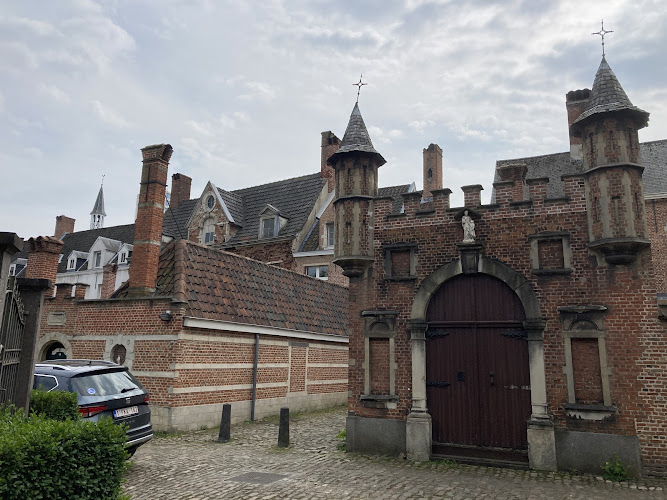
Key Highlights
- 13th-century origins and long continuous history
- Cluster of over 100 historic houses arranged around tranquil courtyards
- Central Baroque church anchoring the site
- Well-preserved vernacular architecture and peaceful gardened lanes
- Accessible location in Antwerp’s historic city centre
Location
Places to Stay Near Beguinage
Find and Book a Tour
Explore More Travel Guides
No reviews found! Be the first to review!
Beguinage is a prominent attractions located in Antwerp.
Visit us at: Rodestraat 39, 2000 Antwerpen, 벨기에.
Traveler Reviews for Beguinage
There are no reviews yet. Be the first one to write one.
Have you visited Beguinage? Help other travelers by sharing your review.
Nearby Attractions
Find Accommodations Nearby
Recommended Tours & Activities
Visitor Reviews
There are no reviews yet. Be the first one to write one.
Share Your Experience
Have you visited Beguinage? Help other travelers by leaving a review.
