About FOMU – Photo Museum Antwerp

Description

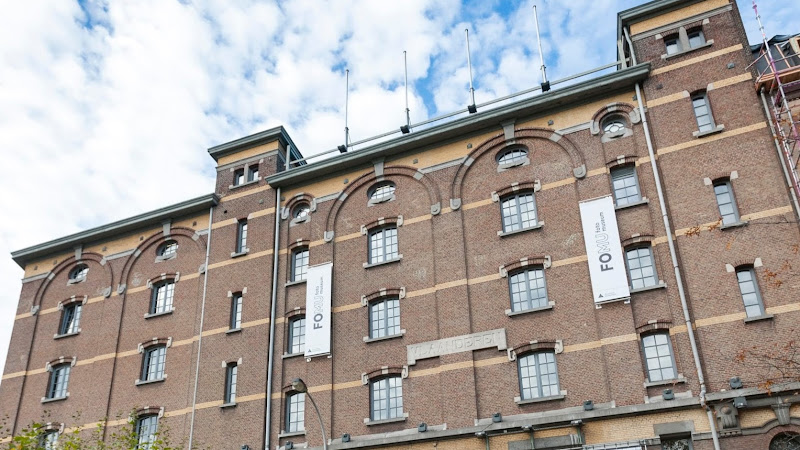
FOMU - Photo Museum Antwerp stands as one of Europe's premier destinations for photography enthusiasts and art lovers who appreciate the power of captured moments. This women-owned institution has carved out a distinctive space in Antwerp's cultural landscape, focusing exclusively on fine art photography through carefully curated exhibitions that span both contemporary works and historical masterpieces. And honestly, that singular focus makes all the difference - you're not getting a mixed bag of various art forms here but rather a deep dive into the photographic medium itself. The museum occupies a thoughtfully designed space that allows photographs to breathe and command attention in ways they deserve. When I think about photography museums, there's often this challenge of lighting and presentation that can make or break the viewing experience. FOMU seems to understand this intimately, creating environments where each exhibition can shine according to its specific needs. The temporary nature of their programming means you'll encounter something different with each visit, which keeps the experience fresh even for locals who return multiple times throughout the year. What really sets FOMU apart is its commitment to showcasing work from legendary photographers like Lee Miller alongside emerging contemporary artists. This blend creates fascinating conversations between different eras of photography, letting visitors see how the medium has evolved while appreciating its consistent power to document, challenge, and inspire. The museum doesn't just hang photos on walls - it creates narratives and explores themes that resonate with modern audiences while honoring photography's rich history. The space itself welcomes everyone, and I mean genuinely everyone. As an LGBTQ+ friendly establishment that proudly identifies as a transgender safe space, FOMU has made deliberate choices to ensure all visitors feel comfortable exploring art. The family-friendly atmosphere means parents can bring curious kids without worry, and the accessibility features demonstrate that experiencing great photography shouldn't be limited by physical mobility.

Key Features

  • Rotating temporary exhibitions featuring both contemporary and historical photography from internationally recognized artists
  • Dedicated focus on fine art photography as a medium, offering depth rather than breadth across art forms
  • Women-owned business supporting diverse voices in the photography world
  • Fully wheelchair accessible throughout including entrance, restrooms, and parking facilities
  • On-site restaurant providing convenient dining options during your visit
  • Gender-neutral restroom facilities demonstrating commitment to inclusivity
  • Family-friendly environment with changing tables for visitors with young children
  • LGBTQ+ friendly space designated as safe for transgender visitors
  • Exhibition programs that highlight underrepresented photographers and perspectives
  • Educational programming that deepens understanding of photographic techniques and history
  • Location in Antwerp's cultural district making it easy to combine with other attractions
  • Thoughtfully designed gallery spaces that enhance the viewing experience

Best Time to Visit

Timing your visit to FOMU really depends on what you're hoping to experience. The museum operates on rotating exhibition schedules, so checking their current programming before you go is essential - and I can't stress this enough. There's nothing worse than showing up to find an exhibition that doesn't match your interests when you could have planned around something more compelling to you personally. Weekday mornings, particularly Tuesday through Thursday, tend to offer the most peaceful viewing experience. You'll have more space to contemplate the photographs without crowds pressing in behind you, which matters more in a photography museum than you might think. These images often reward slow, careful observation, and having that breathing room enhances everything. Weekend afternoons can get busier, especially when FOMU hosts popular exhibitions or special events. But that energy has its own appeal - sometimes experiencing art alongside other enthusiasts creates a shared atmosphere that adds to the experience. If you don't mind company and perhaps enjoy overhearing others' reactions and interpretations, weekends work perfectly fine. The autumn and early spring months bring fewer tourists to Antwerp generally, which translates to quieter museum visits. September through November and March through early May offer that sweet spot of manageable crowds combined with pleasant weather for exploring the surrounding neighborhood before or after your museum visit. Exhibition openings happen throughout the year, and if you can time your visit to coincide with one, you'll experience FOMU at its most electric. These events often include opportunities to meet photographers, curators, or other art professionals, adding layers of context and understanding to what you're seeing. Avoid the first Sunday of the month if you prefer solitude - many museums offer special promotions or events on these days that draw larger crowds. Not that crowds are necessarily bad, but knowing what you're walking into helps set appropriate expectations.

How to Get There

Getting yourself to FOMU is refreshingly straightforward, which isn't always the case with museums tucked into European cities. Antwerp's public transportation system serves the museum area well, making it accessible whether you're staying in the city center or arriving from Brussels or other nearby cities. The tram system provides probably your easiest option if you're already in Antwerp. Several tram lines stop within comfortable walking distance of the museum, and the walk itself takes you through interesting neighborhoods worth experiencing. Public transportation in Antwerp functions reliably, though buying your ticket before boarding saves time and confusion - ticket machines at major stops accept cards and cash. If you're driving, and plenty of visitors do, the museum offers wheelchair accessible parking which removes one of the common stresses of visiting cultural institutions. That said, Antwerp's city center parking can get tricky during peak hours, so arriving earlier in the day gives you better options. GPS navigation works well here, though like many European cities, some streets have restricted access or confusing one-way patterns. Train travelers will find Antwerp's central station remarkably beautiful - seriously, it's worth arriving early just to appreciate the architecture - and from there you can catch a tram or enjoy a twenty-minute walk to FOMU. The walk takes you through parts of the city that help you understand Antwerp's character beyond its tourist highlights. Cycling is huge in Belgium, and Antwerp provides decent bike infrastructure if you're comfortable navigating city traffic. Bike parking near the museum exists, though securing your rental bike properly matters more in urban areas. International visitors flying into Brussels can reach Antwerp via direct train service in under an hour, making FOMU a viable day trip if you're based in Belgium's capital. The train frequency means you're not locked into rigid scheduling.

Tips for Visiting

Plan at least ninety minutes for your visit, though two hours gives you proper time to absorb what you're seeing without rushing. Photography exhibitions deserve contemplation, and I've found that hurrying through a photography museum defeats the entire purpose. These aren't paintings you can glance at and move on from - many photographs reveal details and meanings only after you've spent time with them. The on-site restaurant solves the common museum problem of getting hungry mid-visit and having to decide whether to leave or suffer through. Taking a break between exhibition rooms helps prevent that glazed-over feeling that happens when you've looked at too much art without pause. Your brain needs processing time. Bringing kids? The museum's family-friendly designation isn't just marketing speak - they've genuinely created a space where children can experience art without constant shushing. That said, photography museums inherently offer less interactive elements than science or natural history museums, so managing expectations helps. The changing tables in restrooms show they've thought about practical family needs. Check if photography is permitted before snapping away with your phone. Some exhibitions restrict photography for copyright reasons, while others allow it. Nothing's more embarrassing than getting told off by security for something you could've avoided. The gender-neutral restroom facilities matter more than you might initially think - they signal a museum that's considered diverse visitor needs beyond basic accessibility checkboxes. This attention to inclusion extends throughout the visitor experience. Comfortable shoes aren't optional. Museum floors get tiring even when you think you're just standing around looking at art. Your feet and back will thank you for choosing comfort over style. Don't feel obligated to see everything if an exhibition isn't resonating with you. Some photographic work connects immediately while other pieces might not speak to your personal taste, and that's completely fine. Moving through at your own pace based on your genuine interest creates a better experience than forcing yourself to appreciate something that isn't landing. Visit the museum shop after your exhibition viewing - it typically stocks excellent photography books and prints that make meaningful souvenirs. Supporting a women-owned institution through purchases helps sustain the kind of specialized cultural programming that larger museums sometimes overlook. If you're visiting Antwerp specifically for FOMU, consider building your day around the museum rather than squeezing it between other activities. Photography deserves mental space and attention that's difficult to provide when you're rushing between tourist checkpoints. The museum's commitment to being a transgender safe space and LGBTQ+ friendly environment should give all visitors confidence they'll be treated respectfully regardless of identity or presentation. That kind of explicit welcoming stance remains unfortunately rare enough to warrant appreciation and support.

Key Features

  • Dedicated photography museum with rotating international and Belgian-focused exhibitions
  • Compact, well-curated galleries that allow in-depth engagement
  • Museum shop with photography books and prints
  • Accessible location on the Waalsekaai with nearby riverfront views
  • Educational programs, talks and occasional special commissions

More Details

Updated March 30, 2026

Description

FOMU – Photo Museum Antwerp stands as one of Europe’s premier destinations for photography enthusiasts and art lovers who appreciate the power of captured moments. This women-owned institution has carved out a distinctive space in Antwerp’s cultural landscape, focusing exclusively on fine art photography through carefully curated exhibitions that span both contemporary works and historical masterpieces. And honestly, that singular focus makes all the difference – you’re not getting a mixed bag of various art forms here but rather a deep dive into the photographic medium itself.

The museum occupies a thoughtfully designed space that allows photographs to breathe and command attention in ways they deserve. When I think about photography museums, there’s often this challenge of lighting and presentation that can make or break the viewing experience. FOMU seems to understand this intimately, creating environments where each exhibition can shine according to its specific needs. The temporary nature of their programming means you’ll encounter something different with each visit, which keeps the experience fresh even for locals who return multiple times throughout the year.

What really sets FOMU apart is its commitment to showcasing work from legendary photographers like Lee Miller alongside emerging contemporary artists. This blend creates fascinating conversations between different eras of photography, letting visitors see how the medium has evolved while appreciating its consistent power to document, challenge, and inspire. The museum doesn’t just hang photos on walls – it creates narratives and explores themes that resonate with modern audiences while honoring photography’s rich history.

The space itself welcomes everyone, and I mean genuinely everyone. As an LGBTQ+ friendly establishment that proudly identifies as a transgender safe space, FOMU has made deliberate choices to ensure all visitors feel comfortable exploring art. The family-friendly atmosphere means parents can bring curious kids without worry, and the accessibility features demonstrate that experiencing great photography shouldn’t be limited by physical mobility.

Key Features

  • Rotating temporary exhibitions featuring both contemporary and historical photography from internationally recognized artists
  • Dedicated focus on fine art photography as a medium, offering depth rather than breadth across art forms
  • Women-owned business supporting diverse voices in the photography world
  • Fully wheelchair accessible throughout including entrance, restrooms, and parking facilities
  • On-site restaurant providing convenient dining options during your visit
  • Gender-neutral restroom facilities demonstrating commitment to inclusivity
  • Family-friendly environment with changing tables for visitors with young children
  • LGBTQ+ friendly space designated as safe for transgender visitors
  • Exhibition programs that highlight underrepresented photographers and perspectives
  • Educational programming that deepens understanding of photographic techniques and history
  • Location in Antwerp’s cultural district making it easy to combine with other attractions
  • Thoughtfully designed gallery spaces that enhance the viewing experience

Best Time to Visit

Timing your visit to FOMU really depends on what you’re hoping to experience. The museum operates on rotating exhibition schedules, so checking their current programming before you go is essential – and I can’t stress this enough. There’s nothing worse than showing up to find an exhibition that doesn’t match your interests when you could have planned around something more compelling to you personally.

Weekday mornings, particularly Tuesday through Thursday, tend to offer the most peaceful viewing experience. You’ll have more space to contemplate the photographs without crowds pressing in behind you, which matters more in a photography museum than you might think. These images often reward slow, careful observation, and having that breathing room enhances everything.

Weekend afternoons can get busier, especially when FOMU hosts popular exhibitions or special events. But that energy has its own appeal – sometimes experiencing art alongside other enthusiasts creates a shared atmosphere that adds to the experience. If you don’t mind company and perhaps enjoy overhearing others’ reactions and interpretations, weekends work perfectly fine.

The autumn and early spring months bring fewer tourists to Antwerp generally, which translates to quieter museum visits. September through November and March through early May offer that sweet spot of manageable crowds combined with pleasant weather for exploring the surrounding neighborhood before or after your museum visit.

Exhibition openings happen throughout the year, and if you can time your visit to coincide with one, you’ll experience FOMU at its most electric. These events often include opportunities to meet photographers, curators, or other art professionals, adding layers of context and understanding to what you’re seeing.

Avoid the first Sunday of the month if you prefer solitude – many museums offer special promotions or events on these days that draw larger crowds. Not that crowds are necessarily bad, but knowing what you’re walking into helps set appropriate expectations.

How to Get There

Getting yourself to FOMU is refreshingly straightforward, which isn’t always the case with museums tucked into European cities. Antwerp’s public transportation system serves the museum area well, making it accessible whether you’re staying in the city center or arriving from Brussels or other nearby cities.

The tram system provides probably your easiest option if you’re already in Antwerp. Several tram lines stop within comfortable walking distance of the museum, and the walk itself takes you through interesting neighborhoods worth experiencing. Public transportation in Antwerp functions reliably, though buying your ticket before boarding saves time and confusion – ticket machines at major stops accept cards and cash.

If you’re driving, and plenty of visitors do, the museum offers wheelchair accessible parking which removes one of the common stresses of visiting cultural institutions. That said, Antwerp’s city center parking can get tricky during peak hours, so arriving earlier in the day gives you better options. GPS navigation works well here, though like many European cities, some streets have restricted access or confusing one-way patterns.

Train travelers will find Antwerp’s central station remarkably beautiful – seriously, it’s worth arriving early just to appreciate the architecture – and from there you can catch a tram or enjoy a twenty-minute walk to FOMU. The walk takes you through parts of the city that help you understand Antwerp’s character beyond its tourist highlights.

Cycling is huge in Belgium, and Antwerp provides decent bike infrastructure if you’re comfortable navigating city traffic. Bike parking near the museum exists, though securing your rental bike properly matters more in urban areas.

International visitors flying into Brussels can reach Antwerp via direct train service in under an hour, making FOMU a viable day trip if you’re based in Belgium’s capital. The train frequency means you’re not locked into rigid scheduling.

Tips for Visiting

Plan at least ninety minutes for your visit, though two hours gives you proper time to absorb what you’re seeing without rushing. Photography exhibitions deserve contemplation, and I’ve found that hurrying through a photography museum defeats the entire purpose. These aren’t paintings you can glance at and move on from – many photographs reveal details and meanings only after you’ve spent time with them.

The on-site restaurant solves the common museum problem of getting hungry mid-visit and having to decide whether to leave or suffer through. Taking a break between exhibition rooms helps prevent that glazed-over feeling that happens when you’ve looked at too much art without pause. Your brain needs processing time.

Bringing kids? The museum’s family-friendly designation isn’t just marketing speak – they’ve genuinely created a space where children can experience art without constant shushing. That said, photography museums inherently offer less interactive elements than science or natural history museums, so managing expectations helps. The changing tables in restrooms show they’ve thought about practical family needs.

Check if photography is permitted before snapping away with your phone. Some exhibitions restrict photography for copyright reasons, while others allow it. Nothing’s more embarrassing than getting told off by security for something you could’ve avoided.

The gender-neutral restroom facilities matter more than you might initially think – they signal a museum that’s considered diverse visitor needs beyond basic accessibility checkboxes. This attention to inclusion extends throughout the visitor experience.

Comfortable shoes aren’t optional. Museum floors get tiring even when you think you’re just standing around looking at art. Your feet and back will thank you for choosing comfort over style.

Don’t feel obligated to see everything if an exhibition isn’t resonating with you. Some photographic work connects immediately while other pieces might not speak to your personal taste, and that’s completely fine. Moving through at your own pace based on your genuine interest creates a better experience than forcing yourself to appreciate something that isn’t landing.

Visit the museum shop after your exhibition viewing – it typically stocks excellent photography books and prints that make meaningful souvenirs. Supporting a women-owned institution through purchases helps sustain the kind of specialized cultural programming that larger museums sometimes overlook.

If you’re visiting Antwerp specifically for FOMU, consider building your day around the museum rather than squeezing it between other activities. Photography deserves mental space and attention that’s difficult to provide when you’re rushing between tourist checkpoints.

The museum’s commitment to being a transgender safe space and LGBTQ+ friendly environment should give all visitors confidence they’ll be treated respectfully regardless of identity or presentation. That kind of explicit welcoming stance remains unfortunately rare enough to warrant appreciation and support.

Key Highlights

  • Dedicated photography museum with rotating international and Belgian-focused exhibitions
  • Compact, well-curated galleries that allow in-depth engagement
  • Museum shop with photography books and prints
  • Accessible location on the Waalsekaai with nearby riverfront views
  • Educational programs, talks and occasional special commissions

Location

Places to Stay Near FOMU - Photo Museum Antwerp

Find and Book a Tour

Explore More Travel Guides

No reviews found! Be the first to review!

FOMU – Photo Museum Antwerp is a prominent attractions located in Antwerp.

Visit us at: Waalsekaai 47, 2000 Antwerpen, Belgium.

Traveler Reviews for FOMU – Photo Museum Antwerp

There are no reviews yet. Be the first one to write one.

Share Your Experience

Have you visited FOMU – Photo Museum Antwerp? Help other travelers by sharing your review.

Nearby Attractions

Antwerp Old Town (Grote Markt and Cathedral of Our Lady) MAS (Museum aan de Stroom) Het Steen and the Scheldt riverfront

Find Accommodations Nearby

Recommended Tours & Activities

Visitor Reviews

There are no reviews yet. Be the first one to write one.

Share Your Experience

Have you visited FOMU – Photo Museum Antwerp? Help other travelers by leaving a review.