Museum 4.5 Antwerp, BelgiumCommunity Guide

MAS – Museum aan de Stroom

Hanzestedenplaats 1, 2000 Antwerpen, Belgium

MAS – Museum aan de Stroom
80,542 Photos

About & Overview

Description

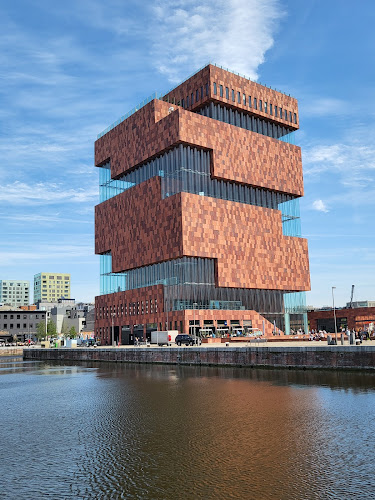
Perched on the redeveloped docks of Antwerp, MAS (Museum aan de Stroom) is a bold, stacked-red-sandstone landmark that tells the city’s story through maritime trade, migration, and global connections. Opened in 2011 to reunite several dispersed city collections, MAS blends striking contemporary architecture with richly curated displays: maritime artifacts, ethnographic objects, and civic treasures that trace Antwerp’s role as a port of passage. Visitors climb a sequence of galleries and wraparound viewing terraces that gradually reveal the city and the river — the building itself is part of the experience. Exhibitions rotate between local history and themed international displays, while the top panoramic terrace delivers one of the best free views over Antwerp and its harbor. Whether you’re a history buff keen on Antwerp’s trading past, an architecture admirer drawn to the dramatic stacked volumes and red sandstone facades, or a traveler seeking a compact cultural overview of the city, MAS rewards with sensory storytelling and photogenic vantage points that make a visit genuinely memorable.

Highlights & Key Features

  • Striking stacked-red-sandstone architecture and sculptural exterior
  • Panoramic rooftop terraces with sweeping views of Antwerp and the port
  • Permanent collections linking Antwerp’s maritime, urban and global histories
  • Rotating special exhibitions and contemporary cultural displays
  • Museum shops and café with riverside/dockside atmosphere

Visitor Guide & Information

Description

The MAS – Museum aan de Stroom stands as one of Antwerp’s most distinctive architectural achievements, and honestly, you can’t miss it even if you tried. This bold red sandstone tower rises above the historic port district like a sculptural beacon, its layered design creating this fascinating interplay of light and shadow that changes throughout the day. When I first encountered this building, I remember thinking it looked like someone had stacked enormous gift boxes at slightly offset angles – and that’s precisely what makes it so memorable.

But the MAS isn’t just about pretty architecture. This museum tells the story of Antwerp’s relationship with the world through its port, trade, and cultural exchanges spanning centuries. The building itself houses ten floors of exhibition space, though calling them “floors” doesn’t quite capture the experience. Each level feels like its own world, connected by these transparent escalators that give you constantly shifting views of the city as you ascend. And here’s something most visitors don’t realize until they arrive – the journey up through the building is just as much part of the experience as the exhibitions themselves.

The museum opened in 2011, transforming the old docklands area called Het Eilandje into a cultural destination. Before that, this neighborhood was pretty rough around the edges, filled with abandoned warehouses and forgotten maritime infrastructure. Now it’s become this fascinating blend of industrial heritage and contemporary culture. The MAS anchors this transformation, drawing visitors who might never have ventured to this part of Antwerp otherwise.

Inside, you’ll find collections that explore everything from maritime history to ethnographic artifacts from across the globe. The museum doesn’t shy away from the complex, sometimes uncomfortable history of Antwerp as a major trading port. There are exhibitions dealing with colonialism, immigration, and the movement of people and goods that shaped not just the city but global commerce. It’s refreshingly honest in its approach, which makes the experience feel more authentic than your typical museum visit.

Key Features

  • The striking red sandstone exterior constructed from Indian sandstone creates an immediately recognizable landmark visible throughout Antwerp’s skyline
  • Panoramic rooftop terrace offering 360-degree views of the city, port, and Scheldt River – completely free to access even without a museum ticket
  • Transparent escalators and glass-walled corridors providing continuously changing perspectives as visitors move through the building
  • Permanent collection featuring over 470,000 objects ranging from maritime artifacts to ethnographic pieces from Africa, Asia, Oceania, and the Americas
  • State-of-the-art interactive displays and multimedia installations that bring historical narratives to life in engaging ways
  • The Boulevard – a vertical street inside the building where each landing offers different views and smaller exhibitions
  • Special exhibitions that rotate throughout the year, often focusing on contemporary issues related to globalization and cultural exchange
  • Full accessibility features including wheelchair-accessible entrances, restrooms, and elevators as alternatives to escalators
  • On-site restaurant with windows overlooking the harbor, perfect for meals with a view
  • The museum’s tower structure itself serves as an exhibition, with each floor having a different theme related to Antwerp’s global connections
  • Outdoor sculpture terrace on multiple levels creating unexpected encounter spaces with art and architecture
  • Educational programs and workshops particularly suited for families and younger visitors

Best Time to Visit

Here’s the thing about timing your visit to the MAS – it really depends on what you’re after. The museum maintains fairly consistent visitor numbers throughout the year, but there are definitely sweet spots that can enhance your experience significantly.

Weekday mornings, particularly Tuesday through Thursday, offer the most peaceful experience. I’ve found that arriving within the first hour of opening gives you a chance to have certain exhibition spaces almost to yourself, which is rare for such a popular attraction. The natural light filtering through the building’s many windows is also at its best during morning hours, making the architectural experience even more dramatic.

Season-wise, autumn brings something special to the MAS experience. September through November offers that perfect combination of comfortable weather for the rooftop terrace and fewer tourist crowds compared to summer months. The Belgian weather can be unpredictable, sure, but there’s something about visiting during this period when the light takes on this golden quality over the Scheldt River.

Summer weekends get packed – there’s no way around it. If you’re visiting during July or August, consider going later in the afternoon or early evening. The museum often extends hours during peak season, and watching sunset from the rooftop terrace is genuinely spectacular. The port comes alive with activity, and you get to see Antwerp transition from day to night from this elevated vantage point.

Winter visits have their own charm too. The museum becomes a warm refuge from the cold, damp Belgian weather, and the holiday season brings special programming and decorations. Plus, the views from the top on a clear winter day can be absolutely crystalline. Just know that weather might limit how long you want to linger on the outdoor terraces.

One tip that surprisingly few visitors know about – the first Wednesday afternoon of each month is typically quieter than you’d expect, despite being a popular day for locals. School groups tend to visit earlier in the week, making this an unexpectedly good time to explore.

How to Get There

Getting to the MAS is refreshingly straightforward, though the museum’s location in Het Eilandje means you’re venturing slightly beyond Antwerp’s traditional tourist center. And honestly, that’s part of the appeal – the journey there takes you through interesting neighborhoods you might otherwise miss.

From Antwerp Central Station, you’ve got several options. The most scenic route involves a twenty-minute walk that takes you through the old city center and along the Scheldt River. Head northwest from the station, cut through the historic streets, and follow the waterfront north. You’ll pass some genuinely interesting architecture and get a feel for how Antwerp’s layout evolved around its port. Just remember that Belgian weather can turn quickly, so having an umbrella handy isn’t the worst idea.

Public transport offers efficient alternatives. Tram line 7 will get you close, though you’ll still have a short walk from the stop. Bus routes 17 and 180 also service the area. A single ticket costs around €3, and the journey takes roughly fifteen minutes depending on your starting point. The Flemish public transport system is reliable, and most drivers speak enough English to help if you’re confused.

If you’re staying in the city center, consider taking tram line 3 to the Melkmarkt stop, then walking the remaining distance through the Maritime Quarter. This route gives you a taste of the neighborhood’s ongoing transformation from industrial zone to residential and cultural area.

For those driving, paid street parking is available throughout Het Eilandje, though spaces can be limited during peak hours. There are several parking garages within walking distance, with rates typically ranging from €2-3 per hour. The Parking Cadix is probably your best bet, located just a few minutes walk from the museum entrance.

Cycling is another excellent option if you’re comfortable on a bike. Antwerp has decent cycling infrastructure, and bike racks are available near the museum entrance. The city’s bike-share system, Velo, has stations in the area if you don’t have your own wheels.

Tips for Visiting

Let me share some insights that’ll help you make the most of your MAS experience, because there are definitely ways to optimize your visit that aren’t immediately obvious.

First thing – and I can’t stress this enough – don’t skip the rooftop even if you’re not planning to see the exhibitions. Access to the panoramic terrace is completely free, which means you can pop up for the views without committing to a full museum ticket. That said, the exhibitions are genuinely worth your time and admission fee, but having this flexibility is great if you’re on a tight budget or short on time.

Plan for at least three hours if you want to properly explore the permanent collection and any special exhibitions. Rushing through defeats the purpose, and the building itself rewards slow exploration. Those escalator rides between floors? They’re designed to be contemplative moments where you process what you’ve seen and anticipate what’s coming. Fighting against that rhythm makes the experience feel disjointed.

The museum restaurant serves decent food, but it’s definitely priced for tourists. If you’re watching your budget, consider eating before or after your visit. The surrounding Het Eilandje neighborhood has developed some excellent dining options in recent years, often at better value. However, the restaurant’s views are admittedly impressive, so maybe grab a coffee or drink there just for the experience.

Photography is generally allowed in most areas, but flash and tripods are prohibited. Some temporary exhibitions may have restrictions, so check signage as you go. The building itself is incredibly photogenic – those escalators and the interplay of windows create natural frames for both interior architecture shots and city views.

Families with young children should know that while the museum markets itself as kid-friendly, some exhibitions deal with mature historical themes. The changing tables and general accessibility features are excellent, though. There are interactive elements designed for younger visitors, but this isn’t primarily a children’s museum. Kids fascinated by ships, trade, and world cultures will likely enjoy it more than those expecting hands-on play areas.

Wear comfortable shoes. You’re going to be on your feet quite a bit, and those ten floors add up even with escalators doing most of the work. The floors can be slippery in wet weather since visitors track in moisture, so watch your step.

Audio guides are available and honestly quite good, though they add to the admission cost. I’ve done the museum both with and without, and the audio guide definitely enriches the experience by providing context that isn’t always apparent from exhibition labels alone.

If you’re interested in the maritime and port aspects, try to time your visit when cargo ships are active in the harbor. Watching the modern port operations while learning about historical trade creates this fascinating temporal connection. Early afternoon on weekdays tends to see the most harbor activity.

The museum shop is actually worth browsing, which isn’t something I say often. They stock interesting design objects and books related to the exhibitions that go beyond typical museum souvenirs. If you’re looking for distinctive gifts, this is a solid option.

Finally, don’t treat the MAS as your only reason to visit Het Eilandje. The neighborhood itself has transformed dramatically and deserves exploration. Historic warehouses converted into galleries, new residential developments, and the preserved maritime infrastructure create this fascinating urban landscape that reflects Antwerp’s ongoing evolution. The museum makes an excellent anchor for a half-day or full-day exploration of the area.

Community & Insider Notes

Last modified August 17, 2026

Description

The MAS – Museum aan de Stroom stands as one of Antwerp’s most distinctive architectural achievements, and honestly, you can’t miss it even if you tried. This bold red sandstone tower rises above the historic port district like a sculptural beacon, its layered design creating this fascinating interplay of light and shadow that changes throughout the day. When I first encountered this building, I remember thinking it looked like someone had stacked enormous gift boxes at slightly offset angles – and that’s precisely what makes it so memorable.

But the MAS isn’t just about pretty architecture. This museum tells the story of Antwerp’s relationship with the world through its port, trade, and cultural exchanges spanning centuries. The building itself houses ten floors of exhibition space, though calling them “floors” doesn’t quite capture the experience. Each level feels like its own world, connected by these transparent escalators that give you constantly shifting views of the city as you ascend. And here’s something most visitors don’t realize until they arrive – the journey up through the building is just as much part of the experience as the exhibitions themselves.

The museum opened in 2011, transforming the old docklands area called Het Eilandje into a cultural destination. Before that, this neighborhood was pretty rough around the edges, filled with abandoned warehouses and forgotten maritime infrastructure. Now it’s become this fascinating blend of industrial heritage and contemporary culture. The MAS anchors this transformation, drawing visitors who might never have ventured to this part of Antwerp otherwise.

Inside, you’ll find collections that explore everything from maritime history to ethnographic artifacts from across the globe. The museum doesn’t shy away from the complex, sometimes uncomfortable history of Antwerp as a major trading port. There are exhibitions dealing with colonialism, immigration, and the movement of people and goods that shaped not just the city but global commerce. It’s refreshingly honest in its approach, which makes the experience feel more authentic than your typical museum visit.

Key Features

  • The striking red sandstone exterior constructed from Indian sandstone creates an immediately recognizable landmark visible throughout Antwerp’s skyline
  • Panoramic rooftop terrace offering 360-degree views of the city, port, and Scheldt River – completely free to access even without a museum ticket
  • Transparent escalators and glass-walled corridors providing continuously changing perspectives as visitors move through the building
  • Permanent collection featuring over 470,000 objects ranging from maritime artifacts to ethnographic pieces from Africa, Asia, Oceania, and the Americas
  • State-of-the-art interactive displays and multimedia installations that bring historical narratives to life in engaging ways
  • The Boulevard – a vertical street inside the building where each landing offers different views and smaller exhibitions
  • Special exhibitions that rotate throughout the year, often focusing on contemporary issues related to globalization and cultural exchange
  • Full accessibility features including wheelchair-accessible entrances, restrooms, and elevators as alternatives to escalators
  • On-site restaurant with windows overlooking the harbor, perfect for meals with a view
  • The museum’s tower structure itself serves as an exhibition, with each floor having a different theme related to Antwerp’s global connections
  • Outdoor sculpture terrace on multiple levels creating unexpected encounter spaces with art and architecture
  • Educational programs and workshops particularly suited for families and younger visitors

Best Time to Visit

Here’s the thing about timing your visit to the MAS – it really depends on what you’re after. The museum maintains fairly consistent visitor numbers throughout the year, but there are definitely sweet spots that can enhance your experience significantly.

Weekday mornings, particularly Tuesday through Thursday, offer the most peaceful experience. I’ve found that arriving within the first hour of opening gives you a chance to have certain exhibition spaces almost to yourself, which is rare for such a popular attraction. The natural light filtering through the building’s many windows is also at its best during morning hours, making the architectural experience even more dramatic.

Season-wise, autumn brings something special to the MAS experience. September through November offers that perfect combination of comfortable weather for the rooftop terrace and fewer tourist crowds compared to summer months. The Belgian weather can be unpredictable, sure, but there’s something about visiting during this period when the light takes on this golden quality over the Scheldt River.

Summer weekends get packed – there’s no way around it. If you’re visiting during July or August, consider going later in the afternoon or early evening. The museum often extends hours during peak season, and watching sunset from the rooftop terrace is genuinely spectacular. The port comes alive with activity, and you get to see Antwerp transition from day to night from this elevated vantage point.

Winter visits have their own charm too. The museum becomes a warm refuge from the cold, damp Belgian weather, and the holiday season brings special programming and decorations. Plus, the views from the top on a clear winter day can be absolutely crystalline. Just know that weather might limit how long you want to linger on the outdoor terraces.

One tip that surprisingly few visitors know about – the first Wednesday afternoon of each month is typically quieter than you’d expect, despite being a popular day for locals. School groups tend to visit earlier in the week, making this an unexpectedly good time to explore.

How to Get There

Getting to the MAS is refreshingly straightforward, though the museum’s location in Het Eilandje means you’re venturing slightly beyond Antwerp’s traditional tourist center. And honestly, that’s part of the appeal – the journey there takes you through interesting neighborhoods you might otherwise miss.

From Antwerp Central Station, you’ve got several options. The most scenic route involves a twenty-minute walk that takes you through the old city center and along the Scheldt River. Head northwest from the station, cut through the historic streets, and follow the waterfront north. You’ll pass some genuinely interesting architecture and get a feel for how Antwerp’s layout evolved around its port. Just remember that Belgian weather can turn quickly, so having an umbrella handy isn’t the worst idea.

Public transport offers efficient alternatives. Tram line 7 will get you close, though you’ll still have a short walk from the stop. Bus routes 17 and 180 also service the area. A single ticket costs around €3, and the journey takes roughly fifteen minutes depending on your starting point. The Flemish public transport system is reliable, and most drivers speak enough English to help if you’re confused.

If you’re staying in the city center, consider taking tram line 3 to the Melkmarkt stop, then walking the remaining distance through the Maritime Quarter. This route gives you a taste of the neighborhood’s ongoing transformation from industrial zone to residential and cultural area.

For those driving, paid street parking is available throughout Het Eilandje, though spaces can be limited during peak hours. There are several parking garages within walking distance, with rates typically ranging from €2-3 per hour. The Parking Cadix is probably your best bet, located just a few minutes walk from the museum entrance.

Cycling is another excellent option if you’re comfortable on a bike. Antwerp has decent cycling infrastructure, and bike racks are available near the museum entrance. The city’s bike-share system, Velo, has stations in the area if you don’t have your own wheels.

Tips for Visiting

Let me share some insights that’ll help you make the most of your MAS experience, because there are definitely ways to optimize your visit that aren’t immediately obvious.

First thing – and I can’t stress this enough – don’t skip the rooftop even if you’re not planning to see the exhibitions. Access to the panoramic terrace is completely free, which means you can pop up for the views without committing to a full museum ticket. That said, the exhibitions are genuinely worth your time and admission fee, but having this flexibility is great if you’re on a tight budget or short on time.

Plan for at least three hours if you want to properly explore the permanent collection and any special exhibitions. Rushing through defeats the purpose, and the building itself rewards slow exploration. Those escalator rides between floors? They’re designed to be contemplative moments where you process what you’ve seen and anticipate what’s coming. Fighting against that rhythm makes the experience feel disjointed.

The museum restaurant serves decent food, but it’s definitely priced for tourists. If you’re watching your budget, consider eating before or after your visit. The surrounding Het Eilandje neighborhood has developed some excellent dining options in recent years, often at better value. However, the restaurant’s views are admittedly impressive, so maybe grab a coffee or drink there just for the experience.

Photography is generally allowed in most areas, but flash and tripods are prohibited. Some temporary exhibitions may have restrictions, so check signage as you go. The building itself is incredibly photogenic – those escalators and the interplay of windows create natural frames for both interior architecture shots and city views.

Families with young children should know that while the museum markets itself as kid-friendly, some exhibitions deal with mature historical themes. The changing tables and general accessibility features are excellent, though. There are interactive elements designed for younger visitors, but this isn’t primarily a children’s museum. Kids fascinated by ships, trade, and world cultures will likely enjoy it more than those expecting hands-on play areas.

Wear comfortable shoes. You’re going to be on your feet quite a bit, and those ten floors add up even with escalators doing most of the work. The floors can be slippery in wet weather since visitors track in moisture, so watch your step.

Audio guides are available and honestly quite good, though they add to the admission cost. I’ve done the museum both with and without, and the audio guide definitely enriches the experience by providing context that isn’t always apparent from exhibition labels alone.

If you’re interested in the maritime and port aspects, try to time your visit when cargo ships are active in the harbor. Watching the modern port operations while learning about historical trade creates this fascinating temporal connection. Early afternoon on weekdays tends to see the most harbor activity.

The museum shop is actually worth browsing, which isn’t something I say often. They stock interesting design objects and books related to the exhibitions that go beyond typical museum souvenirs. If you’re looking for distinctive gifts, this is a solid option.

Finally, don’t treat the MAS as your only reason to visit Het Eilandje. The neighborhood itself has transformed dramatically and deserves exploration. Historic warehouses converted into galleries, new residential developments, and the preserved maritime infrastructure create this fascinating urban landscape that reflects Antwerp’s ongoing evolution. The museum makes an excellent anchor for a half-day or full-day exploration of the area.

Key Highlights

  • Striking stacked-red-sandstone architecture and sculptural exterior
  • Panoramic rooftop terraces with sweeping views of Antwerp and the port
  • Permanent collections linking Antwerp’s maritime, urban and global histories
  • Rotating special exhibitions and contemporary cultural displays
  • Museum shops and café with riverside/dockside atmosphere

Location

Places to Stay Near MAS – Museum aan de Stroom

Find and Book a Tour

Explore More Travel Guides

No reviews found! Be the first to review!

Select a Rating5 Stars4 Stars3 Stars2 Stars1 Star

MAS – Museum aan de Stroom is a prominent museums located in Antwerp.

Visit us at: Hanzestedenplaats 1, 2000 Antwerpen, Belgium.

Nearby Attractions (Within 5 km)

Explore verified points of interest within walking or short transit distance.

No neighboring places mapped within 5 km yet.

Find Places to Stay Nearby

Stay22 provides this accommodation search. We may earn a commission if you book through it; verify current prices and terms with the provider.

Recommended Experiences & Activities

GetYourGuide provides this tour inventory. We may earn a commission if you book through it; verify current availability, prices, and terms with the provider.

Top Viator Experiences & Guided Tours in Antwerp

We may earn a commission if you book through links on this page at no extra cost to you. All tours feature verified customer reviews and flexible cancellation options.

Traveler Reviews & Community Q&A

No traveler reviews yet. Share your experience below!

No traveler questions yet. Be the first to ask a local!

Real Journey Travels Community

Reset your password · Create an account