
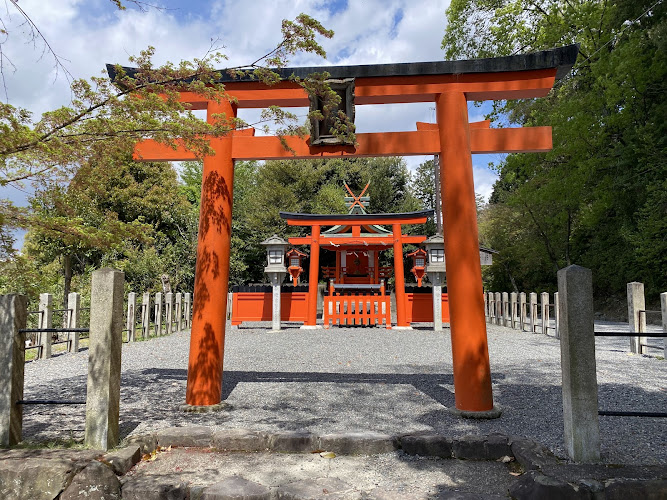
Yoshida Shrine
About Yoshida Shrine
Description
Yoshida Shrine is one of those places in Kyoto that quietly captures your heart without even trying. Founded back in 859 CE, this ancient Shinto shrine sits on the gentle slopes of Yoshida Hill, surrounded by whispering cedar trees and the kind of calm that makes you instinctively lower your voice. It’s dedicated to the deity of learning and education, which explains why you’ll often spot students tying their fortunes with hopeful smiles before exams. There’s something profoundly human about that – the way people still come here, after more than a thousand years, to ask the gods for a little luck and guidance.
The shrine’s history is intertwined with the life of Yoshida Kanetomo, the founder of Yoshida Shinto, who is buried here. His influence shaped the way Shinto was practiced during the Muromachi period, and even now, you can feel a sense of reverence in the air. The architecture is classic Heian-period elegance – wooden halls with gently curving roofs, vermilion gates peeking through the trees, and a layout that feels almost like a conversation between nature and spirituality. It’s not flashy, and that’s exactly what makes it special.
When I first visited, I remember wandering through the grounds in late autumn. The maple leaves had turned a deep crimson, and the air smelled faintly of incense and damp earth. A local elderly man told me that the shrine’s annual Setsubun Festival is one of Kyoto’s most spirited events, drawing crowds who come to banish evil spirits and welcome good fortune. He said it with such pride that I promised myself I’d come back for it someday. And if you’re lucky enough to be in Kyoto in early February, you absolutely should.
Key Features
- Ancient Heritage: Established in 859 CE, Yoshida Shrine holds over a millennium of history and spiritual tradition.
- Connection to Yoshida Kanetomo: The shrine marks the burial site of the influential Shinto scholar and priest who shaped the Yoshida Shinto sect.
- Setsubun Festival: One of Kyoto’s most famous seasonal events, featuring traditional rituals, food stalls, and the lively throwing of beans to drive away evil spirits.
- Tranquil Setting: Located on Yoshida Hill, the shrine is surrounded by forested paths that feel worlds away from the city bustle.
- Architecture: Classic Heian-style structures with wooden pavilions, torii gates, and lanterns that glow softly at dusk.
- Educational Blessings: A popular spot for students seeking success in exams and academic pursuits.
- Local Atmosphere: Unlike the more crowded shrines in Kyoto, Yoshida Shrine maintains a quiet, community-centered charm.
Best Time to Visit
If you ask me, Yoshida Shrine feels different depending on the season, and that’s part of its magic. Spring brings soft cherry blossoms that flutter across the pathways like pink snow. Summer, though humid, has this lush green serenity that makes the shrine’s wooden structures stand out beautifully. Autumn might be the most photogenic time, with fiery red and golden leaves blanketing the grounds. But winter – winter is when the shrine feels the most spiritual. The air is crisp, the crowds thin, and the sound of your footsteps on the gravel feels almost meditative.
The biggest event, hands down, is the Setsubun Festival in early February. It’s a lively mix of tradition, noise, and joy. Locals and visitors gather to toss roasted soybeans, chant blessings, and watch performances that celebrate the changing of the seasons. Even if you’re not particularly spiritual, it’s impossible not to feel the energy of it all. I once stood near the main gate during Setsubun, surrounded by families laughing and cheering, and thought – this is Kyoto at its most alive.
How to Get There
Reaching Yoshida Shrine is surprisingly easy if you’re already exploring Kyoto’s eastern side. It’s located near Kyoto University, so the area has a youthful, academic vibe. From Kyoto Station, you can take a city bus heading toward Ginkaku-ji or the Kyoto University area – it’s about a 30-minute ride. Once you get off near Yoshida Hill, the walk up to the shrine takes around ten minutes. The path is slightly uphill but shaded by trees, so it’s pleasant even on warmer days.
If you prefer walking, you can combine your visit with nearby spots like Shinnyodo Temple or Kurodani Temple. They’re all within a short stroll, and each has its own quiet charm. I personally love walking through this part of Kyoto because you’ll often stumble upon small tea shops or locals selling handmade charms. There’s something deeply satisfying about discovering these little details along the way.
Tips for Visiting
Here’s the thing about Yoshida Shrine – it’s not the kind of place you rush through. Take your time. Let yourself wander. The shrine grounds are larger than they first appear, with small sub-shrines tucked away in the forest. You might find one dedicated to love, another to health, or even one for academic success. Each has its own energy, and if you’re anything like me, you’ll find yourself pausing at each one just to take it in.
- Visit early in the morning: The light filtering through the trees is breathtaking, and you’ll likely have the place almost to yourself.
- Bring cash: Many of the small stalls and omikuji (fortune slips) require coins, and there aren’t ATMs nearby.
- Respect the rituals: Even if you’re not familiar with Shinto customs, a simple bow before and after entering the main hall shows respect.
- Wear comfortable shoes: The grounds are uneven in places, and you’ll want to explore every little path.
- Don’t skip the Setsubun Festival: If you’re in Kyoto in February, it’s a must-see. The energy, the food, the laughter – it’s unforgettable.
One small note – the shrine isn’t fully wheelchair accessible, and some paths can be steep. Restrooms are available, though, which is always handy when you’re exploring for a few hours. And if you’re into photography, this place is a dream. The interplay of light and shadow, the moss-covered stones, and the way the torii gates frame the trees – it’s all incredibly photogenic without feeling staged.
Personally, I think Yoshida Shrine is one of Kyoto’s hidden gems. It doesn’t have the crowds of Fushimi Inari or the postcard fame of Kiyomizu-dera, but that’s what makes it so special. It’s a place where you can breathe, reflect, and feel a genuine connection to Japan’s spiritual heart. Whether you come for a quiet morning walk, a wish for good fortune, or simply to experience a slice of Kyoto’s living history, Yoshida Shrine welcomes you with open arms and a sense of timeless peace.
And maybe that’s the real beauty of it – not the buildings or the festivals, but the feeling you carry with you after leaving. A little lighter, a little calmer, and maybe, just maybe, a little more hopeful.
Key Features
- Key Features
- Best Time to Visit
- How to Get There
- Tips for Visiting
More Details
Updated December 1, 2025
Table of Contents
Description
Yoshida Shrine is one of those places in Kyoto that quietly captures your heart without even trying. Founded back in 859 CE, this ancient Shinto shrine sits on the gentle slopes of Yoshida Hill, surrounded by whispering cedar trees and the kind of calm that makes you instinctively lower your voice. It’s dedicated to the deity of learning and education, which explains why you’ll often spot students tying their fortunes with hopeful smiles before exams. There’s something profoundly human about that – the way people still come here, after more than a thousand years, to ask the gods for a little luck and guidance.
The shrine’s history is intertwined with the life of Yoshida Kanetomo, the founder of Yoshida Shinto, who is buried here. His influence shaped the way Shinto was practiced during the Muromachi period, and even now, you can feel a sense of reverence in the air. The architecture is classic Heian-period elegance – wooden halls with gently curving roofs, vermilion gates peeking through the trees, and a layout that feels almost like a conversation between nature and spirituality. It’s not flashy, and that’s exactly what makes it special.
When I first visited, I remember wandering through the grounds in late autumn. The maple leaves had turned a deep crimson, and the air smelled faintly of incense and damp earth. A local elderly man told me that the shrine’s annual Setsubun Festival is one of Kyoto’s most spirited events, drawing crowds who come to banish evil spirits and welcome good fortune. He said it with such pride that I promised myself I’d come back for it someday. And if you’re lucky enough to be in Kyoto in early February, you absolutely should.
Key Features
- Ancient Heritage: Established in 859 CE, Yoshida Shrine holds over a millennium of history and spiritual tradition.
- Connection to Yoshida Kanetomo: The shrine marks the burial site of the influential Shinto scholar and priest who shaped the Yoshida Shinto sect.
- Setsubun Festival: One of Kyoto’s most famous seasonal events, featuring traditional rituals, food stalls, and the lively throwing of beans to drive away evil spirits.
- Tranquil Setting: Located on Yoshida Hill, the shrine is surrounded by forested paths that feel worlds away from the city bustle.
- Architecture: Classic Heian-style structures with wooden pavilions, torii gates, and lanterns that glow softly at dusk.
- Educational Blessings: A popular spot for students seeking success in exams and academic pursuits.
- Local Atmosphere: Unlike the more crowded shrines in Kyoto, Yoshida Shrine maintains a quiet, community-centered charm.
Best Time to Visit
If you ask me, Yoshida Shrine feels different depending on the season, and that’s part of its magic. Spring brings soft cherry blossoms that flutter across the pathways like pink snow. Summer, though humid, has this lush green serenity that makes the shrine’s wooden structures stand out beautifully. Autumn might be the most photogenic time, with fiery red and golden leaves blanketing the grounds. But winter – winter is when the shrine feels the most spiritual. The air is crisp, the crowds thin, and the sound of your footsteps on the gravel feels almost meditative.
The biggest event, hands down, is the Setsubun Festival in early February. It’s a lively mix of tradition, noise, and joy. Locals and visitors gather to toss roasted soybeans, chant blessings, and watch performances that celebrate the changing of the seasons. Even if you’re not particularly spiritual, it’s impossible not to feel the energy of it all. I once stood near the main gate during Setsubun, surrounded by families laughing and cheering, and thought – this is Kyoto at its most alive.
How to Get There
Reaching Yoshida Shrine is surprisingly easy if you’re already exploring Kyoto’s eastern side. It’s located near Kyoto University, so the area has a youthful, academic vibe. From Kyoto Station, you can take a city bus heading toward Ginkaku-ji or the Kyoto University area – it’s about a 30-minute ride. Once you get off near Yoshida Hill, the walk up to the shrine takes around ten minutes. The path is slightly uphill but shaded by trees, so it’s pleasant even on warmer days.
If you prefer walking, you can combine your visit with nearby spots like Shinnyodo Temple or Kurodani Temple. They’re all within a short stroll, and each has its own quiet charm. I personally love walking through this part of Kyoto because you’ll often stumble upon small tea shops or locals selling handmade charms. There’s something deeply satisfying about discovering these little details along the way.
Tips for Visiting
Here’s the thing about Yoshida Shrine – it’s not the kind of place you rush through. Take your time. Let yourself wander. The shrine grounds are larger than they first appear, with small sub-shrines tucked away in the forest. You might find one dedicated to love, another to health, or even one for academic success. Each has its own energy, and if you’re anything like me, you’ll find yourself pausing at each one just to take it in.
- Visit early in the morning: The light filtering through the trees is breathtaking, and you’ll likely have the place almost to yourself.
- Bring cash: Many of the small stalls and omikuji (fortune slips) require coins, and there aren’t ATMs nearby.
- Respect the rituals: Even if you’re not familiar with Shinto customs, a simple bow before and after entering the main hall shows respect.
- Wear comfortable shoes: The grounds are uneven in places, and you’ll want to explore every little path.
- Don’t skip the Setsubun Festival: If you’re in Kyoto in February, it’s a must-see. The energy, the food, the laughter – it’s unforgettable.
One small note – the shrine isn’t fully wheelchair accessible, and some paths can be steep. Restrooms are available, though, which is always handy when you’re exploring for a few hours. And if you’re into photography, this place is a dream. The interplay of light and shadow, the moss-covered stones, and the way the torii gates frame the trees – it’s all incredibly photogenic without feeling staged.
Personally, I think Yoshida Shrine is one of Kyoto’s hidden gems. It doesn’t have the crowds of Fushimi Inari or the postcard fame of Kiyomizu-dera, but that’s what makes it so special. It’s a place where you can breathe, reflect, and feel a genuine connection to Japan’s spiritual heart. Whether you come for a quiet morning walk, a wish for good fortune, or simply to experience a slice of Kyoto’s living history, Yoshida Shrine welcomes you with open arms and a sense of timeless peace.
And maybe that’s the real beauty of it – not the buildings or the festivals, but the feeling you carry with you after leaving. A little lighter, a little calmer, and maybe, just maybe, a little more hopeful.
Key Highlights
- Key Features
- Best Time to Visit
- How to Get There
- Tips for Visiting
Location
Places to Stay Near Yoshida Shrine
Find and Book a Tour
Explore More Travel Guides
No reviews found! Be the first to review!
Traveler Reviews for Yoshida Shrine
There are no reviews yet. Be the first one to write one.
Have you visited Yoshida Shrine? Help other travelers by sharing your review.
You Might Also Like
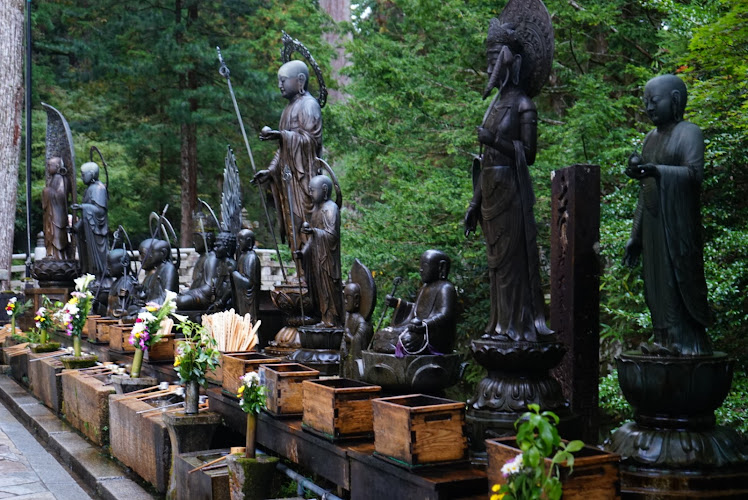
Saishōinokunoin Temple
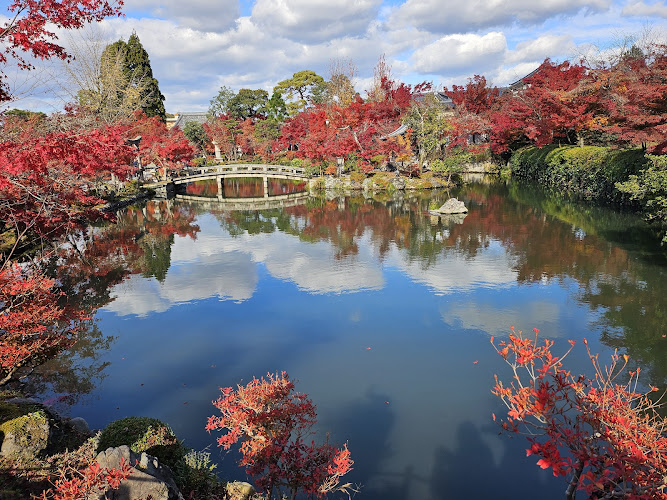
Eikandō Temple
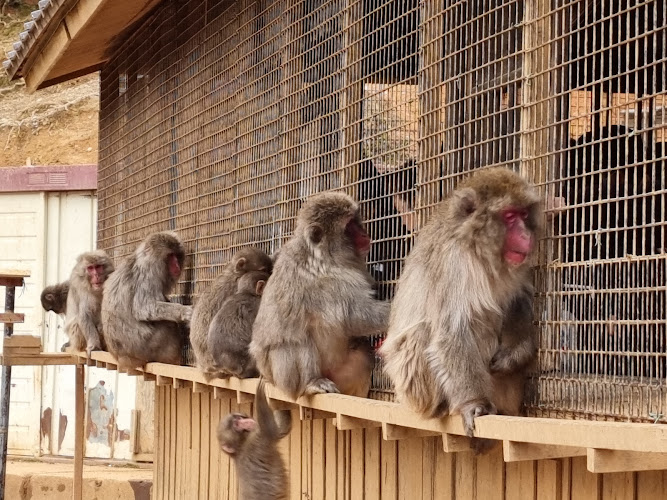
Arashiyama Monkey Park Iwatayama
Find Accommodations Nearby
Recommended Tours & Activities
Visitor Reviews
There are no reviews yet. Be the first one to write one.
Share Your Experience
Have you visited Yoshida Shrine? Help other travelers by leaving a review.