
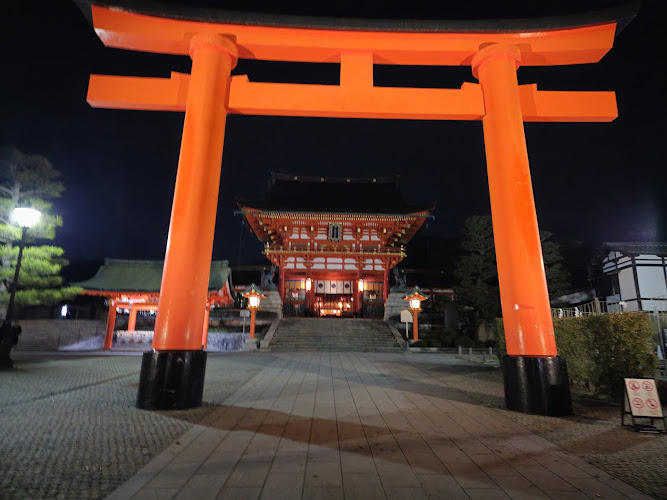
Fushimi Inari Taisha
About Fushimi Inari Taisha
Description
Fushimi Inari Taisha is one of those places that somehow manages to feel both timeless and alive all at once. Perched on the slopes of Mount Inari in southern Kyoto, this ancient Shinto shrine dates back to 711 A.D., which means it’s been around longer than most countries have existed. It’s dedicated to Inari, the deity of rice, prosperity, and business success — a god that merchants and farmers have prayed to for centuries. Even now, you’ll see small offerings of sake and rice tucked around the shrine grounds, little reminders that tradition here isn’t just preserved, it’s lived.
The first thing that hits most people, though, is the sheer spectacle of those torii gates — thousands upon thousands of them, painted in that unmistakable shade of deep orange-red. They form tunnels that twist and climb up the mountain, creating one of the most iconic sights in Japan. It’s not just a photo spot (though let’s be honest, everyone takes photos here); it’s a spiritual path, meant to represent the transition from the mundane to the sacred. Walking through them feels almost hypnotic, especially when the crowds thin out and all you hear are your own footsteps and the rustle of leaves.
But it’s not all serene and mystical. The shrine can get busy — sometimes overwhelmingly so — and that’s part of its charm too. You’ll find families, couples, monks, and tourists all weaving through the same paths, each on their own little pilgrimage. And while some visitors might grumble about the climb or the crowds, most walk away with a sense of quiet awe. There’s something about the combination of history, nature, and devotion that sticks with you long after you’ve left.
Key Features
- Thousand Torii Gates: The most famous aspect of Fushimi Inari Taisha, these gates line the trails leading up Mount Inari. Each gate has been donated by individuals or businesses seeking blessings for prosperity.
- Main Shrine Buildings: At the base, the honden (main hall) and other auxiliary shrines showcase traditional Japanese architecture and intricate carvings dedicated to Inari’s fox messengers.
- Fox Statues: Foxes, or “kitsune,” are believed to be Inari’s messengers. You’ll spot them everywhere, often holding a symbolic key in their mouths.
- Hiking Trails: The full trail to the summit of Mount Inari takes around 2–3 hours round trip, passing smaller shrines, teahouses, and scenic overlooks of Kyoto.
- Accessibility: The lower sections are wheelchair accessible, with restrooms and parking available nearby, making it easier for all visitors to experience part of the shrine.
- Free Admission: There’s no entry fee, which is pretty incredible considering the site’s cultural importance and upkeep.
Best Time to Visit
Timing makes a world of difference at Fushimi Inari Taisha. If you come mid-morning on a weekend, prepare for crowds — and I mean shoulder-to-shoulder crowds. The best times are early morning, just after sunrise, or late evening when the lanterns flicker on and the mountain feels almost otherworldly. Personally, I love the early morning hours. The air is crisp, the light filters beautifully through the torii, and you might even hear the faint chanting of priests starting their day.
Each season brings its own charm. Spring offers cherry blossoms near the base and soft sunlight dappling the trails. Summer can be humid, but the forest canopy provides shade and a chorus of cicadas keeps you company. Autumn is spectacular — the fiery foliage contrasts beautifully with the orange gates — and winter, though quieter, has a peaceful, almost meditative feel. If you’re into photography, the golden hour just before sunset is magic, though you’ll need patience to wait for those rare moments when the path clears.
How to Get There
Reaching Fushimi Inari Taisha is surprisingly easy, which is one reason it’s so popular. From Kyoto Station, it’s just a short train ride — about five minutes on the JR Nara Line to Inari Station. Step off the train, and you’re practically at the shrine’s entrance. You can also take the Keihan Main Line to Fushimi-Inari Station, which drops you a short walk away. If you’re feeling adventurous, cycling from central Kyoto is another fun option; the ride takes about 30–40 minutes and winds through some charming backstreets.
For those driving, there’s a free parking lot nearby, though it fills up quickly, especially during weekends and holidays. Public transport is definitely the smarter move if you want to avoid the stress of finding a spot. And if you’re staying in Kyoto for a few days, you can easily pair your visit with other nearby attractions like Tofuku-ji Temple or Fushimi Sake District — both within a short distance.
Tips for Visiting
Here’s where a bit of insider knowledge goes a long way. First off, wear comfortable shoes. The hike may look easy at the start, but those stone steps can sneak up on you, especially if you go all the way to the summit. Bring water too — there are vending machines and small tea shops along the way, but they can be pricey and sometimes closed in the off-season.
If you’re hoping to take those famous “empty path” photos, patience is key. Arrive before 7 a.m. or linger after sunset when most of the tour groups have gone home. The atmosphere completely changes at night — the gates glow softly under lantern light, and the mountain feels almost alive. It’s not spooky, exactly, but there’s definitely an energy to it. Just make sure to bring a flashlight or phone light for the darker sections.
One thing I’ve learned after multiple visits: don’t rush. Many people turn back halfway, missing the smaller shrines and panoramic views higher up. Take breaks, stop for tea at one of the old family-run teahouses (the yuba tofu snacks are delicious), and let yourself soak in the quiet moments. The shrine isn’t just about reaching the top — it’s about the journey itself.
Respect is important here too. It’s easy to forget that this is an active place of worship, not just a tourist attraction. Avoid blocking the path for photos, keep your voice down near prayer areas, and if you want to make an offering, you can purchase a small ema (wooden plaque) and write your wish or prayer on it. Watching locals do this is a nice reminder that behind all the Instagram fame, this shrine still holds deep spiritual meaning.
And one last thing — if you’re visiting in summer, bring insect repellent. The forested trails are beautiful but can be mosquito-heavy. In winter, a warm layer helps since the mountain air gets chilly, especially near the summit. Oh, and don’t worry too much about getting lost; the trails are well-marked, and even if you wander off a bit, the fox statues and torii gates will always guide you back.
Fushimi Inari Taisha isn’t just a place to tick off your Kyoto list. It’s a living, breathing part of Japanese culture — one that rewards those who slow down and pay attention. Whether you come for the photos, the history, or a quiet moment of reflection, you’ll leave with the same thought most visitors do: that somehow, walking through those endless gates changes you, even if just a little.
You Might Also Like
Cafe Free
Eikandō Temple
Ginkaku-ji
Tours & Activities
GetYourGuide provides this tour inventory. We may earn a commission if you book through it; verify current availability, prices, and terms with the provider.
Visitor Reviews
There are no reviews yet. Be the first one to write one.
Share Your Experience
Have you visited Fushimi Inari Taisha? Help other travelers by leaving a review.