
Arashiyama Monkey Park Iwatayama
About Arashiyama Monkey Park Iwatayama
Description
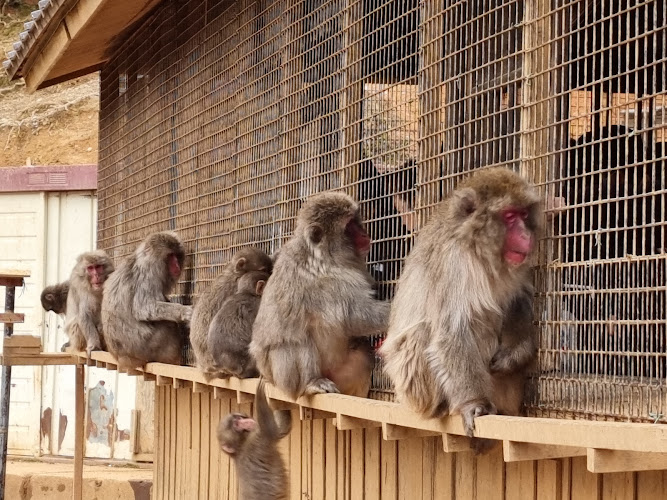
Arashiyama Monkey Park Iwatayama is one of those places that feels a bit like a hidden gem, even though it’s actually pretty well-known among travelers to Kyoto. Perched on the slopes of Mt. Arashiyama, this park offers a rare chance to see over 120 Japanese macaques—yes, the famous snow monkeys—roaming freely in their natural habitat. And they’re not behind bars or glass; you’re in their space, which makes the experience feel more authentic and, honestly, a little thrilling. The monkeys are wild, but they’ve grown accustomed to visitors, so you can watch them up close, feed them (with food you buy at the park), and even catch them lounging in the sun or grooming each other like they’ve got all the time in the world.
What really surprised me the first time I went wasn’t just the monkeys—it was the view. Once you’ve hiked up the gentle but steady incline to the main observation area, Kyoto stretches out below you like a living map. On a clear day, you can spot landmarks, winding rivers, and the endless patchwork of traditional rooftops. It’s the kind of view that makes you stop mid-sentence. The park itself is simple—no flashy gimmicks, just a playground for kids, some basic facilities, and a lot of nature. And that’s part of its charm. It’s not trying too hard; it’s just a place where humans and monkeys happen to cross paths.
Of course, not everyone leaves with the same level of awe. Some visitors find the hike more tiring than they expected, and if you’re not into uphill walking, you might feel that. Others wish there were more structured activities. But if you go in with the mindset that this is about observing wildlife on their terms—not ours—you’ll probably walk away with a smile (and maybe a few funny monkey photos). For me, it’s the unpredictability that makes it memorable. You never know if you’ll catch a cheeky macaque trying to snatch a snack or a baby monkey clinging to its mother as she strolls past you.
Key Features
- Home to over 120 wild Japanese macaques
- Panoramic views of Kyoto from the observation deck
- Feeding area where visitors can hand-feed monkeys (from inside a safe enclosure)
- Kid-friendly playground with swings and slides
- Gentle hiking trail through a forested slope
- Public restrooms available on-site
- Peaceful, natural setting away from Kyoto’s busier tourist spots
Best Time to Visit
If you can, aim for early morning or late afternoon. The light is softer, the air cooler, and the monkeys tend to be more active before the midday heat sets in. Spring and autumn are especially gorgeous—spring for the cherry blossoms along the trail, autumn for the bursts of red and gold leaves framing the view over Kyoto. Summer can be humid, and the climb might feel more intense, but you’ll still get lively monkey antics. Winter has its own magic; the crisp air and quieter crowds make for a peaceful visit, though you’ll want to bundle up. And yes, if you’re lucky, you might even see a dusting of snow on the mountain, which makes the whole scene feel a bit like a postcard.
How to Get There
The park sits on the opposite side of the Ōi River from Arashiyama’s main sightseeing area. The most straightforward route is to take the Hankyu Line to Arashiyama Station, then walk across the Togetsukyo Bridge. From there, it’s about a 10–15 minute walk to the park entrance. The hike from the base to the monkey area takes another 20–30 minutes depending on your pace. It’s uphill but manageable for most people, and there are a few benches along the way if you need a breather. You can also get there via JR Saga-Arashiyama Station, which is a bit farther but still walkable. Buses and taxis are options too, though walking lets you soak in the riverside scenery.
Tips for Visiting
First off, wear comfortable shoes—you’ll be walking uphill on a dirt path, and while it’s not a mountain trek, flip-flops aren’t your friend here. Bring a bottle of water, especially in warmer months. The park sells snacks for the monkeys (usually peanuts or small fruits), but you can’t bring your own food for them. And here’s an important one: don’t stare directly into a monkey’s eyes. It might feel natural to make eye contact, but in monkey language, that’s a challenge. Keep your belongings zipped up too; these guys are curious and quick.
If you’re traveling with kids, the playground at the top is a nice bonus—it gives them a chance to burn off energy while you soak in the view. Also, give yourself time to just sit and watch. The longer you stay, the more you notice the monkeys’ little quirks—like the way they sort through peanuts or how the younger ones chase each other in circles. And don’t rush the walk down; the trail itself is part of the experience, with birdsong and the occasional rustle of leaves reminding you you’re in the middle of a living, breathing forest.
Lastly, if you’re visiting during peak tourist season, go as early as possible. Not only will you beat the crowds, but you’ll also get a more relaxed vibe with the monkeys. And who knows—you might just find yourself sitting on a bench, watching the city wake up below while a macaque quietly munches its breakfast a few feet away. It’s those little moments that stick with you long after you’ve left.
Key Features
- Home to over 120 wild Japanese macaques
- Panoramic views of Kyoto from the observation deck
- Feeding area where visitors can hand-feed monkeys (from inside a safe enclosure)
- Kid-friendly playground with swings and slides
- Gentle hiking trail through a forested slope
- Public restrooms available on-site
- Peaceful, natural setting away from Kyoto’s busier tourist spots
More Details
Updated August 9, 2025
Table of Contents
Description
Arashiyama Monkey Park Iwatayama is one of those places that feels a bit like a hidden gem, even though it’s actually pretty well-known among travelers to Kyoto. Perched on the slopes of Mt. Arashiyama, this park offers a rare chance to see over 120 Japanese macaques—yes, the famous snow monkeys—roaming freely in their natural habitat. And they’re not behind bars or glass; you’re in their space, which makes the experience feel more authentic and, honestly, a little thrilling. The monkeys are wild, but they’ve grown accustomed to visitors, so you can watch them up close, feed them (with food you buy at the park), and even catch them lounging in the sun or grooming each other like they’ve got all the time in the world.
What really surprised me the first time I went wasn’t just the monkeys—it was the view. Once you’ve hiked up the gentle but steady incline to the main observation area, Kyoto stretches out below you like a living map. On a clear day, you can spot landmarks, winding rivers, and the endless patchwork of traditional rooftops. It’s the kind of view that makes you stop mid-sentence. The park itself is simple—no flashy gimmicks, just a playground for kids, some basic facilities, and a lot of nature. And that’s part of its charm. It’s not trying too hard; it’s just a place where humans and monkeys happen to cross paths.
Of course, not everyone leaves with the same level of awe. Some visitors find the hike more tiring than they expected, and if you’re not into uphill walking, you might feel that. Others wish there were more structured activities. But if you go in with the mindset that this is about observing wildlife on their terms—not ours—you’ll probably walk away with a smile (and maybe a few funny monkey photos). For me, it’s the unpredictability that makes it memorable. You never know if you’ll catch a cheeky macaque trying to snatch a snack or a baby monkey clinging to its mother as she strolls past you.
Key Features
- Home to over 120 wild Japanese macaques
- Panoramic views of Kyoto from the observation deck
- Feeding area where visitors can hand-feed monkeys (from inside a safe enclosure)
- Kid-friendly playground with swings and slides
- Gentle hiking trail through a forested slope
- Public restrooms available on-site
- Peaceful, natural setting away from Kyoto’s busier tourist spots
Best Time to Visit
If you can, aim for early morning or late afternoon. The light is softer, the air cooler, and the monkeys tend to be more active before the midday heat sets in. Spring and autumn are especially gorgeous—spring for the cherry blossoms along the trail, autumn for the bursts of red and gold leaves framing the view over Kyoto. Summer can be humid, and the climb might feel more intense, but you’ll still get lively monkey antics. Winter has its own magic; the crisp air and quieter crowds make for a peaceful visit, though you’ll want to bundle up. And yes, if you’re lucky, you might even see a dusting of snow on the mountain, which makes the whole scene feel a bit like a postcard.
How to Get There
The park sits on the opposite side of the Ōi River from Arashiyama’s main sightseeing area. The most straightforward route is to take the Hankyu Line to Arashiyama Station, then walk across the Togetsukyo Bridge. From there, it’s about a 10–15 minute walk to the park entrance. The hike from the base to the monkey area takes another 20–30 minutes depending on your pace. It’s uphill but manageable for most people, and there are a few benches along the way if you need a breather. You can also get there via JR Saga-Arashiyama Station, which is a bit farther but still walkable. Buses and taxis are options too, though walking lets you soak in the riverside scenery.
Tips for Visiting
First off, wear comfortable shoes—you’ll be walking uphill on a dirt path, and while it’s not a mountain trek, flip-flops aren’t your friend here. Bring a bottle of water, especially in warmer months. The park sells snacks for the monkeys (usually peanuts or small fruits), but you can’t bring your own food for them. And here’s an important one: don’t stare directly into a monkey’s eyes. It might feel natural to make eye contact, but in monkey language, that’s a challenge. Keep your belongings zipped up too; these guys are curious and quick.
If you’re traveling with kids, the playground at the top is a nice bonus—it gives them a chance to burn off energy while you soak in the view. Also, give yourself time to just sit and watch. The longer you stay, the more you notice the monkeys’ little quirks—like the way they sort through peanuts or how the younger ones chase each other in circles. And don’t rush the walk down; the trail itself is part of the experience, with birdsong and the occasional rustle of leaves reminding you you’re in the middle of a living, breathing forest.
Lastly, if you’re visiting during peak tourist season, go as early as possible. Not only will you beat the crowds, but you’ll also get a more relaxed vibe with the monkeys. And who knows—you might just find yourself sitting on a bench, watching the city wake up below while a macaque quietly munches its breakfast a few feet away. It’s those little moments that stick with you long after you’ve left.
Key Highlights
- Home to over 120 wild Japanese macaques
- Panoramic views of Kyoto from the observation deck
- Feeding area where visitors can hand-feed monkeys (from inside a safe enclosure)
- Kid-friendly playground with swings and slides
- Gentle hiking trail through a forested slope
- Public restrooms available on-site
- Peaceful, natural setting away from Kyoto’s busier tourist spots
Location
Places to Stay Near Arashiyama Monkey Park Iwatayama
Find and Book a Tour
Explore More Travel Guides
No reviews found! Be the first to review!
Traveler Reviews for Arashiyama Monkey Park Iwatayama
There are no reviews yet. Be the first one to write one.
Have you visited Arashiyama Monkey Park Iwatayama? Help other travelers by sharing your review.
You Might Also Like
Saishōinokunoin Temple
Guest House Higashiyama Jao
Fushimi Inari Taisha
Find Accommodations Nearby
Recommended Tours & Activities
Visitor Reviews
There are no reviews yet. Be the first one to write one.
Share Your Experience
Have you visited Arashiyama Monkey Park Iwatayama? Help other travelers by leaving a review.