
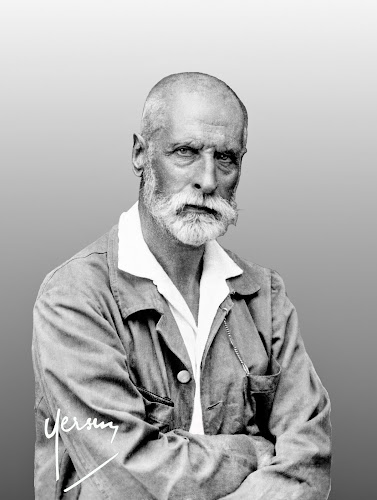
Yersin museum
About Yersin museum
Description
The Yersin Museum is one of those places that sneaks up on you. You think you’re just popping into a small museum, maybe killing an hour, and then suddenly you’re deep in the life of Alexandre Yersin, a man who clearly didn’t know how to sit still. The museum focuses on his work as a bacteriologist and scientist, but it goes well beyond lab coats and microscopes. It tells a human story, full of curiosity, risk-taking, and a slightly obsessive love for discovery. And honestly, that’s what sticks with you.
Inside, the museum displays original scientific instruments, notebooks, photographs, and personal belongings. These aren’t glossy reproductions behind flashy screens. They’re real objects that feel used, worn, and lived with. I remember leaning a little closer to one of the handwritten notes and thinking, wow, this guy actually touched this, scribbled this down while trying to solve real-world problems. It gives you goosebumps if you’re wired that way. And if you’re not? Well, the storytelling still pulls you in.
The museum does a good job explaining Yersin’s role in medical history, especially his work related to infectious diseases. But what I appreciated most is that it doesn’t drown you in jargon. It explains complex science in a way that travelers, families, and curious wanderers can actually understand. And yes, kids can handle it too. I saw a couple of younger visitors pointing at old equipment and asking questions, which felt like a small win for history museums everywhere.
There’s also a quieter emotional layer here. Yersin wasn’t just a scientist chasing prestige. He was deeply connected to the place and the people around him. The museum subtly shows this through photos of everyday life, letters, and personal effects. It’s not preachy, but it’s there if you pay attention. And that makes the visit feel less like a checklist attraction and more like a conversation across time.
Now, fair warning. This isn’t a massive museum where you’ll spend half a day wandering endless halls. It’s compact, and some visitors walk through pretty quickly. But if you slow down, read the captions, and let yourself be curious, it becomes far richer. I always say museums give back exactly what you put into them. This one is a prime example.
Key Features
- Original scientific instruments used by Alexandre Yersin, not replicas, which adds a rare sense of authenticity
- Historic photographs that document both scientific work and everyday life from a different era
- Personal notebooks and handwritten documents that reveal how Yersin thought and worked
- Clear, accessible explanations of complex medical discoveries without overwhelming visitors
- Kid-friendly displays that spark curiosity without dumbing things down
- Wheelchair-accessible restroom and basic visitor amenities that make the visit comfortable
- A calm, uncrowded atmosphere most days, perfect if you prefer museums without chaos
Best Time to Visit
The best time to visit the Yersin Museum is honestly whenever you have the mental space to slow down. That said, mornings tend to be quieter, especially if you want to read everything without feeling rushed. I once went later in the afternoon and noticed people zipping through, maybe tired from sightseeing. And that’s fine, but this museum rewards patience.
Weather doesn’t affect the visit directly since it’s indoors, but visiting on a hotter day can be a smart move. It’s a nice break from being outside, and the calm interior feels even more welcoming when the sun is relentless. If you’re traveling during peak tourist season, aim for a weekday. Weekends can bring in more families, which adds energy but also noise.
There’s no real need to plan this around festivals or special events. The strength of the museum is its permanent collection. And in a way, that’s refreshing. You’re not chasing a temporary exhibit or worrying about missing out. It’s just there, doing its thing, quietly impressive.
How to Get There
Getting to the Yersin Museum is pretty straightforward, especially if you’re already exploring the surrounding area. Most travelers reach it by taxi, ride-hailing apps, or a short walk depending on where they’re staying. If you’re the type who likes wandering on foot, you’ll probably enjoy approaching the museum slowly, noticing everyday street life along the way. I always think that sets the mood better than jumping out of a car and rushing inside.
Public transportation can also get you close, though it may require a bit of walking at the end. But honestly, that last stretch is part of the experience. You get a sense of place, which feels appropriate when visiting a museum dedicated to someone who cared deeply about his surroundings.
If you’re traveling with kids or anyone with mobility needs, taxis are the easiest option. The museum itself is accessible, which is a big plus, and it’s nice not to arrive already tired.
Tips for Visiting
First tip, and I say this as someone who’s guilty of rushing through museums: don’t. Give yourself at least an hour, even though you could technically do it faster. Read the captions. Look closely at the instruments. Imagine what it must have been like to work with tools that seem so basic by today’s standards. It adds depth.
Second, if you’re traveling with kids, frame it as a story rather than a science lesson. Talk about Yersin as a curious human, not just a famous name. That approach works wonders. I once overheard a parent doing this, and the kid was way more engaged than I expected.
Third, bring a little context with you. You don’t need to study beforehand, but having a rough idea of why Yersin matters makes the visit richer. The museum explains everything, yes, but prior curiosity amplifies the experience. Like seasoning food before cooking. Maybe that analogy’s a stretch, but you get it.
Fourth, manage expectations. This is a focused museum, not a blockbuster attraction. Some people walk out thinking it’s too small or too quiet. But if you’re into history, science, or human stories, that quiet is a feature, not a flaw.
Lastly, don’t rush off immediately after. Sit for a minute if there’s space. Let it sink in. Museums like this don’t shout for attention, but they linger in your mind later, sometimes days after. I found myself thinking about Yersin on a bus ride that evening, wondering what drives a person to dedicate their life so fully to understanding the unknown. And that, to me, is the mark of a worthwhile visit.
Key Features
- Original scientific instruments used by Alexandre Yersin, not replicas, which adds a rare sense of authenticity
- Historic photographs that document both scientific work and everyday life from a different era
- Personal notebooks and handwritten documents that reveal how Yersin thought and worked
- Clear, accessible explanations of complex medical discoveries without overwhelming visitors
- Kid-friendly displays that spark curiosity without dumbing things down
- Wheelchair-accessible restroom and basic visitor amenities that make the visit comfortable
- A calm, uncrowded atmosphere most days, perfect if you prefer museums without chaos
More Details
Updated December 31, 2025
Table of Contents
Description
The Yersin Museum is one of those places that sneaks up on you. You think you’re just popping into a small museum, maybe killing an hour, and then suddenly you’re deep in the life of Alexandre Yersin, a man who clearly didn’t know how to sit still. The museum focuses on his work as a bacteriologist and scientist, but it goes well beyond lab coats and microscopes. It tells a human story, full of curiosity, risk-taking, and a slightly obsessive love for discovery. And honestly, that’s what sticks with you.
Inside, the museum displays original scientific instruments, notebooks, photographs, and personal belongings. These aren’t glossy reproductions behind flashy screens. They’re real objects that feel used, worn, and lived with. I remember leaning a little closer to one of the handwritten notes and thinking, wow, this guy actually touched this, scribbled this down while trying to solve real-world problems. It gives you goosebumps if you’re wired that way. And if you’re not? Well, the storytelling still pulls you in.
The museum does a good job explaining Yersin’s role in medical history, especially his work related to infectious diseases. But what I appreciated most is that it doesn’t drown you in jargon. It explains complex science in a way that travelers, families, and curious wanderers can actually understand. And yes, kids can handle it too. I saw a couple of younger visitors pointing at old equipment and asking questions, which felt like a small win for history museums everywhere.
There’s also a quieter emotional layer here. Yersin wasn’t just a scientist chasing prestige. He was deeply connected to the place and the people around him. The museum subtly shows this through photos of everyday life, letters, and personal effects. It’s not preachy, but it’s there if you pay attention. And that makes the visit feel less like a checklist attraction and more like a conversation across time.
Now, fair warning. This isn’t a massive museum where you’ll spend half a day wandering endless halls. It’s compact, and some visitors walk through pretty quickly. But if you slow down, read the captions, and let yourself be curious, it becomes far richer. I always say museums give back exactly what you put into them. This one is a prime example.
Key Features
- Original scientific instruments used by Alexandre Yersin, not replicas, which adds a rare sense of authenticity
- Historic photographs that document both scientific work and everyday life from a different era
- Personal notebooks and handwritten documents that reveal how Yersin thought and worked
- Clear, accessible explanations of complex medical discoveries without overwhelming visitors
- Kid-friendly displays that spark curiosity without dumbing things down
- Wheelchair-accessible restroom and basic visitor amenities that make the visit comfortable
- A calm, uncrowded atmosphere most days, perfect if you prefer museums without chaos
Best Time to Visit
The best time to visit the Yersin Museum is honestly whenever you have the mental space to slow down. That said, mornings tend to be quieter, especially if you want to read everything without feeling rushed. I once went later in the afternoon and noticed people zipping through, maybe tired from sightseeing. And that’s fine, but this museum rewards patience.
Weather doesn’t affect the visit directly since it’s indoors, but visiting on a hotter day can be a smart move. It’s a nice break from being outside, and the calm interior feels even more welcoming when the sun is relentless. If you’re traveling during peak tourist season, aim for a weekday. Weekends can bring in more families, which adds energy but also noise.
There’s no real need to plan this around festivals or special events. The strength of the museum is its permanent collection. And in a way, that’s refreshing. You’re not chasing a temporary exhibit or worrying about missing out. It’s just there, doing its thing, quietly impressive.
How to Get There
Getting to the Yersin Museum is pretty straightforward, especially if you’re already exploring the surrounding area. Most travelers reach it by taxi, ride-hailing apps, or a short walk depending on where they’re staying. If you’re the type who likes wandering on foot, you’ll probably enjoy approaching the museum slowly, noticing everyday street life along the way. I always think that sets the mood better than jumping out of a car and rushing inside.
Public transportation can also get you close, though it may require a bit of walking at the end. But honestly, that last stretch is part of the experience. You get a sense of place, which feels appropriate when visiting a museum dedicated to someone who cared deeply about his surroundings.
If you’re traveling with kids or anyone with mobility needs, taxis are the easiest option. The museum itself is accessible, which is a big plus, and it’s nice not to arrive already tired.
Tips for Visiting
First tip, and I say this as someone who’s guilty of rushing through museums: don’t. Give yourself at least an hour, even though you could technically do it faster. Read the captions. Look closely at the instruments. Imagine what it must have been like to work with tools that seem so basic by today’s standards. It adds depth.
Second, if you’re traveling with kids, frame it as a story rather than a science lesson. Talk about Yersin as a curious human, not just a famous name. That approach works wonders. I once overheard a parent doing this, and the kid was way more engaged than I expected.
Third, bring a little context with you. You don’t need to study beforehand, but having a rough idea of why Yersin matters makes the visit richer. The museum explains everything, yes, but prior curiosity amplifies the experience. Like seasoning food before cooking. Maybe that analogy’s a stretch, but you get it.
Fourth, manage expectations. This is a focused museum, not a blockbuster attraction. Some people walk out thinking it’s too small or too quiet. But if you’re into history, science, or human stories, that quiet is a feature, not a flaw.
Lastly, don’t rush off immediately after. Sit for a minute if there’s space. Let it sink in. Museums like this don’t shout for attention, but they linger in your mind later, sometimes days after. I found myself thinking about Yersin on a bus ride that evening, wondering what drives a person to dedicate their life so fully to understanding the unknown. And that, to me, is the mark of a worthwhile visit.
Key Highlights
- Original scientific instruments used by Alexandre Yersin, not replicas, which adds a rare sense of authenticity
- Historic photographs that document both scientific work and everyday life from a different era
- Personal notebooks and handwritten documents that reveal how Yersin thought and worked
- Clear, accessible explanations of complex medical discoveries without overwhelming visitors
- Kid-friendly displays that spark curiosity without dumbing things down
- Wheelchair-accessible restroom and basic visitor amenities that make the visit comfortable
- A calm, uncrowded atmosphere most days, perfect if you prefer museums without chaos
Location
Places to Stay Near Yersin museum
Find and Book a Tour
Explore More Travel Guides
No reviews found! Be the first to review!
Traveler Reviews for Yersin museum
There are no reviews yet. Be the first one to write one.
Have you visited Yersin museum? Help other travelers by sharing your review.
You Might Also Like

Khanh Hoa Museum

Saint-Hardy (Madonna Rock)

Hon Mun
Find Accommodations Nearby
Recommended Tours & Activities
Visitor Reviews
There are no reviews yet. Be the first one to write one.
Share Your Experience
Have you visited Yersin museum? Help other travelers by leaving a review.