Nha Trang
About Nha Trang
Description
Nha Trang is one of those places that sneaks up on you. On paper, it’s a coastal resort city in southern Vietnam with a long beach, diving spots, and islands offshore. In real life, it’s salt in your hair, early-morning swims with locals who take their laps very seriously, and the smell of grilled seafood drifting across Tran Phu Street by sunset. The city curves gently along the bay, and that curve matters. It keeps the water calmer than you’d expect and makes the beach feel continuous, like one long shared living room for swimmers, walkers, joggers, and the occasional kid chasing a runaway kite.
The main beach runs along Tran Phu, backed by a wide promenade, high-rise hotels, cafés, and seafood joints that range from plastic chairs to white tablecloths. It’s not a sleepy fishing village anymore, and that’s the honest truth. There’s traffic noise at times. There are tour buses. But there’s also a rhythm to the place that feels oddly human. I remember sitting on the seawall one evening, watching a group of aunties doing synchronized aerobics to loud pop music while a Russian family argued cheerfully over ice cream flavors behind me. It was chaotic, yes, but also kind of wonderful.
Offshore, Nha Trang shows a quieter side. Boats head out daily to islands like Hòn Mun and Hòn Tằm, where coral reefs sit under surprisingly clear water by Vietnamese standards. Hòn Mun, in particular, is a protected marine area, and while it’s not the Maldives, the snorkeling can be genuinely good if conditions cooperate. Then there’s Hòn Tre Island, reached by a cable car that glides over the bay. That ride alone, suspended above fishing boats and open water, is worth doing once, even if you’re not into theme parks or resorts.
Nha Trang has a reputation as a resort town, but it’s also a working Vietnamese city. You’ll see fishermen unloading catches at dawn, students on motorbikes weaving through traffic, and street vendors selling bánh mì for prices that make you double-check the change. That mix is what sticks with you. It’s not polished in a way that hides reality, and that’s a good thing for travelers who want more than just a beach photo.
Key Features
- Long urban beach: The main beach stretches for several kilometers along Tran Phu Street, making it easy to access whether you’re staying budget or luxury.
- Offshore islands: Hòn Mun and Hòn Tằm offer snorkeling, diving, and a break from city noise.
- Overwater cable car: The cable car to Hòn Tre Island provides sweeping views of the bay and city skyline.
- Seafood culture: Fresh lobster, clams, squid, and fish are everyday food here, not special-occasion dishes.
- Diving and snorkeling: Coral reefs and marine life attract divers, especially beginners and casual snorkelers.
- Walkable promenade: The seaside walkway is popular at sunrise and sunset with locals exercising and socializing.
- Affordable massages and spas: Traditional and modern treatments are easy to find and usually good value.
- Mix of travelers: You’ll notice visitors from all over Asia, Europe, and beyond, which shapes the food and nightlife scene.
Best Time to Visit
If timing matters to you, and it probably does, aim for the dry season between January and August. February to May is often the sweet spot. The weather is warm but not punishing, the sea is calmer, and visibility for snorkeling and diving is usually better. I visited once in April and ended up swimming every single day, sometimes twice, because the water was just that inviting.
September to December is the rainy season, and this is where expectations need adjusting. Rain doesn’t fall politely for an hour and leave. It can rain hard, sideways, and for days. The sea gets rougher, island trips may be canceled, and the beach loses some of its appeal. But, and here’s the honest bit, prices drop and crowds thin out. If you don’t mind moody skies and occasional plan changes, this period has its own charm. I spent a rainy afternoon hiding in a café, watching waves crash and chatting with a local barista about how tourism has changed his hometown. That conversation stuck with me longer than a sunny beach day.
Vietnamese holidays can bring a surge of domestic travelers, especially during Tet (Lunar New Year). Hotels fill up, beaches get busy, and prices creep up. It’s lively, but not calm. Decide which version of Nha Trang you want.
How to Get There
Nha Trang is relatively easy to reach, which explains part of its popularity. Cam Ranh International Airport is about 30 to 45 minutes away by car, depending on traffic and your driver’s enthusiasm. Direct flights connect the city with Hanoi, Ho Chi Minh City, and several international hubs. Taxis and shuttle services are straightforward, and most hotels can arrange transfers if you prefer a smoother arrival.
Traveling by train is slower but more scenic. The Reunification Express line stops in Nha Trang, and the coastal views north and south of the city can be genuinely beautiful. I once took an overnight train, arrived half-asleep, and walked straight to the beach at sunrise. Not glamorous, but unforgettable. Buses also connect Nha Trang with other cities in central and southern Vietnam, though comfort varies wildly.
Once you’re in town, getting around is easy. Taxis, ride-hailing apps, and motorbike rentals are everywhere. Walking works too, especially along the beach area. Just keep your head on a swivel when crossing streets. Traffic rules here are more of a suggestion than a law.
Tips for Visiting
First tip: wake up early at least once. Sunrise at Nha Trang Beach is not just pretty; it’s social. Locals swim, stretch, gossip, and sell breakfast. It feels like you’re seeing the city before it puts on makeup for tourists. Bring a towel, join the water, even if you’re not a morning person. You can nap later.
Second, choose island tours carefully. Some are rushed, crowded, and feel like floating shopping malls. Ask questions, read recent reviews, and don’t be afraid to skip a tour if it sounds too good to be true. Smaller group trips cost more but usually deliver a calmer experience and better snorkeling.
Third, eat where the locals eat, but trust your instincts. Street seafood is amazing here, especially grilled shellfish with chili and lime. Look for busy spots with high turnover. If a place feels off, move on. Your stomach will thank you. And yes, try the local fish noodle soup for breakfast. I resisted once and regretted it all day.
Fourth, manage expectations about nightlife. There are bars and clubs, sure, but they can feel transient, opening and closing with the seasons. If you’re chasing non-stop parties, this might not be your place. If you enjoy a cold beer by the sea and conversations that drift, you’ll be fine.
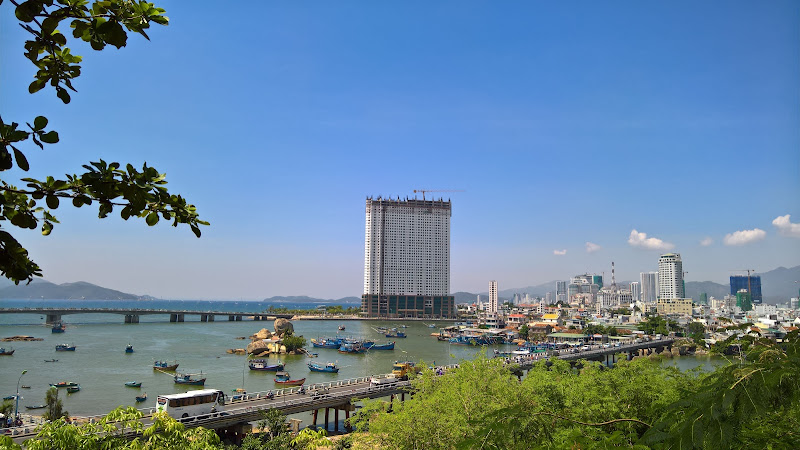
Finally, remember that Nha Trang is changing. Development is fast, and not everyone loves it. You’ll see construction cranes and half-finished buildings. It can be jarring. But you’ll also find kindness, humor, and moments of quiet beauty if you slow down a bit. Sit on a low plastic stool, order something you can’t pronounce, watch the ocean. That’s when Nha Trang makes sense.
For travelers planning a beach-focused trip in Vietnam with easy access, decent infrastructure, and real local life still humming underneath, Nha Trang deserves a spot on the list. It’s not perfect. But then again, the places that stick with us rarely are.
Key Features
- Key Features
- Best Time to Visit
- How to Get There
- Tips for Visiting
More Details
Updated December 31, 2025
Table of Contents
Description
Nha Trang is one of those places that sneaks up on you. On paper, it’s a coastal resort city in southern Vietnam with a long beach, diving spots, and islands offshore. In real life, it’s salt in your hair, early-morning swims with locals who take their laps very seriously, and the smell of grilled seafood drifting across Tran Phu Street by sunset. The city curves gently along the bay, and that curve matters. It keeps the water calmer than you’d expect and makes the beach feel continuous, like one long shared living room for swimmers, walkers, joggers, and the occasional kid chasing a runaway kite.
The main beach runs along Tran Phu, backed by a wide promenade, high-rise hotels, cafés, and seafood joints that range from plastic chairs to white tablecloths. It’s not a sleepy fishing village anymore, and that’s the honest truth. There’s traffic noise at times. There are tour buses. But there’s also a rhythm to the place that feels oddly human. I remember sitting on the seawall one evening, watching a group of aunties doing synchronized aerobics to loud pop music while a Russian family argued cheerfully over ice cream flavors behind me. It was chaotic, yes, but also kind of wonderful.
Offshore, Nha Trang shows a quieter side. Boats head out daily to islands like Hòn Mun and Hòn Tằm, where coral reefs sit under surprisingly clear water by Vietnamese standards. Hòn Mun, in particular, is a protected marine area, and while it’s not the Maldives, the snorkeling can be genuinely good if conditions cooperate. Then there’s Hòn Tre Island, reached by a cable car that glides over the bay. That ride alone, suspended above fishing boats and open water, is worth doing once, even if you’re not into theme parks or resorts.
Nha Trang has a reputation as a resort town, but it’s also a working Vietnamese city. You’ll see fishermen unloading catches at dawn, students on motorbikes weaving through traffic, and street vendors selling bánh mì for prices that make you double-check the change. That mix is what sticks with you. It’s not polished in a way that hides reality, and that’s a good thing for travelers who want more than just a beach photo.
Key Features
- Long urban beach: The main beach stretches for several kilometers along Tran Phu Street, making it easy to access whether you’re staying budget or luxury.
- Offshore islands: Hòn Mun and Hòn Tằm offer snorkeling, diving, and a break from city noise.
- Overwater cable car: The cable car to Hòn Tre Island provides sweeping views of the bay and city skyline.
- Seafood culture: Fresh lobster, clams, squid, and fish are everyday food here, not special-occasion dishes.
- Diving and snorkeling: Coral reefs and marine life attract divers, especially beginners and casual snorkelers.
- Walkable promenade: The seaside walkway is popular at sunrise and sunset with locals exercising and socializing.
- Affordable massages and spas: Traditional and modern treatments are easy to find and usually good value.
- Mix of travelers: You’ll notice visitors from all over Asia, Europe, and beyond, which shapes the food and nightlife scene.
Best Time to Visit
If timing matters to you, and it probably does, aim for the dry season between January and August. February to May is often the sweet spot. The weather is warm but not punishing, the sea is calmer, and visibility for snorkeling and diving is usually better. I visited once in April and ended up swimming every single day, sometimes twice, because the water was just that inviting.
September to December is the rainy season, and this is where expectations need adjusting. Rain doesn’t fall politely for an hour and leave. It can rain hard, sideways, and for days. The sea gets rougher, island trips may be canceled, and the beach loses some of its appeal. But, and here’s the honest bit, prices drop and crowds thin out. If you don’t mind moody skies and occasional plan changes, this period has its own charm. I spent a rainy afternoon hiding in a café, watching waves crash and chatting with a local barista about how tourism has changed his hometown. That conversation stuck with me longer than a sunny beach day.
Vietnamese holidays can bring a surge of domestic travelers, especially during Tet (Lunar New Year). Hotels fill up, beaches get busy, and prices creep up. It’s lively, but not calm. Decide which version of Nha Trang you want.
How to Get There
Nha Trang is relatively easy to reach, which explains part of its popularity. Cam Ranh International Airport is about 30 to 45 minutes away by car, depending on traffic and your driver’s enthusiasm. Direct flights connect the city with Hanoi, Ho Chi Minh City, and several international hubs. Taxis and shuttle services are straightforward, and most hotels can arrange transfers if you prefer a smoother arrival.
Traveling by train is slower but more scenic. The Reunification Express line stops in Nha Trang, and the coastal views north and south of the city can be genuinely beautiful. I once took an overnight train, arrived half-asleep, and walked straight to the beach at sunrise. Not glamorous, but unforgettable. Buses also connect Nha Trang with other cities in central and southern Vietnam, though comfort varies wildly.
Once you’re in town, getting around is easy. Taxis, ride-hailing apps, and motorbike rentals are everywhere. Walking works too, especially along the beach area. Just keep your head on a swivel when crossing streets. Traffic rules here are more of a suggestion than a law.
Tips for Visiting
First tip: wake up early at least once. Sunrise at Nha Trang Beach is not just pretty; it’s social. Locals swim, stretch, gossip, and sell breakfast. It feels like you’re seeing the city before it puts on makeup for tourists. Bring a towel, join the water, even if you’re not a morning person. You can nap later.
Second, choose island tours carefully. Some are rushed, crowded, and feel like floating shopping malls. Ask questions, read recent reviews, and don’t be afraid to skip a tour if it sounds too good to be true. Smaller group trips cost more but usually deliver a calmer experience and better snorkeling.
Third, eat where the locals eat, but trust your instincts. Street seafood is amazing here, especially grilled shellfish with chili and lime. Look for busy spots with high turnover. If a place feels off, move on. Your stomach will thank you. And yes, try the local fish noodle soup for breakfast. I resisted once and regretted it all day.
Fourth, manage expectations about nightlife. There are bars and clubs, sure, but they can feel transient, opening and closing with the seasons. If you’re chasing non-stop parties, this might not be your place. If you enjoy a cold beer by the sea and conversations that drift, you’ll be fine.
Finally, remember that Nha Trang is changing. Development is fast, and not everyone loves it. You’ll see construction cranes and half-finished buildings. It can be jarring. But you’ll also find kindness, humor, and moments of quiet beauty if you slow down a bit. Sit on a low plastic stool, order something you can’t pronounce, watch the ocean. That’s when Nha Trang makes sense.
For travelers planning a beach-focused trip in Vietnam with easy access, decent infrastructure, and real local life still humming underneath, Nha Trang deserves a spot on the list. It’s not perfect. But then again, the places that stick with us rarely are.

Key Highlights
- Key Features
- Best Time to Visit
- How to Get There
- Tips for Visiting
Location
Places to Stay Near Nha Trang
Find and Book a Tour
Explore More Travel Guides
No reviews found! Be the first to review!
Traveler Reviews for Nha Trang
There are no reviews yet. Be the first one to write one.
Have you visited Nha Trang? Help other travelers by sharing your review.
Find Accommodations Nearby
Recommended Tours & Activities
Visitor Reviews
There are no reviews yet. Be the first one to write one.
Share Your Experience
Have you visited Nha Trang? Help other travelers by leaving a review.