

Suoi Do Pagoda
About Suoi Do Pagoda
Description
Suoi Do Pagoda is one of those places that quietly sneaks up on a traveler. It doesn’t shout for attention, and honestly, that’s part of its charm. Sitting near a forested stream and a modest waterfall, the pagoda functions both as a Buddhist temple and a nature escape. The third-person guidebooks often describe it as spiritual and scenic, and that’s accurate, but it’s also a little messy, a little sweaty, and very real. And that’s a good thing.
The pagoda complex is reached after a steady uphill walk that follows a stream, with water tumbling over rocks in a way that sounds better than any meditation app. It’s not a polished, manicured attraction. Some steps are uneven. Some railings feel improvised. But the atmosphere feels lived-in, used, and loved by locals who come here not for photos but for prayer, reflection, or just a quiet hour away from the noise of daily life.
Suoi Do Pagoda serves as an active Buddhist temple, so visitors often encounter monks going about their routines, incense smoke curling lazily into the trees, and the low murmur of prayers. There’s a strong sense that this is not staged for tourists, even though tourists are welcome. And yes, facilities are basic but practical. There are restrooms on-site, which sounds boring until you’re halfway up the path and very grateful for that detail.
From a traveler’s perspective, the experience lands somewhere between rewarding and demanding. It asks you to walk, to pay attention to where you place your feet, and to slow down. The waterfall isn’t massive, but it feels earned. The pagoda structures are simple, but their placement within the landscape makes them memorable. And while not everyone leaves completely satisfied—some expect more grandeur—most visitors walk away feeling like they’ve seen something authentic.
The writer remembers visiting a similar temple years ago and thinking, halfway up the trail, why am I doing this in this heat? But at the top, when the noise faded and the air cooled just a bit, it suddenly made sense. Suoi Do Pagoda gives off that same energy. It rewards patience, not speed.
Key Features
- Active Buddhist temple where daily rituals and prayer still take place
- Natural stream and small waterfall integrated into the temple grounds
- Uphill walking path that adds a light hiking element to the visit
- Forest surroundings that keep temperatures slightly cooler than the city below
- Simple temple architecture that blends into the landscape rather than dominating it
- On-site restrooms, which honestly matter more than people admit
- A peaceful atmosphere that remains even on busier days
- Panoramic viewpoints along the path, if you stop and look back
Best Time to Visit
The best time to visit Suoi Do Pagoda is during the dry season, typically from late autumn through early spring. During these months, the walking path is safer, less slippery, and the stream flows calmly instead of aggressively. Early mornings are especially rewarding. The air feels lighter, the forest smells cleaner, and you’re more likely to hear birds than chatter.
Midday visits can be tough, especially in warmer months. The uphill walk becomes noticeably more challenging, and the humidity sticks to you like an extra layer of clothing you didn’t ask for. But some travelers still choose this time, and that’s fine if you’re prepared. Just bring water. More than you think you need.
Weekends attract more local visitors, particularly families and small prayer groups. That can be beautiful to witness, but it does change the mood slightly. Weekdays, especially in the late morning, strike a nice balance between solitude and safety. And yes, visiting after rainfall makes the waterfall more impressive, but it also makes the path trickier. Trade-offs everywhere.
One personal aside: the writer once ignored weather advice at a similar pagoda and ended up sliding down a muddy step with all the grace of a falling coconut. It was funny later, not at the time. Learn from that mistake.
How to Get There
Getting to Suoi Do Pagoda usually involves a mix of road travel and walking. Most travelers arrive by motorbike, taxi, or private car to the base area. From there, the journey continues on foot. This is not a drive-up attraction, and that’s intentional. The walk is part of the experience.
The path starts gently enough, lulling some visitors into a false sense of confidence. Then it tilts upward, weaving alongside the stream. Signage is minimal but adequate. If you’re ever unsure, just follow the sound of water and the steady stream of people heading in the same direction.
Public transportation can get you close, but not all the way. Many travelers choose to combine local transport with a short taxi ride for convenience. For independent travelers, renting a motorbike offers flexibility, though parking areas may be informal. Keep an eye on where locals leave their bikes and follow suit.
And a small but important note: footwear matters. This is not the place for slick sandals or brand-new shoes you don’t trust yet. The writer learned that the hard way once, limping through the last third of a trail while pretending everything was fine. It wasn’t.
Tips for Visiting
If there’s one thing travelers should know before visiting Suoi Do Pagoda, it’s that preparation shapes the experience. This isn’t a hop-in, hop-out attraction. A little planning goes a long way.
Wear modest clothing. It’s a functioning religious site, not a backdrop. Covered shoulders and knees are appreciated and sometimes expected. Even if no one scolds you, dressing respectfully just feels right in this setting.
Bring water and maybe a light snack, but don’t leave trash behind. There are bins, use them. The area’s natural beauty depends on people doing small, responsible things consistently.
Move slowly and watch your step, especially near the stream and waterfall. Moss-covered stones look charming and feel like betrayal underfoot. Take your time. No one is timing you.
Photography is allowed, but restraint is wise. Not every moment needs to be documented. Sometimes it’s better to put the phone down and listen to the water, the wind, the occasional bell. Those are the moments that stick.
And finally, go with realistic expectations. Suoi Do Pagoda is not grand or luxurious. It’s peaceful, slightly rough around the edges, and deeply rooted in local life. If you arrive open-minded, you’ll likely leave refreshed. If you arrive expecting spectacle, you might miss the point.
The writer often says that the best places don’t try too hard. Suoi Do Pagoda is one of those places. It just exists, quietly, and invites you to meet it on its own terms. If you do, it’s surprisingly generous in return.
Key Features
- Active Buddhist temple where daily rituals and prayer still take place
- Natural stream and small waterfall integrated into the temple grounds
- Uphill walking path that adds a light hiking element to the visit
- Forest surroundings that keep temperatures slightly cooler than the city below
- Simple temple architecture that blends into the landscape rather than dominating it
- On-site restrooms, which honestly matter more than people admit
- A peaceful atmosphere that remains even on busier days
- Panoramic viewpoints along the path, if you stop and look back
More Details
Updated December 31, 2025
Table of Contents
Description
Suoi Do Pagoda is one of those places that quietly sneaks up on a traveler. It doesn’t shout for attention, and honestly, that’s part of its charm. Sitting near a forested stream and a modest waterfall, the pagoda functions both as a Buddhist temple and a nature escape. The third-person guidebooks often describe it as spiritual and scenic, and that’s accurate, but it’s also a little messy, a little sweaty, and very real. And that’s a good thing.
The pagoda complex is reached after a steady uphill walk that follows a stream, with water tumbling over rocks in a way that sounds better than any meditation app. It’s not a polished, manicured attraction. Some steps are uneven. Some railings feel improvised. But the atmosphere feels lived-in, used, and loved by locals who come here not for photos but for prayer, reflection, or just a quiet hour away from the noise of daily life.
Suoi Do Pagoda serves as an active Buddhist temple, so visitors often encounter monks going about their routines, incense smoke curling lazily into the trees, and the low murmur of prayers. There’s a strong sense that this is not staged for tourists, even though tourists are welcome. And yes, facilities are basic but practical. There are restrooms on-site, which sounds boring until you’re halfway up the path and very grateful for that detail.
From a traveler’s perspective, the experience lands somewhere between rewarding and demanding. It asks you to walk, to pay attention to where you place your feet, and to slow down. The waterfall isn’t massive, but it feels earned. The pagoda structures are simple, but their placement within the landscape makes them memorable. And while not everyone leaves completely satisfied—some expect more grandeur—most visitors walk away feeling like they’ve seen something authentic.
The writer remembers visiting a similar temple years ago and thinking, halfway up the trail, why am I doing this in this heat? But at the top, when the noise faded and the air cooled just a bit, it suddenly made sense. Suoi Do Pagoda gives off that same energy. It rewards patience, not speed.
Key Features
- Active Buddhist temple where daily rituals and prayer still take place
- Natural stream and small waterfall integrated into the temple grounds
- Uphill walking path that adds a light hiking element to the visit
- Forest surroundings that keep temperatures slightly cooler than the city below
- Simple temple architecture that blends into the landscape rather than dominating it
- On-site restrooms, which honestly matter more than people admit
- A peaceful atmosphere that remains even on busier days
- Panoramic viewpoints along the path, if you stop and look back
Best Time to Visit
The best time to visit Suoi Do Pagoda is during the dry season, typically from late autumn through early spring. During these months, the walking path is safer, less slippery, and the stream flows calmly instead of aggressively. Early mornings are especially rewarding. The air feels lighter, the forest smells cleaner, and you’re more likely to hear birds than chatter.
Midday visits can be tough, especially in warmer months. The uphill walk becomes noticeably more challenging, and the humidity sticks to you like an extra layer of clothing you didn’t ask for. But some travelers still choose this time, and that’s fine if you’re prepared. Just bring water. More than you think you need.
Weekends attract more local visitors, particularly families and small prayer groups. That can be beautiful to witness, but it does change the mood slightly. Weekdays, especially in the late morning, strike a nice balance between solitude and safety. And yes, visiting after rainfall makes the waterfall more impressive, but it also makes the path trickier. Trade-offs everywhere.
One personal aside: the writer once ignored weather advice at a similar pagoda and ended up sliding down a muddy step with all the grace of a falling coconut. It was funny later, not at the time. Learn from that mistake.
How to Get There
Getting to Suoi Do Pagoda usually involves a mix of road travel and walking. Most travelers arrive by motorbike, taxi, or private car to the base area. From there, the journey continues on foot. This is not a drive-up attraction, and that’s intentional. The walk is part of the experience.
The path starts gently enough, lulling some visitors into a false sense of confidence. Then it tilts upward, weaving alongside the stream. Signage is minimal but adequate. If you’re ever unsure, just follow the sound of water and the steady stream of people heading in the same direction.
Public transportation can get you close, but not all the way. Many travelers choose to combine local transport with a short taxi ride for convenience. For independent travelers, renting a motorbike offers flexibility, though parking areas may be informal. Keep an eye on where locals leave their bikes and follow suit.
And a small but important note: footwear matters. This is not the place for slick sandals or brand-new shoes you don’t trust yet. The writer learned that the hard way once, limping through the last third of a trail while pretending everything was fine. It wasn’t.
Tips for Visiting
If there’s one thing travelers should know before visiting Suoi Do Pagoda, it’s that preparation shapes the experience. This isn’t a hop-in, hop-out attraction. A little planning goes a long way.
Wear modest clothing. It’s a functioning religious site, not a backdrop. Covered shoulders and knees are appreciated and sometimes expected. Even if no one scolds you, dressing respectfully just feels right in this setting.
Bring water and maybe a light snack, but don’t leave trash behind. There are bins, use them. The area’s natural beauty depends on people doing small, responsible things consistently.
Move slowly and watch your step, especially near the stream and waterfall. Moss-covered stones look charming and feel like betrayal underfoot. Take your time. No one is timing you.
Photography is allowed, but restraint is wise. Not every moment needs to be documented. Sometimes it’s better to put the phone down and listen to the water, the wind, the occasional bell. Those are the moments that stick.
And finally, go with realistic expectations. Suoi Do Pagoda is not grand or luxurious. It’s peaceful, slightly rough around the edges, and deeply rooted in local life. If you arrive open-minded, you’ll likely leave refreshed. If you arrive expecting spectacle, you might miss the point.
The writer often says that the best places don’t try too hard. Suoi Do Pagoda is one of those places. It just exists, quietly, and invites you to meet it on its own terms. If you do, it’s surprisingly generous in return.
Key Highlights
- Active Buddhist temple where daily rituals and prayer still take place
- Natural stream and small waterfall integrated into the temple grounds
- Uphill walking path that adds a light hiking element to the visit
- Forest surroundings that keep temperatures slightly cooler than the city below
- Simple temple architecture that blends into the landscape rather than dominating it
- On-site restrooms, which honestly matter more than people admit
- A peaceful atmosphere that remains even on busier days
- Panoramic viewpoints along the path, if you stop and look back
Location
Places to Stay Near Suoi Do Pagoda
Find and Book a Tour
Explore More Travel Guides
No reviews found! Be the first to review!
Traveler Reviews for Suoi Do Pagoda
There are no reviews yet. Be the first one to write one.
Have you visited Suoi Do Pagoda? Help other travelers by sharing your review.
You Might Also Like
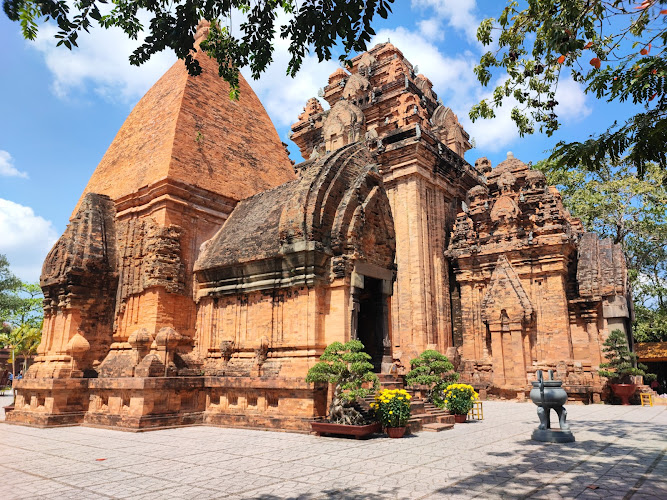
Po Nagar Temple

Khanh Hoa Museum
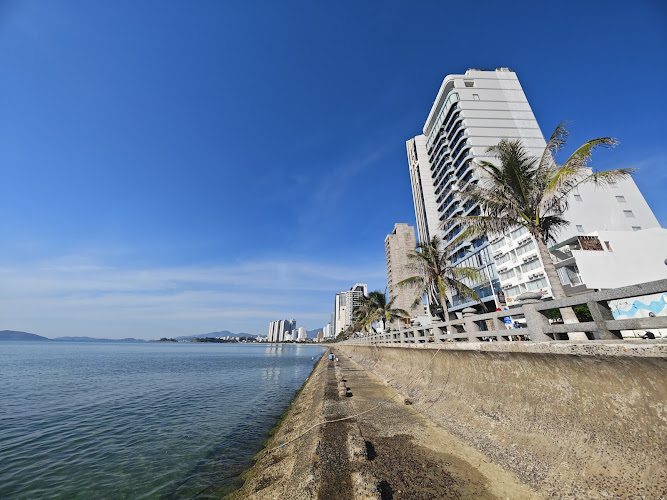
Beach Nha Trang
Find Accommodations Nearby
Recommended Tours & Activities
Visitor Reviews
There are no reviews yet. Be the first one to write one.
Share Your Experience
Have you visited Suoi Do Pagoda? Help other travelers by leaving a review.