

Khanh Hoa Museum
About Khanh Hoa Museum
Description
The Khanh Hoa Museum sits quietly in Nha Trang, doing its own thing while most travelers rush off toward beaches and island tours. And honestly, that’s part of its charm. This is a local history museum first and foremost, built to tell the story of Khanh Hoa Province rather than impress with flashy tech or oversized halls. It feels grounded. Real. Like it belongs to the community, not just to tourists passing through for two nights.
The museum focuses on archaeology, regional history, and cultural heritage, with exhibitions that move from ancient Cham civilization artifacts through wartime history and into the everyday life of coastal central Vietnam. Some displays are modest, even a little old-school, but that’s not necessarily a bad thing. It feels sincere, like a place that values preservation over spectacle. And yes, there are moments where you’ll think, “This could use better lighting,” or “That label probably hasn’t been updated in years.” But then you’ll stumble on a beautifully carved stone relic or a handwoven textile and forget about all that.
What makes the Khanh Hoa Museum appealing to travelers is how specific it is. This isn’t a sweeping overview of Vietnam. It’s about this province, these people, this land. You learn why the Cham once thrived here, how fishing shaped coastal life, and how the region endured conflict and change. I remember wandering through one gallery longer than expected because a black-and-white photo of Nha Trang from decades ago looked eerily familiar, just quieter. It hit me how fast places change, and how necessary museums like this are.
The museum is also fairly welcoming. It’s wheelchair accessible, including restrooms, which matters more than many places admit. It’s also suitable for kids, though younger ones might breeze through quickly unless they’re particularly curious. Still, it’s one of those stops where you can slow down, escape the heat, and actually learn something instead of just snapping photos.
Key Features
- Archaeological artifacts from the ancient Cham civilization, including stone sculptures and ceremonial objects
- Exhibits on local history covering pre-colonial, colonial, and wartime periods in Khanh Hoa Province
- Traditional costumes, tools, and household items that show daily life across different eras
- Photo archives that document Nha Trang and surrounding areas before modern tourism
- Indoor galleries that provide a cool, quiet break from the city’s humidity
- Wheelchair accessible parking and restrooms for easier mobility
- Family-friendly layout that works well for curious kids and patient parents
Best Time to Visit
The Khanh Hoa Museum can technically be visited year-round, but timing does make a difference in how enjoyable it feels. The best months are generally from January to August, when Nha Trang’s weather is drier and sunnier. During these months, popping into the museum midday feels like a smart move, especially when the sun gets aggressive and the beach loses its appeal for a few hours.
Rainy season, typically from October to December, isn’t a deal-breaker. In fact, on a rainy afternoon, the museum can feel extra cozy and calm. Fewer visitors wander in, and you can take your time reading displays without anyone hovering behind you. I once ducked in during a sudden downpour, expecting to stay 20 minutes. Ended up there nearly two hours, partly because it was dry and partly because I got pulled into the wartime exhibits more than expected.
Weekday mornings tend to be the quietest. Weekends can bring in school groups or local families, which adds a bit of noise but also energy. If you prefer a more contemplative experience, aim for earlier in the day. And if you’re the type who likes museums but hates crowds, this place is forgiving. It rarely feels packed.
How to Get There
Getting to the Khanh Hoa Museum is straightforward, especially if you’re staying in or near central Nha Trang. Taxis and ride-hailing apps are the easiest option and usually inexpensive. Most drivers know the museum, or at least recognize the name once you say it slowly. And yes, saying it twice sometimes helps.
If you’re comfortable on a motorbike, riding there is simple, and parking is usually manageable. Just keep an eye out for local traffic habits, which can feel chaotic if you’re new to Vietnam. Walking is possible if you’re staying nearby, but the heat and sidewalks (or lack thereof) can make it less pleasant at certain times of day.
Public buses run through parts of the city that aren’t far from the museum, though this option requires a bit more patience and flexibility. Honestly, for most travelers, a short taxi ride is worth it. It saves time and energy, leaving you more mental space to actually enjoy what you’re seeing inside.
Tips for Visiting
First tip: manage expectations. The Khanh Hoa Museum isn’t massive, and it’s not dripping with interactive screens or dramatic lighting. But if you go in with curiosity instead of a checklist, it rewards you. Slow down. Read the captions. Look closely at the details in the carvings and fabrics.
Second, give yourself about one to two hours. That’s the sweet spot. Rushing through in 30 minutes feels pointless, while trying to stretch it beyond two hours might feel forced unless you’re deeply into regional history. I usually tell friends to pair it with a relaxed lunch nearby, turning it into a low-key cultural half-day.
Third, bring water. There’s no restaurant on-site, and while restrooms are available, food options are not. A bottle of water in your bag goes a long way, especially if you’re visiting during hotter months.
Photography rules can vary by exhibit, so pay attention to signage. Some artifacts are fine to photograph, others not. And please don’t be that person who ignores the signs. It’s a small museum, and respect goes a long way.
If you’re visiting with kids, try to frame the experience as a story rather than a lesson. Ask them questions. What do they think this tool was used for? How would they feel living here 100 years ago? Even if they don’t answer seriously, it helps keep them engaged.
Lastly, remember that museums like this survive on interest and care. They’re not flashy attractions built for Instagram. They’re memory keepers. Walking through the Khanh Hoa Museum, you’re stepping into a place that quietly insists its past matters. And for travelers who want more than beaches and cocktails, that’s a pretty good reason to stop by.
Key Features
- Archaeological artifacts from the ancient Cham civilization, including stone sculptures and ceremonial objects
- Exhibits on local history covering pre-colonial, colonial, and wartime periods in Khanh Hoa Province
- Traditional costumes, tools, and household items that show daily life across different eras
- Photo archives that document Nha Trang and surrounding areas before modern tourism
- Indoor galleries that provide a cool, quiet break from the city’s humidity
- Wheelchair accessible parking and restrooms for easier mobility
- Family-friendly layout that works well for curious kids and patient parents
More Details
Updated December 31, 2025
Table of Contents
Description
The Khanh Hoa Museum sits quietly in Nha Trang, doing its own thing while most travelers rush off toward beaches and island tours. And honestly, that’s part of its charm. This is a local history museum first and foremost, built to tell the story of Khanh Hoa Province rather than impress with flashy tech or oversized halls. It feels grounded. Real. Like it belongs to the community, not just to tourists passing through for two nights.
The museum focuses on archaeology, regional history, and cultural heritage, with exhibitions that move from ancient Cham civilization artifacts through wartime history and into the everyday life of coastal central Vietnam. Some displays are modest, even a little old-school, but that’s not necessarily a bad thing. It feels sincere, like a place that values preservation over spectacle. And yes, there are moments where you’ll think, “This could use better lighting,” or “That label probably hasn’t been updated in years.” But then you’ll stumble on a beautifully carved stone relic or a handwoven textile and forget about all that.
What makes the Khanh Hoa Museum appealing to travelers is how specific it is. This isn’t a sweeping overview of Vietnam. It’s about this province, these people, this land. You learn why the Cham once thrived here, how fishing shaped coastal life, and how the region endured conflict and change. I remember wandering through one gallery longer than expected because a black-and-white photo of Nha Trang from decades ago looked eerily familiar, just quieter. It hit me how fast places change, and how necessary museums like this are.
The museum is also fairly welcoming. It’s wheelchair accessible, including restrooms, which matters more than many places admit. It’s also suitable for kids, though younger ones might breeze through quickly unless they’re particularly curious. Still, it’s one of those stops where you can slow down, escape the heat, and actually learn something instead of just snapping photos.
Key Features
- Archaeological artifacts from the ancient Cham civilization, including stone sculptures and ceremonial objects
- Exhibits on local history covering pre-colonial, colonial, and wartime periods in Khanh Hoa Province
- Traditional costumes, tools, and household items that show daily life across different eras
- Photo archives that document Nha Trang and surrounding areas before modern tourism
- Indoor galleries that provide a cool, quiet break from the city’s humidity
- Wheelchair accessible parking and restrooms for easier mobility
- Family-friendly layout that works well for curious kids and patient parents
Best Time to Visit
The Khanh Hoa Museum can technically be visited year-round, but timing does make a difference in how enjoyable it feels. The best months are generally from January to August, when Nha Trang’s weather is drier and sunnier. During these months, popping into the museum midday feels like a smart move, especially when the sun gets aggressive and the beach loses its appeal for a few hours.
Rainy season, typically from October to December, isn’t a deal-breaker. In fact, on a rainy afternoon, the museum can feel extra cozy and calm. Fewer visitors wander in, and you can take your time reading displays without anyone hovering behind you. I once ducked in during a sudden downpour, expecting to stay 20 minutes. Ended up there nearly two hours, partly because it was dry and partly because I got pulled into the wartime exhibits more than expected.
Weekday mornings tend to be the quietest. Weekends can bring in school groups or local families, which adds a bit of noise but also energy. If you prefer a more contemplative experience, aim for earlier in the day. And if you’re the type who likes museums but hates crowds, this place is forgiving. It rarely feels packed.
How to Get There
Getting to the Khanh Hoa Museum is straightforward, especially if you’re staying in or near central Nha Trang. Taxis and ride-hailing apps are the easiest option and usually inexpensive. Most drivers know the museum, or at least recognize the name once you say it slowly. And yes, saying it twice sometimes helps.
If you’re comfortable on a motorbike, riding there is simple, and parking is usually manageable. Just keep an eye out for local traffic habits, which can feel chaotic if you’re new to Vietnam. Walking is possible if you’re staying nearby, but the heat and sidewalks (or lack thereof) can make it less pleasant at certain times of day.
Public buses run through parts of the city that aren’t far from the museum, though this option requires a bit more patience and flexibility. Honestly, for most travelers, a short taxi ride is worth it. It saves time and energy, leaving you more mental space to actually enjoy what you’re seeing inside.
Tips for Visiting
First tip: manage expectations. The Khanh Hoa Museum isn’t massive, and it’s not dripping with interactive screens or dramatic lighting. But if you go in with curiosity instead of a checklist, it rewards you. Slow down. Read the captions. Look closely at the details in the carvings and fabrics.
Second, give yourself about one to two hours. That’s the sweet spot. Rushing through in 30 minutes feels pointless, while trying to stretch it beyond two hours might feel forced unless you’re deeply into regional history. I usually tell friends to pair it with a relaxed lunch nearby, turning it into a low-key cultural half-day.
Third, bring water. There’s no restaurant on-site, and while restrooms are available, food options are not. A bottle of water in your bag goes a long way, especially if you’re visiting during hotter months.
Photography rules can vary by exhibit, so pay attention to signage. Some artifacts are fine to photograph, others not. And please don’t be that person who ignores the signs. It’s a small museum, and respect goes a long way.
If you’re visiting with kids, try to frame the experience as a story rather than a lesson. Ask them questions. What do they think this tool was used for? How would they feel living here 100 years ago? Even if they don’t answer seriously, it helps keep them engaged.
Lastly, remember that museums like this survive on interest and care. They’re not flashy attractions built for Instagram. They’re memory keepers. Walking through the Khanh Hoa Museum, you’re stepping into a place that quietly insists its past matters. And for travelers who want more than beaches and cocktails, that’s a pretty good reason to stop by.
Key Highlights
- Archaeological artifacts from the ancient Cham civilization, including stone sculptures and ceremonial objects
- Exhibits on local history covering pre-colonial, colonial, and wartime periods in Khanh Hoa Province
- Traditional costumes, tools, and household items that show daily life across different eras
- Photo archives that document Nha Trang and surrounding areas before modern tourism
- Indoor galleries that provide a cool, quiet break from the city’s humidity
- Wheelchair accessible parking and restrooms for easier mobility
- Family-friendly layout that works well for curious kids and patient parents
Location
Places to Stay Near Khanh Hoa Museum
Find and Book a Tour
Explore More Travel Guides
No reviews found! Be the first to review!
Traveler Reviews for Khanh Hoa Museum
There are no reviews yet. Be the first one to write one.
Have you visited Khanh Hoa Museum? Help other travelers by sharing your review.
You Might Also Like
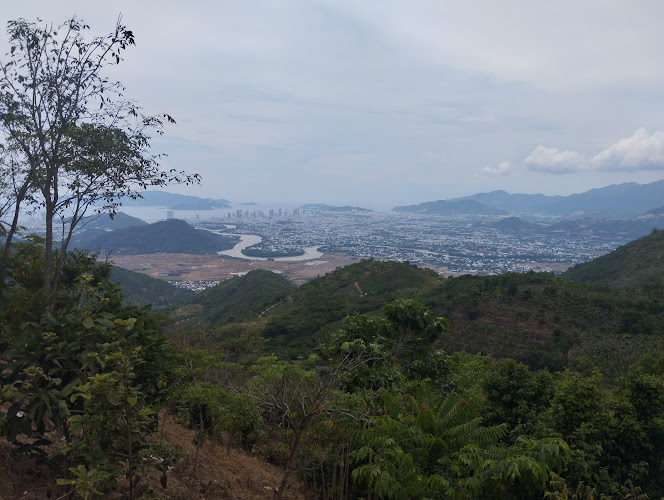
Nha Trang city view point
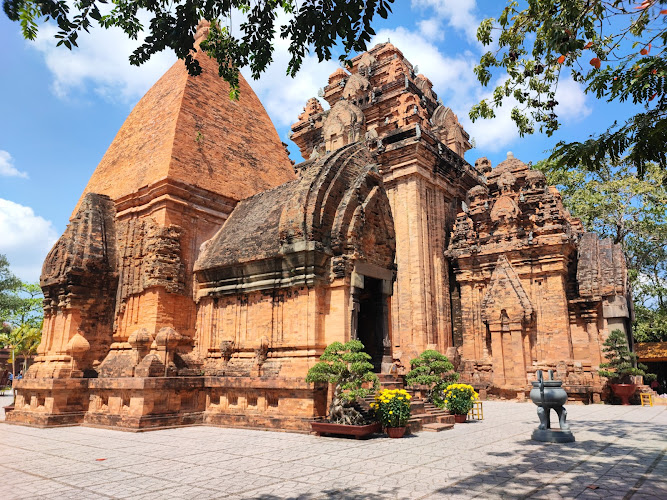
Po Nagar Temple

Suoi Do Pagoda
Find Accommodations Nearby
Recommended Tours & Activities
Visitor Reviews
There are no reviews yet. Be the first one to write one.
Share Your Experience
Have you visited Khanh Hoa Museum? Help other travelers by leaving a review.