
Po Nagar Temple
About Po Nagar Temple
Description
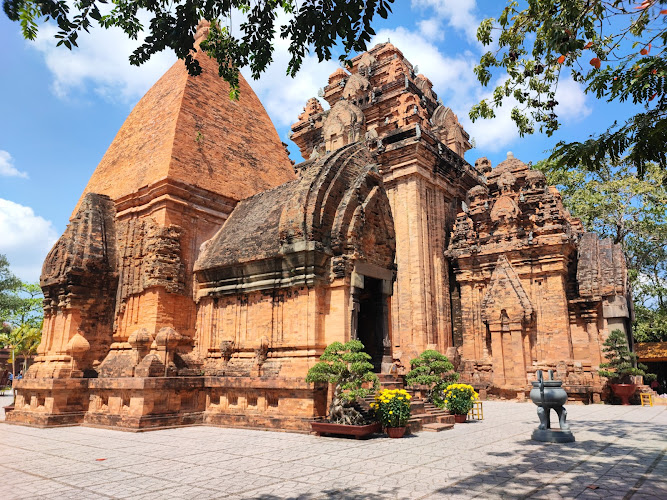
Po Nagar Temple is one of those places that quietly gets under your skin. It’s not flashy in a theme-park way, and it doesn’t try to impress you with modern tricks. Instead, it sits up there on its little hill, doing what it’s done for centuries: watching the city move and change below while keeping its own rhythm. This is a Hindu temple complex dedicated primarily to the goddess Yan Po Nagar, and yes, you’ll feel that spiritual weight the moment you climb the last few steps. I remember thinking, halfway up, “Okay, this better be worth the sweat.” It was.
The temple structure rises across three levels, built in that unmistakable Cham architectural style—brick towers, narrow doorways, and carvings that look simple at first glance but reveal more detail the longer you stare. The two tower-like structures often confuse people, some even calling them church towers (I’ve heard that mistake more than once), but they’re very much part of the ancient temple design. And honestly, that confusion adds to the charm. History here isn’t neatly labeled. You have to lean in and pay attention.
Inside the complex, there are small historical exhibits and old photographs that explain the temple’s evolution over time. Some displays feel a bit dated, but I didn’t mind. It made the place feel real, like it hasn’t been over-polished for tourists. The atmosphere is calm, sometimes surprisingly so given how popular the site is. You’ll hear incense crackling, soft murmurs of prayer, and the occasional laugh of kids running ahead of their parents. It’s not silent, but it’s peaceful in a lived-in way.
And here’s something people don’t always mention: Po Nagar Temple feels accessible. Not just physically, with wheelchair-friendly entrances and clear paths, but emotionally too. You don’t need to be Hindu, or even particularly spiritual, to appreciate it. You can come as a curious traveler, a history nerd, or just someone looking for a quiet hour away from traffic noise. I’ve visited on a rushed afternoon and on a lazy morning, and both times it offered exactly what I needed, which surprised me.
Key Features
- Three-story hilltop layout offering wide views over the surrounding city and river
- Ancient Cham architecture with brick towers and stone carvings
- Dedicated to the goddess Yan Po Nagar, still actively worshipped today
- Small historical exhibits and archival photographs inside the complex
- Calm, shaded courtyards that feel cooler than the streets below
- Wheelchair-accessible entrance and well-maintained walkways
- Restrooms and gender-neutral restroom available on-site
- Family-friendly environment, suitable for children
- Incense-filled prayer halls that create a deeply sensory experience
- A mix of local worshippers and international travelers, especially in the mornings
Best Time to Visit
Timing matters more here than people realize. Early morning is my personal favorite, around 7 to 9 am. The light is soft, the heat hasn’t kicked in yet, and locals come to pray before starting their day. There’s something grounding about watching someone make an offering with such focus while you’re still half-asleep and jet-lagged. It puts things in perspective.
Late afternoon, closer to sunset, is also popular, and for good reason. The view from the hilltop becomes warmer, and the temple bricks glow in a way that makes photographers very, very happy. But be warned: this is when crowds swell. It’s not unbearable, but you’ll share the space. If you’re someone who needs solitude to feel a place, this might test your patience.
Season-wise, drier months are easier. Rain can make the steps slippery, and umbrellas plus incense smoke is a combo I don’t recommend. That said, I once visited during a light drizzle, and the scent of wet stone mixed with incense was unforgettable. So, yeah, there’s beauty even when conditions aren’t perfect. Just wear sensible shoes. Seriously.
How to Get There
Getting to Po Nagar Temple is refreshingly straightforward. Most travelers reach it by taxi, ride-hailing apps, or motorbike. If you’re staying in the city center, the ride is short and affordable. And if you’re brave enough to rent a scooter, the route is manageable even for newer riders. Just take it slow near the hill; local traffic has its own logic, and it’s not always obvious.
For those who enjoy walking (and I mean really enjoy walking), it’s technically possible to reach the temple on foot from nearby areas. But the last stretch uphill can be a bit of a slog, especially under midday sun. I tried it once, thought I was being adventurous, and halfway up I was questioning all my life choices. Still, I made it. And the cold coconut water afterward tasted like victory.
Public transport options exist, but they require a bit more patience and local knowledge. If you’re short on time, stick with taxis or motorbikes. The goal is to arrive feeling calm, not frazzled.
Tips for Visiting
First things first: dress respectfully. This isn’t just a rule; it’s a sign of basic courtesy. Shoulders covered, knees covered. If you forget, there are usually wraps available, but it’s easier to plan ahead. And yes, it can be hot. Light, breathable fabrics are your friend.
Take your time. I know that sounds obvious, but I’ve seen people rush through in 20 minutes, snapping photos and checking boxes. Po Nagar Temple rewards lingering. Sit on a bench. Watch how incense is offered. Read the plaques, even if the translations are a bit clunky. Especially if they’re clunky. That’s part of the charm.
If you’re visiting with kids, keep them close but let them explore a little. The space is safe and welcoming, and children often pick up on the atmosphere faster than adults do. One time, I overheard a kid ask their parent why everyone was being so quiet, and the parent whispered back, “Because this place is listening.” I still think about that.
Bring small cash for offerings or donations. It’s not required, but it feels right, especially when you see how carefully the grounds are maintained. Also, use the restrooms before you leave if you need to; once you’re back in traffic, you might regret not doing so.
And finally, manage your expectations. Po Nagar Temple isn’t a grand, sprawling complex that will overwhelm you with scale. Its power is subtler. It’s in the worn steps, the smoke-stained bricks, the quiet persistence of faith over centuries. If you let it be what it is, rather than what you think it should be, it just might become one of those places you keep comparing others to. I know I do.
Key Features
- Three-story hilltop layout offering wide views over the surrounding city and river
- Ancient Cham architecture with brick towers and stone carvings
- Dedicated to the goddess Yan Po Nagar, still actively worshipped today
- Small historical exhibits and archival photographs inside the complex
- Calm, shaded courtyards that feel cooler than the streets below
- Wheelchair-accessible entrance and well-maintained walkways
- Restrooms and gender-neutral restroom available on-site
- Family-friendly environment, suitable for children
More Details
Updated December 31, 2025
Table of Contents
Description
Po Nagar Temple is one of those places that quietly gets under your skin. It’s not flashy in a theme-park way, and it doesn’t try to impress you with modern tricks. Instead, it sits up there on its little hill, doing what it’s done for centuries: watching the city move and change below while keeping its own rhythm. This is a Hindu temple complex dedicated primarily to the goddess Yan Po Nagar, and yes, you’ll feel that spiritual weight the moment you climb the last few steps. I remember thinking, halfway up, “Okay, this better be worth the sweat.” It was.
The temple structure rises across three levels, built in that unmistakable Cham architectural style—brick towers, narrow doorways, and carvings that look simple at first glance but reveal more detail the longer you stare. The two tower-like structures often confuse people, some even calling them church towers (I’ve heard that mistake more than once), but they’re very much part of the ancient temple design. And honestly, that confusion adds to the charm. History here isn’t neatly labeled. You have to lean in and pay attention.
Inside the complex, there are small historical exhibits and old photographs that explain the temple’s evolution over time. Some displays feel a bit dated, but I didn’t mind. It made the place feel real, like it hasn’t been over-polished for tourists. The atmosphere is calm, sometimes surprisingly so given how popular the site is. You’ll hear incense crackling, soft murmurs of prayer, and the occasional laugh of kids running ahead of their parents. It’s not silent, but it’s peaceful in a lived-in way.
And here’s something people don’t always mention: Po Nagar Temple feels accessible. Not just physically, with wheelchair-friendly entrances and clear paths, but emotionally too. You don’t need to be Hindu, or even particularly spiritual, to appreciate it. You can come as a curious traveler, a history nerd, or just someone looking for a quiet hour away from traffic noise. I’ve visited on a rushed afternoon and on a lazy morning, and both times it offered exactly what I needed, which surprised me.
Key Features
- Three-story hilltop layout offering wide views over the surrounding city and river
- Ancient Cham architecture with brick towers and stone carvings
- Dedicated to the goddess Yan Po Nagar, still actively worshipped today
- Small historical exhibits and archival photographs inside the complex
- Calm, shaded courtyards that feel cooler than the streets below
- Wheelchair-accessible entrance and well-maintained walkways
- Restrooms and gender-neutral restroom available on-site
- Family-friendly environment, suitable for children
- Incense-filled prayer halls that create a deeply sensory experience
- A mix of local worshippers and international travelers, especially in the mornings
Best Time to Visit
Timing matters more here than people realize. Early morning is my personal favorite, around 7 to 9 am. The light is soft, the heat hasn’t kicked in yet, and locals come to pray before starting their day. There’s something grounding about watching someone make an offering with such focus while you’re still half-asleep and jet-lagged. It puts things in perspective.
Late afternoon, closer to sunset, is also popular, and for good reason. The view from the hilltop becomes warmer, and the temple bricks glow in a way that makes photographers very, very happy. But be warned: this is when crowds swell. It’s not unbearable, but you’ll share the space. If you’re someone who needs solitude to feel a place, this might test your patience.
Season-wise, drier months are easier. Rain can make the steps slippery, and umbrellas plus incense smoke is a combo I don’t recommend. That said, I once visited during a light drizzle, and the scent of wet stone mixed with incense was unforgettable. So, yeah, there’s beauty even when conditions aren’t perfect. Just wear sensible shoes. Seriously.
How to Get There
Getting to Po Nagar Temple is refreshingly straightforward. Most travelers reach it by taxi, ride-hailing apps, or motorbike. If you’re staying in the city center, the ride is short and affordable. And if you’re brave enough to rent a scooter, the route is manageable even for newer riders. Just take it slow near the hill; local traffic has its own logic, and it’s not always obvious.
For those who enjoy walking (and I mean really enjoy walking), it’s technically possible to reach the temple on foot from nearby areas. But the last stretch uphill can be a bit of a slog, especially under midday sun. I tried it once, thought I was being adventurous, and halfway up I was questioning all my life choices. Still, I made it. And the cold coconut water afterward tasted like victory.
Public transport options exist, but they require a bit more patience and local knowledge. If you’re short on time, stick with taxis or motorbikes. The goal is to arrive feeling calm, not frazzled.
Tips for Visiting
First things first: dress respectfully. This isn’t just a rule; it’s a sign of basic courtesy. Shoulders covered, knees covered. If you forget, there are usually wraps available, but it’s easier to plan ahead. And yes, it can be hot. Light, breathable fabrics are your friend.
Take your time. I know that sounds obvious, but I’ve seen people rush through in 20 minutes, snapping photos and checking boxes. Po Nagar Temple rewards lingering. Sit on a bench. Watch how incense is offered. Read the plaques, even if the translations are a bit clunky. Especially if they’re clunky. That’s part of the charm.
If you’re visiting with kids, keep them close but let them explore a little. The space is safe and welcoming, and children often pick up on the atmosphere faster than adults do. One time, I overheard a kid ask their parent why everyone was being so quiet, and the parent whispered back, “Because this place is listening.” I still think about that.
Bring small cash for offerings or donations. It’s not required, but it feels right, especially when you see how carefully the grounds are maintained. Also, use the restrooms before you leave if you need to; once you’re back in traffic, you might regret not doing so.
And finally, manage your expectations. Po Nagar Temple isn’t a grand, sprawling complex that will overwhelm you with scale. Its power is subtler. It’s in the worn steps, the smoke-stained bricks, the quiet persistence of faith over centuries. If you let it be what it is, rather than what you think it should be, it just might become one of those places you keep comparing others to. I know I do.
Key Highlights
- Three-story hilltop layout offering wide views over the surrounding city and river
- Ancient Cham architecture with brick towers and stone carvings
- Dedicated to the goddess Yan Po Nagar, still actively worshipped today
- Small historical exhibits and archival photographs inside the complex
- Calm, shaded courtyards that feel cooler than the streets below
- Wheelchair-accessible entrance and well-maintained walkways
- Restrooms and gender-neutral restroom available on-site
- Family-friendly environment, suitable for children
Location
Places to Stay Near Po Nagar Temple
Find and Book a Tour
Explore More Travel Guides
No reviews found! Be the first to review!
Traveler Reviews for Po Nagar Temple
There are no reviews yet. Be the first one to write one.
Have you visited Po Nagar Temple? Help other travelers by sharing your review.
You Might Also Like
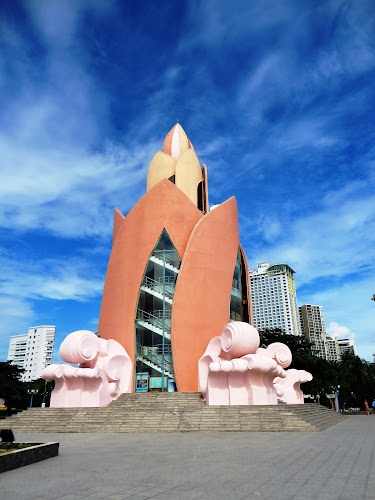
Tram Huong Tower
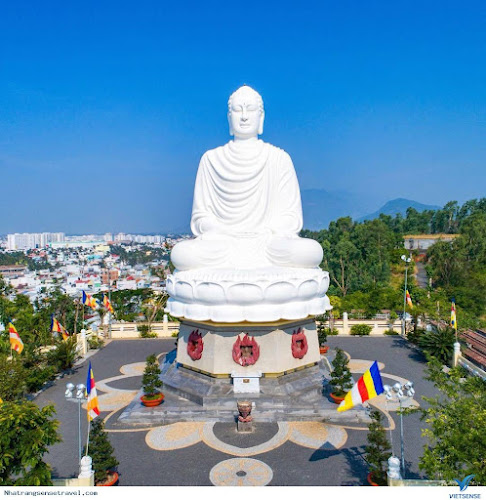
Long Son Pagoda

Hang Heo
Find Accommodations Nearby
Recommended Tours & Activities
Visitor Reviews
There are no reviews yet. Be the first one to write one.
Share Your Experience
Have you visited Po Nagar Temple? Help other travelers by leaving a review.