Hang Heo
About Hang Heo
Description
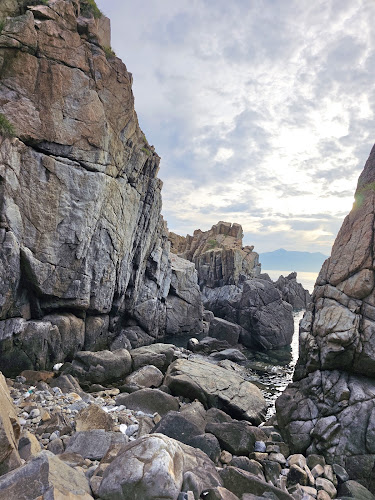
Hang Heo is one of those places that doesn’t try too hard to impress you. It just kind of… does. It’s a natural cave formation shaped by waves, wind, and a lot of time, and it sits along the rugged coastline, doing its thing while visitors wander in wide‑eyed. Travelers often lump Hang Heo in with other coastal caves, but that’s a mistake. This one has its own mood. A little raw. A little loud, actually, when the sea gets worked up.
The name itself, Hang Heo, loosely translates to Pig Cave, which always makes people chuckle. The story locals tell is that wild pigs once sheltered here, escaping storms and predators. Whether that’s fully true or not, the name sticks, and once you see the wide mouth of the cave and hear the echoing sounds inside, it oddly makes sense. It feels like a place animals would’ve chosen long before tourists showed up with cameras.
Walking into Hang Heo feels like stepping into a natural amphitheater. Waves crash straight into the cave, and the sound ricochets off the stone walls in a deep, thundering rhythm. Some days it’s dramatic, almost intimidating. Other days, especially when the sea is calmer, it’s soothing, like the cave is breathing slowly with the tide. I remember standing there once, shoes soaked because I misjudged a wave (rookie move), and just laughing because there was no fighting nature here. You’re on its schedule.
The ground is uneven, the rock formations jagged in places, and the air smells of salt and wet stone. It’s not polished, not overly curated. That’s part of the charm. Families come through, kids running ahead, stopping to shout into the cave to hear their own voices bounce back. Couples linger for photos, though photos never quite capture the sound. That’s the thing about Hang Heo—you remember it more by how it felt than how it looked.
Travelers have mixed reactions, and honestly, that’s fair. Some expect a massive cave system they can explore for hours and leave a bit underwhelmed. Others, like me, appreciate Hang Heo for what it is: a short, powerful encounter with coastal geology doing exactly what it’s always done. It’s not trying to entertain you. You’re just visiting.
Key Features
- Natural sea cave formed by volcanic rock and constant wave erosion
- Open cave mouth where waves crash directly inside, creating booming echoes
- Raw, unpolished terrain that feels untouched and authentic
- Short walking distance, making it accessible for families with kids
- Restroom facilities nearby, which honestly matters more than people admit
- Onsite services that help manage visitor flow during busy periods
- Great spot to observe the power of the ocean up close, especially on windy days
Best Time to Visit
The best time to visit Hang Heo depends on what kind of experience you’re after. If you want drama—the kind where the ocean roars and sprays mist into the air—go during the dry season when winds pick up and the sea gets restless. Early mornings are especially good. Fewer people, cooler air, and the light hits the rock walls at an angle that makes the textures pop.
Midday can be busy, especially during peak travel months. You’ll hear more chatter than waves sometimes, which slightly changes the vibe. But if you’re traveling with kids, midday actually works fine. The area feels lively, safer somehow, and there’s more staff around. I’ve seen kids stand there for ten minutes straight, tossing pebbles and waiting for waves to smash them back out. Simple joys.
Rainy days? Mixed bag. Light rain adds atmosphere, no doubt. The cave feels moodier, darker, more intense. Heavy rain, though, can make the rocks slippery, and that’s when things get less fun and more cautious. I’d skip it if the weather is really rough. Hang Heo isn’t going anywhere. It’s been around longer than all of us.
Sunset is underrated here. Most people leave after the afternoon, but if you catch the sun dropping low, the cave entrance glows softly, and the sea calms just a bit. It’s quieter, reflective. Bring a light layer, because it cools off fast.
How to Get There
Getting to Hang Heo is part of the adventure, but it’s not complicated. Once you’re in the general area, roads lead close enough that you won’t need a long hike. Most travelers arrive by motorbike or car, and parking is usually straightforward, though not fancy. And honestly, that’s fine. You didn’t come here for fancy.
From the parking area, it’s a short walk to the cave. The path isn’t perfectly smooth, so wear shoes you don’t mind getting dusty or wet. I’ve seen people attempt it in flip‑flops and regret it about thirty seconds in. You don’t need hiking boots, but something with grip helps.
If you’re traveling as part of a group or with a guide, Hang Heo is often bundled with nearby attractions. That can be convenient, but sometimes rushed. If you can, come independently so you can linger. Sit on a rock. Listen. Let the place sink in. It doesn’t demand much time, but it does reward attention.
Public transport can get you part of the way, but expect a bit of walking at the end. Ask locals if you’re unsure. People are generally happy to point you in the right direction, and sometimes you’ll get a story or two thrown in for free.
Tips for Visiting
First tip: respect the sea. That sounds obvious, but it’s easy to get complacent. Waves can surge unexpectedly, especially inside the cave. Keep a safe distance from the edge, and watch the water for a few minutes before moving closer. If you see locals stepping back, do the same. They know something you don’t.
Second, manage expectations. Hang Heo is not a massive tourist complex. It’s a natural attraction with a short visit window. Go in knowing that, and you’ll enjoy it way more. I’ve heard people complain it’s “too small,” which always feels like missing the point. It’s about intensity, not size.
Bring water, especially on hot days. There are restrooms, which is a plus, but don’t count on shops right at the cave entrance. Snacks in your bag never hurt. And if you’re visiting with kids, keep an eye on them. The echoing sounds are fun, but the rocks are hard, and the ground uneven.
Photography tip: wide‑angle lenses work best, but don’t get so focused on photos that you forget to listen. The sound is the experience. I made that mistake my first visit, fiddling with camera settings while the best wave of the day crashed in. Missed it. Learned my lesson.
Lastly, give yourself permission to feel whatever you feel there. Some people feel awe. Some feel a little uneasy. Some shrug and move on. All of that is okay. Hang Heo isn’t here to perform. It’s just a slice of coastline doing what it’s always done, and you’re the guest.
For travelers who appreciate natural forces up close, who don’t need handrails and gift shops to feel satisfied, Hang Heo offers a memorable pause in the journey. It’s rough around the edges, a bit unpredictable, and quietly unforgettable if you let it be.
Key Features
- Natural sea cave formed by volcanic rock and constant wave erosion
- Open cave mouth where waves crash directly inside, creating booming echoes
- Raw, unpolished terrain that feels untouched and authentic
- Short walking distance, making it accessible for families with kids
- Restroom facilities nearby, which honestly matters more than people admit
- Onsite services that help manage visitor flow during busy periods
- Great spot to observe the power of the ocean up close, especially on windy days
More Details
Updated December 31, 2025
Table of Contents
Description
Hang Heo is one of those places that doesn’t try too hard to impress you. It just kind of… does. It’s a natural cave formation shaped by waves, wind, and a lot of time, and it sits along the rugged coastline, doing its thing while visitors wander in wide‑eyed. Travelers often lump Hang Heo in with other coastal caves, but that’s a mistake. This one has its own mood. A little raw. A little loud, actually, when the sea gets worked up.
The name itself, Hang Heo, loosely translates to Pig Cave, which always makes people chuckle. The story locals tell is that wild pigs once sheltered here, escaping storms and predators. Whether that’s fully true or not, the name sticks, and once you see the wide mouth of the cave and hear the echoing sounds inside, it oddly makes sense. It feels like a place animals would’ve chosen long before tourists showed up with cameras.
Walking into Hang Heo feels like stepping into a natural amphitheater. Waves crash straight into the cave, and the sound ricochets off the stone walls in a deep, thundering rhythm. Some days it’s dramatic, almost intimidating. Other days, especially when the sea is calmer, it’s soothing, like the cave is breathing slowly with the tide. I remember standing there once, shoes soaked because I misjudged a wave (rookie move), and just laughing because there was no fighting nature here. You’re on its schedule.
The ground is uneven, the rock formations jagged in places, and the air smells of salt and wet stone. It’s not polished, not overly curated. That’s part of the charm. Families come through, kids running ahead, stopping to shout into the cave to hear their own voices bounce back. Couples linger for photos, though photos never quite capture the sound. That’s the thing about Hang Heo—you remember it more by how it felt than how it looked.
Travelers have mixed reactions, and honestly, that’s fair. Some expect a massive cave system they can explore for hours and leave a bit underwhelmed. Others, like me, appreciate Hang Heo for what it is: a short, powerful encounter with coastal geology doing exactly what it’s always done. It’s not trying to entertain you. You’re just visiting.
Key Features
- Natural sea cave formed by volcanic rock and constant wave erosion
- Open cave mouth where waves crash directly inside, creating booming echoes
- Raw, unpolished terrain that feels untouched and authentic
- Short walking distance, making it accessible for families with kids
- Restroom facilities nearby, which honestly matters more than people admit
- Onsite services that help manage visitor flow during busy periods
- Great spot to observe the power of the ocean up close, especially on windy days
Best Time to Visit
The best time to visit Hang Heo depends on what kind of experience you’re after. If you want drama—the kind where the ocean roars and sprays mist into the air—go during the dry season when winds pick up and the sea gets restless. Early mornings are especially good. Fewer people, cooler air, and the light hits the rock walls at an angle that makes the textures pop.
Midday can be busy, especially during peak travel months. You’ll hear more chatter than waves sometimes, which slightly changes the vibe. But if you’re traveling with kids, midday actually works fine. The area feels lively, safer somehow, and there’s more staff around. I’ve seen kids stand there for ten minutes straight, tossing pebbles and waiting for waves to smash them back out. Simple joys.
Rainy days? Mixed bag. Light rain adds atmosphere, no doubt. The cave feels moodier, darker, more intense. Heavy rain, though, can make the rocks slippery, and that’s when things get less fun and more cautious. I’d skip it if the weather is really rough. Hang Heo isn’t going anywhere. It’s been around longer than all of us.
Sunset is underrated here. Most people leave after the afternoon, but if you catch the sun dropping low, the cave entrance glows softly, and the sea calms just a bit. It’s quieter, reflective. Bring a light layer, because it cools off fast.
How to Get There
Getting to Hang Heo is part of the adventure, but it’s not complicated. Once you’re in the general area, roads lead close enough that you won’t need a long hike. Most travelers arrive by motorbike or car, and parking is usually straightforward, though not fancy. And honestly, that’s fine. You didn’t come here for fancy.
From the parking area, it’s a short walk to the cave. The path isn’t perfectly smooth, so wear shoes you don’t mind getting dusty or wet. I’ve seen people attempt it in flip‑flops and regret it about thirty seconds in. You don’t need hiking boots, but something with grip helps.
If you’re traveling as part of a group or with a guide, Hang Heo is often bundled with nearby attractions. That can be convenient, but sometimes rushed. If you can, come independently so you can linger. Sit on a rock. Listen. Let the place sink in. It doesn’t demand much time, but it does reward attention.
Public transport can get you part of the way, but expect a bit of walking at the end. Ask locals if you’re unsure. People are generally happy to point you in the right direction, and sometimes you’ll get a story or two thrown in for free.
Tips for Visiting
First tip: respect the sea. That sounds obvious, but it’s easy to get complacent. Waves can surge unexpectedly, especially inside the cave. Keep a safe distance from the edge, and watch the water for a few minutes before moving closer. If you see locals stepping back, do the same. They know something you don’t.
Second, manage expectations. Hang Heo is not a massive tourist complex. It’s a natural attraction with a short visit window. Go in knowing that, and you’ll enjoy it way more. I’ve heard people complain it’s “too small,” which always feels like missing the point. It’s about intensity, not size.
Bring water, especially on hot days. There are restrooms, which is a plus, but don’t count on shops right at the cave entrance. Snacks in your bag never hurt. And if you’re visiting with kids, keep an eye on them. The echoing sounds are fun, but the rocks are hard, and the ground uneven.
Photography tip: wide‑angle lenses work best, but don’t get so focused on photos that you forget to listen. The sound is the experience. I made that mistake my first visit, fiddling with camera settings while the best wave of the day crashed in. Missed it. Learned my lesson.
Lastly, give yourself permission to feel whatever you feel there. Some people feel awe. Some feel a little uneasy. Some shrug and move on. All of that is okay. Hang Heo isn’t here to perform. It’s just a slice of coastline doing what it’s always done, and you’re the guest.
For travelers who appreciate natural forces up close, who don’t need handrails and gift shops to feel satisfied, Hang Heo offers a memorable pause in the journey. It’s rough around the edges, a bit unpredictable, and quietly unforgettable if you let it be.

Key Highlights
- Natural sea cave formed by volcanic rock and constant wave erosion
- Open cave mouth where waves crash directly inside, creating booming echoes
- Raw, unpolished terrain that feels untouched and authentic
- Short walking distance, making it accessible for families with kids
- Restroom facilities nearby, which honestly matters more than people admit
- Onsite services that help manage visitor flow during busy periods
- Great spot to observe the power of the ocean up close, especially on windy days
Location
Places to Stay Near Hang Heo
Find and Book a Tour
Explore More Travel Guides
No reviews found! Be the first to review!
Traveler Reviews for Hang Heo
There are no reviews yet. Be the first one to write one.
Have you visited Hang Heo? Help other travelers by sharing your review.
Find Accommodations Nearby
Recommended Tours & Activities
Visitor Reviews
There are no reviews yet. Be the first one to write one.
Share Your Experience
Have you visited Hang Heo? Help other travelers by leaving a review.