

Hon Ba Nature Reserve
About Hon Ba Nature Reserve
Description
Hon Ba Nature Reserve is one of those places that doesn’t scream for attention, and honestly, that’s part of its charm. It sits quietly inland from the coast, rising up into cooler air and thick forest, feeling miles away from beach crowds even though it’s not. Travelers often come here expecting a quick nature stop and end up staying longer than planned. That happened to me. I thought it would be a half-day thing. I packed one sandwich. Rookie mistake.
This reserve is known for rugged trails that snake through dense jungle, crossing streams and leading to waterfalls and natural pools that look almost staged, like someone carefully placed every rock. But it’s real, messy, and sometimes muddy. And yes, you will probably slip at least once if it rained the night before. That’s kind of the deal.
One of the most interesting layers of Hon Ba is its historical side. Tucked inside the forest is the former house of Alexandre Yersin, the French scientist who played a major role in medical research in Vietnam. Walking through the remains of his old residence, surrounded by fog and birdsong, feels strangely intimate. It’s not flashy. It’s quiet. And it gives the place a thoughtful, almost reflective mood that many nature reserves just don’t have.
The reserve covers a large mountainous area, and the change in elevation makes a huge difference. Down low, it’s warm and humid. Climb higher and suddenly the air cools, the trees change shape, and you start hearing insects you didn’t notice before. It feels like several ecosystems stitched together. That diversity is why scientists love Hon Ba, and why travelers who enjoy nature beyond photo ops end up impressed.
Facilities exist, but they don’t dominate the experience. There are picnic tables, barbecue grills, public restrooms, and even swings and a playground area for kids. But they’re spaced out enough that you still feel like you’re in a forest, not a park pretending to be one. Dogs are allowed, which I personally love, though you’ll want to keep yours close because squirrels here are bold. Too bold, if you ask me.
Overall, Hon Ba Nature Reserve feels honest. It doesn’t promise luxury or perfect trails. What it offers instead is space to breathe, to walk, to sweat a little, and to reconnect with nature in a way that feels unfiltered.
Key Features
- Extensive hiking trails ranging from gentle forest walks to steep, rocky climbs
- Multiple waterfalls and natural pools ideal for cooling off after a long hike
- Former residence of Alexandre Yersin, offering historical and cultural context
- Rich biodiversity, including rare plants and a wide range of bird species
- Picnic areas with tables and barbecue grills, great for slow lunches outdoors
- Family-friendly zones with swings, playgrounds, and kid-friendly trails
- Dog-friendly environment with open areas and designated dog park space
- Mountain climate with cooler temperatures compared to nearby coastal areas
Best Time to Visit
If you ask ten locals when to visit Hon Ba Nature Reserve, you’ll probably get ten slightly different answers. But most agree on one thing: timing matters here. The dry season, typically from January to August, is the safest bet for hiking. Trails are clearer, streams are easier to cross, and you won’t spend half your time worrying about slipping on wet roots.
That said, I have a soft spot for the early rainy season, around September or October. Yes, it’s muddier. And yes, leeches might make a cameo. But the waterfalls are fuller, louder, and honestly more dramatic. The forest turns a deeper green, and mist hangs in the air in a way that makes everything feel cinematic. Just don’t wear white sneakers. Trust me on that one.
Time of day also matters more than people think. Mornings are cooler and quieter. You’ll hear more birds, and the light filtering through the trees is softer. Afternoons can get hot and busy, especially on weekends when families come for picnics. If you’re after solitude, aim to arrive early. If you enjoy people-watching and the sound of kids laughing near the water, later in the day has its own charm.
Weekdays are generally calmer. Weekends bring energy, noise, and a more social vibe. Neither is better, just different. It depends on what you’re craving.
How to Get There
Getting to Hon Ba Nature Reserve is part of the adventure, and that’s not just a nice way of saying the road can be rough. From nearby coastal cities, the journey usually involves leaving smooth highways behind and climbing into the mountains on narrower roads. The scenery improves as the asphalt quality declines. Funny how that works.
Most travelers choose to go by motorbike or car. Motorbikes offer more flexibility and that sense of freedom that Vietnam does so well, but they’re not for everyone. The climb includes sharp turns and occasional fog. If you’re not confident on two wheels, a car is the safer option.
There’s limited public transport that goes directly to the reserve, so many visitors arrange private transport or join a small tour. Personally, I prefer going independently. It lets you stop when you want, take photos of random viewpoints, or buy roadside fruit from someone who swears it’s the sweetest you’ll ever taste. Sometimes they’re right.
Once you reach the entrance area, you’ll find basic facilities and staff who can point you toward different trails and spots. Maps are available, but they’re not always detailed. Download an offline map beforehand if you’re planning longer hikes. Signal can be unreliable once you’re deep in the forest.
Tips for Visiting
First tip, and I say this with love: don’t underestimate this place. Hon Ba Nature Reserve looks friendly at first glance, but its trails can be demanding. Wear proper shoes. Not flip-flops, not city sneakers on their last legs. Real shoes. Your ankles will thank you later.
Bring more water than you think you need. The mountain climate is cooler, but humidity still sneaks up on you. I once ran out of water halfway back and had to ration sips like I was crossing a desert. Dramatic, maybe. Unpleasant, definitely.
If you’re visiting with kids, stick to the marked, kid-friendly trails and picnic areas. They’re well-suited for families and still offer plenty of nature without the risk factor. The playground and swings are a nice bonus, especially if your little ones need a break from walking.
Dogs are allowed, which is great, but keep them leashed near trails and picnic zones. Wildlife lives here, and not all encounters should be spontaneous. Also, bring waste bags. It sounds obvious, but you’d be surprised.
Food options inside the reserve are limited, so pack snacks or a full picnic. Barbecue grills are available, and they’re a fun way to spend a lazy afternoon if you’re traveling with a group. Just clean up after yourself. This place stays beautiful because people mostly respect it.
Weather changes fast in the mountains. A sunny morning can turn into a foggy afternoon with light rain. Pack a thin rain jacket, even if the forecast looks perfect. And maybe an extra pair of socks. Wet feet ruin moods quicker than almost anything.
Lastly, slow down. Hon Ba isn’t about ticking off sights as fast as possible. Sit by a stream. Listen to the forest. Wander without rushing. Some of my favorite memories here are moments when nothing “happened” at all. And those are the moments that tend to stick with you long after you leave.
Key Features
- Extensive hiking trails ranging from gentle forest walks to steep, rocky climbs
- Multiple waterfalls and natural pools ideal for cooling off after a long hike
- Former residence of Alexandre Yersin, offering historical and cultural context
- Rich biodiversity, including rare plants and a wide range of bird species
- Picnic areas with tables and barbecue grills, great for slow lunches outdoors
- Family-friendly zones with swings, playgrounds, and kid-friendly trails
- Dog-friendly environment with open areas and designated dog park space
- Mountain climate with cooler temperatures compared to nearby coastal areas
More Details
Updated December 31, 2025
Table of Contents
Description
Hon Ba Nature Reserve is one of those places that doesn’t scream for attention, and honestly, that’s part of its charm. It sits quietly inland from the coast, rising up into cooler air and thick forest, feeling miles away from beach crowds even though it’s not. Travelers often come here expecting a quick nature stop and end up staying longer than planned. That happened to me. I thought it would be a half-day thing. I packed one sandwich. Rookie mistake.
This reserve is known for rugged trails that snake through dense jungle, crossing streams and leading to waterfalls and natural pools that look almost staged, like someone carefully placed every rock. But it’s real, messy, and sometimes muddy. And yes, you will probably slip at least once if it rained the night before. That’s kind of the deal.
One of the most interesting layers of Hon Ba is its historical side. Tucked inside the forest is the former house of Alexandre Yersin, the French scientist who played a major role in medical research in Vietnam. Walking through the remains of his old residence, surrounded by fog and birdsong, feels strangely intimate. It’s not flashy. It’s quiet. And it gives the place a thoughtful, almost reflective mood that many nature reserves just don’t have.
The reserve covers a large mountainous area, and the change in elevation makes a huge difference. Down low, it’s warm and humid. Climb higher and suddenly the air cools, the trees change shape, and you start hearing insects you didn’t notice before. It feels like several ecosystems stitched together. That diversity is why scientists love Hon Ba, and why travelers who enjoy nature beyond photo ops end up impressed.
Facilities exist, but they don’t dominate the experience. There are picnic tables, barbecue grills, public restrooms, and even swings and a playground area for kids. But they’re spaced out enough that you still feel like you’re in a forest, not a park pretending to be one. Dogs are allowed, which I personally love, though you’ll want to keep yours close because squirrels here are bold. Too bold, if you ask me.
Overall, Hon Ba Nature Reserve feels honest. It doesn’t promise luxury or perfect trails. What it offers instead is space to breathe, to walk, to sweat a little, and to reconnect with nature in a way that feels unfiltered.
Key Features
- Extensive hiking trails ranging from gentle forest walks to steep, rocky climbs
- Multiple waterfalls and natural pools ideal for cooling off after a long hike
- Former residence of Alexandre Yersin, offering historical and cultural context
- Rich biodiversity, including rare plants and a wide range of bird species
- Picnic areas with tables and barbecue grills, great for slow lunches outdoors
- Family-friendly zones with swings, playgrounds, and kid-friendly trails
- Dog-friendly environment with open areas and designated dog park space
- Mountain climate with cooler temperatures compared to nearby coastal areas
Best Time to Visit
If you ask ten locals when to visit Hon Ba Nature Reserve, you’ll probably get ten slightly different answers. But most agree on one thing: timing matters here. The dry season, typically from January to August, is the safest bet for hiking. Trails are clearer, streams are easier to cross, and you won’t spend half your time worrying about slipping on wet roots.
That said, I have a soft spot for the early rainy season, around September or October. Yes, it’s muddier. And yes, leeches might make a cameo. But the waterfalls are fuller, louder, and honestly more dramatic. The forest turns a deeper green, and mist hangs in the air in a way that makes everything feel cinematic. Just don’t wear white sneakers. Trust me on that one.
Time of day also matters more than people think. Mornings are cooler and quieter. You’ll hear more birds, and the light filtering through the trees is softer. Afternoons can get hot and busy, especially on weekends when families come for picnics. If you’re after solitude, aim to arrive early. If you enjoy people-watching and the sound of kids laughing near the water, later in the day has its own charm.
Weekdays are generally calmer. Weekends bring energy, noise, and a more social vibe. Neither is better, just different. It depends on what you’re craving.
How to Get There
Getting to Hon Ba Nature Reserve is part of the adventure, and that’s not just a nice way of saying the road can be rough. From nearby coastal cities, the journey usually involves leaving smooth highways behind and climbing into the mountains on narrower roads. The scenery improves as the asphalt quality declines. Funny how that works.
Most travelers choose to go by motorbike or car. Motorbikes offer more flexibility and that sense of freedom that Vietnam does so well, but they’re not for everyone. The climb includes sharp turns and occasional fog. If you’re not confident on two wheels, a car is the safer option.
There’s limited public transport that goes directly to the reserve, so many visitors arrange private transport or join a small tour. Personally, I prefer going independently. It lets you stop when you want, take photos of random viewpoints, or buy roadside fruit from someone who swears it’s the sweetest you’ll ever taste. Sometimes they’re right.
Once you reach the entrance area, you’ll find basic facilities and staff who can point you toward different trails and spots. Maps are available, but they’re not always detailed. Download an offline map beforehand if you’re planning longer hikes. Signal can be unreliable once you’re deep in the forest.
Tips for Visiting
First tip, and I say this with love: don’t underestimate this place. Hon Ba Nature Reserve looks friendly at first glance, but its trails can be demanding. Wear proper shoes. Not flip-flops, not city sneakers on their last legs. Real shoes. Your ankles will thank you later.
Bring more water than you think you need. The mountain climate is cooler, but humidity still sneaks up on you. I once ran out of water halfway back and had to ration sips like I was crossing a desert. Dramatic, maybe. Unpleasant, definitely.
If you’re visiting with kids, stick to the marked, kid-friendly trails and picnic areas. They’re well-suited for families and still offer plenty of nature without the risk factor. The playground and swings are a nice bonus, especially if your little ones need a break from walking.
Dogs are allowed, which is great, but keep them leashed near trails and picnic zones. Wildlife lives here, and not all encounters should be spontaneous. Also, bring waste bags. It sounds obvious, but you’d be surprised.
Food options inside the reserve are limited, so pack snacks or a full picnic. Barbecue grills are available, and they’re a fun way to spend a lazy afternoon if you’re traveling with a group. Just clean up after yourself. This place stays beautiful because people mostly respect it.
Weather changes fast in the mountains. A sunny morning can turn into a foggy afternoon with light rain. Pack a thin rain jacket, even if the forecast looks perfect. And maybe an extra pair of socks. Wet feet ruin moods quicker than almost anything.
Lastly, slow down. Hon Ba isn’t about ticking off sights as fast as possible. Sit by a stream. Listen to the forest. Wander without rushing. Some of my favorite memories here are moments when nothing “happened” at all. And those are the moments that tend to stick with you long after you leave.
Key Highlights
- Extensive hiking trails ranging from gentle forest walks to steep, rocky climbs
- Multiple waterfalls and natural pools ideal for cooling off after a long hike
- Former residence of Alexandre Yersin, offering historical and cultural context
- Rich biodiversity, including rare plants and a wide range of bird species
- Picnic areas with tables and barbecue grills, great for slow lunches outdoors
- Family-friendly zones with swings, playgrounds, and kid-friendly trails
- Dog-friendly environment with open areas and designated dog park space
- Mountain climate with cooler temperatures compared to nearby coastal areas
Location
Places to Stay Near Hon Ba Nature Reserve
Find and Book a Tour
Explore More Travel Guides
No reviews found! Be the first to review!
Traveler Reviews for Hon Ba Nature Reserve
There are no reviews yet. Be the first one to write one.
Have you visited Hon Ba Nature Reserve? Help other travelers by sharing your review.
You Might Also Like
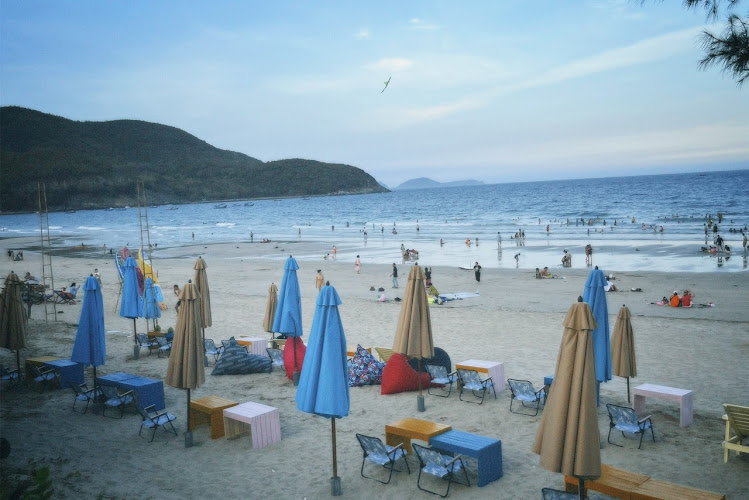
BAI DAI BEACH - HEALING AND CHILLING
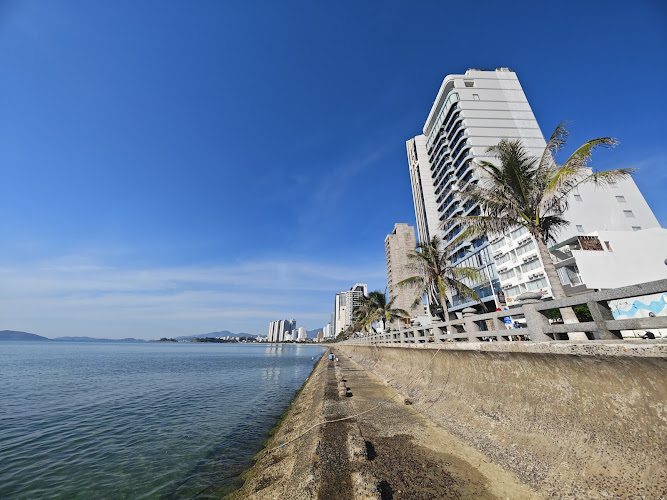
Beach Nha Trang
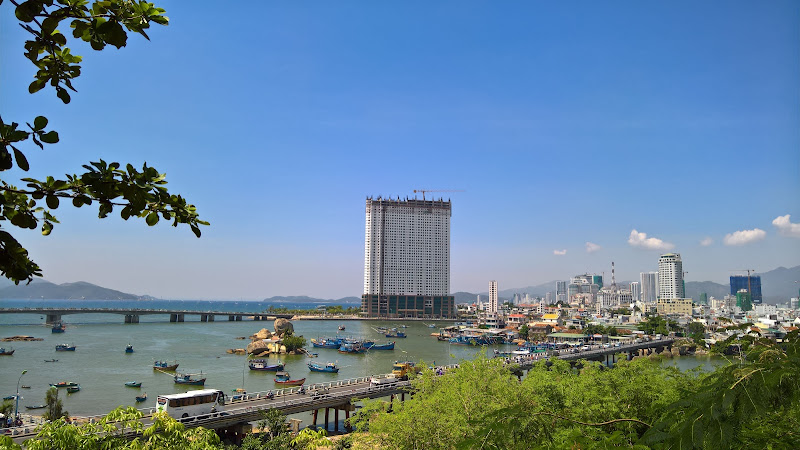
Nha Trang
Find Accommodations Nearby
Recommended Tours & Activities
Visitor Reviews
There are no reviews yet. Be the first one to write one.
Share Your Experience
Have you visited Hon Ba Nature Reserve? Help other travelers by leaving a review.