
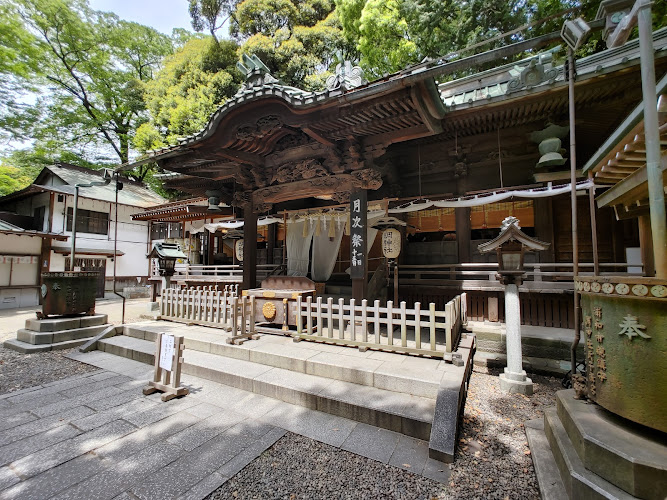
Tsukinomiya Park
About Tsukinomiya Park
Description
Tucked away in a quieter pocket of Saitama, Tsukinomiya Park is, if I’m being honest, the sort of place I wish I’d stumbled across during my own wanderlust-driven adventures in Japan years ago. The sort of park where simplicity takes front stage and local flavor seeps into every interaction, this green patchwork has a reputation—not a flashy tourist mecca, but a calming escape with a twist: a resident rabbit community! Yes, actual rabbits roam the grounds, so if you love animals or have kids trailing behind, your camera roll might fill up faster than you expect. Plus, there’s something almost meditative about spending an hour or two around the winding paths, under the leafy trees, watching both the people and wildlife go about their day.
It’s got its quirks, sure. Not everything is shiny and new—the edges show a little wear and tear, and if you’re after some meticulously sculpted Japanese-style garden, you might be in the wrong spot. But honestly, that’s what gives it a homegrown charm. I’ve heard from Saitama locals that this spot is as much for unwinding as it is for playdates, dog walks, or even the occasional raucous afternoon picnic. And while I’m the nostalgic type who loves a park with a dash of soul, it helps that Tsukinomiya Park keeps things practical: public restrooms, plenty of shade, and a general air of “everyone’s welcome.” A rare find, if you ask me.
Key Features
- Rabbit Encounters: Not your everyday park! Unlike most urban oases, this place is known for its freely wandering rabbits. Honestly, seeing those fluffy hoppers in real life gives the place a magical touch. Bring a few greens (but double-check park rules before feeding!) and they might just come say hello.
- Pet-Friendly Vibes: Dogs are allowed, so bring your best furry friend—but please leash them, since the rabbits really run the show here. The park’s pet policy makes it popular with local dog walkers (I’d even say it’s a micro-community in the making on weekends).
- Family-Friendly Amenities: I’ve seen parents relax on benches while their children go bounding along the wide lawns. The space is open and inviting for games, frisbees, and spontaneous tag—you get the picture. Good news for families needing a break from city bustle.
- Shady Rest Areas & Public Restrooms: There are well-placed benches under the mature trees, offering relief on hot afternoons or after long walks. You won’t be stranded when nature calls, either; functional, clean public restrooms are on site.
- Simple, No-Frills Layout: Straightforward, no gimmicks. The park isn’t some overly-manicured showcase; it’s real, used, and loved by the community. The pathways are broad enough for strollers or wheelchairs (though note: accessible parking is not available, so plan accordingly.)
- Calm, Local Atmosphere: If you’re chasing peace and quiet or hoping to slow the pace of your day, this park delivers. People are friendly, lots of regulars, and the vibe is almost contagious—it’s an ideal place for reading, reflecting, or simply people-watching.
- Easy Accessibility for Kids: Since there’s room to run wild (safely), parents will be relieved not to worry about cars zooming past. That sense of security is, in my view, underrated.
Best Time to Visit
Alright, here’s where my personal bias kicks in. I’m a springtime fanatic, mostly because cherry blossoms (sakura) make any Japanese park a living watercolor. If you time your visit right (usually mid-to-late March, depending on the year), you’ll find Tsukinomiya Park sprinkled in pink and white, with families and couples setting up picnics under the blossoms. There’s something gently festive about it—the distant buzz of conversation, the occasional giggle from a group toasting with canned coffees and snacks. Regardless, if you don’t time the sakura peak, don’t let that stop you.
Summer brings lush, deep greens and cooler patches under thick trees. Yes, it’s humid, but the rabbits and shady nooks make up for it. Autumn is a close second-favorite: expect fiery reds and golds flashing through the canopies, crunchy leaves, and (frankly) a photogenic scene. Even in the winter, there’s a subdued peacefulness, minus the crowds and noise—wrap up warm, bring a thermos, and the park’s yours to explore.
If you hate crowds, aim for weekday mornings. If you like people-watching, weekends are best. But honestly, there’s no wrong season. Tsukinomiya Park adapts to the mood you bring.
How to Get There
Okay, so unless you’re a Saitama local, navigating the city’s quieter corners might seem daunting at first. No need to panic: the park is within walking distance of major train stations (Japan’s trains are nearly always on the dot, by the way), and the neighborhood is safe and easy to wander.
From my own experiences traveling in Japan, I’d recommend taking the local JR lines; they’re efficient and cheap. Once you get off at the closest station—it’ll probably be Urawa or Minami-Urawa, based on which direction you’re coming from—it’s about a 10-15 minute walk. There’s a friendly community energy in this area; shopkeepers waving good morning, mothers herding kids, delivery drivers zipping down the lanes. I’ve found even a lost-looking foreigner gets a smile and polite nod here.
Car parkers, heads up: you won’t find dedicated wheelchair-accessible parking at this park. Street parking can sometimes be a gamble (better early mornings), and Japanese streets are narrower than many first-time travelers expect. If you’re set on driving, try a public paid lot nearby and use the stroll as your warm-up for the day.
If you’re all about efficiency (or you’ve got kids who just can’t walk that far), consider a quick taxi hop from the station. It’s affordable—especially if you’re sharing the ride—and drivers are pros at finding the simplest drop-off spot.
Tips for Visiting
Let me toss you a few hard-earned insider tips—these come from both my own traveling blunders and what I’ve picked up chatting with park fans:
- Bring Snacks—But Mind the Mess: There aren’t always food stalls, so pack your own bento or treats if you want to linger. Just remember, keep things tidy! Japanese parks aren’t big on public trash cans, so a plastic bag to carry your rubbish is a must. The locals are serious about keeping things clean.
- Respect the Rabbits: They’re wild, but used to people. Don’t chase or try to grab for a selfie—they’ll just scatter. If you want to feed them, check signage or ask a local what’s safe. And no loud surprises, please; calm curiosity goes a long way.
- Pet Owners, Be Courteous: Leash your dogs, bring a water bowl, and always—always—scoop after them. It’s a simple kindness that keeps the park welcoming for everyone, especially the four-legged residents.
- Accessibility Considerations: While paths are easy for strollers, folks with wheelchairs might find it tough because of the lack of dedicated accessible parking. If mobility’s a concern, plan ahead with a travel companion or call ahead for advice.
- Photos Without the Crowds: Want those dreamy, undisturbed landscape shots? Early mornings during the week are your best bet. I swear by sunrise strolls—little traffic, soft golden light, and rabbits still sleepy.
- Embrace Local Pace: Don’t just bolt through for a photo op. Unplug, sit awhile, and watch the world from a shaded bench. I’ve accidentally discovered some of the best moments by doing, well, basically nothing.
- Keep Cash Handy: Not everywhere nearby takes cards, and Rakuten Pay isn’t an option. If you plan to grab snacks or souvenirs at nearby shops, you’ll need coins or bills—and trust me, in Japan, nobody will bat an eye at exact change.
- Public Restroom: Gratefully, they exist here! Still, carry tissues or hand sanitizers as a precaution—sometimes you’ll find the bare minimum in rural parks.
If you want off-the-beaten-track charm with real Japanese character, Tsukinomiya Park is worth your afternoon. Honestly, it might not make every glossy travel magazine—too casual, a bit scruffy around the edges—but it feels authentic. It’s the sort of place you remember for the little moments: the sight of rabbits hopping among fallen sakura petals, the giggles of neighborhood kids, strangers’ smiles, your own unhurried heartbeat. If that isn
Key Features
- Key Features
- Best Time to Visit
- How to Get There
- Tips for Visiting
More Details
Updated June 9, 2025
Table of Contents
Description
Tucked away in a quieter pocket of Saitama, Tsukinomiya Park is, if I’m being honest, the sort of place I wish I’d stumbled across during my own wanderlust-driven adventures in Japan years ago. The sort of park where simplicity takes front stage and local flavor seeps into every interaction, this green patchwork has a reputation—not a flashy tourist mecca, but a calming escape with a twist: a resident rabbit community! Yes, actual rabbits roam the grounds, so if you love animals or have kids trailing behind, your camera roll might fill up faster than you expect. Plus, there’s something almost meditative about spending an hour or two around the winding paths, under the leafy trees, watching both the people and wildlife go about their day.
It’s got its quirks, sure. Not everything is shiny and new—the edges show a little wear and tear, and if you’re after some meticulously sculpted Japanese-style garden, you might be in the wrong spot. But honestly, that’s what gives it a homegrown charm. I’ve heard from Saitama locals that this spot is as much for unwinding as it is for playdates, dog walks, or even the occasional raucous afternoon picnic. And while I’m the nostalgic type who loves a park with a dash of soul, it helps that Tsukinomiya Park keeps things practical: public restrooms, plenty of shade, and a general air of “everyone’s welcome.” A rare find, if you ask me.
Key Features
- Rabbit Encounters: Not your everyday park! Unlike most urban oases, this place is known for its freely wandering rabbits. Honestly, seeing those fluffy hoppers in real life gives the place a magical touch. Bring a few greens (but double-check park rules before feeding!) and they might just come say hello.
- Pet-Friendly Vibes: Dogs are allowed, so bring your best furry friend—but please leash them, since the rabbits really run the show here. The park’s pet policy makes it popular with local dog walkers (I’d even say it’s a micro-community in the making on weekends).
- Family-Friendly Amenities: I’ve seen parents relax on benches while their children go bounding along the wide lawns. The space is open and inviting for games, frisbees, and spontaneous tag—you get the picture. Good news for families needing a break from city bustle.
- Shady Rest Areas & Public Restrooms: There are well-placed benches under the mature trees, offering relief on hot afternoons or after long walks. You won’t be stranded when nature calls, either; functional, clean public restrooms are on site.
- Simple, No-Frills Layout: Straightforward, no gimmicks. The park isn’t some overly-manicured showcase; it’s real, used, and loved by the community. The pathways are broad enough for strollers or wheelchairs (though note: accessible parking is not available, so plan accordingly.)
- Calm, Local Atmosphere: If you’re chasing peace and quiet or hoping to slow the pace of your day, this park delivers. People are friendly, lots of regulars, and the vibe is almost contagious—it’s an ideal place for reading, reflecting, or simply people-watching.
- Easy Accessibility for Kids: Since there’s room to run wild (safely), parents will be relieved not to worry about cars zooming past. That sense of security is, in my view, underrated.
Best Time to Visit
Alright, here’s where my personal bias kicks in. I’m a springtime fanatic, mostly because cherry blossoms (sakura) make any Japanese park a living watercolor. If you time your visit right (usually mid-to-late March, depending on the year), you’ll find Tsukinomiya Park sprinkled in pink and white, with families and couples setting up picnics under the blossoms. There’s something gently festive about it—the distant buzz of conversation, the occasional giggle from a group toasting with canned coffees and snacks. Regardless, if you don’t time the sakura peak, don’t let that stop you.
Summer brings lush, deep greens and cooler patches under thick trees. Yes, it’s humid, but the rabbits and shady nooks make up for it. Autumn is a close second-favorite: expect fiery reds and golds flashing through the canopies, crunchy leaves, and (frankly) a photogenic scene. Even in the winter, there’s a subdued peacefulness, minus the crowds and noise—wrap up warm, bring a thermos, and the park’s yours to explore.
If you hate crowds, aim for weekday mornings. If you like people-watching, weekends are best. But honestly, there’s no wrong season. Tsukinomiya Park adapts to the mood you bring.
How to Get There
Okay, so unless you’re a Saitama local, navigating the city’s quieter corners might seem daunting at first. No need to panic: the park is within walking distance of major train stations (Japan’s trains are nearly always on the dot, by the way), and the neighborhood is safe and easy to wander.
From my own experiences traveling in Japan, I’d recommend taking the local JR lines; they’re efficient and cheap. Once you get off at the closest station—it’ll probably be Urawa or Minami-Urawa, based on which direction you’re coming from—it’s about a 10-15 minute walk. There’s a friendly community energy in this area; shopkeepers waving good morning, mothers herding kids, delivery drivers zipping down the lanes. I’ve found even a lost-looking foreigner gets a smile and polite nod here.
Car parkers, heads up: you won’t find dedicated wheelchair-accessible parking at this park. Street parking can sometimes be a gamble (better early mornings), and Japanese streets are narrower than many first-time travelers expect. If you’re set on driving, try a public paid lot nearby and use the stroll as your warm-up for the day.
If you’re all about efficiency (or you’ve got kids who just can’t walk that far), consider a quick taxi hop from the station. It’s affordable—especially if you’re sharing the ride—and drivers are pros at finding the simplest drop-off spot.
Tips for Visiting
Let me toss you a few hard-earned insider tips—these come from both my own traveling blunders and what I’ve picked up chatting with park fans:
- Bring Snacks—But Mind the Mess: There aren’t always food stalls, so pack your own bento or treats if you want to linger. Just remember, keep things tidy! Japanese parks aren’t big on public trash cans, so a plastic bag to carry your rubbish is a must. The locals are serious about keeping things clean.
- Respect the Rabbits: They’re wild, but used to people. Don’t chase or try to grab for a selfie—they’ll just scatter. If you want to feed them, check signage or ask a local what’s safe. And no loud surprises, please; calm curiosity goes a long way.
- Pet Owners, Be Courteous: Leash your dogs, bring a water bowl, and always—always—scoop after them. It’s a simple kindness that keeps the park welcoming for everyone, especially the four-legged residents.
- Accessibility Considerations: While paths are easy for strollers, folks with wheelchairs might find it tough because of the lack of dedicated accessible parking. If mobility’s a concern, plan ahead with a travel companion or call ahead for advice.
- Photos Without the Crowds: Want those dreamy, undisturbed landscape shots? Early mornings during the week are your best bet. I swear by sunrise strolls—little traffic, soft golden light, and rabbits still sleepy.
- Embrace Local Pace: Don’t just bolt through for a photo op. Unplug, sit awhile, and watch the world from a shaded bench. I’ve accidentally discovered some of the best moments by doing, well, basically nothing.
- Keep Cash Handy: Not everywhere nearby takes cards, and Rakuten Pay isn’t an option. If you plan to grab snacks or souvenirs at nearby shops, you’ll need coins or bills—and trust me, in Japan, nobody will bat an eye at exact change.
- Public Restroom: Gratefully, they exist here! Still, carry tissues or hand sanitizers as a precaution—sometimes you’ll find the bare minimum in rural parks.
If you want off-the-beaten-track charm with real Japanese character, Tsukinomiya Park is worth your afternoon. Honestly, it might not make every glossy travel magazine—too casual, a bit scruffy around the edges—but it feels authentic. It’s the sort of place you remember for the little moments: the sight of rabbits hopping among fallen sakura petals, the giggles of neighborhood kids, strangers’ smiles, your own unhurried heartbeat. If that isn
Key Highlights
- Key Features
- Best Time to Visit
- How to Get There
- Tips for Visiting
Location
Places to Stay Near Tsukinomiya Park
Find and Book a Tour
Explore More Travel Guides
No reviews found! Be the first to review!
Traveler Reviews for Tsukinomiya Park
There are no reviews yet. Be the first one to write one.
Have you visited Tsukinomiya Park? Help other travelers by sharing your review.
You Might Also Like
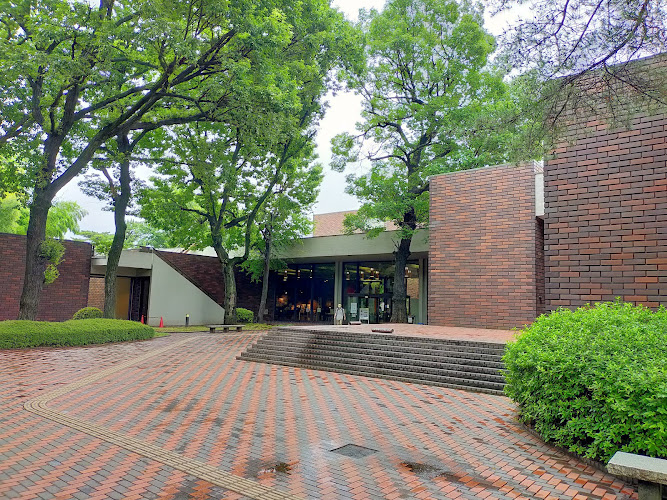
Saitama Prefectural Museum of History and Folklore
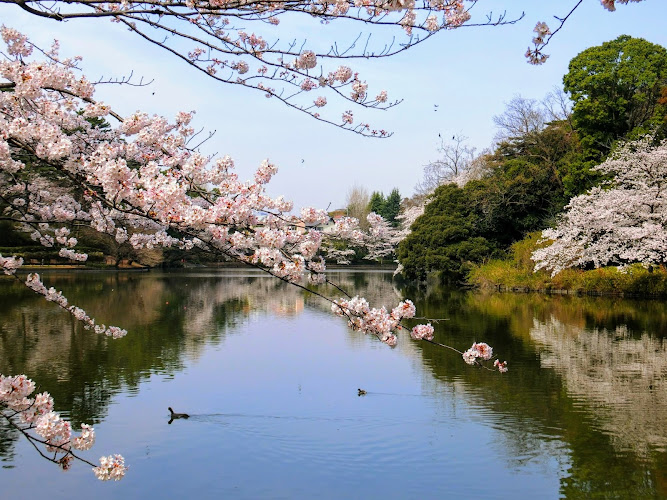
Omiya Park Zoo
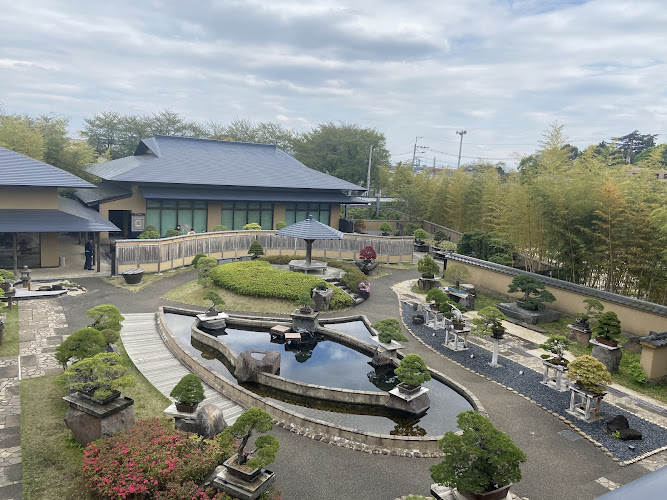
Omiya Bonsai Village
Find Accommodations Nearby
Recommended Tours & Activities
Visitor Reviews
There are no reviews yet. Be the first one to write one.
Share Your Experience
Have you visited Tsukinomiya Park? Help other travelers by leaving a review.