
Omiya Bonsai Village
About Omiya Bonsai Village
Description
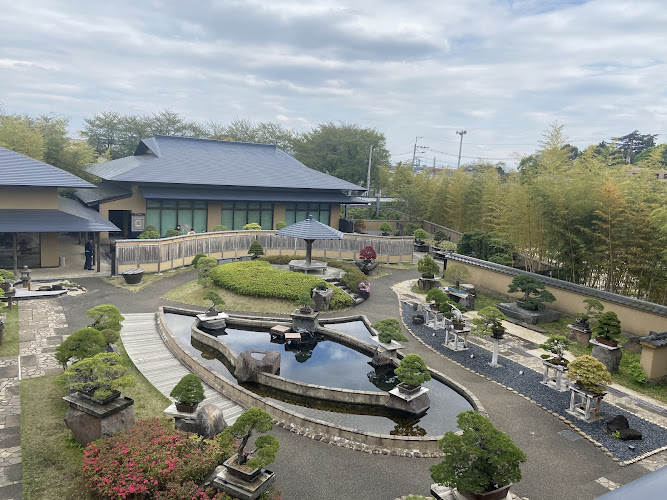
Picture this: a serene pocket of Tokyo's sprawling metropolis where ancient art meets urban life. Y'know, I've been to quite a few gardens in Japan, but there's something really special about Omiya Bonsai Village. What started as a community of bonsai masters relocating after the 1923 Great Kanto Earthquake has evolved into this absolutely fascinating neighborhood dedicated to the art of miniature trees. I gotta tell you, walking through these streets feels like stepping into a living museum. The village houses six incredible professional bonsai gardens, each with its own personality and style. And the crown jewel? The Omiya Bonsai Art Museum - it's actually Japan's first publicly-run museum dedicated to these amazing little trees.Key Features
• The Omiya Bonsai Art Museum showcases rotating exhibitions of prize-winning bonsai specimens, some over 1000 years old • Six traditional bonsai nurseries open to visitors, each specializing in different bonsai styles and techniques • Educational workshops and demonstrations by master bonsai artists • Traditional Japanese garden landscapes surrounding the nurseries • An extensive collection of bonsai-related tools, pottery, and historical artifacts • Peaceful walking paths connecting the various gardens • Regular bonsai festivals and special seasonal exhibitions • A research library containing rare books about bonsai cultivation • Gift shops selling bonsai-related items and young trees for beginners • Rest areas where you can contemplate the artistry while enjoying green teaBest Time to Visit
From my experience, spring is absolutely magical here - around late March to early May. That's when many of the bonsai trees are showing off their fresh leaves and some are even blooming. But honestly? Each season brings its own charm. Fall colors are stunning, and winter reveals the intricate branch structures that are usually hidden by leaves. Pro tip: try to avoid rainy season (June) since some nurseries might limit access to protect their precious trees. Early mornings are best for photography - the light is gorgeous and there are fewer visitors. And if you're serious about bonsai, plan your visit around one of the seasonal festivals, usually held in May and October.How to Get There
Getting to Omiya Bonsai Village is pretty straightforward, especially if you're coming from central Tokyo. Take the JR Utsunomiya Line or the JR Takasaki Line to Omiya Station, then switch to the Tobu Noda Line and get off at Toro Station. From there, it's about a 5-minute walk to the village entrance. You'll start seeing signs for the bonsai gardens as soon as you exit the station. I remember my first visit - I actually got a bit turned around leaving the station, but a friendly local pointed me in the right direction. These days, there are much better English signs than when I first visited, so you shouldn't have any trouble finding your way.Tips for Visiting
Listen, I've learned a thing or two from my visits here, and I'd love to share some insider tips. First off, wear comfortable shoes - you'll be doing quite a bit of walking between nurseries. And bring a camera! But remember, some nurseries have specific rules about photography, so always ask first. Most nurseries are open from 9 AM to 4 PM, but they're typically closed on Thursdays. Also, bring cash - not all places accept cards. Oh, and while the main museum has English descriptions, many nurseries don't have English-speaking staff. But don't let that stop you! The owners are incredibly passionate and usually find ways to communicate through gestures and shared appreciation of their art. If you're really interested in the craft, consider booking a guided tour in advance. They're not cheap, but the insights you'll gain are worth every yen. And hey, if you're planning to buy a bonsai (yes, they do sell them!), make sure you know your country's import regulations beforehand. Take your time here - rushing through would be missing the point entirely. Each tree tells a story, and part of the experience is slowly absorbing the peaceful atmosphere. Pack some snacks and water, as food options in the immediate area are limited. And if you're visiting in summer, bring a fan and some water - it can get pretty warm walking between nurseries. Oh, and one last thing - try to maintain a respectful quiet while visiting. These aren't just tourist attractions; they're also working nurseries where artists are practicing their craft. Think of it as visiting an open-air art studio, because that's exactly what it is!Key Features
- Key Features
- Best Time to Visit
- How to Get There
- Tips for Visiting
More Details
Updated May 13, 2025
Table of Contents
Description
Picture this: a serene pocket of Tokyo’s sprawling metropolis where ancient art meets urban life. Y’know, I’ve been to quite a few gardens in Japan, but there’s something really special about Omiya Bonsai Village. What started as a community of bonsai masters relocating after the 1923 Great Kanto Earthquake has evolved into this absolutely fascinating neighborhood dedicated to the art of miniature trees.
I gotta tell you, walking through these streets feels like stepping into a living museum. The village houses six incredible professional bonsai gardens, each with its own personality and style. And the crown jewel? The Omiya Bonsai Art Museum – it’s actually Japan’s first publicly-run museum dedicated to these amazing little trees.
Key Features
• The Omiya Bonsai Art Museum showcases rotating exhibitions of prize-winning bonsai specimens, some over 1000 years old
• Six traditional bonsai nurseries open to visitors, each specializing in different bonsai styles and techniques
• Educational workshops and demonstrations by master bonsai artists
• Traditional Japanese garden landscapes surrounding the nurseries
• An extensive collection of bonsai-related tools, pottery, and historical artifacts
• Peaceful walking paths connecting the various gardens
• Regular bonsai festivals and special seasonal exhibitions
• A research library containing rare books about bonsai cultivation
• Gift shops selling bonsai-related items and young trees for beginners
• Rest areas where you can contemplate the artistry while enjoying green tea
Best Time to Visit
From my experience, spring is absolutely magical here – around late March to early May. That’s when many of the bonsai trees are showing off their fresh leaves and some are even blooming. But honestly? Each season brings its own charm. Fall colors are stunning, and winter reveals the intricate branch structures that are usually hidden by leaves.
Pro tip: try to avoid rainy season (June) since some nurseries might limit access to protect their precious trees. Early mornings are best for photography – the light is gorgeous and there are fewer visitors. And if you’re serious about bonsai, plan your visit around one of the seasonal festivals, usually held in May and October.
How to Get There
Getting to Omiya Bonsai Village is pretty straightforward, especially if you’re coming from central Tokyo. Take the JR Utsunomiya Line or the JR Takasaki Line to Omiya Station, then switch to the Tobu Noda Line and get off at Toro Station. From there, it’s about a 5-minute walk to the village entrance. You’ll start seeing signs for the bonsai gardens as soon as you exit the station.
I remember my first visit – I actually got a bit turned around leaving the station, but a friendly local pointed me in the right direction. These days, there are much better English signs than when I first visited, so you shouldn’t have any trouble finding your way.
Tips for Visiting
Listen, I’ve learned a thing or two from my visits here, and I’d love to share some insider tips. First off, wear comfortable shoes – you’ll be doing quite a bit of walking between nurseries. And bring a camera! But remember, some nurseries have specific rules about photography, so always ask first.
Most nurseries are open from 9 AM to 4 PM, but they’re typically closed on Thursdays. Also, bring cash – not all places accept cards. Oh, and while the main museum has English descriptions, many nurseries don’t have English-speaking staff. But don’t let that stop you! The owners are incredibly passionate and usually find ways to communicate through gestures and shared appreciation of their art.
If you’re really interested in the craft, consider booking a guided tour in advance. They’re not cheap, but the insights you’ll gain are worth every yen. And hey, if you’re planning to buy a bonsai (yes, they do sell them!), make sure you know your country’s import regulations beforehand.
Take your time here – rushing through would be missing the point entirely. Each tree tells a story, and part of the experience is slowly absorbing the peaceful atmosphere. Pack some snacks and water, as food options in the immediate area are limited. And if you’re visiting in summer, bring a fan and some water – it can get pretty warm walking between nurseries.
Oh, and one last thing – try to maintain a respectful quiet while visiting. These aren’t just tourist attractions; they’re also working nurseries where artists are practicing their craft. Think of it as visiting an open-air art studio, because that’s exactly what it is!
Key Highlights
- Key Features
- Best Time to Visit
- How to Get There
- Tips for Visiting
Location
Places to Stay Near Omiya Bonsai Village
Find and Book a Tour
Explore More Travel Guides
No reviews found! Be the first to review!
Traveler Reviews for Omiya Bonsai Village
There are no reviews yet. Be the first one to write one.
Have you visited Omiya Bonsai Village? Help other travelers by sharing your review.
You Might Also Like
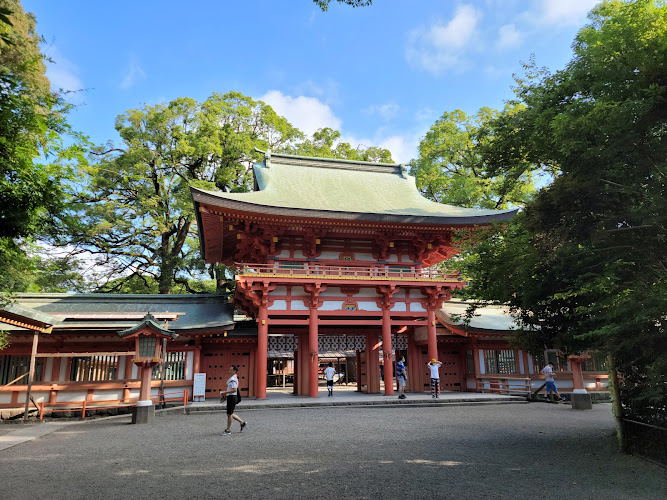
Musashi Ichinomiya Hikawa Jinja
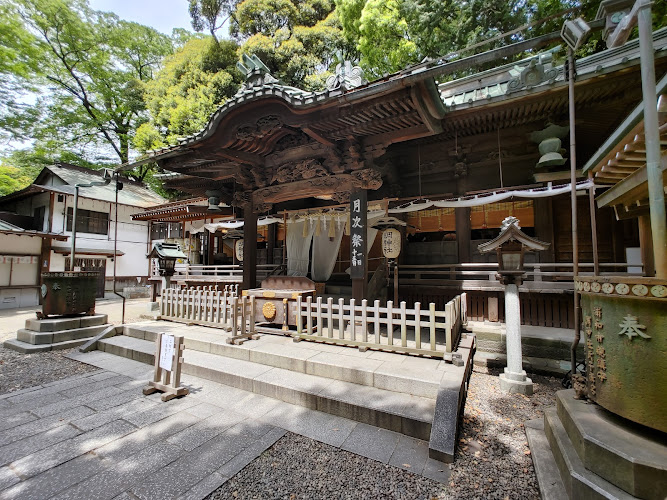
Tsukinomiya Park
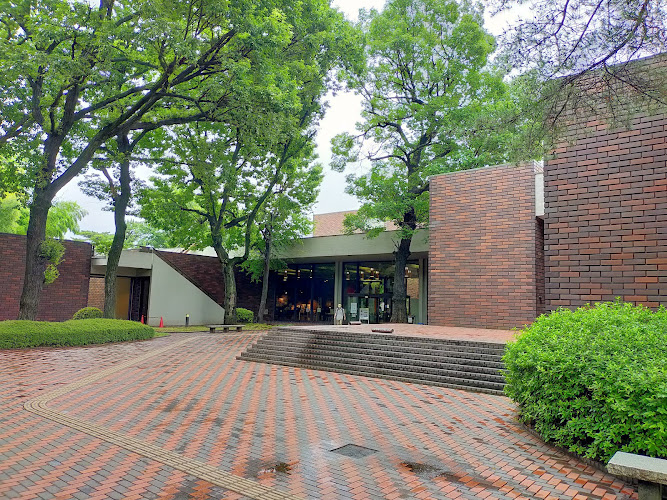
Saitama Prefectural Museum of History and Folklore
Find Accommodations Nearby
Recommended Tours & Activities
Visitor Reviews
There are no reviews yet. Be the first one to write one.
Share Your Experience
Have you visited Omiya Bonsai Village? Help other travelers by leaving a review.