
Saitama Prefectural Museum of History and Folklore
About Saitama Prefectural Museum of History and Folklore
Description
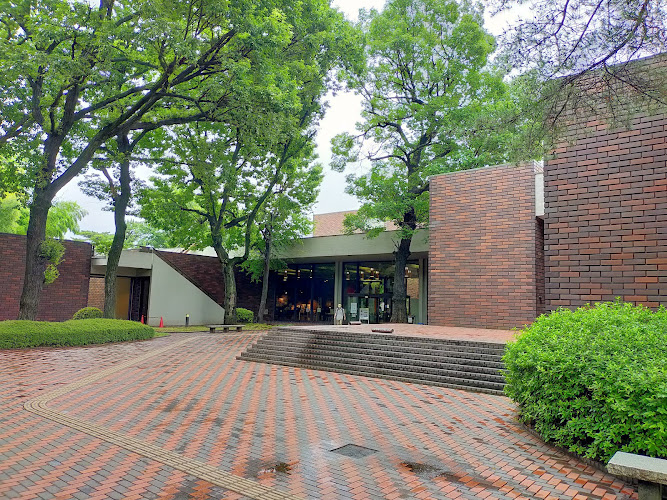
If you’re the kind of traveler who digs history with a side of culture and a sprinkle of local flavor, the Saitama Prefectural Museum of History and Folklore is a spot you’ll want to carve out some time for. This museum isn’t just a dusty collection of old stuff; it’s a lively dive into the life and times of the Saitama people, stretching all the way back to the Jōmon period. The building itself feels open and bright, which is a nice change from those cramped, dimly lit museums that make you feel like you’re sneaking around a tomb.
Walking through the exhibits, you get this real sense of connection to the past—like you’re stepping into the shoes of the folks who lived here thousands of years ago. The displays are thoughtfully curated, with artifacts that tell stories about daily life, traditions, and the evolution of the region. It’s not just about ancient pottery or old tools; it’s about understanding how people adapted, survived, and thrived in this part of Japan. For anyone who’s ever wondered what life was like before smartphones and bullet trains, this museum offers a fascinating peek.
One thing that really stands out is how the museum balances being educational with being accessible. It’s clear they’ve put effort into making the experience welcoming for all visitors, including families with kids and those who might need wheelchair access. Plus, the on-site restaurant is a lifesaver after a few hours of wandering around—because let’s be honest, history can work up an appetite.
Now, I’ve gotta say, it’s not perfect. Some visitors might find parts of the exhibits a bit dense or wish for more interactive elements, especially if you’re traveling with younger kids who need a bit more hands-on fun. But overall, the museum has this calm vibe that encourages you to slow down and really absorb the stories. It’s a place where you can get lost in time without feeling rushed or overwhelmed.
For travelers looking to get a genuine feel for Saitama’s heritage beyond the usual tourist spots, this museum offers a refreshing, grounded experience. And if you’re like me, sometimes those quieter, less flashy places end up being the ones you remember most.
Key Features
- Extensive exhibits on the Jōmon period, showcasing ancient pottery and tools unique to Saitama
- Interactive displays that bring local folklore and history to life
- Wheelchair accessible entrances, restrooms, and parking, ensuring a comfortable visit for all
- On-site restaurant offering a chance to refuel without leaving the premises
- Family-friendly environment with exhibits suitable for children
- Spacious, airy complex that feels modern yet respectful of the past
- On-site parking for hassle-free access
- Regularly updated exhibits and occasional special events that highlight different facets of Saitama’s culture
Best Time to Visit
Honestly, the museum is a great year-round destination because it’s indoors and climate-controlled, which means you don’t have to stress about the weather messing up your plans. But if you want to catch some seasonal charm around the area, spring and autumn are your best bets. The surrounding region bursts into color with cherry blossoms in spring and fiery leaves in fall, making for a lovely combo of indoor history and outdoor beauty.
Weekdays tend to be quieter, so if you’re the type who prefers to explore exhibits without the buzz of crowds, aim for a Tuesday or Wednesday. Weekends can get a bit busier, especially with families and school groups, but that also means there’s a livelier atmosphere if you’re into that sort of thing.
One little insider tip: the museum occasionally hosts special exhibitions or workshops, so it’s worth checking their schedule if you’re planning ahead. These events can add an extra layer of depth to your visit and sometimes offer hands-on experiences that make the history pop even more.
How to Get There
Getting to the Saitama Prefectural Museum of History and Folklore is pretty straightforward, whether you’re rolling in by car or hopping on public transport. If you’re driving, the on-site parking is a massive plus—no circling the block endlessly or hunting for a spot far away. The parking lot is wheelchair accessible too, which is a thoughtful touch.
If you’re relying on public transit, the museum is reachable via local bus routes from nearby train stations. Honestly, the bus ride is a nice way to soak in some local scenery and get a feel for the area outside the usual tourist hustle. Just make sure to check the latest schedules, especially if you’re visiting on a weekend or holiday when services might be less frequent.
For those who love a bit of a walk, some visitors combine the museum trip with a stroll through nearby parks or historical sites, making for a full day of exploration. It’s a neat way to stretch your legs and keep the adventure rolling.
Tips for Visiting
Alright, here’s the deal: if you want to make the most of your visit, don’t just breeze through. Take your time with the exhibits—there’s a lot of subtle stuff that might not hit you on a quick glance. Some of the Jōmon period artifacts, for example, look simple but have fascinating stories behind them about ancient craftsmanship and daily life.
Bring a notebook or use your phone to jot down interesting tidbits or questions that pop into your head. Museums like this are goldmines for curious minds, and sometimes writing things down helps you remember the cool facts later on.
If you’re traveling with kids, the museum’s family-friendly vibe is a big plus. Still, it’s a good idea to plan some breaks, especially at the restaurant or rest areas. Kids can get restless, and a little downtime goes a long way in keeping everyone happy.
And don’t forget comfortable shoes. The museum’s spacious layout means you’ll be walking more than you might expect. Trust me, the last thing you want is sore feet cutting your visit short.
Lastly, keep an eye out for any temporary exhibits or events during your visit. These often highlight unique aspects of Saitama’s history or culture that you won’t find in the permanent collection. Sometimes those special exhibits are the real gems that make your trip unforgettable.
So, there you have it—a spot that’s a bit of a hidden gem for history buffs, families, and anyone curious about the roots of this fascinating region. The Saitama Prefectural Museum of History and Folklore isn’t flashy, but it’s got heart, depth, and a way of making history feel like a story you’re invited to be part of. Give it a go—you might just surprise yourself.
Key Features
- Extensive exhibits on the Jōmon period, showcasing ancient pottery and tools unique to Saitama
- Interactive displays that bring local folklore and history to life
- Wheelchair accessible entrances, restrooms, and parking, ensuring a comfortable visit for all
- On-site restaurant offering a chance to refuel without leaving the premises
- Family-friendly environment with exhibits suitable for children
- Spacious, airy complex that feels modern yet respectful of the past
- On-site parking for hassle-free access
- Regularly updated exhibits and occasional special events that highlight different facets of Saitama’s culture
More Details
Updated July 14, 2025
Table of Contents
- Description
- Key Features
- Best Time to Visit
- How to Get There
- Tips for Visiting
- Key Highlights
- Location
- Places to Stay Near Saitama Prefectural Museum of History and Folklore
- Find and Book a Tour
- Explore More Travel Guides
- Nearby Places You Might Like
- Traveler Reviews for Saitama Prefectural Museum of History and Folklore
- Share Your Experience
Description
If you’re the kind of traveler who digs history with a side of culture and a sprinkle of local flavor, the Saitama Prefectural Museum of History and Folklore is a spot you’ll want to carve out some time for. This museum isn’t just a dusty collection of old stuff; it’s a lively dive into the life and times of the Saitama people, stretching all the way back to the Jōmon period. The building itself feels open and bright, which is a nice change from those cramped, dimly lit museums that make you feel like you’re sneaking around a tomb.
Walking through the exhibits, you get this real sense of connection to the past—like you’re stepping into the shoes of the folks who lived here thousands of years ago. The displays are thoughtfully curated, with artifacts that tell stories about daily life, traditions, and the evolution of the region. It’s not just about ancient pottery or old tools; it’s about understanding how people adapted, survived, and thrived in this part of Japan. For anyone who’s ever wondered what life was like before smartphones and bullet trains, this museum offers a fascinating peek.
One thing that really stands out is how the museum balances being educational with being accessible. It’s clear they’ve put effort into making the experience welcoming for all visitors, including families with kids and those who might need wheelchair access. Plus, the on-site restaurant is a lifesaver after a few hours of wandering around—because let’s be honest, history can work up an appetite.
Now, I’ve gotta say, it’s not perfect. Some visitors might find parts of the exhibits a bit dense or wish for more interactive elements, especially if you’re traveling with younger kids who need a bit more hands-on fun. But overall, the museum has this calm vibe that encourages you to slow down and really absorb the stories. It’s a place where you can get lost in time without feeling rushed or overwhelmed.
For travelers looking to get a genuine feel for Saitama’s heritage beyond the usual tourist spots, this museum offers a refreshing, grounded experience. And if you’re like me, sometimes those quieter, less flashy places end up being the ones you remember most.
Key Features
- Extensive exhibits on the Jōmon period, showcasing ancient pottery and tools unique to Saitama
- Interactive displays that bring local folklore and history to life
- Wheelchair accessible entrances, restrooms, and parking, ensuring a comfortable visit for all
- On-site restaurant offering a chance to refuel without leaving the premises
- Family-friendly environment with exhibits suitable for children
- Spacious, airy complex that feels modern yet respectful of the past
- On-site parking for hassle-free access
- Regularly updated exhibits and occasional special events that highlight different facets of Saitama’s culture
Best Time to Visit
Honestly, the museum is a great year-round destination because it’s indoors and climate-controlled, which means you don’t have to stress about the weather messing up your plans. But if you want to catch some seasonal charm around the area, spring and autumn are your best bets. The surrounding region bursts into color with cherry blossoms in spring and fiery leaves in fall, making for a lovely combo of indoor history and outdoor beauty.
Weekdays tend to be quieter, so if you’re the type who prefers to explore exhibits without the buzz of crowds, aim for a Tuesday or Wednesday. Weekends can get a bit busier, especially with families and school groups, but that also means there’s a livelier atmosphere if you’re into that sort of thing.
One little insider tip: the museum occasionally hosts special exhibitions or workshops, so it’s worth checking their schedule if you’re planning ahead. These events can add an extra layer of depth to your visit and sometimes offer hands-on experiences that make the history pop even more.
How to Get There
Getting to the Saitama Prefectural Museum of History and Folklore is pretty straightforward, whether you’re rolling in by car or hopping on public transport. If you’re driving, the on-site parking is a massive plus—no circling the block endlessly or hunting for a spot far away. The parking lot is wheelchair accessible too, which is a thoughtful touch.
If you’re relying on public transit, the museum is reachable via local bus routes from nearby train stations. Honestly, the bus ride is a nice way to soak in some local scenery and get a feel for the area outside the usual tourist hustle. Just make sure to check the latest schedules, especially if you’re visiting on a weekend or holiday when services might be less frequent.
For those who love a bit of a walk, some visitors combine the museum trip with a stroll through nearby parks or historical sites, making for a full day of exploration. It’s a neat way to stretch your legs and keep the adventure rolling.
Tips for Visiting
Alright, here’s the deal: if you want to make the most of your visit, don’t just breeze through. Take your time with the exhibits—there’s a lot of subtle stuff that might not hit you on a quick glance. Some of the Jōmon period artifacts, for example, look simple but have fascinating stories behind them about ancient craftsmanship and daily life.
Bring a notebook or use your phone to jot down interesting tidbits or questions that pop into your head. Museums like this are goldmines for curious minds, and sometimes writing things down helps you remember the cool facts later on.
If you’re traveling with kids, the museum’s family-friendly vibe is a big plus. Still, it’s a good idea to plan some breaks, especially at the restaurant or rest areas. Kids can get restless, and a little downtime goes a long way in keeping everyone happy.
And don’t forget comfortable shoes. The museum’s spacious layout means you’ll be walking more than you might expect. Trust me, the last thing you want is sore feet cutting your visit short.
Lastly, keep an eye out for any temporary exhibits or events during your visit. These often highlight unique aspects of Saitama’s history or culture that you won’t find in the permanent collection. Sometimes those special exhibits are the real gems that make your trip unforgettable.
So, there you have it—a spot that’s a bit of a hidden gem for history buffs, families, and anyone curious about the roots of this fascinating region. The Saitama Prefectural Museum of History and Folklore isn’t flashy, but it’s got heart, depth, and a way of making history feel like a story you’re invited to be part of. Give it a go—you might just surprise yourself.
Key Highlights
- Extensive exhibits on the Jōmon period, showcasing ancient pottery and tools unique to Saitama
- Interactive displays that bring local folklore and history to life
- Wheelchair accessible entrances, restrooms, and parking, ensuring a comfortable visit for all
- On-site restaurant offering a chance to refuel without leaving the premises
- Family-friendly environment with exhibits suitable for children
- Spacious, airy complex that feels modern yet respectful of the past
- On-site parking for hassle-free access
- Regularly updated exhibits and occasional special events that highlight different facets of Saitama’s culture
Location
Places to Stay Near Saitama Prefectural Museum of History and Folklore
Find and Book a Tour
Explore More Travel Guides
No reviews found! Be the first to review!
Traveler Reviews for Saitama Prefectural Museum of History and Folklore
There are no reviews yet. Be the first one to write one.
Have you visited Saitama Prefectural Museum of History and Folklore? Help other travelers by sharing your review.
You Might Also Like
Yono Park
Omiya Bonsai Art Museum
Omiya Park Zoo
Find Accommodations Nearby
Recommended Tours & Activities
Visitor Reviews
There are no reviews yet. Be the first one to write one.
Share Your Experience
Have you visited Saitama Prefectural Museum of History and Folklore? Help other travelers by leaving a review.