
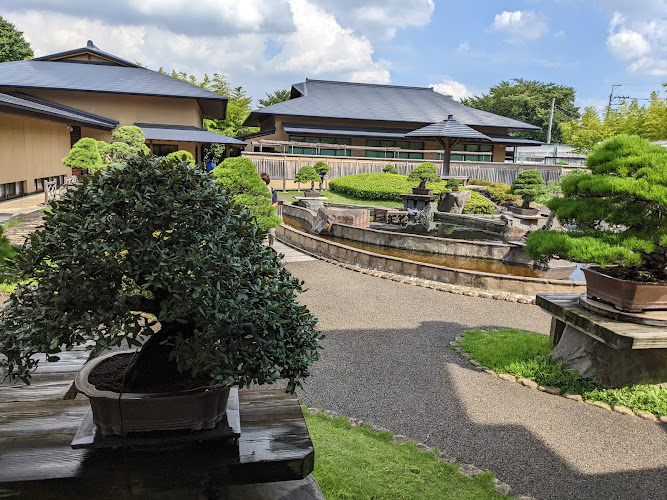
Omiya Bonsai Art Museum
About Omiya Bonsai Art Museum
Key Features
More Details
Updated May 13, 2025
Description
The Omiya Bonsai Art Museum stands as the [world’s first publicly operated museum](https://omiyabonsai.jp/museum) dedicated entirely to the mesmerizing art of bonsai. And boy, what a place it is! I’ve always been fascinated by how these tiny trees tell such big stories. The museum houses [over 120 masterpiece bonsai specimens](https://omiyabonsai.jp/museum), each one meticulously cultivated and maintained to showcase the pinnacle of this ancient Japanese art form.
Key Features
• A stunning Main Gallery showcasing rotating seasonal bonsai displays
• Historical artifacts and tools that tell the story of bonsai cultivation
• [Traditional Japanese-style viewing rooms (Zashiki)](https://www.ana.co.jp/en/us/japan-travel-planner/saitama/0000012.html)
• Specialized exhibition areas for different bonsai styles and species
• Educational displays explaining bonsai techniques and maintenance
• [Audio guides and expert docents](https://www.bonsai-art-museum.jp/en/facilities/service/audio/) available for deeper understanding
• A carefully curated gift shop with bonsai-related items
• Peaceful garden areas for contemplation and photography
Best Time to Visit
Look, I’ll let you in on a little secret – timing really matters here. Spring and fall are absolutely magical, when the trees show off their seasonal changes. But honestly? Each season brings its own charm. In summer, the deep greens and careful pruning techniques are on full display, while winter reveals the true artistic structure of these living sculptures. The museum tends to be less crowded on weekday mornings, giving you more space to really soak in the details of each masterpiece.
How to Get There
Getting to the Omiya Bonsai Art Museum is pretty straightforward. [From Tokyo Station, it’s only about a 35-minute journey](https://foodsaketokyo.com/2024/05/25/omiya-bonsai-art-museum/). Take the JR Utsunomiya line to Toro Station, and from there it’s just a short walk. I actually got a bit turned around my first time visiting, but the locals were super helpful in pointing me in the right direction – just look for the signs, they’re pretty clear nowadays.
Tips for Visiting
Here’s what I’ve learned from my visits: Take your time! These aren’t just any old plants – each bonsai has been shaped and nurtured for decades, sometimes centuries. Bring a camera, but check the museum’s photo policy first. The lighting can be tricky for photos, so morning visits often work best. If you’re really into bonsai, consider booking one of their guided tours – the insights you’ll gain are totally worth it. Oh, and wear comfortable shoes because you’ll be standing and walking quite a bit.
Consider visiting during one of their special exhibitions – they really go all out with those. And while you’re in the area, you might want to explore the surrounding [Omiya Bonsai Village](https://www.japan-guide.com/e/e6528.html), which has several traditional bonsai nurseries. Trust me, it’ll give you a whole new appreciation for this incredible art form.
For the best experience, try to allocate at least 2-3 hours for your visit. The museum might not be huge, but rushing through would be missing the point entirely. It’s about slowing down and appreciating the incredible patience and artistry that goes into creating these living masterpieces. And don’t forget to check their website before visiting – they sometimes have special events or seasonal displays that you won’t want to miss.
Table of Contents
Key Highlights
Omiya Bonsai Art Museum
Location
Places to Stay Near Omiya Bonsai Art Museum
Find and Book a Tour
Explore More Travel Guides
No reviews found! Be the first to review!
Traveler Reviews for Omiya Bonsai Art Museum
There are no reviews yet. Be the first one to write one.
Have you visited Omiya Bonsai Art Museum? Help other travelers by sharing your review.
You Might Also Like
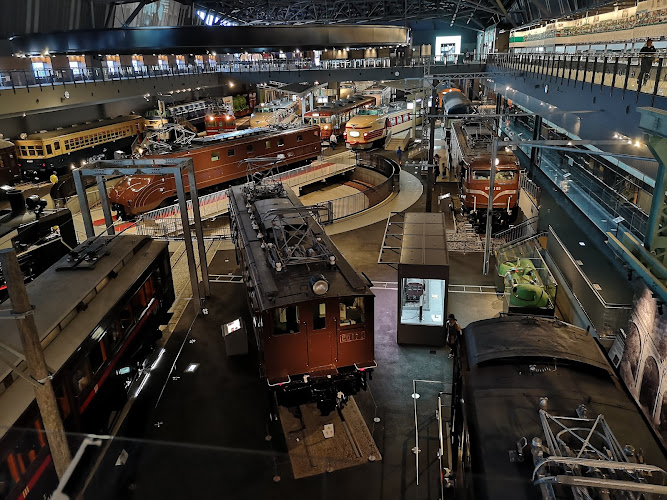
The Railway Museum
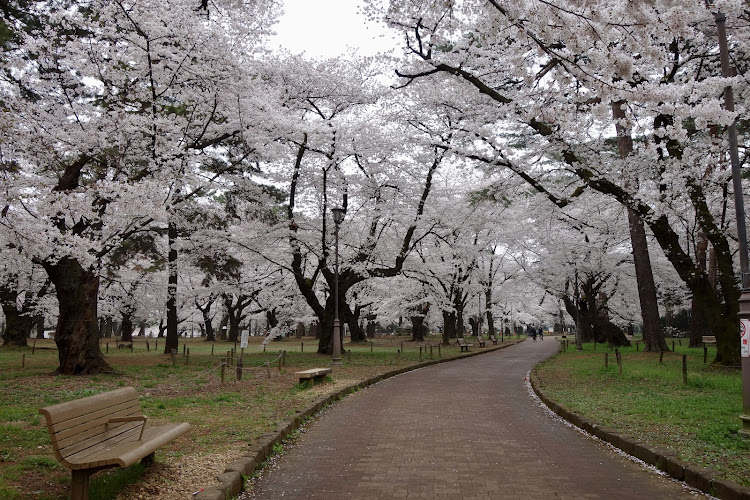
Omiya Park
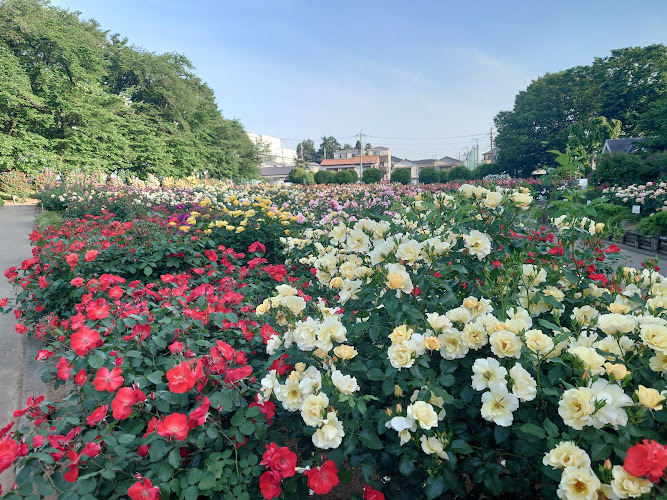
Yono Park
Find Accommodations Nearby
Recommended Tours & Activities
Visitor Reviews
There are no reviews yet. Be the first one to write one.
Share Your Experience
Have you visited Omiya Bonsai Art Museum? Help other travelers by leaving a review.