
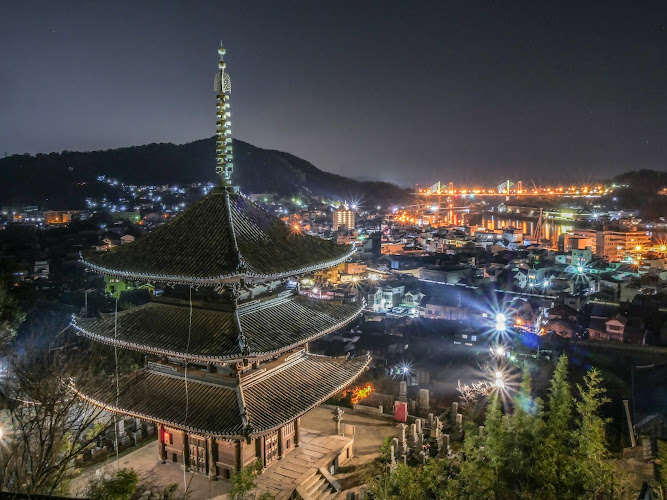
Tennei Temple
About Tennei Temple
Description
Tennei Temple stands as one of those Buddhist sanctuaries that doesn't scream for attention but quietly earns the respect of those who make the journey to visit. And honestly, that's part of its charm. This isn't your overcrowded, selfie-stick-laden tourist trap where you're constantly dodging tour groups. Instead, visitors find themselves in a space that manages to preserve an authentic spiritual atmosphere while still welcoming curious travelers. The temple's most striking feature has to be its collection of arhat statues. If you're not familiar with arhats, they're basically enlightened disciples in Buddhist tradition who've achieved nirvana. Walking among these statues feels almost like attending a silent gathering of wise souls, each one with distinct facial expressions and postures that make you wonder about the artisans who created them centuries ago. I've talked to travelers who've visited dozens of temples across Japan, and many mention Tennei Temple as one that genuinely surprised them. It's not flashy, it's not in every guidebook, but there's something deeply peaceful about the grounds that makes people linger longer than they planned. The temple architecture follows traditional Japanese Buddhist design principles, though it's seen its share of renovations over the years to keep the structures sound and safe for visitors. But let's be real here – this isn't a perfectly polished attraction. The facilities are pretty basic, and you'll notice right away that accessibility wasn't a consideration when this place was built. That's just the reality of historical sites. Some visitors find this adds to the authenticity, while others might struggle with the traditional layout and uneven pathways.Key Features
- An impressive collection of arhat statues, each uniquely crafted with individual characteristics and expressions that showcase exceptional artisanship from earlier periods
- Traditional Buddhist temple architecture that's been maintained through careful preservation efforts, offering genuine historical atmosphere
- Relatively peaceful grounds compared to more famous temples, providing actual opportunities for quiet contemplation and photography without crowds
- Restroom facilities available on-site for visitor convenience during extended stays
- Opportunities to observe local Buddhist practices and occasionally witness prayer ceremonies if your timing works out
- Garden areas surrounding the temple structures where seasonal changes bring different aesthetic experiences throughout the year
- Historical significance within the local community, making it more than just a tourist stop but an active place of worship
Best Time to Visit
Timing your visit to Tennei Temple can really make or break your experience, so let's talk strategy here. The temple welcomes visitors year-round, but each season paints the grounds in completely different colors and moods. Spring brings cherry blossom season, which is obviously gorgeous but also means more visitors than usual. If you're chasing those perfect sakura photos with the temple in the background, aim for early April, though exact timing shifts year to year depending on weather patterns. Just know you won't be alone. Early morning visits during cherry blossom season work best – we're talking sunrise or shortly after when serious photographers claim their spots but before the casual visitors arrive. Summer can be brutally hot and humid, I won't sugarcoat that. But there's something special about visiting a Buddhist temple when cicadas are singing their deafening chorus and the green foliage creates natural shade. Afternoon thunderstorms are common during summer months, so pack accordingly or plan shorter visits. The upside? Fewer international tourists means you might have entire sections of the temple grounds to yourself. Autumn is probably the sweet spot for most travelers. The fall foliage transforms the temple surroundings into those classic Japanese postcard scenes, usually peaking somewhere between late October and mid-November. Weather is comfortable, skies tend to be clearer, and the lighting for photography is absolutely perfect during golden hour. Winter visits offer the most solitude. The temple takes on an almost meditative silence when there's frost on the ground or even light snow dusting the roofs. Sure, it's cold, but dress in layers and you'll appreciate having the arhats nearly all to yourself. Plus, winter light has this crisp quality that makes photographs look sharp and clear. Weekday mornings beat weekends every single time, regardless of season. Most tourists sleep in or start their days later, so arriving when the temple opens gives you that magical window of relative privacy.How to Get There
Getting to Tennei Temple requires a bit more effort than just hopping off at a major train station, which honestly filters out some of the casual crowds. The journey becomes part of the experience if you approach it with the right mindset. Public transportation will get you reasonably close, though you'll likely need to combine train travel with either a bus ride or a healthy walk. Check local train schedules from your starting point, as connections aren't as frequent as they would be for major tourist destinations. Missing a connection might mean waiting 30-45 minutes for the next option, so build some buffer time into your plans. If you're staying in the nearest major city, budget about 45 minutes to an hour for the full journey, accounting for transfers and the final approach to the temple. Local buses sometimes run limited schedules, especially on weekends and holidays, so verify current timetables before heading out. Nothing's worse than finishing a peaceful temple visit only to discover you've just missed the last convenient bus back. Taxis are an option if you're traveling with a group and can split costs. The expense makes more sense when divided among three or four people, plus you'll have flexibility with timing and won't need to decode bus routes. Some taxi drivers might not be immediately familiar with Tennei Temple specifically, so having the temple name written in Japanese characters helps tremendously. For the adventurous, renting bicycles opens up the surrounding area for exploration. The ride to the temple takes you through neighborhoods and landscapes you'd never see from a train window. Just make sure you're comfortable with Japanese traffic patterns and have a reliable map or GPS, because getting lost on a bike adds adventure but also exhaustion. Driving yourself works if you've got an international driving permit and are comfortable navigating Japanese roads. However, parking near the temple is extremely limited. And by limited, I mean there's basically no dedicated lot with proper accessibility features. You might find street parking nearby, but don't count on it during peak seasons.Tips for Visiting
Let me share some practical wisdom that'll help you make the most of your Tennei Temple experience without the usual rookie mistakes. First off, this place is not wheelchair accessible. The entrance has steps, pathways are uneven, and there's no accessible parking to speak of. If you or anyone in your group has mobility challenges, you need to know this upfront. It's frustrating that many historical sites weren't built with accessibility in mind, but that's the honest situation here. Dress respectfully and practically. This is an active place of worship, not just a tourist site. Cover your shoulders and avoid shorts if possible. But also wear comfortable walking shoes with good grip because temple grounds often have polished wood surfaces or stone pathways that get slippery, especially after rain. I learned this the hard way at a different temple, nearly wiping out in front of a group of monks. Not my finest moment. Bring cash. Seriously, just bring cash. If there's a donation box or any small purchases available, cards won't help you. Japan still runs heavily on cash, particularly at religious sites and smaller local establishments. Photography is generally allowed in outdoor areas, but be mindful about where you're pointing your camera. Some indoor spaces or specific statues might have restrictions. When in doubt, look for signs or ask politely. And please, if people are actively praying, don't treat them like part of the scenery for your Instagram story. Common courtesy goes a long way. The restroom facilities exist, which is great, but don't expect luxury. They're functional and clean enough, but this isn't a modern visitor center. Carry tissues or small toilet paper packets since supplies can run low, and hand sanitizer never hurts. Plan to spend at least an hour here if you want to actually appreciate the arhat collection and grounds properly. Rushing through defeats the entire purpose. This isn't a checkbox attraction where you snap a quick photo and move on. The temple rewards those who slow down and actually observe the details. Water and snacks are smart to pack, especially during warmer months. There aren't convenience stores steps away from the entrance. Hydration matters when you're walking around temple grounds in humidity. If you want a truly special experience, try coordinating your visit with early morning prayer services. The chanting creates an atmospheric backdrop that transforms the entire space. Just be respectful – you're observing, not participating in a performance put on for tourists. Learn a few basic Japanese phrases before visiting. "Sumimasen" (excuse me) and "arigato gozaimasu" (thank you very much) will serve you well. Temple staff and local visitors genuinely appreciate when foreign travelers make even small efforts to communicate respectfully. Check weather forecasts and have a rain plan. Summer afternoons can bring sudden downpours, and while the temple buildings offer some shelter, wandering the grounds in torrential rain isn't particularly enjoyable. That said, light rain creates beautiful atmospheric conditions for photography if you're prepared with appropriate gear. Don't expect extensive English signage or explanations. Part of visiting less touristy sites means encountering places as they exist for local communities rather than as attractions packaged for international visitors. Doing some research beforehand helps you appreciate what you're seeing rather than just wandering around confused. Finally, take time to just sit quietly if you can. Find a spot, settle in, and simply observe. Watch how light moves across the arhat faces, listen to sounds around you, notice small details in the architecture. These moments of stillness often become the memories that stick with travelers long after vacation photos fade into phone archives.Key Features
- Three-storied pagoda (Kaiunto) — important visual landmark on Mt. Senkoji
- Sōtō Zen temple with origins dating to the medieval period
- Atmospheric hillside approach with stone steps and lanterns
- Views over the Onomichi Channel from the pagoda area
- Part of Onomichi’s Old Temples Route and close to Senkoji Park
More Details
Updated January 18, 2026
Table of Contents
Description
Tennei Temple stands as one of those Buddhist sanctuaries that doesn’t scream for attention but quietly earns the respect of those who make the journey to visit. And honestly, that’s part of its charm. This isn’t your overcrowded, selfie-stick-laden tourist trap where you’re constantly dodging tour groups. Instead, visitors find themselves in a space that manages to preserve an authentic spiritual atmosphere while still welcoming curious travelers.
The temple’s most striking feature has to be its collection of arhat statues. If you’re not familiar with arhats, they’re basically enlightened disciples in Buddhist tradition who’ve achieved nirvana. Walking among these statues feels almost like attending a silent gathering of wise souls, each one with distinct facial expressions and postures that make you wonder about the artisans who created them centuries ago.
I’ve talked to travelers who’ve visited dozens of temples across Japan, and many mention Tennei Temple as one that genuinely surprised them. It’s not flashy, it’s not in every guidebook, but there’s something deeply peaceful about the grounds that makes people linger longer than they planned. The temple architecture follows traditional Japanese Buddhist design principles, though it’s seen its share of renovations over the years to keep the structures sound and safe for visitors.
But let’s be real here – this isn’t a perfectly polished attraction. The facilities are pretty basic, and you’ll notice right away that accessibility wasn’t a consideration when this place was built. That’s just the reality of historical sites. Some visitors find this adds to the authenticity, while others might struggle with the traditional layout and uneven pathways.
Key Features
- An impressive collection of arhat statues, each uniquely crafted with individual characteristics and expressions that showcase exceptional artisanship from earlier periods
- Traditional Buddhist temple architecture that’s been maintained through careful preservation efforts, offering genuine historical atmosphere
- Relatively peaceful grounds compared to more famous temples, providing actual opportunities for quiet contemplation and photography without crowds
- Restroom facilities available on-site for visitor convenience during extended stays
- Opportunities to observe local Buddhist practices and occasionally witness prayer ceremonies if your timing works out
- Garden areas surrounding the temple structures where seasonal changes bring different aesthetic experiences throughout the year
- Historical significance within the local community, making it more than just a tourist stop but an active place of worship
Best Time to Visit
Timing your visit to Tennei Temple can really make or break your experience, so let’s talk strategy here. The temple welcomes visitors year-round, but each season paints the grounds in completely different colors and moods.
Spring brings cherry blossom season, which is obviously gorgeous but also means more visitors than usual. If you’re chasing those perfect sakura photos with the temple in the background, aim for early April, though exact timing shifts year to year depending on weather patterns. Just know you won’t be alone. Early morning visits during cherry blossom season work best – we’re talking sunrise or shortly after when serious photographers claim their spots but before the casual visitors arrive.
Summer can be brutally hot and humid, I won’t sugarcoat that. But there’s something special about visiting a Buddhist temple when cicadas are singing their deafening chorus and the green foliage creates natural shade. Afternoon thunderstorms are common during summer months, so pack accordingly or plan shorter visits. The upside? Fewer international tourists means you might have entire sections of the temple grounds to yourself.
Autumn is probably the sweet spot for most travelers. The fall foliage transforms the temple surroundings into those classic Japanese postcard scenes, usually peaking somewhere between late October and mid-November. Weather is comfortable, skies tend to be clearer, and the lighting for photography is absolutely perfect during golden hour.
Winter visits offer the most solitude. The temple takes on an almost meditative silence when there’s frost on the ground or even light snow dusting the roofs. Sure, it’s cold, but dress in layers and you’ll appreciate having the arhats nearly all to yourself. Plus, winter light has this crisp quality that makes photographs look sharp and clear.
Weekday mornings beat weekends every single time, regardless of season. Most tourists sleep in or start their days later, so arriving when the temple opens gives you that magical window of relative privacy.
How to Get There
Getting to Tennei Temple requires a bit more effort than just hopping off at a major train station, which honestly filters out some of the casual crowds. The journey becomes part of the experience if you approach it with the right mindset.
Public transportation will get you reasonably close, though you’ll likely need to combine train travel with either a bus ride or a healthy walk. Check local train schedules from your starting point, as connections aren’t as frequent as they would be for major tourist destinations. Missing a connection might mean waiting 30-45 minutes for the next option, so build some buffer time into your plans.
If you’re staying in the nearest major city, budget about 45 minutes to an hour for the full journey, accounting for transfers and the final approach to the temple. Local buses sometimes run limited schedules, especially on weekends and holidays, so verify current timetables before heading out. Nothing’s worse than finishing a peaceful temple visit only to discover you’ve just missed the last convenient bus back.
Taxis are an option if you’re traveling with a group and can split costs. The expense makes more sense when divided among three or four people, plus you’ll have flexibility with timing and won’t need to decode bus routes. Some taxi drivers might not be immediately familiar with Tennei Temple specifically, so having the temple name written in Japanese characters helps tremendously.
For the adventurous, renting bicycles opens up the surrounding area for exploration. The ride to the temple takes you through neighborhoods and landscapes you’d never see from a train window. Just make sure you’re comfortable with Japanese traffic patterns and have a reliable map or GPS, because getting lost on a bike adds adventure but also exhaustion.
Driving yourself works if you’ve got an international driving permit and are comfortable navigating Japanese roads. However, parking near the temple is extremely limited. And by limited, I mean there’s basically no dedicated lot with proper accessibility features. You might find street parking nearby, but don’t count on it during peak seasons.
Tips for Visiting
Let me share some practical wisdom that’ll help you make the most of your Tennei Temple experience without the usual rookie mistakes.
First off, this place is not wheelchair accessible. The entrance has steps, pathways are uneven, and there’s no accessible parking to speak of. If you or anyone in your group has mobility challenges, you need to know this upfront. It’s frustrating that many historical sites weren’t built with accessibility in mind, but that’s the honest situation here.
Dress respectfully and practically. This is an active place of worship, not just a tourist site. Cover your shoulders and avoid shorts if possible. But also wear comfortable walking shoes with good grip because temple grounds often have polished wood surfaces or stone pathways that get slippery, especially after rain. I learned this the hard way at a different temple, nearly wiping out in front of a group of monks. Not my finest moment.
Bring cash. Seriously, just bring cash. If there’s a donation box or any small purchases available, cards won’t help you. Japan still runs heavily on cash, particularly at religious sites and smaller local establishments.
Photography is generally allowed in outdoor areas, but be mindful about where you’re pointing your camera. Some indoor spaces or specific statues might have restrictions. When in doubt, look for signs or ask politely. And please, if people are actively praying, don’t treat them like part of the scenery for your Instagram story. Common courtesy goes a long way.
The restroom facilities exist, which is great, but don’t expect luxury. They’re functional and clean enough, but this isn’t a modern visitor center. Carry tissues or small toilet paper packets since supplies can run low, and hand sanitizer never hurts.
Plan to spend at least an hour here if you want to actually appreciate the arhat collection and grounds properly. Rushing through defeats the entire purpose. This isn’t a checkbox attraction where you snap a quick photo and move on. The temple rewards those who slow down and actually observe the details.
Water and snacks are smart to pack, especially during warmer months. There aren’t convenience stores steps away from the entrance. Hydration matters when you’re walking around temple grounds in humidity.
If you want a truly special experience, try coordinating your visit with early morning prayer services. The chanting creates an atmospheric backdrop that transforms the entire space. Just be respectful – you’re observing, not participating in a performance put on for tourists.
Learn a few basic Japanese phrases before visiting. “Sumimasen” (excuse me) and “arigato gozaimasu” (thank you very much) will serve you well. Temple staff and local visitors genuinely appreciate when foreign travelers make even small efforts to communicate respectfully.
Check weather forecasts and have a rain plan. Summer afternoons can bring sudden downpours, and while the temple buildings offer some shelter, wandering the grounds in torrential rain isn’t particularly enjoyable. That said, light rain creates beautiful atmospheric conditions for photography if you’re prepared with appropriate gear.
Don’t expect extensive English signage or explanations. Part of visiting less touristy sites means encountering places as they exist for local communities rather than as attractions packaged for international visitors. Doing some research beforehand helps you appreciate what you’re seeing rather than just wandering around confused.
Finally, take time to just sit quietly if you can. Find a spot, settle in, and simply observe. Watch how light moves across the arhat faces, listen to sounds around you, notice small details in the architecture. These moments of stillness often become the memories that stick with travelers long after vacation photos fade into phone archives.
Key Highlights
- Three-storied pagoda (Kaiunto) — important visual landmark on Mt. Senkoji
- Sōtō Zen temple with origins dating to the medieval period
- Atmospheric hillside approach with stone steps and lanterns
- Views over the Onomichi Channel from the pagoda area
- Part of Onomichi’s Old Temples Route and close to Senkoji Park
Location
Places to Stay Near Tennei Temple
Find and Book a Tour
Explore More Travel Guides
No reviews found! Be the first to review!
Traveler Reviews for Tennei Temple
There are no reviews yet. Be the first one to write one.
Have you visited Tennei Temple? Help other travelers by sharing your review.
Nearby Attractions
You Might Also Like
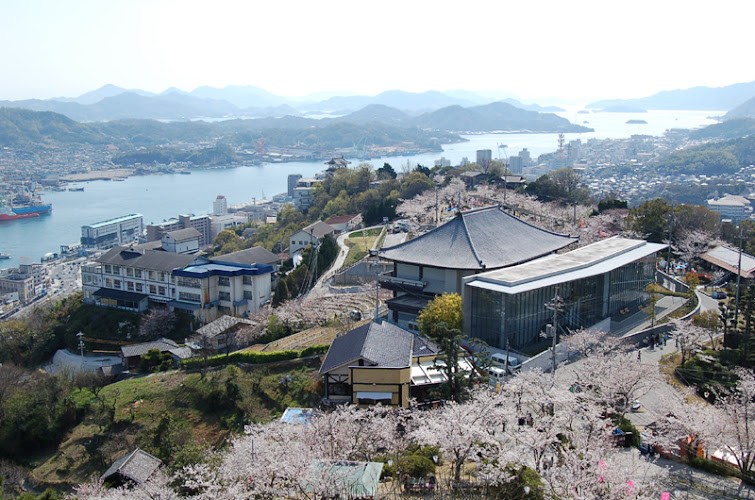
Onomichi City Museum of Art
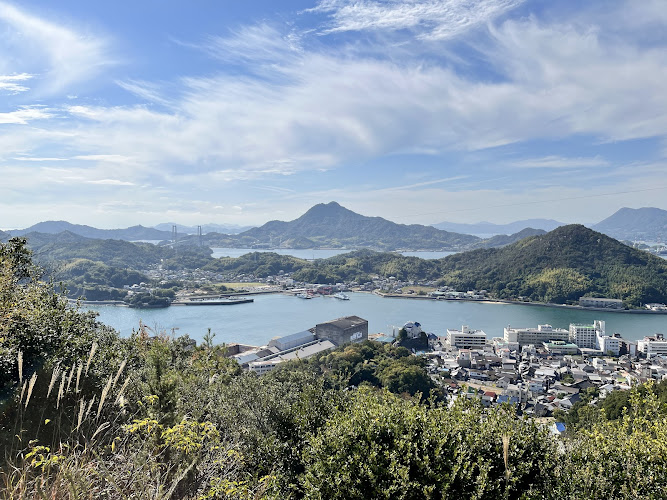
Innoshima Park
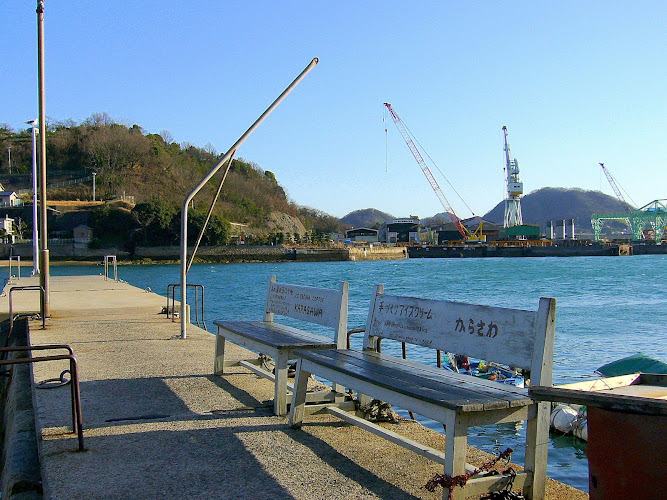
Onomichi Museum on the Beach
Find Accommodations Nearby
Recommended Tours & Activities
Visitor Reviews
There are no reviews yet. Be the first one to write one.
Share Your Experience
Have you visited Tennei Temple? Help other travelers by leaving a review.