
Onomichi City Museum of Art
About Onomichi City Museum of Art
Description
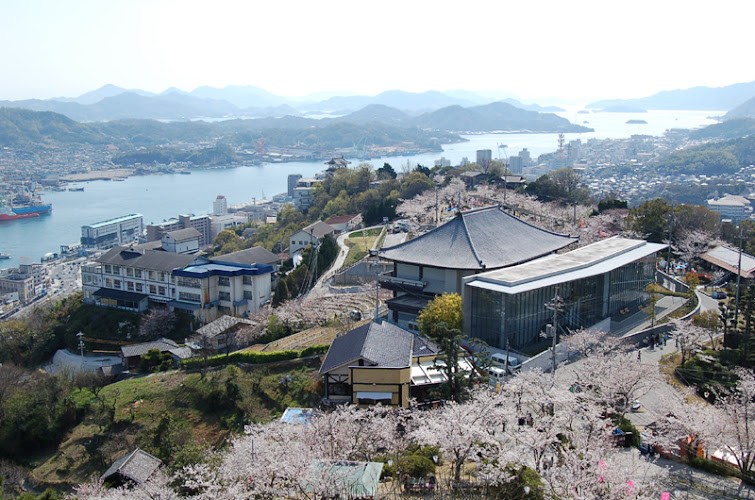
The Onomichi City Museum of Art is one of those places that doesn’t just show you art, it makes you feel like you’re part of it. Designed by the world-renowned architect Tadao Ando, the building itself is almost as much of an attraction as the collections inside. With its sleek glass-fronted design and minimalist concrete lines, it stands out in Senkoji Park like a quiet but confident statement. And the views—let’s just say you’ll want to linger on the terrace longer than you planned. From up there, you can see the Onomichi Channel and even the distant Shikoku mountains on a clear day. It’s the kind of panorama that sneaks into your memory and stays there.
Inside, the museum balances Japanese and international art beautifully. You’ll find works by local artists such as Wasaku Kobayashi and Gyoku-un Hirata, but also pieces by Georges Rouault and other global names. I personally love that mix—it feels like a conversation between Onomichi’s heritage and the wider world. Some exhibitions rotate, so repeat visits never feel stale. The atmosphere is calm, almost meditative, though you’ll occasionally hear the laughter of kids on a school trip, which adds its own charm.
Now, not every visitor walks away dazzled. Some people find the space a little too minimalist, or the exhibits smaller than they expected. But that’s part of the experience: it’s not a sprawling mega-museum, it’s more intimate, more personal. And if you ask me, that’s exactly why it’s worth visiting. It’s a place where you don’t just rush from one masterpiece to another—you slow down, you breathe, and you let the art (and those views) sink in.
Key Features
- Architectural design by Tadao Ando, blending concrete minimalism with glass and light
- Permanent collection featuring Japanese artists connected to Onomichi alongside international works
- Rotating special exhibitions that bring in fresh perspectives and global art
- Second-floor terrace offering sweeping views of the Onomichi Channel and Shimanami Kaido
- Café and museum shop on the first floor, ideal for a coffee break with a view
- Wheelchair accessible entrance, restrooms, parking, and rental services available
- Family-friendly atmosphere with discounts for children and kid-friendly activities
- Modern amenities like Wi-Fi and gender-neutral restrooms
Best Time to Visit
If you’re planning a trip, timing makes a big difference here. Spring is magical because the museum sits in Senkoji Park, which is famous for its cherry blossoms. Imagine walking through a tunnel of pink petals before stepping into a sleek glass museum—that contrast alone is worth the trip. Autumn is another favorite of mine; the fiery reds and golds of the trees make the whole hillside glow, and the views from the terrace are breathtaking.
Summer can be hot and humid, but the museum provides a cool and quiet escape. Just be prepared for more families and tourists during school holidays. Winter, on the other hand, is quieter. The crisp air makes the views sharper, and you’ll often feel like you have the terrace almost to yourself. Personally, I’d say visit in spring or autumn if you want the full experience, but honestly, there isn’t a bad time to go.
How to Get There
Getting to the museum is part of the fun, though it does involve a bit of a climb. The museum is located in Senkoji Park, which sits on a hill overlooking the city. You can take the ropeway up from central Onomichi—an experience in itself, offering sweeping views of the city and the Seto Inland Sea as you ascend. From the ropeway station, it’s a short walk to the museum.
If you’re feeling energetic, you can hike up through the park instead. I’ve done it once, and while it’s not the easiest walk, it’s rewarding. You pass by temples, narrow alleys, and those classic Onomichi stone steps that seem to go on forever. For those with mobility concerns, taxis can also drop you closer to the entrance. Public transport connections to Onomichi itself are solid, with trains from Hiroshima or Fukuyama making it easy to plan a day trip.
Tips for Visiting
Here’s where I get to share the little things that make a visit smoother and more enjoyable:
- Take your time on the terrace. Don’t just snap a photo and move on. Sit, breathe, and really take in the view—it’s one of the best in Onomichi.
- Check the exhibition schedule. The rotating shows can completely change the vibe of the museum, so look ahead if something special catches your interest.
- Combine with a park visit. Senkoji Park is worth exploring on its own. If you’re there in cherry blossom season, you’ll be in for a treat.
- Bring kids if you have them. The museum is surprisingly child-friendly, with discounts, activities, and even changing tables for families with little ones.
- Don’t skip the café. It’s not just about the coffee—the views from here are some of the best in town. It’s the perfect spot to reflect after wandering through the galleries.
- Accessibility is solid. Wheelchair rentals are available, and the building is designed to be navigable for most visitors. Just keep in mind the park paths outside can be a little uneven.
- Plan for crowds on weekends. If you prefer a quieter experience, aim for a weekday morning. You’ll feel like you have the place more to yourself.
At the end of the day, the Onomichi City Museum of Art is more than just a gallery—it’s part of the city’s cultural heartbeat. Whether you’re an art lover, a casual traveler, or just someone chasing a beautiful view, it has something that lingers with you long after you leave. And honestly, isn’t that the best kind of travel memory?
Key Features
- Architectural design by Tadao Ando, blending concrete minimalism with glass and light
- Permanent collection featuring Japanese artists connected to Onomichi alongside international works
- Rotating special exhibitions that bring in fresh perspectives and global art
- Second-floor terrace offering sweeping views of the Onomichi Channel and Shimanami Kaido
- Café and museum shop on the first floor, ideal for a coffee break with a view
- Wheelchair accessible entrance, restrooms, parking, and rental services available
- Family-friendly atmosphere with discounts for children and kid-friendly activities
- Modern amenities like Wi-Fi and gender-neutral restrooms
More Details
Updated September 9, 2025
Table of Contents
Description
The Onomichi City Museum of Art is one of those places that doesn’t just show you art, it makes you feel like you’re part of it. Designed by the world-renowned architect Tadao Ando, the building itself is almost as much of an attraction as the collections inside. With its sleek glass-fronted design and minimalist concrete lines, it stands out in Senkoji Park like a quiet but confident statement. And the views—let’s just say you’ll want to linger on the terrace longer than you planned. From up there, you can see the Onomichi Channel and even the distant Shikoku mountains on a clear day. It’s the kind of panorama that sneaks into your memory and stays there.
Inside, the museum balances Japanese and international art beautifully. You’ll find works by local artists such as Wasaku Kobayashi and Gyoku-un Hirata, but also pieces by Georges Rouault and other global names. I personally love that mix—it feels like a conversation between Onomichi’s heritage and the wider world. Some exhibitions rotate, so repeat visits never feel stale. The atmosphere is calm, almost meditative, though you’ll occasionally hear the laughter of kids on a school trip, which adds its own charm.
Now, not every visitor walks away dazzled. Some people find the space a little too minimalist, or the exhibits smaller than they expected. But that’s part of the experience: it’s not a sprawling mega-museum, it’s more intimate, more personal. And if you ask me, that’s exactly why it’s worth visiting. It’s a place where you don’t just rush from one masterpiece to another—you slow down, you breathe, and you let the art (and those views) sink in.
Key Features
- Architectural design by Tadao Ando, blending concrete minimalism with glass and light
- Permanent collection featuring Japanese artists connected to Onomichi alongside international works
- Rotating special exhibitions that bring in fresh perspectives and global art
- Second-floor terrace offering sweeping views of the Onomichi Channel and Shimanami Kaido
- Café and museum shop on the first floor, ideal for a coffee break with a view
- Wheelchair accessible entrance, restrooms, parking, and rental services available
- Family-friendly atmosphere with discounts for children and kid-friendly activities
- Modern amenities like Wi-Fi and gender-neutral restrooms
Best Time to Visit
If you’re planning a trip, timing makes a big difference here. Spring is magical because the museum sits in Senkoji Park, which is famous for its cherry blossoms. Imagine walking through a tunnel of pink petals before stepping into a sleek glass museum—that contrast alone is worth the trip. Autumn is another favorite of mine; the fiery reds and golds of the trees make the whole hillside glow, and the views from the terrace are breathtaking.
Summer can be hot and humid, but the museum provides a cool and quiet escape. Just be prepared for more families and tourists during school holidays. Winter, on the other hand, is quieter. The crisp air makes the views sharper, and you’ll often feel like you have the terrace almost to yourself. Personally, I’d say visit in spring or autumn if you want the full experience, but honestly, there isn’t a bad time to go.
How to Get There
Getting to the museum is part of the fun, though it does involve a bit of a climb. The museum is located in Senkoji Park, which sits on a hill overlooking the city. You can take the ropeway up from central Onomichi—an experience in itself, offering sweeping views of the city and the Seto Inland Sea as you ascend. From the ropeway station, it’s a short walk to the museum.
If you’re feeling energetic, you can hike up through the park instead. I’ve done it once, and while it’s not the easiest walk, it’s rewarding. You pass by temples, narrow alleys, and those classic Onomichi stone steps that seem to go on forever. For those with mobility concerns, taxis can also drop you closer to the entrance. Public transport connections to Onomichi itself are solid, with trains from Hiroshima or Fukuyama making it easy to plan a day trip.
Tips for Visiting
Here’s where I get to share the little things that make a visit smoother and more enjoyable:
- Take your time on the terrace. Don’t just snap a photo and move on. Sit, breathe, and really take in the view—it’s one of the best in Onomichi.
- Check the exhibition schedule. The rotating shows can completely change the vibe of the museum, so look ahead if something special catches your interest.
- Combine with a park visit. Senkoji Park is worth exploring on its own. If you’re there in cherry blossom season, you’ll be in for a treat.
- Bring kids if you have them. The museum is surprisingly child-friendly, with discounts, activities, and even changing tables for families with little ones.
- Don’t skip the café. It’s not just about the coffee—the views from here are some of the best in town. It’s the perfect spot to reflect after wandering through the galleries.
- Accessibility is solid. Wheelchair rentals are available, and the building is designed to be navigable for most visitors. Just keep in mind the park paths outside can be a little uneven.
- Plan for crowds on weekends. If you prefer a quieter experience, aim for a weekday morning. You’ll feel like you have the place more to yourself.
At the end of the day, the Onomichi City Museum of Art is more than just a gallery—it’s part of the city’s cultural heartbeat. Whether you’re an art lover, a casual traveler, or just someone chasing a beautiful view, it has something that lingers with you long after you leave. And honestly, isn’t that the best kind of travel memory?
Key Highlights
- Architectural design by Tadao Ando, blending concrete minimalism with glass and light
- Permanent collection featuring Japanese artists connected to Onomichi alongside international works
- Rotating special exhibitions that bring in fresh perspectives and global art
- Second-floor terrace offering sweeping views of the Onomichi Channel and Shimanami Kaido
- Café and museum shop on the first floor, ideal for a coffee break with a view
- Wheelchair accessible entrance, restrooms, parking, and rental services available
- Family-friendly atmosphere with discounts for children and kid-friendly activities
- Modern amenities like Wi-Fi and gender-neutral restrooms
Location
Places to Stay Near Onomichi City Museum of Art
Find and Book a Tour
Explore More Travel Guides
No reviews found! Be the first to review!
Traveler Reviews for Onomichi City Museum of Art
There are no reviews yet. Be the first one to write one.
Have you visited Onomichi City Museum of Art? Help other travelers by sharing your review.
You Might Also Like
Innoshima Bridge
Onomichi Museum on the Beach
Nakata Museum
Find Accommodations Nearby
Recommended Tours & Activities
Visitor Reviews
There are no reviews yet. Be the first one to write one.
Share Your Experience
Have you visited Onomichi City Museum of Art? Help other travelers by leaving a review.