
Nakata Museum
About Nakata Museum
Description
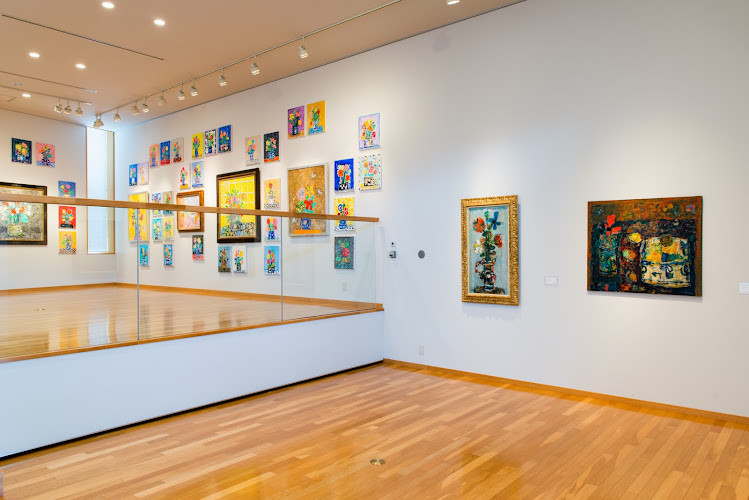
The Nakata Museum is one of those places that quietly surprises you. On the surface, it’s an art museum showcasing a thoughtful collection of Japanese and French paintings, but once you step inside, it feels like something more personal, almost like a dialogue between two cultures. The museum balances classical works with modern touches, and the surrounding garden adds a sense of calm that’s hard to find in most tourist attractions. It’s not the largest museum around, but that’s actually part of its charm—there’s time to linger, to really take in the brushstrokes, without feeling rushed from one gallery to the next.
What makes it stand out, in my opinion, is how approachable it feels. Some art museums can come across as intimidating, but here the atmosphere is warm, even welcoming. Families often wander through with kids in tow, and the museum clearly makes an effort to keep things accessible and engaging for younger visitors. There’s also a restaurant on-site, which is a lifesaver if you’ve spent a few hours soaking in the art and need a break. The food isn’t just an afterthought either—it’s actually quite good, and the setting feels like an extension of the art experience itself.
Of course, not every visitor walks away completely blown away. Some people find the museum smaller than expected, or wish for a wider variety of exhibitions. But overall, the balance tips strongly toward positive impressions, especially for travelers who appreciate a relaxed, contemplative space rather than a crowded blockbuster gallery. If you’re the type who enjoys pairing art with a bit of quiet reflection (and maybe a good meal afterward), the Nakata Museum has a way of leaving a lasting impression.
Key Features
- Collection of Japanese and French paintings, thoughtfully curated
- Beautiful garden area that enhances the museum’s tranquil atmosphere
- On-site restaurant offering quality meals, perfect for a leisurely visit
- Family-friendly environment with discounts and activities for children
- Live performances occasionally held, adding a unique cultural layer
- Wheelchair accessible entrance and parking, with rentals available
- Free parking options including both lot and street parking
Best Time to Visit
Timing can make a big difference in how much you enjoy the Nakata Museum. Weekdays, especially in the mornings, tend to be quieter, which means you can stroll through the galleries without too much background noise. If you’re like me and prefer to take your time in front of a painting, this is the sweet spot. Weekends, on the other hand, can draw more families, which isn’t necessarily a bad thing—it gives the place a lively energy, but it does mean you’ll be sharing the space with more people.
Seasonally, spring and autumn are particularly lovely. The garden outside the museum really comes alive during these times, with blossoms or colorful foliage framing the experience. Summer can be hot, and while the museum itself is comfortably cool, you might not linger outside as much. Winter has its own appeal though—the quieter atmosphere and crisp air make the museum feel like a cozy retreat. Personally, I’d vote for autumn; there’s something about stepping out of a gallery filled with French impressionist colors and then seeing the fiery reds and oranges of the garden that just feels poetic.
How to Get There
Reaching the Nakata Museum is pretty straightforward, though it depends a bit on your travel style. If you’re driving, you’ll be happy to know there’s free on-site parking as well as free street parking nearby. That alone makes it more convenient than many city museums where parking can be a headache. Public transportation is also an option, and while it might take a little extra planning, it’s doable if you don’t want to deal with a car. Once you arrive, the entrance is easy to find and wheelchair accessible, which makes the whole arrival process smooth for just about anyone.
If you’re the type who enjoys walking, the approach to the museum can be part of the experience. The surrounding area has a slower pace, and you can almost feel yourself shifting into “museum mode” as you get closer. Personally, I like arriving a little early, grabbing a coffee nearby, and then heading in when the doors open. It sets the tone for a more relaxed visit.
Tips for Visiting
Here are a few things worth keeping in mind if you’re planning a trip:
- Take your time: The museum isn’t massive, but that’s not a bad thing. Slow down, let the art sink in, and don’t rush through.
- Plan for a meal: The on-site restaurant is genuinely worth a stop. It’s not just convenient—it’s part of the whole experience.
- Bring the kids: If you’re traveling with family, the museum is surprisingly kid-friendly. Discounts for children help, and there are activities to keep them engaged.
- Check for live performances: These don’t happen every day, but when they do, they add a whole new dimension to the visit.
- Accessibility: Wheelchair users will find the entrance and parking easy to navigate, though it’s worth noting the restrooms aren’t fully accessible.
- Combine with nearby attractions: If you’re in the area for the day, the museum pairs nicely with other cultural or outdoor stops. It makes for a balanced itinerary.
One last piece of advice: don’t go expecting a massive, world-famous collection. That’s not what this place is about. It’s more intimate, more personal. And honestly, that’s what makes it special. I’ve been to big museums where I felt like I was just checking boxes. Here, I left feeling like I’d actually spent time with the art, and that’s a rare thing. So give yourself permission to enjoy it on its own terms—you might just find it becomes one of those unexpected highlights of your trip.
Key Features
- Collection of Japanese and French paintings, thoughtfully curated
- Beautiful garden area that enhances the museum’s tranquil atmosphere
- On-site restaurant offering quality meals, perfect for a leisurely visit
- Family-friendly environment with discounts and activities for children
- Live performances occasionally held, adding a unique cultural layer
- Wheelchair accessible entrance and parking, with rentals available
- Free parking options including both lot and street parking
More Details
Updated September 9, 2025
Table of Contents
Description
The Nakata Museum is one of those places that quietly surprises you. On the surface, it’s an art museum showcasing a thoughtful collection of Japanese and French paintings, but once you step inside, it feels like something more personal, almost like a dialogue between two cultures. The museum balances classical works with modern touches, and the surrounding garden adds a sense of calm that’s hard to find in most tourist attractions. It’s not the largest museum around, but that’s actually part of its charm—there’s time to linger, to really take in the brushstrokes, without feeling rushed from one gallery to the next.
What makes it stand out, in my opinion, is how approachable it feels. Some art museums can come across as intimidating, but here the atmosphere is warm, even welcoming. Families often wander through with kids in tow, and the museum clearly makes an effort to keep things accessible and engaging for younger visitors. There’s also a restaurant on-site, which is a lifesaver if you’ve spent a few hours soaking in the art and need a break. The food isn’t just an afterthought either—it’s actually quite good, and the setting feels like an extension of the art experience itself.
Of course, not every visitor walks away completely blown away. Some people find the museum smaller than expected, or wish for a wider variety of exhibitions. But overall, the balance tips strongly toward positive impressions, especially for travelers who appreciate a relaxed, contemplative space rather than a crowded blockbuster gallery. If you’re the type who enjoys pairing art with a bit of quiet reflection (and maybe a good meal afterward), the Nakata Museum has a way of leaving a lasting impression.
Key Features
- Collection of Japanese and French paintings, thoughtfully curated
- Beautiful garden area that enhances the museum’s tranquil atmosphere
- On-site restaurant offering quality meals, perfect for a leisurely visit
- Family-friendly environment with discounts and activities for children
- Live performances occasionally held, adding a unique cultural layer
- Wheelchair accessible entrance and parking, with rentals available
- Free parking options including both lot and street parking
Best Time to Visit
Timing can make a big difference in how much you enjoy the Nakata Museum. Weekdays, especially in the mornings, tend to be quieter, which means you can stroll through the galleries without too much background noise. If you’re like me and prefer to take your time in front of a painting, this is the sweet spot. Weekends, on the other hand, can draw more families, which isn’t necessarily a bad thing—it gives the place a lively energy, but it does mean you’ll be sharing the space with more people.
Seasonally, spring and autumn are particularly lovely. The garden outside the museum really comes alive during these times, with blossoms or colorful foliage framing the experience. Summer can be hot, and while the museum itself is comfortably cool, you might not linger outside as much. Winter has its own appeal though—the quieter atmosphere and crisp air make the museum feel like a cozy retreat. Personally, I’d vote for autumn; there’s something about stepping out of a gallery filled with French impressionist colors and then seeing the fiery reds and oranges of the garden that just feels poetic.
How to Get There
Reaching the Nakata Museum is pretty straightforward, though it depends a bit on your travel style. If you’re driving, you’ll be happy to know there’s free on-site parking as well as free street parking nearby. That alone makes it more convenient than many city museums where parking can be a headache. Public transportation is also an option, and while it might take a little extra planning, it’s doable if you don’t want to deal with a car. Once you arrive, the entrance is easy to find and wheelchair accessible, which makes the whole arrival process smooth for just about anyone.
If you’re the type who enjoys walking, the approach to the museum can be part of the experience. The surrounding area has a slower pace, and you can almost feel yourself shifting into “museum mode” as you get closer. Personally, I like arriving a little early, grabbing a coffee nearby, and then heading in when the doors open. It sets the tone for a more relaxed visit.
Tips for Visiting
Here are a few things worth keeping in mind if you’re planning a trip:
- Take your time: The museum isn’t massive, but that’s not a bad thing. Slow down, let the art sink in, and don’t rush through.
- Plan for a meal: The on-site restaurant is genuinely worth a stop. It’s not just convenient—it’s part of the whole experience.
- Bring the kids: If you’re traveling with family, the museum is surprisingly kid-friendly. Discounts for children help, and there are activities to keep them engaged.
- Check for live performances: These don’t happen every day, but when they do, they add a whole new dimension to the visit.
- Accessibility: Wheelchair users will find the entrance and parking easy to navigate, though it’s worth noting the restrooms aren’t fully accessible.
- Combine with nearby attractions: If you’re in the area for the day, the museum pairs nicely with other cultural or outdoor stops. It makes for a balanced itinerary.
One last piece of advice: don’t go expecting a massive, world-famous collection. That’s not what this place is about. It’s more intimate, more personal. And honestly, that’s what makes it special. I’ve been to big museums where I felt like I was just checking boxes. Here, I left feeling like I’d actually spent time with the art, and that’s a rare thing. So give yourself permission to enjoy it on its own terms—you might just find it becomes one of those unexpected highlights of your trip.
Key Highlights
- Collection of Japanese and French paintings, thoughtfully curated
- Beautiful garden area that enhances the museum’s tranquil atmosphere
- On-site restaurant offering quality meals, perfect for a leisurely visit
- Family-friendly environment with discounts and activities for children
- Live performances occasionally held, adding a unique cultural layer
- Wheelchair accessible entrance and parking, with rentals available
- Free parking options including both lot and street parking
Location
Places to Stay Near Nakata Museum
Find and Book a Tour
Explore More Travel Guides
No reviews found! Be the first to review!
Traveler Reviews for Nakata Museum
There are no reviews yet. Be the first one to write one.
Have you visited Nakata Museum? Help other travelers by sharing your review.
You Might Also Like
Bungakuno-Komichi
Cat Alley (Neko no Hosomichi)
Innoshima Park
Find Accommodations Nearby
Recommended Tours & Activities
Visitor Reviews
There are no reviews yet. Be the first one to write one.
Share Your Experience
Have you visited Nakata Museum? Help other travelers by leaving a review.