
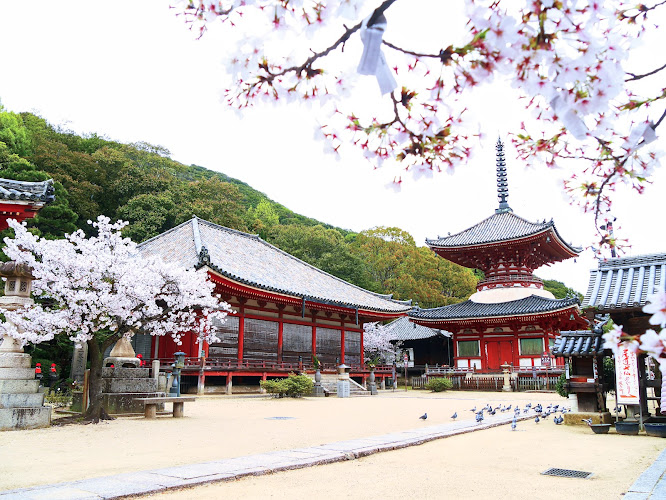
Jodo Temple
About Jodo Temple
Description
Jodo Temple stands as one of those places where history seems to breathe through every wooden beam and carefully raked stone garden. This Buddhist temple has earned its designation as a national treasure, and honestly, when you first catch sight of its traditional architecture rising against the sky, you'll understand why countless visitors have made the pilgrimage here over the centuries. The temple complex draws travelers who are searching for something beyond the typical tourist circuit. And I'll be straight with you – this isn't your average photo-op destination. It's a functioning religious site that happens to welcome visitors, which means you're stepping into a living tradition rather than just viewing museum pieces. The atmosphere carries a certain weight, that peculiar quiet you only find in places where people have been seeking enlightenment for generations. What makes Jodo Temple particularly compelling is its authenticity. You won't find much in the way of modern conveniences here (more on that in the tips section), but that's precisely what gives the place its character. The temple's preservation as a national treasure means the structures maintain their original integrity, offering travelers a genuine window into Buddhist architectural traditions and spiritual practices that have remained largely unchanged. The grounds themselves tell stories through their layout and design. Every element serves a purpose, from the positioning of meditation halls to the careful cultivation of surrounding gardens. Buddhist temples weren't just thrown together randomly – there's intention behind every aspect, and Jodo Temple exemplifies this thoughtful construction beautifully.Key Features
The temple offers several distinctive elements that make it worth the journey:- National Treasure Status: This designation isn't handed out lightly, and it reflects the temple's significant cultural and historical importance within the broader context of Buddhist heritage
- Authentic Architecture: The traditional building techniques and materials used in the temple structures provide insight into centuries-old construction methods that modern builders still study today
- Active Worship Site: Unlike some temples that function primarily as tourist attractions, Jodo Temple continues to serve its original spiritual purpose, with regular ceremonies and practices
- Meditation Spaces: Various halls and outdoor areas offer visitors opportunities for quiet contemplation and reflection, assuming you're respectful of ongoing religious activities
- Historical Artifacts: The temple houses several religious objects and artistic pieces that demonstrate the evolution of Buddhist artistic traditions
- Garden Elements: Carefully maintained landscape features incorporate traditional Buddhist symbolism and Japanese gardening aesthetics
- Restroom Facilities: Basic amenities are available on-site, which isn't always a given at historical religious sites
- Photo Opportunities: The architectural details and scenic grounds provide excellent subjects for photography enthusiasts, though always check before photographing inside sacred spaces
Best Time to Visit
Timing your visit to Jodo Temple can make a real difference in your experience. I've learned through various travels that showing up at the wrong moment can mean fighting crowds or missing key aspects entirely. The early morning hours – we're talking right when the gates open – offer the most peaceful experience. You'll likely encounter monks going about their morning routines, and the soft light filtering through the temple grounds creates an almost otherworldly atmosphere. Plus, you'll beat the tour groups that tend to arrive mid-morning. Seasonally speaking, each period brings its own character. Spring draws visitors for obvious reasons – flowering trees and pleasant temperatures make wandering the grounds particularly enjoyable. But here's the thing: everyone knows this, so expect company. Autumn presents a strong alternative, with changing foliage creating stunning backdrops for the temple architecture. The cooler air feels appropriate somehow, matching the contemplative mood of the space. Summer can get brutal depending on the regional climate, and the combination of heat and humidity while trying to maintain respectful dress standards (covered shoulders and knees) might leave you uncomfortable. Winter visits have their appeal for hardy travelers – fewer crowds and a stark beauty that emphasizes the temple's lines and forms. Just bundle up appropriately. Weekdays consistently offer better experiences than weekends. The difference in visitor numbers can be dramatic, and if you're after that meditative, peaceful temple experience, Tuesday through Thursday typically provides your best shot. Religious holidays and special ceremonies present interesting dilemmas. On one hand, you'll witness the temple in full use, with all the ritual and pageantry that entails. On the other hand, you might find certain areas closed to casual visitors, and the crowds can be substantial. It depends what you're after, really. One aspect many travelers overlook – check the weather forecast not just for rain, but for air quality and visibility. Temples often occupy locations chosen partially for their views, and hazy conditions can diminish that aspect of your visit considerably.How to Get There
Getting to Jodo Temple requires a bit more effort than your typical city-center attraction, but that's part of what has helped preserve its character over the years. Public transportation will likely be your primary option unless you're renting a car. The nearest major transit hub typically serves as your starting point, from which you'll need to connect via local buses or trains. I won't sugarcoat it – the journey involves multiple legs and you'll want to download offline maps or pick up physical ones before heading out. Cell coverage can get spotty as you move away from urban centers. Buses heading toward the temple area run on schedules that don't always align with Western expectations of frequency. Missing your connection might mean waiting 45 minutes or more for the next one, so build buffer time into your plans. The bus drivers often don't speak English, but showing them the temple name written in local script usually gets you pointed in the right direction. If you're driving, GPS coordinates work more reliably than street addresses in some regions. Parking exists but wasn't designed for modern vehicle volumes, so arriving early (another reason to start your day at dawn) improves your chances of finding a spot. The parking area sits at a distance from the main temple grounds requiring a walk – intentional, I suspect, giving visitors time to transition mentally from the outside world. Taxis or ride-sharing services can work for reaching the temple, but good luck finding one for the return journey. Unless you've pre-arranged a pickup time, you might find yourself stuck. Some travelers hire drivers for the full day, which costs more upfront but eliminates transportation stress entirely. The physical approach to the temple, regardless of how you arrive, typically involves walking paths or stairs. Wear appropriate footwear – fashion sneakers won't cut it if there's been recent rain.Tips for Visiting
Here's where I get practical based on what I wish someone had told me about visiting working temples. First and most important – this is not a wheelchair accessible site. Neither the entrance nor the parking area accommodates mobility devices, and the temple grounds include steps, uneven surfaces, and other obstacles. Visitors with mobility challenges should know this upfront to avoid disappointment or difficulty. Dress codes matter more than many Western travelers anticipate. Covered shoulders and knees are non-negotiable. Even on scorching days, you'll need to respect these guidelines. Bring a lightweight scarf or shawl if you're wearing a tank top – you can drape it over your shoulders. And shoes you can slip on and off easily are essential since you'll be removing them multiple times. Speaking of shoes, bring or wear socks. Walking barefoot on temple floors is generally frowned upon, and trust me, you don't want to go barefoot on surfaces where hundreds of others have walked that day. Photography protocols deserve attention. Outside areas are usually fair game, but interior spaces often prohibit photos or restrict flash photography. When in doubt, ask or observe what others are doing. Don't be that person who gets scolded by a monk for taking selfies in front of an altar. Silence and reverence aren't just suggestions. Keep your voice down, silence your phone completely (not just vibrate), and be mindful of your movements. Rushing through spaces, loud conversations, and general tourist chaos disrupt both worshippers and other visitors seeking peaceful experiences. The lack of modern amenities means planning ahead. While restrooms exist, they're basic facilities. Bring your own toilet paper and hand sanitizer just in case. No cafe or snack bar awaits when you get hungry, so eat beforehand or bring discrete snacks for afterwards. Cash is still king at many temples. Admission fees, donation boxes, and any small shops selling charms or religious items likely won't accept cards. Have appropriate denominations ready – breaking large bills can be difficult. Donation etiquette varies, but small offerings are appreciated and appropriate. You're visiting someone's religious space, after all. How you approach these donations matters too – follow the lead of locals if you're unsure of proper procedure. Guided tours sometimes operate on set schedules, offering English explanations of the temple's history and significance. Even if you prefer independent exploration, catching one of these tours can deepen your understanding considerably. The guides often share stories and context you'd never glean from just looking around. Finally, manage your expectations about duration. Some visitors breeze through in 30 minutes, snap photos, and leave. Others spend hours absorbing the atmosphere and details. Neither approach is wrong, but knowing the temple's limited accessibility features and basic amenities helps you plan accordingly. Personally, I'd budget at least 90 minutes to really appreciate the space without feeling rushed. The weather can change quickly in mountainous or coastal temple locations, so layers and a compact umbrella earn their weight in your daypack. And speaking of packs, keep yours small and manageable – squeezing through narrow temple corridors with a massive backpack disrupts everyone around you.Key Features
- National Treasure main hall (Hondō) dating to the Kamakura period
- Two-storied tahōtō (treasure pagoda) designated as a National Treasure
- Historic Shingon Buddhist temple linked to the Chūgoku 33 Kannon pilgrimage
- Atmospheric mossy stone steps, lanterns and coastal views of the Seto Inland Sea
- Well-preserved medieval timber architecture and interior Buddhist statues
More Details
Updated January 18, 2026
Table of Contents
Description
Jodo Temple stands as one of those places where history seems to breathe through every wooden beam and carefully raked stone garden. This Buddhist temple has earned its designation as a national treasure, and honestly, when you first catch sight of its traditional architecture rising against the sky, you’ll understand why countless visitors have made the pilgrimage here over the centuries.
The temple complex draws travelers who are searching for something beyond the typical tourist circuit. And I’ll be straight with you – this isn’t your average photo-op destination. It’s a functioning religious site that happens to welcome visitors, which means you’re stepping into a living tradition rather than just viewing museum pieces. The atmosphere carries a certain weight, that peculiar quiet you only find in places where people have been seeking enlightenment for generations.
What makes Jodo Temple particularly compelling is its authenticity. You won’t find much in the way of modern conveniences here (more on that in the tips section), but that’s precisely what gives the place its character. The temple’s preservation as a national treasure means the structures maintain their original integrity, offering travelers a genuine window into Buddhist architectural traditions and spiritual practices that have remained largely unchanged.
The grounds themselves tell stories through their layout and design. Every element serves a purpose, from the positioning of meditation halls to the careful cultivation of surrounding gardens. Buddhist temples weren’t just thrown together randomly – there’s intention behind every aspect, and Jodo Temple exemplifies this thoughtful construction beautifully.
Key Features
The temple offers several distinctive elements that make it worth the journey:
- National Treasure Status: This designation isn’t handed out lightly, and it reflects the temple’s significant cultural and historical importance within the broader context of Buddhist heritage
- Authentic Architecture: The traditional building techniques and materials used in the temple structures provide insight into centuries-old construction methods that modern builders still study today
- Active Worship Site: Unlike some temples that function primarily as tourist attractions, Jodo Temple continues to serve its original spiritual purpose, with regular ceremonies and practices
- Meditation Spaces: Various halls and outdoor areas offer visitors opportunities for quiet contemplation and reflection, assuming you’re respectful of ongoing religious activities
- Historical Artifacts: The temple houses several religious objects and artistic pieces that demonstrate the evolution of Buddhist artistic traditions
- Garden Elements: Carefully maintained landscape features incorporate traditional Buddhist symbolism and Japanese gardening aesthetics
- Restroom Facilities: Basic amenities are available on-site, which isn’t always a given at historical religious sites
- Photo Opportunities: The architectural details and scenic grounds provide excellent subjects for photography enthusiasts, though always check before photographing inside sacred spaces
Best Time to Visit
Timing your visit to Jodo Temple can make a real difference in your experience. I’ve learned through various travels that showing up at the wrong moment can mean fighting crowds or missing key aspects entirely.
The early morning hours – we’re talking right when the gates open – offer the most peaceful experience. You’ll likely encounter monks going about their morning routines, and the soft light filtering through the temple grounds creates an almost otherworldly atmosphere. Plus, you’ll beat the tour groups that tend to arrive mid-morning.
Seasonally speaking, each period brings its own character. Spring draws visitors for obvious reasons – flowering trees and pleasant temperatures make wandering the grounds particularly enjoyable. But here’s the thing: everyone knows this, so expect company. Autumn presents a strong alternative, with changing foliage creating stunning backdrops for the temple architecture. The cooler air feels appropriate somehow, matching the contemplative mood of the space.
Summer can get brutal depending on the regional climate, and the combination of heat and humidity while trying to maintain respectful dress standards (covered shoulders and knees) might leave you uncomfortable. Winter visits have their appeal for hardy travelers – fewer crowds and a stark beauty that emphasizes the temple’s lines and forms. Just bundle up appropriately.
Weekdays consistently offer better experiences than weekends. The difference in visitor numbers can be dramatic, and if you’re after that meditative, peaceful temple experience, Tuesday through Thursday typically provides your best shot.
Religious holidays and special ceremonies present interesting dilemmas. On one hand, you’ll witness the temple in full use, with all the ritual and pageantry that entails. On the other hand, you might find certain areas closed to casual visitors, and the crowds can be substantial. It depends what you’re after, really.
One aspect many travelers overlook – check the weather forecast not just for rain, but for air quality and visibility. Temples often occupy locations chosen partially for their views, and hazy conditions can diminish that aspect of your visit considerably.
How to Get There
Getting to Jodo Temple requires a bit more effort than your typical city-center attraction, but that’s part of what has helped preserve its character over the years.
Public transportation will likely be your primary option unless you’re renting a car. The nearest major transit hub typically serves as your starting point, from which you’ll need to connect via local buses or trains. I won’t sugarcoat it – the journey involves multiple legs and you’ll want to download offline maps or pick up physical ones before heading out. Cell coverage can get spotty as you move away from urban centers.
Buses heading toward the temple area run on schedules that don’t always align with Western expectations of frequency. Missing your connection might mean waiting 45 minutes or more for the next one, so build buffer time into your plans. The bus drivers often don’t speak English, but showing them the temple name written in local script usually gets you pointed in the right direction.
If you’re driving, GPS coordinates work more reliably than street addresses in some regions. Parking exists but wasn’t designed for modern vehicle volumes, so arriving early (another reason to start your day at dawn) improves your chances of finding a spot. The parking area sits at a distance from the main temple grounds requiring a walk – intentional, I suspect, giving visitors time to transition mentally from the outside world.
Taxis or ride-sharing services can work for reaching the temple, but good luck finding one for the return journey. Unless you’ve pre-arranged a pickup time, you might find yourself stuck. Some travelers hire drivers for the full day, which costs more upfront but eliminates transportation stress entirely.
The physical approach to the temple, regardless of how you arrive, typically involves walking paths or stairs. Wear appropriate footwear – fashion sneakers won’t cut it if there’s been recent rain.
Tips for Visiting
Here’s where I get practical based on what I wish someone had told me about visiting working temples.
First and most important – this is not a wheelchair accessible site. Neither the entrance nor the parking area accommodates mobility devices, and the temple grounds include steps, uneven surfaces, and other obstacles. Visitors with mobility challenges should know this upfront to avoid disappointment or difficulty.
Dress codes matter more than many Western travelers anticipate. Covered shoulders and knees are non-negotiable. Even on scorching days, you’ll need to respect these guidelines. Bring a lightweight scarf or shawl if you’re wearing a tank top – you can drape it over your shoulders. And shoes you can slip on and off easily are essential since you’ll be removing them multiple times.
Speaking of shoes, bring or wear socks. Walking barefoot on temple floors is generally frowned upon, and trust me, you don’t want to go barefoot on surfaces where hundreds of others have walked that day.
Photography protocols deserve attention. Outside areas are usually fair game, but interior spaces often prohibit photos or restrict flash photography. When in doubt, ask or observe what others are doing. Don’t be that person who gets scolded by a monk for taking selfies in front of an altar.
Silence and reverence aren’t just suggestions. Keep your voice down, silence your phone completely (not just vibrate), and be mindful of your movements. Rushing through spaces, loud conversations, and general tourist chaos disrupt both worshippers and other visitors seeking peaceful experiences.
The lack of modern amenities means planning ahead. While restrooms exist, they’re basic facilities. Bring your own toilet paper and hand sanitizer just in case. No cafe or snack bar awaits when you get hungry, so eat beforehand or bring discrete snacks for afterwards.
Cash is still king at many temples. Admission fees, donation boxes, and any small shops selling charms or religious items likely won’t accept cards. Have appropriate denominations ready – breaking large bills can be difficult.
Donation etiquette varies, but small offerings are appreciated and appropriate. You’re visiting someone’s religious space, after all. How you approach these donations matters too – follow the lead of locals if you’re unsure of proper procedure.
Guided tours sometimes operate on set schedules, offering English explanations of the temple’s history and significance. Even if you prefer independent exploration, catching one of these tours can deepen your understanding considerably. The guides often share stories and context you’d never glean from just looking around.
Finally, manage your expectations about duration. Some visitors breeze through in 30 minutes, snap photos, and leave. Others spend hours absorbing the atmosphere and details. Neither approach is wrong, but knowing the temple’s limited accessibility features and basic amenities helps you plan accordingly. Personally, I’d budget at least 90 minutes to really appreciate the space without feeling rushed.
The weather can change quickly in mountainous or coastal temple locations, so layers and a compact umbrella earn their weight in your daypack. And speaking of packs, keep yours small and manageable – squeezing through narrow temple corridors with a massive backpack disrupts everyone around you.
Key Highlights
- National Treasure main hall (Hondō) dating to the Kamakura period
- Two-storied tahōtō (treasure pagoda) designated as a National Treasure
- Historic Shingon Buddhist temple linked to the Chūgoku 33 Kannon pilgrimage
- Atmospheric mossy stone steps, lanterns and coastal views of the Seto Inland Sea
- Well-preserved medieval timber architecture and interior Buddhist statues
Location
Places to Stay Near Jodo Temple
Find and Book a Tour
Explore More Travel Guides
No reviews found! Be the first to review!
Traveler Reviews for Jodo Temple
There are no reviews yet. Be the first one to write one.
Have you visited Jodo Temple? Help other travelers by sharing your review.
Nearby Attractions
You Might Also Like

Nakata Museum
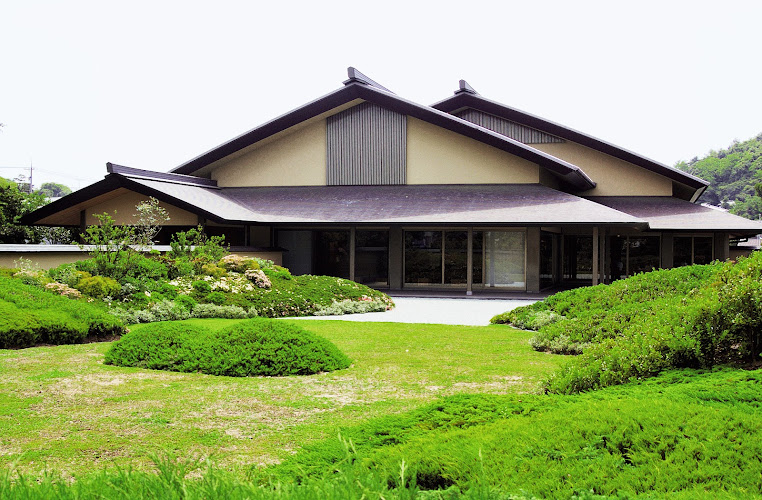
Hirayama Ikuo Museum of Art
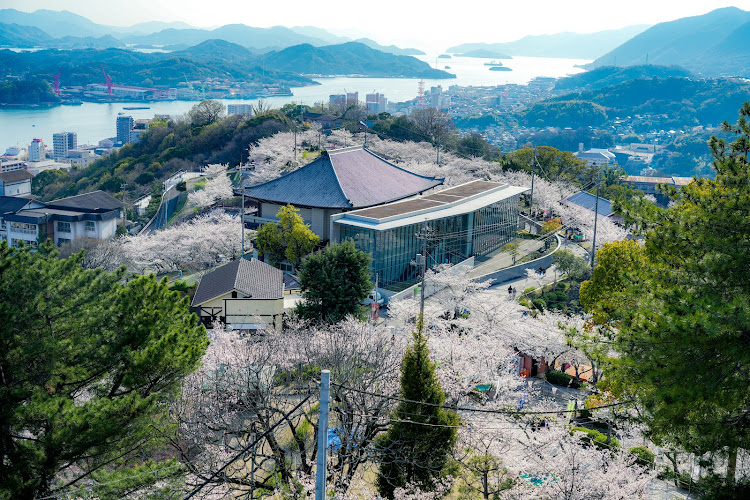
Senkoji Park
Find Accommodations Nearby
Recommended Tours & Activities
Visitor Reviews
There are no reviews yet. Be the first one to write one.
Share Your Experience
Have you visited Jodo Temple? Help other travelers by leaving a review.