Tel Aviv Port
About Tel Aviv Port
Description
Tel Aviv Port has transformed itself from a defunct industrial shipping facility into one of the city's most sought-after leisure destinations. The old port area, known locally as Namal Tel Aviv, shut down its commercial operations back in 1965 and sat dormant for decades before undergoing a massive redevelopment that breathed new life into the weathered docks and warehouses. What emerged is an open-air entertainment complex that stretches along the Mediterranean coastline, offering an escape from the urban intensity of central Tel Aviv while remaining just minutes from the city center. Walking through the port today, you'd hardly recognize its industrial past. The wooden boardwalks wind their way past former loading docks that now house boutique shops, restaurants serving everything from fresh Mediterranean seafood to international fusion cuisine, and bars where locals and travelers alike gather to watch spectacular sunsets over the water. The architecture preserves some of that raw, industrial character – exposed beams, weathered wood, and metal accents – but softens it with modern design elements that make the space feel both historic and contemporary at the same time. I remember my first visit here, honestly expecting just another touristy waterfront development. But there's something different about the Tel Aviv Port. Maybe it's because locals actually use it as much as visitors do, or perhaps it's the way the space feels organic rather than manufactured. The layout encourages wandering without purpose, discovering hidden coffee shops tucked between larger establishments, or stumbling upon a weekend farmers market you didn't know existed. The seafront promenade extends for about two kilometers, providing an uninterrupted pathway for joggers, cyclists, and casual strollers. During weekends especially, you'll find Tel Avivians treating the port as their personal living room – families spread out on the grass areas, friend groups claiming wooden deck chairs, and couples meandering through the various dining options. It's genuinely one of those places where the boundaries between tourist attraction and local hangout blur completely.Key Features
The Tel Aviv Port offers numerous distinctive features that set it apart from typical waterfront developments: • Fully accessible facilities including wheelchair-friendly entrances, parking areas, and restrooms throughout the complex, making it one of the more inclusive attractions in the city • An extensive wooden boardwalk system that creates an elevated walking experience above the Mediterranean shoreline • Over 30 restaurants and cafes ranging from casual beach bars to upscale dining establishments with ocean views • Weekly farmers market on Fridays where local producers sell organic vegetables, artisanal cheeses, fresh baked goods, and handmade crafts • The Port Gallery space which hosts rotating art exhibitions, cultural events, and community gatherings • Multiple children's play areas and family-friendly zones that make it suitable for visitors traveling with kids of all ages • Outdoor event spaces that regularly feature live music performances, DJ sets, and seasonal festivals • Boutique shopping options featuring Israeli designers, jewelry makers, and lifestyle brands • Several nightlife venues including clubs and lounges that attract both international DJs and local talent • Bike rental stations and dedicated cycling paths connecting to Tel Aviv's broader network of bike routes • Open green spaces perfect for picnics, yoga sessions, or simply lying in the sun • Payment flexibility with acceptance of credit cards, debit cards, and contactless mobile payments across most establishmentsBest Time to Visit
Timing your visit to Tel Aviv Port can significantly impact your experience. The location operates year-round, but certain periods offer distinct advantages depending on what you're seeking. Spring months from March through May present ideal conditions. Temperatures hover in the comfortable 20-25°C range, and the Mediterranean breeze keeps things pleasant even during midday. The port isn't overwhelmingly crowded yet, and you can actually snag a decent table at popular restaurants without reserving weeks in advance. I've found that April particularly shines – the winter rains have finished, everything looks green and fresh, but the intense summer heat hasn't kicked in yet. Summer, especially July and August, brings the most energy but also the biggest crowds. The port transforms into party central during these months, with evening events running nearly every night and the restaurants and bars operating at full capacity. If you thrive on that bustling atmosphere and don't mind waiting for a table, summer delivers. But be prepared for temperatures pushing past 30°C and humidity that makes the air feel thick. Late evening visits work better during summer – arriving around sunset means you'll catch the spectacular light show over the water while avoiding the worst heat. Fall presents another sweet spot. September and October maintain summer's warmth without the intense heat, and the crowds thin out considerably once school starts up again. November can be lovely too, though you're rolling the dice a bit with potential rain. Winter months from December through February see the fewest visitors. Some establishments reduce their hours, and outdoor seating becomes less appealing when temperatures drop and occasional rain showers pass through. However, winter has its own charm – you'll find deals at restaurants, genuine interaction with locals rather than tourist crowds, and that moody Mediterranean atmosphere when storm clouds gather offshore. Regarding time of day, late afternoon through evening consistently delivers the best experience regardless of season. Arriving around 5 PM lets you browse the shops while they're still open, claim a spot at a restaurant with sunset views, and transition seamlessly into the nightlife scene if that interests you. Friday afternoons hold special significance – the farmers market draws serious crowds, and there's this palpable shift in energy as Shabbat approaches and locals flood the area to kick off their weekend.How to Get There
Reaching Tel Aviv Port is straightforward from virtually anywhere in the city. The location sits at the northern edge of Tel Aviv's coastline, making it easily accessible through multiple transportation options. Public buses offer the most economical choice. Lines 9 and 10 run frequently along Ben Yehuda Street and stop within a short walk of the port entrance. Bus 18 also services the area, approaching from a slightly different route. The Dan bus company operates most routes, and you can pay using a Rav-Kav card (which I highly recommend getting if you're staying more than a day or two) or exact change. The ride from central Tel Aviv takes roughly 15-20 minutes depending on traffic. Cycling has become increasingly popular in Tel Aviv, and the port is exceptionally bike-friendly. The city's Tel-O-Fun bike share system has multiple stations near the port, and dedicated bike lanes run along most of the route from the city center. The ride from Dizengoff Square takes about 15 minutes at a casual pace, following the coastal path which is honestly one of the more pleasant urban cycling experiences you'll find anywhere. Taxis and ride-sharing services like Gett work well if you're traveling in a group or carrying beach gear. From central Tel Aviv, expect to pay around 30-40 shekels for a taxi, though prices fluctuate based on traffic and time of day. Just tell the driver "Namal Tel Aviv" and they'll know exactly where you're headed. Driving yourself is possible – the port has parking facilities that accommodate several hundred vehicles. But here's the thing: parking fills up quickly, especially on weekends and holidays. The lots accept payment via credit card and mobile apps, which is convenient. However, I'd honestly suggest skipping the car unless you're coming from outside Tel Aviv or have mobility concerns. The parking hassle often outweighs the convenience. Walking from central Tel Aviv is absolutely doable for the reasonably fit. From the Hilton Beach area, it's roughly a 20-minute stroll along the coastline. From Dizengoff Center, maybe 30-35 minutes. The walk along Ben Yehuda Street or the beach promenade is pleasant enough that it doesn't feel like a chore.Tips for Visiting
Making the most of your Tel Aviv Port experience requires some insider knowledge that typical guidebooks gloss over. Arrive with flexible dining plans. Yes, you can make reservations at the more popular restaurants, and during peak times that's smart. But some of the best meals I've had there came from wandering until something looked appealing. The Asian-fusion places tend to offer better value than the seafood restaurants, which sometimes charge premium prices for middling quality. Don't be afraid to walk past the first row of restaurants – the places set back from the waterfront often deliver better food at lower prices. Dress in layers even during summer. That Mediterranean breeze feels wonderful when you're overheated, but once the sun drops and you've been sitting in air-conditioned restaurants, you might find yourself surprisingly chilly. And speaking of clothing, the port maintains a casual vibe – you'll see everything from beachwear to smart-casual, so don't stress about dressing up unless you're headed to one of the upscale establishments. Budget accordingly because prices run higher than average Tel Aviv rates. A cocktail might set you back 45-55 shekels, and dinner for two with drinks can easily reach 300-400 shekels at mid-range restaurants. Street food options exist but are limited compared to other parts of the city. If you're watching expenses, consider eating before you arrive and just getting drinks while enjoying the atmosphere. Timing matters beyond just season and time of day. Friday mornings mean farmers market, but also means crowds. Saturday afternoons attract families and can feel hectic. Weekday evenings, particularly Tuesday through Thursday, offer the most relaxed experience with easier access to waterfront seating and less competition for the best sunset viewing spots. Explore beyond the obvious. Most visitors stick to the main boardwalk area, but venture north along the promenade and you'll find quieter spots where locals fish, more affordable cafes, and better photo opportunities without crowds of people in your shots. The port works wonderfully for kids despite initial appearances as more of an adult scene. Several restaurants feature dedicated children's areas, the open spaces let them run around safely, and the playgrounds are genuinely well-maintained. Birthday party packages are popular among local families, which should tell you something about the family-friendliness that isn't immediately apparent. Download a mobile payment app if you haven't already. While most places accept cards, having mobile payment capability speeds up transactions considerably, especially at busy bars where card readers sometimes struggle with connection issues. Don't try to do everything in one visit. The port deserves at least two separate experiences – maybe a lazy afternoon coffee and stroll, then return another time for dinner and evening entertainment. Trying to cram it all into a single visit leaves you rushed and missing the relaxed atmosphere that makes the place special. Lastly, manage expectations around the "tourist attraction" label. Tel Aviv Port functions primarily as a leisure destination for locals who happen to welcome visitors into their space. It's not a curated tourist experience with guided tours and information plaques. That authentic, lived-in quality is exactly what makes it worth visiting, but some travelers expecting a more structured attraction might initially feel confused about what they're supposed to "do" there. The answer is simple – just exist in the space, eat good food, watch the sunset, and soak up the Mediterranean atmosphere that makes Tel Aviv what it is.Key Features
- Seafront promenade with panoramic Mediterranean views
- Wide selection of restaurants, cafés and bars
- Weekend markets and pop-up events showcasing local goods
- Family-friendly facilities and open-air public spaces
- Active leisure options: jogging paths, cycling and fishing spots
More Details
Updated January 18, 2026
Table of Contents
Description
Tel Aviv Port has transformed itself from a defunct industrial shipping facility into one of the city’s most sought-after leisure destinations. The old port area, known locally as Namal Tel Aviv, shut down its commercial operations back in 1965 and sat dormant for decades before undergoing a massive redevelopment that breathed new life into the weathered docks and warehouses. What emerged is an open-air entertainment complex that stretches along the Mediterranean coastline, offering an escape from the urban intensity of central Tel Aviv while remaining just minutes from the city center.
Walking through the port today, you’d hardly recognize its industrial past. The wooden boardwalks wind their way past former loading docks that now house boutique shops, restaurants serving everything from fresh Mediterranean seafood to international fusion cuisine, and bars where locals and travelers alike gather to watch spectacular sunsets over the water. The architecture preserves some of that raw, industrial character – exposed beams, weathered wood, and metal accents – but softens it with modern design elements that make the space feel both historic and contemporary at the same time.
I remember my first visit here, honestly expecting just another touristy waterfront development. But there’s something different about the Tel Aviv Port. Maybe it’s because locals actually use it as much as visitors do, or perhaps it’s the way the space feels organic rather than manufactured. The layout encourages wandering without purpose, discovering hidden coffee shops tucked between larger establishments, or stumbling upon a weekend farmers market you didn’t know existed.
The seafront promenade extends for about two kilometers, providing an uninterrupted pathway for joggers, cyclists, and casual strollers. During weekends especially, you’ll find Tel Avivians treating the port as their personal living room – families spread out on the grass areas, friend groups claiming wooden deck chairs, and couples meandering through the various dining options. It’s genuinely one of those places where the boundaries between tourist attraction and local hangout blur completely.
Key Features
The Tel Aviv Port offers numerous distinctive features that set it apart from typical waterfront developments:
• Fully accessible facilities including wheelchair-friendly entrances, parking areas, and restrooms throughout the complex, making it one of the more inclusive attractions in the city
• An extensive wooden boardwalk system that creates an elevated walking experience above the Mediterranean shoreline
• Over 30 restaurants and cafes ranging from casual beach bars to upscale dining establishments with ocean views
• Weekly farmers market on Fridays where local producers sell organic vegetables, artisanal cheeses, fresh baked goods, and handmade crafts
• The Port Gallery space which hosts rotating art exhibitions, cultural events, and community gatherings
• Multiple children’s play areas and family-friendly zones that make it suitable for visitors traveling with kids of all ages
• Outdoor event spaces that regularly feature live music performances, DJ sets, and seasonal festivals
• Boutique shopping options featuring Israeli designers, jewelry makers, and lifestyle brands
• Several nightlife venues including clubs and lounges that attract both international DJs and local talent
• Bike rental stations and dedicated cycling paths connecting to Tel Aviv’s broader network of bike routes
• Open green spaces perfect for picnics, yoga sessions, or simply lying in the sun
• Payment flexibility with acceptance of credit cards, debit cards, and contactless mobile payments across most establishments
Best Time to Visit
Timing your visit to Tel Aviv Port can significantly impact your experience. The location operates year-round, but certain periods offer distinct advantages depending on what you’re seeking.
Spring months from March through May present ideal conditions. Temperatures hover in the comfortable 20-25°C range, and the Mediterranean breeze keeps things pleasant even during midday. The port isn’t overwhelmingly crowded yet, and you can actually snag a decent table at popular restaurants without reserving weeks in advance. I’ve found that April particularly shines – the winter rains have finished, everything looks green and fresh, but the intense summer heat hasn’t kicked in yet.
Summer, especially July and August, brings the most energy but also the biggest crowds. The port transforms into party central during these months, with evening events running nearly every night and the restaurants and bars operating at full capacity. If you thrive on that bustling atmosphere and don’t mind waiting for a table, summer delivers. But be prepared for temperatures pushing past 30°C and humidity that makes the air feel thick. Late evening visits work better during summer – arriving around sunset means you’ll catch the spectacular light show over the water while avoiding the worst heat.
Fall presents another sweet spot. September and October maintain summer’s warmth without the intense heat, and the crowds thin out considerably once school starts up again. November can be lovely too, though you’re rolling the dice a bit with potential rain.
Winter months from December through February see the fewest visitors. Some establishments reduce their hours, and outdoor seating becomes less appealing when temperatures drop and occasional rain showers pass through. However, winter has its own charm – you’ll find deals at restaurants, genuine interaction with locals rather than tourist crowds, and that moody Mediterranean atmosphere when storm clouds gather offshore.
Regarding time of day, late afternoon through evening consistently delivers the best experience regardless of season. Arriving around 5 PM lets you browse the shops while they’re still open, claim a spot at a restaurant with sunset views, and transition seamlessly into the nightlife scene if that interests you. Friday afternoons hold special significance – the farmers market draws serious crowds, and there’s this palpable shift in energy as Shabbat approaches and locals flood the area to kick off their weekend.
How to Get There
Reaching Tel Aviv Port is straightforward from virtually anywhere in the city. The location sits at the northern edge of Tel Aviv’s coastline, making it easily accessible through multiple transportation options.
Public buses offer the most economical choice. Lines 9 and 10 run frequently along Ben Yehuda Street and stop within a short walk of the port entrance. Bus 18 also services the area, approaching from a slightly different route. The Dan bus company operates most routes, and you can pay using a Rav-Kav card (which I highly recommend getting if you’re staying more than a day or two) or exact change. The ride from central Tel Aviv takes roughly 15-20 minutes depending on traffic.
Cycling has become increasingly popular in Tel Aviv, and the port is exceptionally bike-friendly. The city’s Tel-O-Fun bike share system has multiple stations near the port, and dedicated bike lanes run along most of the route from the city center. The ride from Dizengoff Square takes about 15 minutes at a casual pace, following the coastal path which is honestly one of the more pleasant urban cycling experiences you’ll find anywhere.
Taxis and ride-sharing services like Gett work well if you’re traveling in a group or carrying beach gear. From central Tel Aviv, expect to pay around 30-40 shekels for a taxi, though prices fluctuate based on traffic and time of day. Just tell the driver “Namal Tel Aviv” and they’ll know exactly where you’re headed.
Driving yourself is possible – the port has parking facilities that accommodate several hundred vehicles. But here’s the thing: parking fills up quickly, especially on weekends and holidays. The lots accept payment via credit card and mobile apps, which is convenient. However, I’d honestly suggest skipping the car unless you’re coming from outside Tel Aviv or have mobility concerns. The parking hassle often outweighs the convenience.
Walking from central Tel Aviv is absolutely doable for the reasonably fit. From the Hilton Beach area, it’s roughly a 20-minute stroll along the coastline. From Dizengoff Center, maybe 30-35 minutes. The walk along Ben Yehuda Street or the beach promenade is pleasant enough that it doesn’t feel like a chore.
Tips for Visiting
Making the most of your Tel Aviv Port experience requires some insider knowledge that typical guidebooks gloss over.
Arrive with flexible dining plans. Yes, you can make reservations at the more popular restaurants, and during peak times that’s smart. But some of the best meals I’ve had there came from wandering until something looked appealing. The Asian-fusion places tend to offer better value than the seafood restaurants, which sometimes charge premium prices for middling quality. Don’t be afraid to walk past the first row of restaurants – the places set back from the waterfront often deliver better food at lower prices.
Dress in layers even during summer. That Mediterranean breeze feels wonderful when you’re overheated, but once the sun drops and you’ve been sitting in air-conditioned restaurants, you might find yourself surprisingly chilly. And speaking of clothing, the port maintains a casual vibe – you’ll see everything from beachwear to smart-casual, so don’t stress about dressing up unless you’re headed to one of the upscale establishments.
Budget accordingly because prices run higher than average Tel Aviv rates. A cocktail might set you back 45-55 shekels, and dinner for two with drinks can easily reach 300-400 shekels at mid-range restaurants. Street food options exist but are limited compared to other parts of the city. If you’re watching expenses, consider eating before you arrive and just getting drinks while enjoying the atmosphere.
Timing matters beyond just season and time of day. Friday mornings mean farmers market, but also means crowds. Saturday afternoons attract families and can feel hectic. Weekday evenings, particularly Tuesday through Thursday, offer the most relaxed experience with easier access to waterfront seating and less competition for the best sunset viewing spots.
Explore beyond the obvious. Most visitors stick to the main boardwalk area, but venture north along the promenade and you’ll find quieter spots where locals fish, more affordable cafes, and better photo opportunities without crowds of people in your shots.
The port works wonderfully for kids despite initial appearances as more of an adult scene. Several restaurants feature dedicated children’s areas, the open spaces let them run around safely, and the playgrounds are genuinely well-maintained. Birthday party packages are popular among local families, which should tell you something about the family-friendliness that isn’t immediately apparent.
Download a mobile payment app if you haven’t already. While most places accept cards, having mobile payment capability speeds up transactions considerably, especially at busy bars where card readers sometimes struggle with connection issues.
Don’t try to do everything in one visit. The port deserves at least two separate experiences – maybe a lazy afternoon coffee and stroll, then return another time for dinner and evening entertainment. Trying to cram it all into a single visit leaves you rushed and missing the relaxed atmosphere that makes the place special.
Lastly, manage expectations around the “tourist attraction” label. Tel Aviv Port functions primarily as a leisure destination for locals who happen to welcome visitors into their space. It’s not a curated tourist experience with guided tours and information plaques. That authentic, lived-in quality is exactly what makes it worth visiting, but some travelers expecting a more structured attraction might initially feel confused about what they’re supposed to “do” there. The answer is simple – just exist in the space, eat good food, watch the sunset, and soak up the Mediterranean atmosphere that makes Tel Aviv what it is.
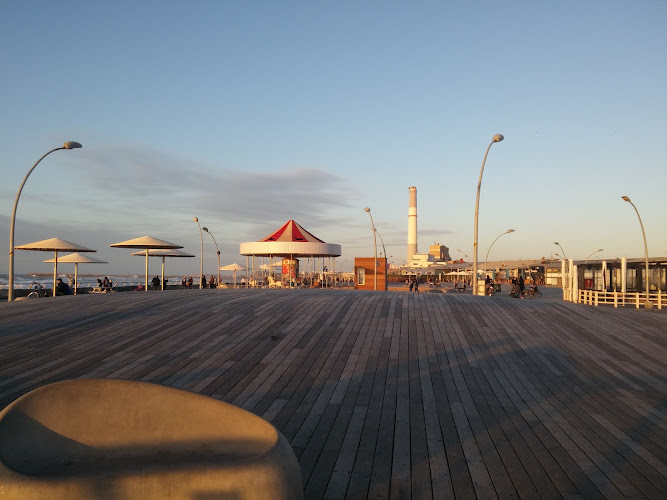
Key Highlights
- Seafront promenade with panoramic Mediterranean views
- Wide selection of restaurants, cafés and bars
- Weekend markets and pop-up events showcasing local goods
- Family-friendly facilities and open-air public spaces
- Active leisure options: jogging paths, cycling and fishing spots
Location
Places to Stay Near Tel Aviv Port
Find and Book a Tour
Explore More Travel Guides
No reviews found! Be the first to review!
Traveler Reviews for Tel Aviv Port
There are no reviews yet. Be the first one to write one.
Have you visited Tel Aviv Port? Help other travelers by sharing your review.
Nearby Attractions
Find Accommodations Nearby
Recommended Tours & Activities
Visitor Reviews
There are no reviews yet. Be the first one to write one.
Share Your Experience
Have you visited Tel Aviv Port? Help other travelers by leaving a review.
