
HaKaktusim Garden
About HaKaktusim Garden
Description
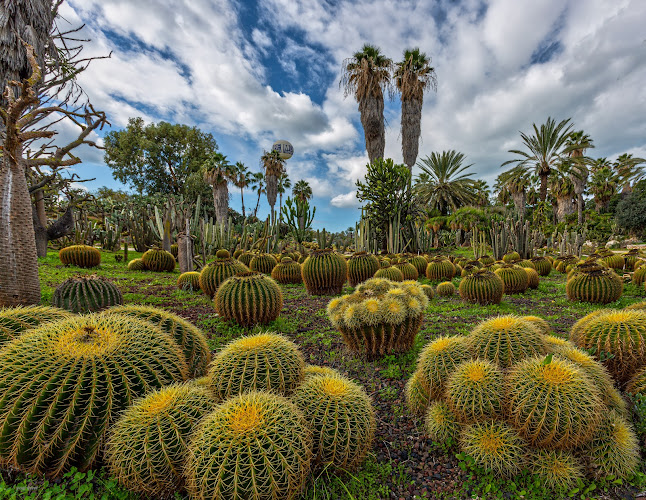
HaKaktusim Garden offers travelers a surprisingly unique experience that goes beyond your typical park visit. This desert botanical garden showcases an impressive collection of cacti and succulents that thrive in Israel's Mediterranean climate, creating a landscape that feels almost otherworldly. The garden has become something of a hidden gem for those who appreciate the strange beauty of desert flora without having to venture deep into arid wilderness. What really struck me when I first learned about this place was how it manages to be both educational and genuinely enjoyable. You're not just walking through rows of prickly plants – you're actually experiencing a carefully curated collection that tells the story of how these resilient species have adapted to survive in some of the harshest environments on Earth. And honestly, there's something meditative about being surrounded by these patient, slow-growing specimens that have been cultivating their survival strategies for millions of years. The garden itself spreads across a landscape that allows visitors to wander at their own pace. Unlike some attractions where you feel rushed through, this is a place where time seems to slow down a bit. Families appreciate the accessible pathways and educational opportunities, while photography enthusiasts find endless subjects in the varied shapes, textures, and occasional blooms of the cacti collection. One particularly interesting aspect that doesn't get talked about enough is the local wildlife. Jackals have been spotted in and around the garden area, which adds an unexpected dimension to the visit. These clever creatures are part of the natural ecosystem, and while they're generally wary of humans, knowing they're part of the landscape makes the whole experience feel more connected to the authentic Israeli wilderness.Key Features
The HaKaktusim Garden provides travelers with several distinctive features that make it worth adding to any itinerary:- Extensive collection of cacti and succulent species from various desert regions around the world, offering a living encyclopedia of drought-adapted plants
- Wheelchair accessible entrance and designated parking areas, ensuring that visitors with mobility challenges can fully enjoy the garden experience
- Well-maintained hiking trails that wind through the collection, suitable for different fitness levels and perfect for families with children
- Kid-friendly educational opportunities where younger visitors can learn about plant adaptation, desert ecosystems, and environmental conservation in an engaging outdoor setting
- Public restroom facilities available on-site, which is honestly more important than people realize when planning outdoor activities
- Photography opportunities that change with the seasons – different cacti bloom at different times, creating ever-changing visual compositions
- Peaceful atmosphere that provides a quiet retreat from busier tourist attractions, ideal for contemplative walks or nature meditation
- Native wildlife sightings, particularly jackals that inhabit the surrounding area and occasionally make appearances during early morning or evening hours
- Shaded areas where visitors can rest and observe the collection without constant sun exposure, though the garden is primarily an open-air experience
- Self-guided exploration options that allow travelers to set their own pace without feeling constrained by tour schedules
Best Time to Visit
Timing your visit to HaKaktusim Garden can really make a difference in your experience. The cooler months between October and April offer the most comfortable conditions for walking the trails and spending extended time outdoors. During these months, temperatures are moderate, and you won't find yourself wilting faster than the plants you came to see. Spring, particularly March and April, presents a special opportunity. This is when many cacti species produce their blooms – these flowers are often surprisingly delicate and colorful considering they emerge from such tough, spiny plants. I've heard from visitors who timed their trip for spring blooming season and said it completely transformed their perception of what a cactus garden could be. Early morning visits have their own appeal. The light is softer for photography, temperatures are cooler, and you might catch sight of wildlife that retreats during the heat of the day. Those jackals I mentioned? Your best chance of spotting one is probably in the first hour after the garden opens. Summer months from June through August can be brutally hot, and while the garden remains open, you'll want to plan accordingly. If you're visiting during this season, go early in the morning or later in the afternoon. Bring more water than you think you'll need – dehydration sneaks up on you faster than expected in dry heat. Winter rarely brings extreme cold, but occasional rain does occur. After a good rain, the garden takes on a different character entirely. The plants seem to perk up, colors become more saturated, and the air smells earthy and fresh. But be prepared for muddy pathways if you visit shortly after rainfall. Weekdays tend to be quieter than weekends, which matters if you're hoping for a more solitary experience. The garden attracts local families on weekends, which isn't necessarily bad – it just changes the atmosphere from contemplative to more social.How to Get There
Getting to HaKaktusim Garden requires a bit of planning, but it's definitely manageable for most travelers. The garden is located in a region that's accessible by both private vehicle and public transportation, though having your own transportation gives you more flexibility with timing. If you're driving, you'll find dedicated parking facilities including accessible spots for visitors with disabilities. The parking area is designed to accommodate the garden's capacity, so finding a spot isn't usually stressful even during busier periods. Just make sure you've got a GPS or navigation app queued up because the garden isn't always well-marked from main roads – I've heard stories of people driving past it twice before spotting the entrance. Public transportation is an option, though it requires more patience and schedule coordination. Bus routes serve the general area, but you might need to walk a bit from the nearest stop. Check current schedules before you go because service frequency varies, and you don't want to find yourself stranded waiting for a bus that only runs every two hours. For travelers staying in nearby cities, organized tour groups sometimes include HaKaktusim Garden as part of broader itineraries focusing on botanical or natural attractions. These tours handle all the transportation logistics, which removes stress but also reduces flexibility. Taxi services and ride-sharing apps work in the area if you prefer door-to-door convenience without the commitment of a rental car. The cost is reasonable for short distances, though it adds up if you're coming from farther away. One thing worth mentioning – the garden's location means you're already somewhat removed from urban centers. Plan for the journey to take longer than Google Maps suggests because traffic patterns can be unpredictable, and rural roads don't always move at highway speeds.Tips for Visiting
After gathering insights from experienced travelers and considering the practical realities of visiting a desert plant collection, here are some genuinely useful tips that go beyond the obvious. Wear closed-toe shoes with good grip. I know sandals are tempting in warm weather, but trails can have loose gravel, and you're walking among plants specifically designed to defend themselves with spines and thorns. One misstep into a low-growing cactus will make you regret those flip-flops. Bring significantly more water than seems necessary. There's water available, but when you're outdoors and potentially underestimating how much you're sweating in dry air, dehydration happens fast. A good rule is one liter per person for every hour you plan to spend walking the trails. Sun protection goes beyond sunscreen. A wide-brimmed hat provides relief that sunscreen can't match, and sunglasses protect your eyes from both direct sun and glare reflecting off light-colored stones and sand. Long sleeves in lightweight, breathable fabric actually keep you cooler than exposed skin in intense sun. Visit with curiosity rather than expectations. Some people arrive expecting something grand and manicured like a European botanical garden and feel disappointed. HaKaktusim Garden has a more naturalistic feel – it's about appreciating subtle differences between species and understanding adaptation rather than being wowed by ornamental displays. Allow enough time. Rushing through defeats the purpose. Plan for at least two hours if you want to actually experience the garden rather than just checking it off a list. The whole point is slowing down and observing. Photography enthusiasts should consider bringing a macro lens if you have one. The details in cactus spines, the patterns of succulent leaves, the unexpected delicacy of small blooms – these details reward close observation. If you're traveling with kids, turn it into a scavenger hunt. Challenge them to spot different spine patterns, find the tallest cactus, identify how many different shades of green they can see. This transforms a potentially boring walk into an engaging activity. Respect the wildlife. If you spot jackals or other animals, observe from a distance and never attempt to feed them. These are wild creatures, and maintaining that wildness is important for both their wellbeing and visitor safety. Check accessibility features in advance if you or someone in your group has mobility considerations. The garden advertises wheelchair accessibility, but understanding exactly which trails are most accessible helps you plan a route that works for everyone. Don't touch the plants. This seems obvious, but the temptation is real, and some cacti have nearly invisible hair-like spines called glochids that embed in skin and cause irritation for days. Just look, don't touch. Consider combining your visit with other nearby attractions to make the most of your journey. The garden makes an excellent half-day activity that pairs well with other nature or cultural sites in the region.Key Features
- Extensive collection of cacti and succulents showcasing global species
- Located within Ganei Yehoshua / HaYarkon Park for easy combined visits
- Photogenic landscapes with sculptural plants and seasonal blooms
- Shaded paths and benches for relaxed, contemplative visits
- Educational value about drought-tolerant plants and Mediterranean adaptation
More Details
Updated January 17, 2026
Table of Contents
Description
HaKaktusim Garden offers travelers a surprisingly unique experience that goes beyond your typical park visit. This desert botanical garden showcases an impressive collection of cacti and succulents that thrive in Israel’s Mediterranean climate, creating a landscape that feels almost otherworldly. The garden has become something of a hidden gem for those who appreciate the strange beauty of desert flora without having to venture deep into arid wilderness.
What really struck me when I first learned about this place was how it manages to be both educational and genuinely enjoyable. You’re not just walking through rows of prickly plants – you’re actually experiencing a carefully curated collection that tells the story of how these resilient species have adapted to survive in some of the harshest environments on Earth. And honestly, there’s something meditative about being surrounded by these patient, slow-growing specimens that have been cultivating their survival strategies for millions of years.
The garden itself spreads across a landscape that allows visitors to wander at their own pace. Unlike some attractions where you feel rushed through, this is a place where time seems to slow down a bit. Families appreciate the accessible pathways and educational opportunities, while photography enthusiasts find endless subjects in the varied shapes, textures, and occasional blooms of the cacti collection.
One particularly interesting aspect that doesn’t get talked about enough is the local wildlife. Jackals have been spotted in and around the garden area, which adds an unexpected dimension to the visit. These clever creatures are part of the natural ecosystem, and while they’re generally wary of humans, knowing they’re part of the landscape makes the whole experience feel more connected to the authentic Israeli wilderness.
Key Features
The HaKaktusim Garden provides travelers with several distinctive features that make it worth adding to any itinerary:
- Extensive collection of cacti and succulent species from various desert regions around the world, offering a living encyclopedia of drought-adapted plants
- Wheelchair accessible entrance and designated parking areas, ensuring that visitors with mobility challenges can fully enjoy the garden experience
- Well-maintained hiking trails that wind through the collection, suitable for different fitness levels and perfect for families with children
- Kid-friendly educational opportunities where younger visitors can learn about plant adaptation, desert ecosystems, and environmental conservation in an engaging outdoor setting
- Public restroom facilities available on-site, which is honestly more important than people realize when planning outdoor activities
- Photography opportunities that change with the seasons – different cacti bloom at different times, creating ever-changing visual compositions
- Peaceful atmosphere that provides a quiet retreat from busier tourist attractions, ideal for contemplative walks or nature meditation
- Native wildlife sightings, particularly jackals that inhabit the surrounding area and occasionally make appearances during early morning or evening hours
- Shaded areas where visitors can rest and observe the collection without constant sun exposure, though the garden is primarily an open-air experience
- Self-guided exploration options that allow travelers to set their own pace without feeling constrained by tour schedules
Best Time to Visit
Timing your visit to HaKaktusim Garden can really make a difference in your experience. The cooler months between October and April offer the most comfortable conditions for walking the trails and spending extended time outdoors. During these months, temperatures are moderate, and you won’t find yourself wilting faster than the plants you came to see.
Spring, particularly March and April, presents a special opportunity. This is when many cacti species produce their blooms – these flowers are often surprisingly delicate and colorful considering they emerge from such tough, spiny plants. I’ve heard from visitors who timed their trip for spring blooming season and said it completely transformed their perception of what a cactus garden could be.
Early morning visits have their own appeal. The light is softer for photography, temperatures are cooler, and you might catch sight of wildlife that retreats during the heat of the day. Those jackals I mentioned? Your best chance of spotting one is probably in the first hour after the garden opens.
Summer months from June through August can be brutally hot, and while the garden remains open, you’ll want to plan accordingly. If you’re visiting during this season, go early in the morning or later in the afternoon. Bring more water than you think you’ll need – dehydration sneaks up on you faster than expected in dry heat.
Winter rarely brings extreme cold, but occasional rain does occur. After a good rain, the garden takes on a different character entirely. The plants seem to perk up, colors become more saturated, and the air smells earthy and fresh. But be prepared for muddy pathways if you visit shortly after rainfall.
Weekdays tend to be quieter than weekends, which matters if you’re hoping for a more solitary experience. The garden attracts local families on weekends, which isn’t necessarily bad – it just changes the atmosphere from contemplative to more social.
How to Get There
Getting to HaKaktusim Garden requires a bit of planning, but it’s definitely manageable for most travelers. The garden is located in a region that’s accessible by both private vehicle and public transportation, though having your own transportation gives you more flexibility with timing.
If you’re driving, you’ll find dedicated parking facilities including accessible spots for visitors with disabilities. The parking area is designed to accommodate the garden’s capacity, so finding a spot isn’t usually stressful even during busier periods. Just make sure you’ve got a GPS or navigation app queued up because the garden isn’t always well-marked from main roads – I’ve heard stories of people driving past it twice before spotting the entrance.
Public transportation is an option, though it requires more patience and schedule coordination. Bus routes serve the general area, but you might need to walk a bit from the nearest stop. Check current schedules before you go because service frequency varies, and you don’t want to find yourself stranded waiting for a bus that only runs every two hours.
For travelers staying in nearby cities, organized tour groups sometimes include HaKaktusim Garden as part of broader itineraries focusing on botanical or natural attractions. These tours handle all the transportation logistics, which removes stress but also reduces flexibility.
Taxi services and ride-sharing apps work in the area if you prefer door-to-door convenience without the commitment of a rental car. The cost is reasonable for short distances, though it adds up if you’re coming from farther away.
One thing worth mentioning – the garden’s location means you’re already somewhat removed from urban centers. Plan for the journey to take longer than Google Maps suggests because traffic patterns can be unpredictable, and rural roads don’t always move at highway speeds.
Tips for Visiting
After gathering insights from experienced travelers and considering the practical realities of visiting a desert plant collection, here are some genuinely useful tips that go beyond the obvious.
Wear closed-toe shoes with good grip. I know sandals are tempting in warm weather, but trails can have loose gravel, and you’re walking among plants specifically designed to defend themselves with spines and thorns. One misstep into a low-growing cactus will make you regret those flip-flops.
Bring significantly more water than seems necessary. There’s water available, but when you’re outdoors and potentially underestimating how much you’re sweating in dry air, dehydration happens fast. A good rule is one liter per person for every hour you plan to spend walking the trails.
Sun protection goes beyond sunscreen. A wide-brimmed hat provides relief that sunscreen can’t match, and sunglasses protect your eyes from both direct sun and glare reflecting off light-colored stones and sand. Long sleeves in lightweight, breathable fabric actually keep you cooler than exposed skin in intense sun.
Visit with curiosity rather than expectations. Some people arrive expecting something grand and manicured like a European botanical garden and feel disappointed. HaKaktusim Garden has a more naturalistic feel – it’s about appreciating subtle differences between species and understanding adaptation rather than being wowed by ornamental displays.
Allow enough time. Rushing through defeats the purpose. Plan for at least two hours if you want to actually experience the garden rather than just checking it off a list. The whole point is slowing down and observing.
Photography enthusiasts should consider bringing a macro lens if you have one. The details in cactus spines, the patterns of succulent leaves, the unexpected delicacy of small blooms – these details reward close observation.
If you’re traveling with kids, turn it into a scavenger hunt. Challenge them to spot different spine patterns, find the tallest cactus, identify how many different shades of green they can see. This transforms a potentially boring walk into an engaging activity.
Respect the wildlife. If you spot jackals or other animals, observe from a distance and never attempt to feed them. These are wild creatures, and maintaining that wildness is important for both their wellbeing and visitor safety.
Check accessibility features in advance if you or someone in your group has mobility considerations. The garden advertises wheelchair accessibility, but understanding exactly which trails are most accessible helps you plan a route that works for everyone.
Don’t touch the plants. This seems obvious, but the temptation is real, and some cacti have nearly invisible hair-like spines called glochids that embed in skin and cause irritation for days. Just look, don’t touch.
Consider combining your visit with other nearby attractions to make the most of your journey. The garden makes an excellent half-day activity that pairs well with other nature or cultural sites in the region.
Key Highlights
- Extensive collection of cacti and succulents showcasing global species
- Located within Ganei Yehoshua / HaYarkon Park for easy combined visits
- Photogenic landscapes with sculptural plants and seasonal blooms
- Shaded paths and benches for relaxed, contemplative visits
- Educational value about drought-tolerant plants and Mediterranean adaptation
Location
Places to Stay Near HaKaktusim Garden
Find and Book a Tour
Explore More Travel Guides
No reviews found! Be the first to review!
Traveler Reviews for HaKaktusim Garden
There are no reviews yet. Be the first one to write one.
Have you visited HaKaktusim Garden? Help other travelers by sharing your review.
Nearby Attractions
You Might Also Like
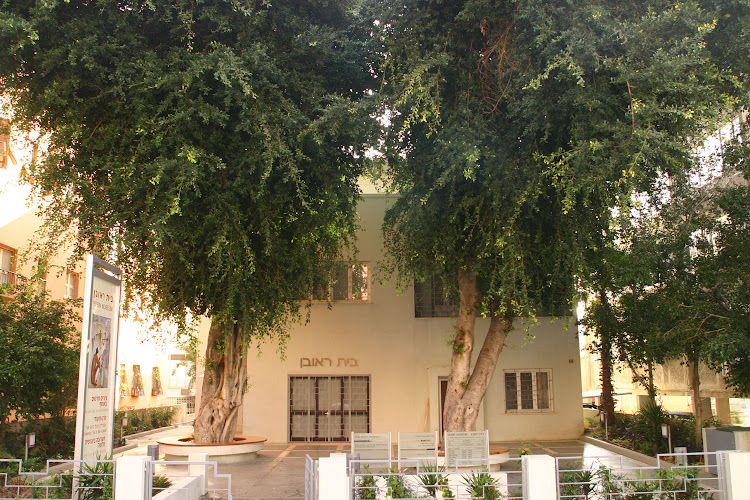
Rubin Museum
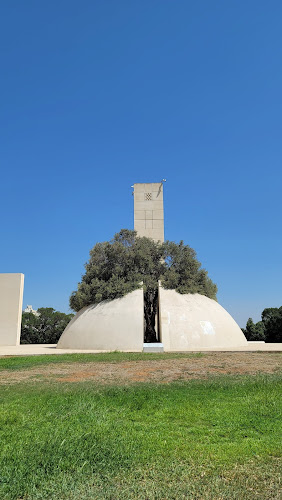
Edith Wolfson Park
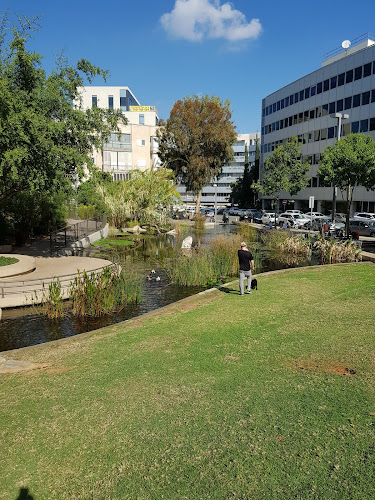
Kiryat Sefer Park
Find Accommodations Nearby
Recommended Tours & Activities
Visitor Reviews
There are no reviews yet. Be the first one to write one.
Share Your Experience
Have you visited HaKaktusim Garden? Help other travelers by leaving a review.