
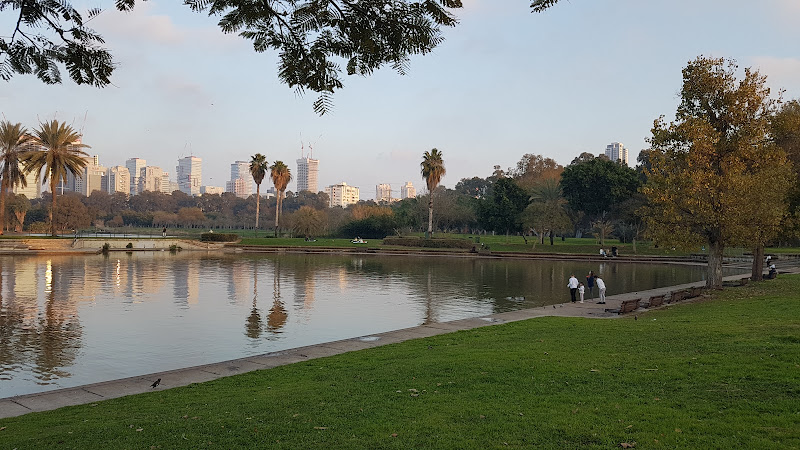
Sheva Tahanot
About Sheva Tahanot
Description
The Sheva Tahanot, which translates to "Seven Mills" in English, stands as one of those places where history literally seeps through the ground beneath your feet. Located within the sprawling expanse of Yarkon Park, this historical landmark showcases the remnants of centuries-old flour mills that once powered the local economy through the flowing waters of the Yarkon River. And honestly, there's something genuinely moving about walking through a place where people worked and lived generations ago, where the grinding stones still sit as silent witnesses to countless seasons of wheat and barley being transformed into flour. I remember my first visit there on a slightly overcast morning – the kind of day that makes historical sites feel even more atmospheric, you know? The mill ruins aren't your typical polished tourist attraction with everything roped off and sanitized. Instead, they maintain this authentic, weathered quality that speaks to their genuine age and purpose. The stone structures stand in various states of preservation, some with walls reaching toward the sky while others have crumbled to foundation level, creating an outdoor museum that feels refreshingly unforced. What makes Sheva Tahanot particularly special is how it blends historical significance with modern recreational space. The mills themselves date back several centuries, serving as crucial economic hubs for the surrounding communities. Water from the Yarkon River was channeled to turn massive grinding wheels, producing flour that fed entire villages. Today, while the mills no longer operate, their presence creates this unique atmosphere where you're simultaneously experiencing a park and a journey through time. The river still flows, birds still nest in the old stones, and families still gather near the water – just as they did hundreds of years ago, albeit for different reasons. The site doesn't overwhelm you with information plaques or guided tour requirements. It's the kind of place where exploration feels personal and self-directed. You can wander among the ruins, peer into the old structures, and let your imagination reconstruct how life might have been when these mills hummed with activity. The surrounding park area has grown up around the historical core, creating trails that weave through trees and open spaces, all while the ancient stones remain as anchoring points of reference.Key Features
- Seven distinct mill ruins dating back centuries, each with unique architectural characteristics and varying preservation states that tell different chapters of the site's long history
- Scenic riverside location along the Yarkon River that provided the water power for the mills and now offers beautiful natural scenery perfect for photography and contemplation
- Extensive trail network winding through and around the historical site, connecting to broader Yarkon Park pathways for extended walking or cycling adventures
- Designated picnic areas with tables strategically positioned near the mills and along the riverbank, making it ideal for combining cultural exploration with outdoor dining
- Full wheelchair accessibility including entrance points, parking facilities, and pathways allowing visitors of all mobility levels to experience the historical site
- Dedicated cycling lanes that connect Sheva Tahanot to other parts of Yarkon Park and the greater Tel Aviv cycling infrastructure
- Dog-friendly policies with specific dog park areas where four-legged companions can roam while their owners explore the historical landmarks
- Playground facilities for children, making it genuinely family-oriented rather than just adult-focused historical tourism
- Well-maintained public restrooms serving the needs of visitors spending extended time exploring the grounds
- Kid-friendly hiking options with relatively flat, manageable terrain suitable for young adventurers without sacrificing the authentic historical experience
Best Time to Visit
Timing your visit to Sheva Tahanot really depends on what kind of experience you're after. Spring months from March through May offer probably the most universally pleasant conditions. The weather sits in that perfect range where you're comfortable walking around for hours, the wildflowers add pops of color around the mill ruins, and the Yarkon River flows with renewed vigor from winter rains. Early mornings during these months are particularly magical – the light hits the old stones just right, and you'll likely have parts of the site to yourself before the day-trippers arrive. But here's the thing: summer visits have their own appeal despite the heat. If you go early morning or late afternoon, you avoid the worst of the midday sun, and the longer daylight hours give you flexibility in planning. Summer also brings more activity to the park overall, which some visitors actually prefer. There's something about seeing families picnicking near these ancient structures that creates a sense of continuity – people gathering near the mills just as communities did centuries ago. Autumn, specifically October and November, provides another excellent window. The temperatures moderate after summer's intensity, and the changing vegetation creates different visual textures around the historical site. Tourist crowds thin out slightly compared to spring, meaning more peaceful contemplation time among the ruins. Winter visits are honestly underrated. Yes, it might rain, and yes, some days get chilly. But Sheva Tahanot transforms under grey skies. The stones take on deeper colors when wet, the reduced visitor numbers create an almost private experience, and if you dress appropriately, winter hiking through the area feels adventurous rather than uncomfortable. Just check weather forecasts and avoid visiting during actual rainstorms when the trails can get muddy and slippery. Weekday visits versus weekend visits present another consideration. Weekends naturally attract more families, cyclists, and picnickers. The atmosphere becomes more social and lively, which works wonderfully if you're bringing kids or want that communal park experience. Weekdays, especially Tuesday through Thursday mornings, offer quieter exploration opportunities where the historical elements take center stage without competing with recreational activities.How to Get There
Reaching Sheva Tahanot is refreshingly straightforward, especially considering its location within a major metropolitan area. The site sits within Yarkon Park in Tel Aviv, making it accessible through multiple transportation methods depending on your starting point and preferences. For those using public transportation, several bus lines service Yarkon Park with stops within walking distance of Sheva Tahanot. The exact routes change periodically, so checking current schedules through Tel Aviv's public transit apps makes sense. Once you exit at a park-adjacent stop, clear signage and well-established pathways guide you toward the mill ruins. The walk from bus stops rarely exceeds ten or fifteen minutes. Cycling presents an excellent option given Tel Aviv's extensive bike lane network. The city's bike-share program stations dot the urban landscape, and dedicated cycling paths lead directly into Yarkon Park and toward Sheva Tahanot. This approach lets you combine your visit with broader exploration of the park's sprawling grounds. The cycling lanes within the park itself are well-maintained and clearly marked, making navigation simple even for first-time visitors. Driving works well too, particularly for families or groups. Parking facilities near Yarkon Park offer wheelchair-accessible spaces and reasonable rates. From the parking areas, it's a short walk or roll to the mill ruins. GPS navigation systems recognize Sheva Tahanot by name, though searching for "Yarkon Park" and then following internal park signage provides a reliable backup method. Walking to Sheva Tahanot from nearby Tel Aviv neighborhoods is absolutely feasible and actually quite pleasant. If you're staying in northern Tel Aviv areas, the walk takes you through interesting urban landscapes before transitioning into the park environment. It's that nice gradual shift from city to nature that makes urban parks so special. Once you're actually in Yarkon Park, finding Sheva Tahanot is intuitive. The park has decent signage in multiple languages, and the mill ruins themselves are distinctive enough that asking any regular park-goer will get you pointed in the right direction. Trail maps posted at various points throughout the park show Sheva Tahanot's location clearly.Tips for Visiting
Bring water and snacks even though public facilities exist at the site. While you'll find amenities, having your own supplies means you can extend your visit spontaneously without needing to leave for refreshments. This flexibility makes a real difference when you're deep into exploring and want to just sit by the river for a while longer. Wear proper walking shoes – this isn't really the place for sandals or flip-flops unless you plan to stay entirely on paved paths. The terrain around the mill ruins includes uneven ground, old stone surfaces, and natural trails where good footwear matters for both safety and comfort. I learned this the hard way during an early visit wearing completely inappropriate shoes and regretting it within twenty minutes. Photography enthusiasts should consider bringing proper camera equipment rather than relying solely on smartphones. The mill ruins offer tremendous compositional opportunities, and the play of light on centuries-old stone deserves better capture than phone cameras typically provide. That said, phone photos still turn out nicely, especially during golden hour lighting. If you're visiting with children, embrace the dual nature of the site rather than fighting it. Yes, it's historical, but it's also a park. Let kids be kids – they can run around the playground, explore (safely) near the ruins, and burn energy while you appreciate the cultural aspects. Trying to force a purely educational experience usually backfires with younger visitors. Dog owners should bring waste bags even though facilities exist, because running out is awkward. The dog-friendly policies make Sheva Tahanot wonderful for pet owners, but respecting those policies by cleaning up maintains the site's welcoming atmosphere for everyone. Plan for more time than you initially think you'll need. Most first-time visitors underestimate how much there is to explore once you factor in the mills themselves, the trails, riverside areas, and the broader park connection. Allocating at least two to three hours gives you proper breathing room to experience everything without rushing. Check for any cultural events or activities scheduled during your visit. Yarkon Park occasionally hosts programs near or around Sheva Tahanot that can enhance your experience, from guided historical walks to family-oriented activities. These aren't always heavily advertised online, so asking at information points or checking local event calendars helps. Visit during weekday mornings if you want the most contemplative, historically-focused experience. The contrast between crowded weekend visits and quiet Tuesday mornings is dramatic. Neither is better or worse necessarily, just different depending on what you're seeking. Respect the historical structures by not climbing on fragile sections or removing any stones or artifacts. This seems obvious, but preservation of these centuries-old sites depends on visitor responsibility. Take only photographs, leave only footprints, and all that. Consider combining your Sheva Tahanot visit with broader Yarkon Park exploration. The park extends considerably beyond the mill ruins, offering botanical gardens, sports facilities, and waterside areas. Making it a full day trip rather than a quick stopover creates better value and a more memorable experience overall.Key Features
- Remnants of historic mills and stone foundations
- Riverside setting within Yarkon Park with water channels and birdlife
- Shaded walking paths and picnic-friendly lawns
- Interpretive signage and historical context on site
- Close proximity to other Yarkon Park attractions and city transport
More Details
Updated January 18, 2026
Table of Contents
Description
The Sheva Tahanot, which translates to “Seven Mills” in English, stands as one of those places where history literally seeps through the ground beneath your feet. Located within the sprawling expanse of Yarkon Park, this historical landmark showcases the remnants of centuries-old flour mills that once powered the local economy through the flowing waters of the Yarkon River. And honestly, there’s something genuinely moving about walking through a place where people worked and lived generations ago, where the grinding stones still sit as silent witnesses to countless seasons of wheat and barley being transformed into flour.
I remember my first visit there on a slightly overcast morning – the kind of day that makes historical sites feel even more atmospheric, you know? The mill ruins aren’t your typical polished tourist attraction with everything roped off and sanitized. Instead, they maintain this authentic, weathered quality that speaks to their genuine age and purpose. The stone structures stand in various states of preservation, some with walls reaching toward the sky while others have crumbled to foundation level, creating an outdoor museum that feels refreshingly unforced.
What makes Sheva Tahanot particularly special is how it blends historical significance with modern recreational space. The mills themselves date back several centuries, serving as crucial economic hubs for the surrounding communities. Water from the Yarkon River was channeled to turn massive grinding wheels, producing flour that fed entire villages. Today, while the mills no longer operate, their presence creates this unique atmosphere where you’re simultaneously experiencing a park and a journey through time. The river still flows, birds still nest in the old stones, and families still gather near the water – just as they did hundreds of years ago, albeit for different reasons.
The site doesn’t overwhelm you with information plaques or guided tour requirements. It’s the kind of place where exploration feels personal and self-directed. You can wander among the ruins, peer into the old structures, and let your imagination reconstruct how life might have been when these mills hummed with activity. The surrounding park area has grown up around the historical core, creating trails that weave through trees and open spaces, all while the ancient stones remain as anchoring points of reference.
Key Features
- Seven distinct mill ruins dating back centuries, each with unique architectural characteristics and varying preservation states that tell different chapters of the site’s long history
- Scenic riverside location along the Yarkon River that provided the water power for the mills and now offers beautiful natural scenery perfect for photography and contemplation
- Extensive trail network winding through and around the historical site, connecting to broader Yarkon Park pathways for extended walking or cycling adventures
- Designated picnic areas with tables strategically positioned near the mills and along the riverbank, making it ideal for combining cultural exploration with outdoor dining
- Full wheelchair accessibility including entrance points, parking facilities, and pathways allowing visitors of all mobility levels to experience the historical site
- Dedicated cycling lanes that connect Sheva Tahanot to other parts of Yarkon Park and the greater Tel Aviv cycling infrastructure
- Dog-friendly policies with specific dog park areas where four-legged companions can roam while their owners explore the historical landmarks
- Playground facilities for children, making it genuinely family-oriented rather than just adult-focused historical tourism
- Well-maintained public restrooms serving the needs of visitors spending extended time exploring the grounds
- Kid-friendly hiking options with relatively flat, manageable terrain suitable for young adventurers without sacrificing the authentic historical experience
Best Time to Visit
Timing your visit to Sheva Tahanot really depends on what kind of experience you’re after. Spring months from March through May offer probably the most universally pleasant conditions. The weather sits in that perfect range where you’re comfortable walking around for hours, the wildflowers add pops of color around the mill ruins, and the Yarkon River flows with renewed vigor from winter rains. Early mornings during these months are particularly magical – the light hits the old stones just right, and you’ll likely have parts of the site to yourself before the day-trippers arrive.
But here’s the thing: summer visits have their own appeal despite the heat. If you go early morning or late afternoon, you avoid the worst of the midday sun, and the longer daylight hours give you flexibility in planning. Summer also brings more activity to the park overall, which some visitors actually prefer. There’s something about seeing families picnicking near these ancient structures that creates a sense of continuity – people gathering near the mills just as communities did centuries ago.
Autumn, specifically October and November, provides another excellent window. The temperatures moderate after summer’s intensity, and the changing vegetation creates different visual textures around the historical site. Tourist crowds thin out slightly compared to spring, meaning more peaceful contemplation time among the ruins.
Winter visits are honestly underrated. Yes, it might rain, and yes, some days get chilly. But Sheva Tahanot transforms under grey skies. The stones take on deeper colors when wet, the reduced visitor numbers create an almost private experience, and if you dress appropriately, winter hiking through the area feels adventurous rather than uncomfortable. Just check weather forecasts and avoid visiting during actual rainstorms when the trails can get muddy and slippery.
Weekday visits versus weekend visits present another consideration. Weekends naturally attract more families, cyclists, and picnickers. The atmosphere becomes more social and lively, which works wonderfully if you’re bringing kids or want that communal park experience. Weekdays, especially Tuesday through Thursday mornings, offer quieter exploration opportunities where the historical elements take center stage without competing with recreational activities.
How to Get There
Reaching Sheva Tahanot is refreshingly straightforward, especially considering its location within a major metropolitan area. The site sits within Yarkon Park in Tel Aviv, making it accessible through multiple transportation methods depending on your starting point and preferences.
For those using public transportation, several bus lines service Yarkon Park with stops within walking distance of Sheva Tahanot. The exact routes change periodically, so checking current schedules through Tel Aviv’s public transit apps makes sense. Once you exit at a park-adjacent stop, clear signage and well-established pathways guide you toward the mill ruins. The walk from bus stops rarely exceeds ten or fifteen minutes.
Cycling presents an excellent option given Tel Aviv’s extensive bike lane network. The city’s bike-share program stations dot the urban landscape, and dedicated cycling paths lead directly into Yarkon Park and toward Sheva Tahanot. This approach lets you combine your visit with broader exploration of the park’s sprawling grounds. The cycling lanes within the park itself are well-maintained and clearly marked, making navigation simple even for first-time visitors.
Driving works well too, particularly for families or groups. Parking facilities near Yarkon Park offer wheelchair-accessible spaces and reasonable rates. From the parking areas, it’s a short walk or roll to the mill ruins. GPS navigation systems recognize Sheva Tahanot by name, though searching for “Yarkon Park” and then following internal park signage provides a reliable backup method.
Walking to Sheva Tahanot from nearby Tel Aviv neighborhoods is absolutely feasible and actually quite pleasant. If you’re staying in northern Tel Aviv areas, the walk takes you through interesting urban landscapes before transitioning into the park environment. It’s that nice gradual shift from city to nature that makes urban parks so special.
Once you’re actually in Yarkon Park, finding Sheva Tahanot is intuitive. The park has decent signage in multiple languages, and the mill ruins themselves are distinctive enough that asking any regular park-goer will get you pointed in the right direction. Trail maps posted at various points throughout the park show Sheva Tahanot’s location clearly.
Tips for Visiting
Bring water and snacks even though public facilities exist at the site. While you’ll find amenities, having your own supplies means you can extend your visit spontaneously without needing to leave for refreshments. This flexibility makes a real difference when you’re deep into exploring and want to just sit by the river for a while longer.
Wear proper walking shoes – this isn’t really the place for sandals or flip-flops unless you plan to stay entirely on paved paths. The terrain around the mill ruins includes uneven ground, old stone surfaces, and natural trails where good footwear matters for both safety and comfort. I learned this the hard way during an early visit wearing completely inappropriate shoes and regretting it within twenty minutes.
Photography enthusiasts should consider bringing proper camera equipment rather than relying solely on smartphones. The mill ruins offer tremendous compositional opportunities, and the play of light on centuries-old stone deserves better capture than phone cameras typically provide. That said, phone photos still turn out nicely, especially during golden hour lighting.
If you’re visiting with children, embrace the dual nature of the site rather than fighting it. Yes, it’s historical, but it’s also a park. Let kids be kids – they can run around the playground, explore (safely) near the ruins, and burn energy while you appreciate the cultural aspects. Trying to force a purely educational experience usually backfires with younger visitors.
Dog owners should bring waste bags even though facilities exist, because running out is awkward. The dog-friendly policies make Sheva Tahanot wonderful for pet owners, but respecting those policies by cleaning up maintains the site’s welcoming atmosphere for everyone.
Plan for more time than you initially think you’ll need. Most first-time visitors underestimate how much there is to explore once you factor in the mills themselves, the trails, riverside areas, and the broader park connection. Allocating at least two to three hours gives you proper breathing room to experience everything without rushing.
Check for any cultural events or activities scheduled during your visit. Yarkon Park occasionally hosts programs near or around Sheva Tahanot that can enhance your experience, from guided historical walks to family-oriented activities. These aren’t always heavily advertised online, so asking at information points or checking local event calendars helps.
Visit during weekday mornings if you want the most contemplative, historically-focused experience. The contrast between crowded weekend visits and quiet Tuesday mornings is dramatic. Neither is better or worse necessarily, just different depending on what you’re seeking.
Respect the historical structures by not climbing on fragile sections or removing any stones or artifacts. This seems obvious, but preservation of these centuries-old sites depends on visitor responsibility. Take only photographs, leave only footprints, and all that.
Consider combining your Sheva Tahanot visit with broader Yarkon Park exploration. The park extends considerably beyond the mill ruins, offering botanical gardens, sports facilities, and waterside areas. Making it a full day trip rather than a quick stopover creates better value and a more memorable experience overall.
Key Highlights
- Remnants of historic mills and stone foundations
- Riverside setting within Yarkon Park with water channels and birdlife
- Shaded walking paths and picnic-friendly lawns
- Interpretive signage and historical context on site
- Close proximity to other Yarkon Park attractions and city transport
Location
Places to Stay Near Sheva Tahanot
Find and Book a Tour
Explore More Travel Guides
No reviews found! Be the first to review!
Traveler Reviews for Sheva Tahanot
There are no reviews yet. Be the first one to write one.
Have you visited Sheva Tahanot? Help other travelers by sharing your review.
Nearby Attractions
You Might Also Like
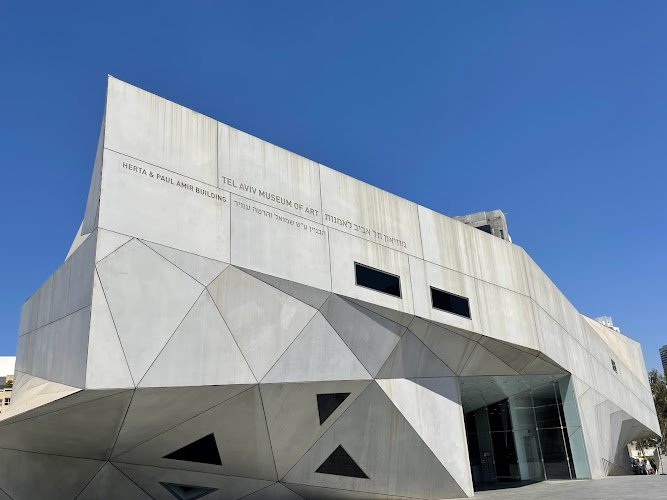
Tel Aviv Museum of Art
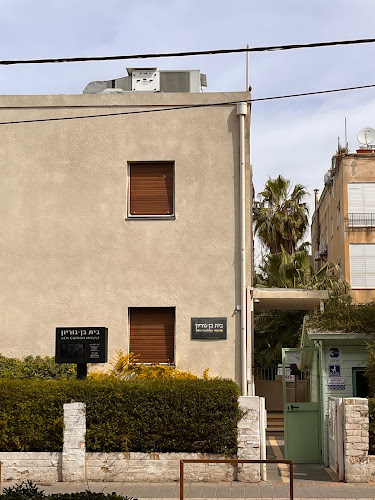
Ben-Gurion House

Park HaTachana
Find Accommodations Nearby
Recommended Tours & Activities
Visitor Reviews
There are no reviews yet. Be the first one to write one.
Share Your Experience
Have you visited Sheva Tahanot? Help other travelers by leaving a review.