
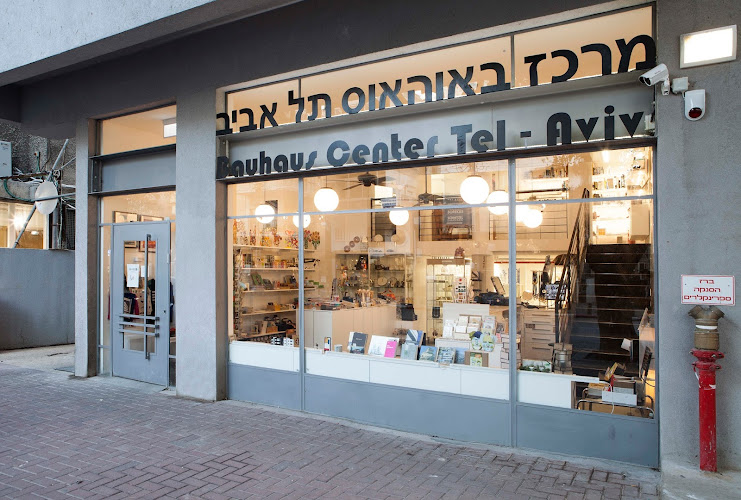
Bauhaus Center Tel Aviv
About Bauhaus Center Tel Aviv
Description
The Bauhaus Center Tel Aviv serves as both a guardian and interpreter of one of the city's most significant architectural legacies. Visitors stepping through its doors encounter a specialized institution wholly devoted to celebrating the functional beauty and revolutionary design principles that transformed Tel Aviv into what UNESCO recognized as the White City. The center operates as multiple things at once - part museum, part art gallery, part educational hub, and yes, even a well-curated souvenir store where you can actually find meaningful mementos instead of the typical tourist trinkets. What makes this place genuinely compelling is how it bridges past and present. Tel Aviv holds the world's largest collection of Bauhaus-style buildings, with over 4,000 structures dotting the cityscape. But here's the thing - most travelers walk right past these architectural gems without realizing what they're seeing. The Bauhaus Center changes that. It gives context to the geometric forms, flat roofs, and asymmetrical compositions you'll notice throughout the city once you know what you're looking for. The center itself doesn't occupy some grand building. It's modest, honestly, which somehow feels appropriate given Bauhaus principles of functionality over ostentation. What it lacks in size it makes up for in substance. The gallery spaces showcase rotating exhibitions of Bauhaus design, from furniture pieces that still look contemporary nearly a century later to photographs documenting the movement's influence on Israeli architecture. And the staff actually know their stuff - they're not just manning a desk, they're passionate about this specific design movement and its impact on their city.Key Features
- Guided architectural walking tours led by knowledgeable guides who can point out details you'd never notice on your own, like the thermometer windows designed for Mediterranean climate control
- Gallery exhibitions featuring original Bauhaus design pieces, historical photographs, and contemporary interpretations of the movement's principles
- Educational displays explaining how German-Jewish architects fleeing Europe in the 1930s brought Bauhaus ideology to Palestine and adapted it for a completely different climate and culture
- A thoughtfully selected shop offering architecture books, design objects, posters, and Bauhaus-inspired items that actually reflect the aesthetic rather than just slapping the word on random merchandise
- Wheelchair accessible entrance making the center inclusive for visitors with mobility considerations
- Free Wi-Fi available throughout, which honestly comes in handy when you want to look up specific buildings or architects mentioned during your visit
- Family-friendly environment where even kids who think architecture sounds boring might get intrigued by the geometric shapes and the stories of how buildings were designed to capture sea breezes before air conditioning existed
- Small enough to explore thoroughly in about an hour, though you could spend much longer if you really dig into the materials and conversations with staff
Best Time to Visit
The Bauhaus Center operates year-round, but timing your visit strategically makes a real difference in your experience. Morning visits, especially around opening time, offer quieter gallery spaces where you can actually read the exhibition materials without crowds pressing around you. I've found that arriving early also means you can chat with staff members who have more time to answer questions and share insights. If you're planning to join one of their guided walking tours - which I'd strongly recommend - booking for late morning works well. You'll tour the buildings when the light shows off their geometric forms beautifully, but before the midday Mediterranean sun becomes punishing. The tours typically last about two hours, so starting around 10 AM means you finish before the heat peaks. Seasonally, spring and autumn provide ideal conditions for exploring Tel Aviv's architectural landscape. March through May brings pleasant temperatures and clearer light that photographers especially appreciate. September through November offers similar advantages. Summer visits work fine for the indoor gallery portions, but walking tours can get uncomfortable during July and August when temperatures regularly exceed 30°C and humidity climbs. Winter months are actually underrated - December through February sees fewer tourists, staff have more availability for in-depth conversations, and the mild winter weather makes architectural exploration comfortable. Friday visits require planning since the center follows Israeli business hours and closes early for Shabbat. Saturday it's closed entirely. Sunday through Thursday you've got the most flexibility. And here's something worth knowing - visiting during the week rather than weekends means you're experiencing the Bauhaus buildings in their intended context, with residents actually living their daily lives in these architectural statements.How to Get There
The Bauhaus Center sits right on Dizengoff Street, one of Tel Aviv's main arteries, making it remarkably accessible by various transportation methods. The city's bus system connects to the area extensively - multiple lines stop within easy walking distance. If you're staying anywhere in central Tel Aviv, you're probably looking at a 15-20 minute walk maximum. For first-time visitors to Tel Aviv, taking the bus provides its own education in local life. Download the Moovit app before you arrive, as it'll give you real-time information about which buses to take and when they're arriving. The system works well once you figure it out, though buying a Rav-Kav card (Israel's transit card) saves hassle if you're planning multiple trips. Taxis and ride-sharing services like Gett work perfectly fine, though honestly you're paying for convenience rather than necessity given the center's central location. Just tell the driver "Bauhaus Center on Dizengoff" and they'll know it - the place has become enough of a landmark that you won't need to provide detailed directions. But walking might actually be your best bet, especially if you're already exploring central Tel Aviv. The city's compact layout makes it highly walkable, and approaching the Bauhaus Center on foot lets you start noticing the architectural elements before you even arrive. You'll pass countless examples of International Style and Bauhaus-influenced buildings along the way. Coming from Rothschild Boulevard? That's a lovely 15-minute walk. From the beach promenade? Maybe 20 minutes, and you'll cut through some of the city's most architecturally significant streets. Cycling represents another excellent option since Tel Aviv has embraced bike culture with dedicated lanes and a bike-sharing system called Tel-O-Fun. Stations are scattered throughout the city, including near the center.Tips for Visiting
Come prepared with questions. The staff at the Bauhaus Center genuinely know their subject matter, and they seem to appreciate visitors who want to engage beyond just browsing. Don't be shy about asking why certain buildings look the way they do or how the architects adapted European design principles for Middle Eastern conditions. Book a walking tour in advance rather than hoping to join one spontaneously. They do fill up, particularly during peak tourist seasons, and there's nothing more frustrating than showing up ready to explore only to find the next available tour is three days away. The tours cost extra beyond the center admission, but they're worth every shekel. You'll gain context that transforms how you see the entire city. Bring water, especially if you're doing a walking tour. This seems obvious but you'd be surprised how many people underestimate how much you need in Tel Aviv's climate. There's a cafe culture everywhere in this city, sure, but during the tour itself you'll want your own supply. Wear comfortable walking shoes with actual support. The tours cover significant ground, and Tel Aviv's sidewalks aren't always in pristine condition. Those cute sandals or fashion sneakers? Save them for dinner. You want proper footwear. Photography enthusiasts should bring appropriate gear, but also be mindful that many Bauhaus buildings are private residences. Photographing exteriors is fine, but respect people's privacy. The center can provide guidance on which buildings welcome photography and which prefer visitors keep it discreet. Consider combining your Bauhaus Center visit with exploration of nearby Dizengoff Street and the surrounding neighborhoods. You'll find cafes where Bauhaus architects once gathered, streets lined with buildings they designed, and a continuity between past and present that makes the experience more meaningful. If you're traveling with children, grab one of the family-oriented materials the center sometimes offers. They've made efforts to make modernist architecture accessible to younger visitors, though let's be honest - architecture museums aren't most kids' first choice. Frame it as a detective mission to spot specific building features around the city afterward. Don't skip the shop. I know, museum shops can feel like tourist traps, but this one actually curates items that reflect Bauhaus principles. The books selection includes titles you won't find elsewhere, and some of the design objects make genuinely thoughtful gifts for the architecture nerds in your life. Check their website before visiting for special exhibitions or events. The center hosts lectures, temporary shows, and special programs that might coincide with your visit. Some of the most memorable experiences come from stumbling into these planned events. Finally, use the Bauhaus Center as your launching point rather than your destination. Let it educate your eye, then spend time wandering Tel Aviv's streets applying what you've learned. The real magic happens when you start seeing the city through an informed lens, noticing how form follows function, how buildings respond to climate, how an entire urban landscape embodies specific design philosophy. That transformation from casual observer to informed appreciator - that's what makes visiting the Bauhaus Center genuinely worthwhile for travelers willing to engage beyond superficial sightseeing.Key Features
- Exhibitions on Tel Aviv’s Bauhaus/International Style architecture
- Archival photographs and historical documentation
- Guided walking tours of the White City
- Bookstore and design/souvenir shop with architecture-related items
- Central location on Dizengoff Street near Dizengoff Square
More Details
Updated January 18, 2026
Table of Contents
Description
The Bauhaus Center Tel Aviv serves as both a guardian and interpreter of one of the city’s most significant architectural legacies. Visitors stepping through its doors encounter a specialized institution wholly devoted to celebrating the functional beauty and revolutionary design principles that transformed Tel Aviv into what UNESCO recognized as the White City. The center operates as multiple things at once – part museum, part art gallery, part educational hub, and yes, even a well-curated souvenir store where you can actually find meaningful mementos instead of the typical tourist trinkets.
What makes this place genuinely compelling is how it bridges past and present. Tel Aviv holds the world’s largest collection of Bauhaus-style buildings, with over 4,000 structures dotting the cityscape. But here’s the thing – most travelers walk right past these architectural gems without realizing what they’re seeing. The Bauhaus Center changes that. It gives context to the geometric forms, flat roofs, and asymmetrical compositions you’ll notice throughout the city once you know what you’re looking for.
The center itself doesn’t occupy some grand building. It’s modest, honestly, which somehow feels appropriate given Bauhaus principles of functionality over ostentation. What it lacks in size it makes up for in substance. The gallery spaces showcase rotating exhibitions of Bauhaus design, from furniture pieces that still look contemporary nearly a century later to photographs documenting the movement’s influence on Israeli architecture. And the staff actually know their stuff – they’re not just manning a desk, they’re passionate about this specific design movement and its impact on their city.
Key Features
- Guided architectural walking tours led by knowledgeable guides who can point out details you’d never notice on your own, like the thermometer windows designed for Mediterranean climate control
- Gallery exhibitions featuring original Bauhaus design pieces, historical photographs, and contemporary interpretations of the movement’s principles
- Educational displays explaining how German-Jewish architects fleeing Europe in the 1930s brought Bauhaus ideology to Palestine and adapted it for a completely different climate and culture
- A thoughtfully selected shop offering architecture books, design objects, posters, and Bauhaus-inspired items that actually reflect the aesthetic rather than just slapping the word on random merchandise
- Wheelchair accessible entrance making the center inclusive for visitors with mobility considerations
- Free Wi-Fi available throughout, which honestly comes in handy when you want to look up specific buildings or architects mentioned during your visit
- Family-friendly environment where even kids who think architecture sounds boring might get intrigued by the geometric shapes and the stories of how buildings were designed to capture sea breezes before air conditioning existed
- Small enough to explore thoroughly in about an hour, though you could spend much longer if you really dig into the materials and conversations with staff
Best Time to Visit
The Bauhaus Center operates year-round, but timing your visit strategically makes a real difference in your experience. Morning visits, especially around opening time, offer quieter gallery spaces where you can actually read the exhibition materials without crowds pressing around you. I’ve found that arriving early also means you can chat with staff members who have more time to answer questions and share insights.
If you’re planning to join one of their guided walking tours – which I’d strongly recommend – booking for late morning works well. You’ll tour the buildings when the light shows off their geometric forms beautifully, but before the midday Mediterranean sun becomes punishing. The tours typically last about two hours, so starting around 10 AM means you finish before the heat peaks.
Seasonally, spring and autumn provide ideal conditions for exploring Tel Aviv’s architectural landscape. March through May brings pleasant temperatures and clearer light that photographers especially appreciate. September through November offers similar advantages. Summer visits work fine for the indoor gallery portions, but walking tours can get uncomfortable during July and August when temperatures regularly exceed 30°C and humidity climbs. Winter months are actually underrated – December through February sees fewer tourists, staff have more availability for in-depth conversations, and the mild winter weather makes architectural exploration comfortable.
Friday visits require planning since the center follows Israeli business hours and closes early for Shabbat. Saturday it’s closed entirely. Sunday through Thursday you’ve got the most flexibility. And here’s something worth knowing – visiting during the week rather than weekends means you’re experiencing the Bauhaus buildings in their intended context, with residents actually living their daily lives in these architectural statements.
How to Get There
The Bauhaus Center sits right on Dizengoff Street, one of Tel Aviv’s main arteries, making it remarkably accessible by various transportation methods. The city’s bus system connects to the area extensively – multiple lines stop within easy walking distance. If you’re staying anywhere in central Tel Aviv, you’re probably looking at a 15-20 minute walk maximum.
For first-time visitors to Tel Aviv, taking the bus provides its own education in local life. Download the Moovit app before you arrive, as it’ll give you real-time information about which buses to take and when they’re arriving. The system works well once you figure it out, though buying a Rav-Kav card (Israel’s transit card) saves hassle if you’re planning multiple trips.
Taxis and ride-sharing services like Gett work perfectly fine, though honestly you’re paying for convenience rather than necessity given the center’s central location. Just tell the driver “Bauhaus Center on Dizengoff” and they’ll know it – the place has become enough of a landmark that you won’t need to provide detailed directions.
But walking might actually be your best bet, especially if you’re already exploring central Tel Aviv. The city’s compact layout makes it highly walkable, and approaching the Bauhaus Center on foot lets you start noticing the architectural elements before you even arrive. You’ll pass countless examples of International Style and Bauhaus-influenced buildings along the way. Coming from Rothschild Boulevard? That’s a lovely 15-minute walk. From the beach promenade? Maybe 20 minutes, and you’ll cut through some of the city’s most architecturally significant streets.
Cycling represents another excellent option since Tel Aviv has embraced bike culture with dedicated lanes and a bike-sharing system called Tel-O-Fun. Stations are scattered throughout the city, including near the center.
Tips for Visiting
Come prepared with questions. The staff at the Bauhaus Center genuinely know their subject matter, and they seem to appreciate visitors who want to engage beyond just browsing. Don’t be shy about asking why certain buildings look the way they do or how the architects adapted European design principles for Middle Eastern conditions.
Book a walking tour in advance rather than hoping to join one spontaneously. They do fill up, particularly during peak tourist seasons, and there’s nothing more frustrating than showing up ready to explore only to find the next available tour is three days away. The tours cost extra beyond the center admission, but they’re worth every shekel. You’ll gain context that transforms how you see the entire city.
Bring water, especially if you’re doing a walking tour. This seems obvious but you’d be surprised how many people underestimate how much you need in Tel Aviv’s climate. There’s a cafe culture everywhere in this city, sure, but during the tour itself you’ll want your own supply.
Wear comfortable walking shoes with actual support. The tours cover significant ground, and Tel Aviv’s sidewalks aren’t always in pristine condition. Those cute sandals or fashion sneakers? Save them for dinner. You want proper footwear.
Photography enthusiasts should bring appropriate gear, but also be mindful that many Bauhaus buildings are private residences. Photographing exteriors is fine, but respect people’s privacy. The center can provide guidance on which buildings welcome photography and which prefer visitors keep it discreet.
Consider combining your Bauhaus Center visit with exploration of nearby Dizengoff Street and the surrounding neighborhoods. You’ll find cafes where Bauhaus architects once gathered, streets lined with buildings they designed, and a continuity between past and present that makes the experience more meaningful.
If you’re traveling with children, grab one of the family-oriented materials the center sometimes offers. They’ve made efforts to make modernist architecture accessible to younger visitors, though let’s be honest – architecture museums aren’t most kids’ first choice. Frame it as a detective mission to spot specific building features around the city afterward.
Don’t skip the shop. I know, museum shops can feel like tourist traps, but this one actually curates items that reflect Bauhaus principles. The books selection includes titles you won’t find elsewhere, and some of the design objects make genuinely thoughtful gifts for the architecture nerds in your life.
Check their website before visiting for special exhibitions or events. The center hosts lectures, temporary shows, and special programs that might coincide with your visit. Some of the most memorable experiences come from stumbling into these planned events.
Finally, use the Bauhaus Center as your launching point rather than your destination. Let it educate your eye, then spend time wandering Tel Aviv’s streets applying what you’ve learned. The real magic happens when you start seeing the city through an informed lens, noticing how form follows function, how buildings respond to climate, how an entire urban landscape embodies specific design philosophy. That transformation from casual observer to informed appreciator – that’s what makes visiting the Bauhaus Center genuinely worthwhile for travelers willing to engage beyond superficial sightseeing.
Key Highlights
- Exhibitions on Tel Aviv’s Bauhaus/International Style architecture
- Archival photographs and historical documentation
- Guided walking tours of the White City
- Bookstore and design/souvenir shop with architecture-related items
- Central location on Dizengoff Street near Dizengoff Square
Location
Places to Stay Near Bauhaus Center Tel Aviv
Find and Book a Tour
Explore More Travel Guides
No reviews found! Be the first to review!
Traveler Reviews for Bauhaus Center Tel Aviv
There are no reviews yet. Be the first one to write one.
Have you visited Bauhaus Center Tel Aviv? Help other travelers by sharing your review.
Nearby Attractions
You Might Also Like

Kikar Levana

Luna Park
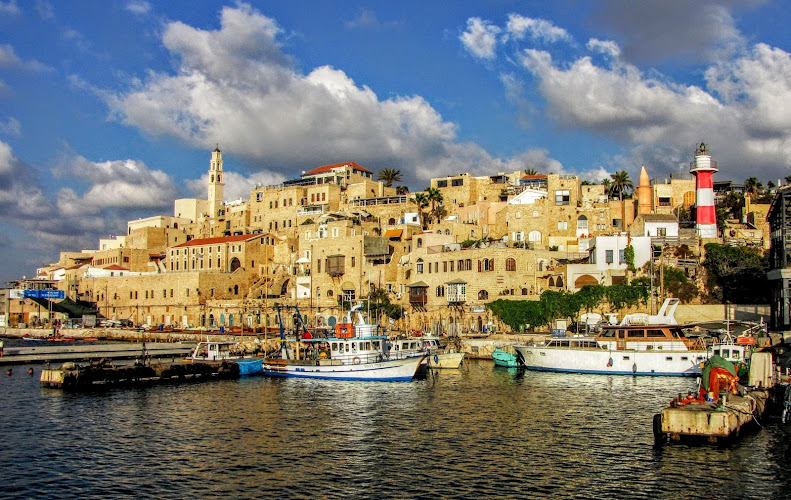
נמל יפו
Find Accommodations Nearby
Recommended Tours & Activities
Visitor Reviews
There are no reviews yet. Be the first one to write one.
Share Your Experience
Have you visited Bauhaus Center Tel Aviv? Help other travelers by leaving a review.