
Sumiyoshi Taisha
About Sumiyoshi Taisha
Description
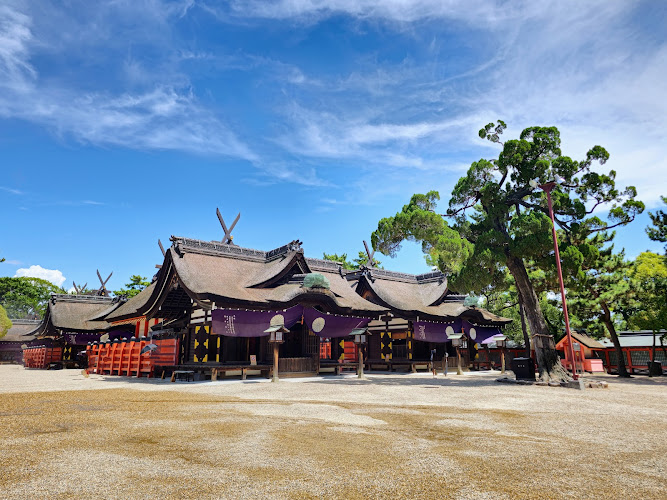
Sumiyoshi Taisha is one of those places in Osaka that feels like it’s been quietly watching over the city for centuries. And in fact, it has – this Shinto shrine dates back to the 3rd century, making it one of the oldest shrines in Japan. Even though the buildings have been rebuilt many times over the years, the spirit of the place hasn’t changed. Walking through the grounds, you’ll notice the distinctive Sumiyoshi-zukuri style architecture, which is actually older than the influence of Buddhism in Japan. It’s simple, clean, and striking in its own way.
The shrine isn’t just about the buildings though. There’s a calm garden where you can take a breather from Osaka’s busy streets, and the iconic Sorihashi Bridge – that steeply arched red bridge you might’ve seen in photos – is one of the most photographed spots here. It’s a little dramatic to cross, but that’s part of the fun. The shrine is still very much active, so you’ll see locals coming to pray, families doing Shinto rituals, and maybe even a wedding procession if you’re lucky.
Now, to be fair, not every visitor is blown away. Some people find it less flashy compared to Kyoto’s temples, and if you’re expecting something grand and over-the-top, you might walk away thinking it’s “nice, but not mind-blowing.” But for many others, the charm lies in its authenticity and history. Personally, I think it’s the kind of place that grows on you the longer you linger. It’s not about rushing through – it’s about slowing down and letting the atmosphere sink in.
Key Features
- Distinctive Sumiyoshi-zukuri architecture, predating Buddhist influence
- The famous Sorihashi Bridge (also called Taiko Bridge), with its steep red arch
- Peaceful gardens and shaded walking paths perfect for a quiet stroll
- Stone rabbit carvings symbolizing the shrine’s founding year of the rabbit
- Four main shrine buildings, each dedicated to different deities
- Seasonal festivals, including New Year celebrations drawing huge crowds
- Wheelchair accessible entrances, paths, and restrooms for easier access
Best Time to Visit
If you’re after a quiet experience, weekdays in the morning are the sweet spot. The shrine feels almost meditative when the crowds haven’t arrived yet. On the flip side, visiting during festivals like Hatsumode (New Year’s visit) or the Sumiyoshi Matsuri in summer is a whole different experience – lively, packed, and full of energy. I once went during New Year and, yes, it was shoulder-to-shoulder busy, but the atmosphere was electric.
Spring is lovely with cherry blossoms framing the bridge, while autumn gives you those crisp days and warm colors that make the shrine’s red accents pop even more. Osaka summers are hot and sticky, but if you don’t mind the heat, the matsuri season is something you won’t forget.
How to Get There
Getting to Sumiyoshi Taisha is surprisingly easy. If you’re already in Osaka, you can hop on the Nankai Main Line and get off at Sumiyoshi Taisha Station – it’s just a short walk from there. Another option is the Hankai Tramway, which is actually kind of fun because it feels like stepping back in time. The tram drops you off right near the entrance, and honestly, it adds to the charm of the visit. You don’t really need a car; public transport is the way to go.
Tips for Visiting
First off, take your time. This isn’t the kind of place you rush through with a checklist. Walk slowly, cross the Sorihashi Bridge (even if it feels a bit steep), and don’t skip the smaller details like the rabbit carvings or the purification basin. If you’re into photography, early morning light gives the bridge and shrine buildings a soft glow that’s hard to beat.
Wear comfortable shoes because you’ll be walking a fair bit, and if you’re visiting in summer, bring water – Osaka’s humidity can sneak up on you. Also, remember this is an active place of worship, so be respectful. Don’t block paths for long photo sessions, and follow the cleansing rituals if you want to participate.
Personally, I’d say bring a small coin purse with 5-yen coins. There’s something satisfying about tossing one in for a wish, and it’s a little ritual that connects you with everyone who’s done the same for centuries. And if you’re traveling with kids, they’ll probably get a kick out of the bridge and spotting the rabbit motifs around the grounds.
Finally, don’t just rush back into the city afterward. The surrounding area has a slower pace compared to central Osaka, so grab a snack at a local shop or take a short tram ride to explore nearby neighborhoods. It makes the whole trip feel less like a tourist stop and more like a day well spent.
Key Features
- Distinctive Sumiyoshi-zukuri architecture, predating Buddhist influence
- The famous Sorihashi Bridge (also called Taiko Bridge), with its steep red arch
- Peaceful gardens and shaded walking paths perfect for a quiet stroll
- Stone rabbit carvings symbolizing the shrine’s founding year of the rabbit
- Four main shrine buildings, each dedicated to different deities
- Seasonal festivals, including New Year celebrations drawing huge crowds
- Wheelchair accessible entrances, paths, and restrooms for easier access
More Details
Updated September 23, 2025
Table of Contents
Description
Sumiyoshi Taisha is one of those places in Osaka that feels like it’s been quietly watching over the city for centuries. And in fact, it has – this Shinto shrine dates back to the 3rd century, making it one of the oldest shrines in Japan. Even though the buildings have been rebuilt many times over the years, the spirit of the place hasn’t changed. Walking through the grounds, you’ll notice the distinctive Sumiyoshi-zukuri style architecture, which is actually older than the influence of Buddhism in Japan. It’s simple, clean, and striking in its own way.
The shrine isn’t just about the buildings though. There’s a calm garden where you can take a breather from Osaka’s busy streets, and the iconic Sorihashi Bridge – that steeply arched red bridge you might’ve seen in photos – is one of the most photographed spots here. It’s a little dramatic to cross, but that’s part of the fun. The shrine is still very much active, so you’ll see locals coming to pray, families doing Shinto rituals, and maybe even a wedding procession if you’re lucky.
Now, to be fair, not every visitor is blown away. Some people find it less flashy compared to Kyoto’s temples, and if you’re expecting something grand and over-the-top, you might walk away thinking it’s “nice, but not mind-blowing.” But for many others, the charm lies in its authenticity and history. Personally, I think it’s the kind of place that grows on you the longer you linger. It’s not about rushing through – it’s about slowing down and letting the atmosphere sink in.
Key Features
- Distinctive Sumiyoshi-zukuri architecture, predating Buddhist influence
- The famous Sorihashi Bridge (also called Taiko Bridge), with its steep red arch
- Peaceful gardens and shaded walking paths perfect for a quiet stroll
- Stone rabbit carvings symbolizing the shrine’s founding year of the rabbit
- Four main shrine buildings, each dedicated to different deities
- Seasonal festivals, including New Year celebrations drawing huge crowds
- Wheelchair accessible entrances, paths, and restrooms for easier access
Best Time to Visit
If you’re after a quiet experience, weekdays in the morning are the sweet spot. The shrine feels almost meditative when the crowds haven’t arrived yet. On the flip side, visiting during festivals like Hatsumode (New Year’s visit) or the Sumiyoshi Matsuri in summer is a whole different experience – lively, packed, and full of energy. I once went during New Year and, yes, it was shoulder-to-shoulder busy, but the atmosphere was electric.
Spring is lovely with cherry blossoms framing the bridge, while autumn gives you those crisp days and warm colors that make the shrine’s red accents pop even more. Osaka summers are hot and sticky, but if you don’t mind the heat, the matsuri season is something you won’t forget.
How to Get There
Getting to Sumiyoshi Taisha is surprisingly easy. If you’re already in Osaka, you can hop on the Nankai Main Line and get off at Sumiyoshi Taisha Station – it’s just a short walk from there. Another option is the Hankai Tramway, which is actually kind of fun because it feels like stepping back in time. The tram drops you off right near the entrance, and honestly, it adds to the charm of the visit. You don’t really need a car; public transport is the way to go.
Tips for Visiting
First off, take your time. This isn’t the kind of place you rush through with a checklist. Walk slowly, cross the Sorihashi Bridge (even if it feels a bit steep), and don’t skip the smaller details like the rabbit carvings or the purification basin. If you’re into photography, early morning light gives the bridge and shrine buildings a soft glow that’s hard to beat.
Wear comfortable shoes because you’ll be walking a fair bit, and if you’re visiting in summer, bring water – Osaka’s humidity can sneak up on you. Also, remember this is an active place of worship, so be respectful. Don’t block paths for long photo sessions, and follow the cleansing rituals if you want to participate.
Personally, I’d say bring a small coin purse with 5-yen coins. There’s something satisfying about tossing one in for a wish, and it’s a little ritual that connects you with everyone who’s done the same for centuries. And if you’re traveling with kids, they’ll probably get a kick out of the bridge and spotting the rabbit motifs around the grounds.
Finally, don’t just rush back into the city afterward. The surrounding area has a slower pace compared to central Osaka, so grab a snack at a local shop or take a short tram ride to explore nearby neighborhoods. It makes the whole trip feel less like a tourist stop and more like a day well spent.
Key Highlights
- Distinctive Sumiyoshi-zukuri architecture, predating Buddhist influence
- The famous Sorihashi Bridge (also called Taiko Bridge), with its steep red arch
- Peaceful gardens and shaded walking paths perfect for a quiet stroll
- Stone rabbit carvings symbolizing the shrine’s founding year of the rabbit
- Four main shrine buildings, each dedicated to different deities
- Seasonal festivals, including New Year celebrations drawing huge crowds
- Wheelchair accessible entrances, paths, and restrooms for easier access
Location
Places to Stay Near Sumiyoshi Taisha
Find and Book a Tour
Explore More Travel Guides
No reviews found! Be the first to review!
Traveler Reviews for Sumiyoshi Taisha
There are no reviews yet. Be the first one to write one.
Have you visited Sumiyoshi Taisha? Help other travelers by sharing your review.
You Might Also Like
Hozen-ji Temple
ほたるまち

Kaiyukan Hall
Find Accommodations Nearby
Recommended Tours & Activities
Visitor Reviews
There are no reviews yet. Be the first one to write one.
Share Your Experience
Have you visited Sumiyoshi Taisha? Help other travelers by leaving a review.