ほたるまち
About ほたるまち
Description
Hotarumachi stands as one of Osaka's most intriguing modern developments, rising from what was once the former Osaka University Hospital grounds along the scenic Dojima River. This contemporary mixed-use complex opened in 2008 as part of the ambitious "Suito OSAKA α Project," transforming a forgotten piece of medical history into a sleek urban oasis that somehow manages to feel both cosmopolitan and surprisingly peaceful.
What makes Hotarumachi particularly fascinating is how it defies the typical Japanese approach to urban development. Instead of cramming every available square meter with concrete, the designers created breathing room – actual space where you can walk along the river without feeling like you're in a concrete maze. The 21,000 square meter site houses everything from luxury high-rise residential towers to the headquarters of Asahi Broadcasting Corporation, but it's the thoughtful integration with the waterfront that really sets this place apart.
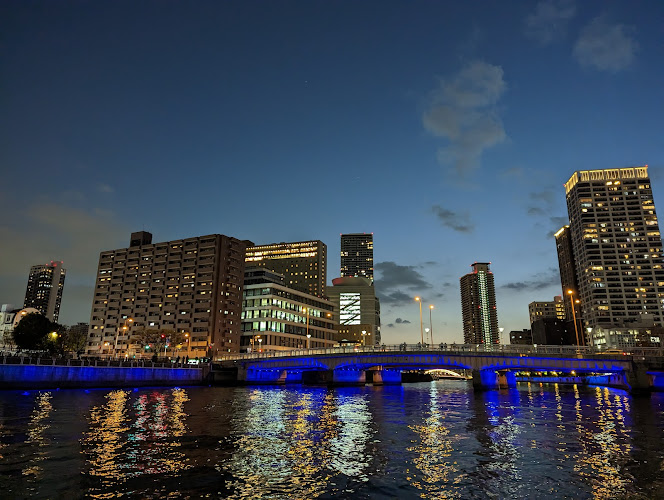
And honestly, the nighttime illumination here is something else entirely. When the sun goes down, Hotarumachi transforms into what locals have dubbed one of the "new faces of Suito Osaka." The lighting design reflects off the Dojima River in ways that make even jaded Osakans stop and pull out their phones. It's become quite the Instagram darling, though thankfully it hasn't reached the overcrowded status of some other photogenic spots in the city.
The complex serves multiple purposes throughout the day – office workers grab coffee and lunch, residents walk their dogs along the riverside paths, and tourists discover one of Osaka's lesser-known architectural achievements. But what really makes Hotarumachi work is its accessibility and the fact that it doesn't feel like a tourist trap. It's a genuine piece of contemporary Osaka life that visitors can experience authentically.
Key Features
Hotarumachi offers several distinctive elements that make it worth including in your Osaka itinerary:
- Riverside Promenade – The waterfront walkway provides unobstructed views of the Dojima River and connects to the broader Nakanoshima area, making it perfect for extended walks along Osaka's waterways.
- Asahi Broadcasting Corporation Headquarters – The distinctive tower serves as a landmark and occasionally offers glimpses of Japan's broadcasting industry in action.
- ABC Hall and Dojima River Forum – These performance venues host everything from corporate events to cultural performances, adding an unexpected arts component to the business district atmosphere.
- Architectural Photography Opportunities – The contrast between sleek modern towers and traditional Osaka streetscapes creates compelling visual compositions, particularly during the golden hour.
- Wheelchair Accessibility – The entire complex was designed with universal access in mind, featuring barrier-free entrances and pathways throughout the development.
- Integrated Shopping and Dining – Rather than segregated commercial floors, restaurants and cafes blend seamlessly into the ground-level streetscape, creating a more natural urban environment.
- Strategic Location – Positioned between central Osaka and the Umeda district, Hotarumachi serves as an excellent base for exploring multiple neighborhoods on foot.
Best Time to Visit
The timing of your Hotarumachi visit can dramatically affect your experience, and there are several factors worth considering beyond just weather patterns.
Evening hours, particularly between 6 PM and 9 PM, showcase Hotarumachi at its most spectacular. The illumination system activates as natural light fades, creating those mirror-like reflections on the Dojima River that make the area famous among photography enthusiasts. But here's something most guidebooks won't tell you – the lighting looks completely different depending on the water level and weather conditions. After light rain, when the air is clear but the surfaces are still reflective, the entire complex takes on an almost ethereal quality.
Weekday mornings around 8 AM to 10 AM offer a completely different but equally compelling experience. You'll witness the complex come alive as office workers stream in, coffee shops open their doors, and the business district energy builds. It's authentically Japanese urban life without the tourist crowds, and the morning light hitting the towers creates some stunning architectural photography opportunities.
Seasonally, spring cherry blossom season brings unexpected beauty to the riverside areas, though don't expect the dense sakura displays you'll find in traditional parks. The scattered trees along the promenade provide subtle seasonal color that complements rather than dominates the modern architecture. Summer evenings are particularly popular with locals, who use the riverside paths for jogging and evening walks when the concrete jungle finally starts to cool down.
Winter visits have their own charm – the bare trees don't obstruct views of the illuminated buildings, and the crisp air makes the lighting appear more vivid. Plus, the heated indoor spaces of the shopping areas provide welcome respite from Osaka's surprisingly chilly winters.
Avoid major Japanese holidays if you're hoping to experience the business district atmosphere, as many of the office buildings and some restaurants will be closed. However, these quieter periods do offer unobstructed photography opportunities and peaceful riverside walks.
How to Get There
Getting to Hotarumachi requires a bit more navigation than some of Osaka's major tourist attractions, but that's partly what keeps it from being overrun with crowds. The location in Fukushima Ward puts you within walking distance of several transportation options, though none deposit you directly at the front door.
The most straightforward route involves taking the JR Tozai Line to Shin-Fukushima Station, then walking approximately 8 minutes south toward the Dojima River. This walk takes you through some interesting local neighborhoods where you'll see how regular Osakans actually live, which can be just as valuable as the destination itself. The signage isn't always in English, but smartphone maps work perfectly in this area.
Alternatively, Fukushima Station on the JR Osaka Loop Line puts you about 10 minutes away on foot. This route involves a slightly longer walk but takes you past some excellent local restaurants and shops that aren't mentioned in most tourist guides. And frankly, discovering these neighborhood gems often ends up being the highlight of many visitors' experiences.
From the Keihan Main Line, Watanabebashi Station requires about a 12-minute walk, but this approach gives you the best first impression of Hotarumachi as you approach from the east along the riverside path. You'll see the complex gradually reveal itself as you walk, which creates a much more dramatic arrival than simply emerging from an underground station.
Taxi drivers generally know Hotarumachi by name, particularly if you mention "Asahi Broadcasting" or "ABC," which helps overcome any language barriers. The ride from Osaka Station takes about 10 minutes depending on traffic, though rush hour can extend this significantly.
For those staying in the Umeda area, the walk to Hotarumachi takes roughly 15-20 minutes and follows pleasant urban paths that showcase different facets of Osaka's architecture and street life. It's an easy walk for most fitness levels and provides good context for understanding how Hotarumachi fits into Osaka's broader urban landscape.
Tips for Visiting
Making the most of your Hotarumachi experience requires some insider knowledge that you won't find in standard tourist resources. After spending considerable time exploring this area, here are the practical insights that can enhance your visit significantly.
Photography enthusiasts should bring a tripod for evening visits, as the low-light river reflections require longer exposures to capture properly. But be aware that some of the commercial buildings have restrictions on professional photography equipment, so keep setups modest and respectful. The best vantage points aren't always obvious – try the elevated walkways and bridge approaches for unique angles that showcase the relationship between the modern complex and traditional Osaka neighborhoods.
The dining scene here operates on Japanese business schedules, meaning many restaurants close between lunch and dinner service around 3 PM to 5 PM. Plan accordingly, or use these quieter afternoon hours for exploration and photography when crowds are minimal. Several cafes remain open throughout the day, but selection becomes limited during off-peak hours.
Comfortable walking shoes are essential, as the complex rewards exploration and the surrounding area connects to extensive riverside walking paths. The surfaces are modern and well-maintained, but you'll likely end up walking more than initially planned as you discover additional viewpoints and connected areas.
Language considerations matter here more than at major tourist attractions. While basic English signage exists, detailed information about events, restaurant menus, and building directories remain primarily in Japanese. Translation apps work well, but having key phrases or location names saved on your phone helps with navigation.
Weather contingencies should factor into your planning. The riverside location means wind can be stronger than expected, particularly during winter months. The modern architecture provides limited shelter during sudden rain showers, though covered shopping areas offer refuge when needed. Summer heat reflects off the buildings and concrete, making early morning or evening visits more comfortable.
Parking is available but expensive and fills quickly during business hours. Public transportation really is the most practical approach unless you're staying in the immediate area. The complex integrates well with walking and cycling, with secure bike parking available near major entrances.
Finally, remember that Hotarumachi functions as a working business district first and tourist attraction second. Respect office building protocols, keep noise levels appropriate during business hours, and be mindful that many visitors are residents going about their daily routines rather than fellow tourists. This consideration helps preserve the authentic urban atmosphere that makes Hotarumachi special in the first place.
Key Features
- Mixed-use development combining residential tower(s), commercial mall, offices and medical facilities
- Scenic Dojima River promenade with evening illumination
- Easily walkable layout connecting to nearby transport (JR, Hanshin, metro lines)
- Varied dining options from casual cafes to izakaya and restaurants
- Community-focused facilities including gym, supermarket and clinic services
More Details
Updated September 14, 2025
Table of Contents
Description
Hotarumachi stands as one of Osaka’s most intriguing modern developments, rising from what was once the former Osaka University Hospital grounds along the scenic Dojima River. This contemporary mixed-use complex opened in 2008 as part of the ambitious “Suito OSAKA α Project,” transforming a forgotten piece of medical history into a sleek urban oasis that somehow manages to feel both cosmopolitan and surprisingly peaceful.
What makes Hotarumachi particularly fascinating is how it defies the typical Japanese approach to urban development. Instead of cramming every available square meter with concrete, the designers created breathing room – actual space where you can walk along the river without feeling like you’re in a concrete maze. The 21,000 square meter site houses everything from luxury high-rise residential towers to the headquarters of Asahi Broadcasting Corporation, but it’s the thoughtful integration with the waterfront that really sets this place apart.
And honestly, the nighttime illumination here is something else entirely. When the sun goes down, Hotarumachi transforms into what locals have dubbed one of the “new faces of Suito Osaka.” The lighting design reflects off the Dojima River in ways that make even jaded Osakans stop and pull out their phones. It’s become quite the Instagram darling, though thankfully it hasn’t reached the overcrowded status of some other photogenic spots in the city.
The complex serves multiple purposes throughout the day – office workers grab coffee and lunch, residents walk their dogs along the riverside paths, and tourists discover one of Osaka’s lesser-known architectural achievements. But what really makes Hotarumachi work is its accessibility and the fact that it doesn’t feel like a tourist trap. It’s a genuine piece of contemporary Osaka life that visitors can experience authentically.
Key Features
Hotarumachi offers several distinctive elements that make it worth including in your Osaka itinerary:
- Riverside Promenade – The waterfront walkway provides unobstructed views of the Dojima River and connects to the broader Nakanoshima area, making it perfect for extended walks along Osaka’s waterways.
- Asahi Broadcasting Corporation Headquarters – The distinctive tower serves as a landmark and occasionally offers glimpses of Japan’s broadcasting industry in action.
- ABC Hall and Dojima River Forum – These performance venues host everything from corporate events to cultural performances, adding an unexpected arts component to the business district atmosphere.
- Architectural Photography Opportunities – The contrast between sleek modern towers and traditional Osaka streetscapes creates compelling visual compositions, particularly during the golden hour.
- Wheelchair Accessibility – The entire complex was designed with universal access in mind, featuring barrier-free entrances and pathways throughout the development.
- Integrated Shopping and Dining – Rather than segregated commercial floors, restaurants and cafes blend seamlessly into the ground-level streetscape, creating a more natural urban environment.
- Strategic Location – Positioned between central Osaka and the Umeda district, Hotarumachi serves as an excellent base for exploring multiple neighborhoods on foot.
Best Time to Visit
The timing of your Hotarumachi visit can dramatically affect your experience, and there are several factors worth considering beyond just weather patterns.
Evening hours, particularly between 6 PM and 9 PM, showcase Hotarumachi at its most spectacular. The illumination system activates as natural light fades, creating those mirror-like reflections on the Dojima River that make the area famous among photography enthusiasts. But here’s something most guidebooks won’t tell you – the lighting looks completely different depending on the water level and weather conditions. After light rain, when the air is clear but the surfaces are still reflective, the entire complex takes on an almost ethereal quality.
Weekday mornings around 8 AM to 10 AM offer a completely different but equally compelling experience. You’ll witness the complex come alive as office workers stream in, coffee shops open their doors, and the business district energy builds. It’s authentically Japanese urban life without the tourist crowds, and the morning light hitting the towers creates some stunning architectural photography opportunities.
Seasonally, spring cherry blossom season brings unexpected beauty to the riverside areas, though don’t expect the dense sakura displays you’ll find in traditional parks. The scattered trees along the promenade provide subtle seasonal color that complements rather than dominates the modern architecture. Summer evenings are particularly popular with locals, who use the riverside paths for jogging and evening walks when the concrete jungle finally starts to cool down.
Winter visits have their own charm – the bare trees don’t obstruct views of the illuminated buildings, and the crisp air makes the lighting appear more vivid. Plus, the heated indoor spaces of the shopping areas provide welcome respite from Osaka’s surprisingly chilly winters.
Avoid major Japanese holidays if you’re hoping to experience the business district atmosphere, as many of the office buildings and some restaurants will be closed. However, these quieter periods do offer unobstructed photography opportunities and peaceful riverside walks.
How to Get There
Getting to Hotarumachi requires a bit more navigation than some of Osaka’s major tourist attractions, but that’s partly what keeps it from being overrun with crowds. The location in Fukushima Ward puts you within walking distance of several transportation options, though none deposit you directly at the front door.
The most straightforward route involves taking the JR Tozai Line to Shin-Fukushima Station, then walking approximately 8 minutes south toward the Dojima River. This walk takes you through some interesting local neighborhoods where you’ll see how regular Osakans actually live, which can be just as valuable as the destination itself. The signage isn’t always in English, but smartphone maps work perfectly in this area.
Alternatively, Fukushima Station on the JR Osaka Loop Line puts you about 10 minutes away on foot. This route involves a slightly longer walk but takes you past some excellent local restaurants and shops that aren’t mentioned in most tourist guides. And frankly, discovering these neighborhood gems often ends up being the highlight of many visitors’ experiences.
From the Keihan Main Line, Watanabebashi Station requires about a 12-minute walk, but this approach gives you the best first impression of Hotarumachi as you approach from the east along the riverside path. You’ll see the complex gradually reveal itself as you walk, which creates a much more dramatic arrival than simply emerging from an underground station.
Taxi drivers generally know Hotarumachi by name, particularly if you mention “Asahi Broadcasting” or “ABC,” which helps overcome any language barriers. The ride from Osaka Station takes about 10 minutes depending on traffic, though rush hour can extend this significantly.
For those staying in the Umeda area, the walk to Hotarumachi takes roughly 15-20 minutes and follows pleasant urban paths that showcase different facets of Osaka’s architecture and street life. It’s an easy walk for most fitness levels and provides good context for understanding how Hotarumachi fits into Osaka’s broader urban landscape.
Tips for Visiting
Making the most of your Hotarumachi experience requires some insider knowledge that you won’t find in standard tourist resources. After spending considerable time exploring this area, here are the practical insights that can enhance your visit significantly.
Photography enthusiasts should bring a tripod for evening visits, as the low-light river reflections require longer exposures to capture properly. But be aware that some of the commercial buildings have restrictions on professional photography equipment, so keep setups modest and respectful. The best vantage points aren’t always obvious – try the elevated walkways and bridge approaches for unique angles that showcase the relationship between the modern complex and traditional Osaka neighborhoods.
The dining scene here operates on Japanese business schedules, meaning many restaurants close between lunch and dinner service around 3 PM to 5 PM. Plan accordingly, or use these quieter afternoon hours for exploration and photography when crowds are minimal. Several cafes remain open throughout the day, but selection becomes limited during off-peak hours.
Comfortable walking shoes are essential, as the complex rewards exploration and the surrounding area connects to extensive riverside walking paths. The surfaces are modern and well-maintained, but you’ll likely end up walking more than initially planned as you discover additional viewpoints and connected areas.
Language considerations matter here more than at major tourist attractions. While basic English signage exists, detailed information about events, restaurant menus, and building directories remain primarily in Japanese. Translation apps work well, but having key phrases or location names saved on your phone helps with navigation.
Weather contingencies should factor into your planning. The riverside location means wind can be stronger than expected, particularly during winter months. The modern architecture provides limited shelter during sudden rain showers, though covered shopping areas offer refuge when needed. Summer heat reflects off the buildings and concrete, making early morning or evening visits more comfortable.
Parking is available but expensive and fills quickly during business hours. Public transportation really is the most practical approach unless you’re staying in the immediate area. The complex integrates well with walking and cycling, with secure bike parking available near major entrances.
Finally, remember that Hotarumachi functions as a working business district first and tourist attraction second. Respect office building protocols, keep noise levels appropriate during business hours, and be mindful that many visitors are residents going about their daily routines rather than fellow tourists. This consideration helps preserve the authentic urban atmosphere that makes Hotarumachi special in the first place.

Key Highlights
- Mixed-use development combining residential tower(s), commercial mall, offices and medical facilities
- Scenic Dojima River promenade with evening illumination
- Easily walkable layout connecting to nearby transport (JR, Hanshin, metro lines)
- Varied dining options from casual cafes to izakaya and restaurants
- Community-focused facilities including gym, supermarket and clinic services
Location
Places to Stay Near ほたるまち
Find and Book a Tour
Explore More Travel Guides
No reviews found! Be the first to review!
Traveler Reviews for ほたるまち
There are no reviews yet. Be the first one to write one.
Have you visited ほたるまち? Help other travelers by sharing your review.
Nearby Attractions
Find Accommodations Nearby
Recommended Tours & Activities
Visitor Reviews
There are no reviews yet. Be the first one to write one.
Share Your Experience
Have you visited ほたるまち? Help other travelers by leaving a review.