About Osaka Castle

Description

Osaka Castle is one of those places that manages to feel both monumental and personal at the same time. Originally built in 1597 under the command of Toyotomi Hideyoshi, it has seen its fair share of battles, fires, and full-blown reconstructions. What stands today is a proud symbol of resilience, blending centuries of history with a modern museum inside its iconic tower. The castle is surrounded by sprawling gardens, stone walls, and moats that make it feel like you’ve stepped into another era. Yet, at the same time, it’s incredibly accessible and welcoming for today’s travelers.

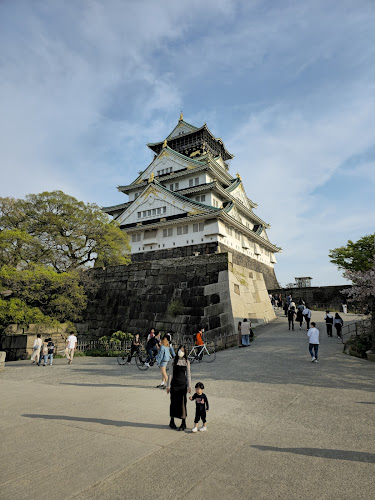
Walking up to the main tower, you’ll notice how the white walls and golden embellishments shine against the sky—especially striking if you catch it on a clear day. Inside, the museum tells stories of samurai, warlords, and the unification of Japan, with exhibits that range from weapons and armor to interactive displays. Some visitors are swept away by the grandeur, while others find the crowds and modern reconstruction a little less romantic than they imagined. That’s the thing about Osaka Castle: it inspires awe, but it also sparks debate. Personally, I think that’s part of its charm—it’s not a frozen relic but a living landmark.

Key Features

  • A five-story main tower (tenshu) reconstructed with a museum inside, offering panoramic views from the top floor.
  • Extensive castle grounds, including Nishinomaru Garden, which is especially popular during cherry blossom season.
  • Massive stone walls and moats that showcase the castle’s original defensive design.
  • Exhibits featuring samurai armor, historical artifacts, and multimedia presentations about the Toyotomi and Tokugawa eras.
  • Wheelchair-accessible entrances and parking, making it friendly for all visitors.
  • A family-friendly environment with open spaces where kids can run around and explore safely.
  • Modern conveniences like paid parking, ticket pre-booking, and multiple cashless payment options including credit cards and mobile apps.

Best Time to Visit

Timing your visit to Osaka Castle can make all the difference. Spring is the obvious favorite, when cherry blossoms blanket the park in shades of pink and white. It’s busy, yes, but the atmosphere is unforgettable—locals spread picnic blankets, families gather under the trees, and the castle becomes the backdrop for countless photos. If you’re like me and prefer fewer crowds, autumn is equally magical. The fiery red and golden leaves contrast beautifully with the castle walls, and the weather is just right for long walks. Summer can be sweltering, and winter tends to be quieter, though the crisp air adds a certain sharpness to the scenery that photographers will love.

If you’re not tied to a specific season, weekdays in the morning are your best bet. You’ll dodge the tour groups and have more room to soak in the atmosphere. And honestly, there’s something special about hearing your footsteps echo on the stone paths when the grounds are still waking up.

How to Get There

Getting to Osaka Castle is straightforward, even if you’re new to Japan’s train system. The castle is surrounded by several train stations, but the most convenient ones are Morinomiya Station and Osakajokoen Station. Both drop you into the park, and the walk to the main tower is part of the experience—passing through gardens, stone gates, and moats that slowly build up the anticipation. If you’re coming from central Osaka, it’s usually just a short hop on the JR Loop Line or subway.

For those who prefer a slower pace, I’d suggest arriving at one station and leaving from another. That way, you’ll see different sides of the grounds without backtracking. And if you’re traveling with kids or older family members, the paths are mostly flat and stroller-friendly, though expect a bit of uphill walking near the tower itself.

Tips for Visiting

Here’s the thing: Osaka Castle is one of Japan’s most visited attractions, so a little planning goes a long way. Tickets can be bought on-site, but getting them in advance saves you from long queues, especially during cherry blossom season. The museum inside the tower can get crowded, so if you’re keen on reading the exhibits in peace, aim to arrive right when it opens.

Wear comfortable shoes. The grounds are huge—about two square kilometers of gardens, moats, and pathways. I once made the rookie mistake of wearing new shoes here, and let’s just say my feet were not amused by the end of the day. Also, bring water, especially in summer, because the sun can be relentless.

Photography enthusiasts should plan for extra time. Between the reflections in the moats, the seasonal foliage, and the sweeping views from the observation deck, you’ll find yourself stopping constantly. And don’t just rush to the main tower—the smaller corners of the park often hide the best surprises, like quiet shrines or stone walls covered in moss.

If you’re traveling with kids, the open spaces are perfect for letting them burn off energy. And for those who love a good souvenir, the gift shop inside the castle has everything from samurai trinkets to traditional crafts. Just be prepared for the prices to be a little touristy. One last thought: don’t be afraid to linger. Many visitors rush through, but the castle rewards those who slow down, sit on a bench, and let the history sink in.

Key Features

  • A five-story main tower (tenshu) reconstructed with a museum inside, offering panoramic views from the top floor.
  • Extensive castle grounds, including Nishinomaru Garden, which is especially popular during cherry blossom season.
  • Massive stone walls and moats that showcase the castle’s original defensive design.
  • Exhibits featuring samurai armor, historical artifacts, and multimedia presentations about the Toyotomi and Tokugawa eras.
  • Wheelchair-accessible entrances and parking, making it friendly for all visitors.
  • A family-friendly environment with open spaces where kids can run around and explore safely.
  • Modern conveniences like paid parking, ticket pre-booking, and multiple cashless payment options including credit cards and mobile apps.

More Details

Updated September 23, 2025


Description

Osaka Castle is one of those places that manages to feel both monumental and personal at the same time. Originally built in 1597 under the command of Toyotomi Hideyoshi, it has seen its fair share of battles, fires, and full-blown reconstructions. What stands today is a proud symbol of resilience, blending centuries of history with a modern museum inside its iconic tower. The castle is surrounded by sprawling gardens, stone walls, and moats that make it feel like you’ve stepped into another era. Yet, at the same time, it’s incredibly accessible and welcoming for today’s travelers.

Walking up to the main tower, you’ll notice how the white walls and golden embellishments shine against the sky—especially striking if you catch it on a clear day. Inside, the museum tells stories of samurai, warlords, and the unification of Japan, with exhibits that range from weapons and armor to interactive displays. Some visitors are swept away by the grandeur, while others find the crowds and modern reconstruction a little less romantic than they imagined. That’s the thing about Osaka Castle: it inspires awe, but it also sparks debate. Personally, I think that’s part of its charm—it’s not a frozen relic but a living landmark.

Key Features

  • A five-story main tower (tenshu) reconstructed with a museum inside, offering panoramic views from the top floor.
  • Extensive castle grounds, including Nishinomaru Garden, which is especially popular during cherry blossom season.
  • Massive stone walls and moats that showcase the castle’s original defensive design.
  • Exhibits featuring samurai armor, historical artifacts, and multimedia presentations about the Toyotomi and Tokugawa eras.
  • Wheelchair-accessible entrances and parking, making it friendly for all visitors.
  • A family-friendly environment with open spaces where kids can run around and explore safely.
  • Modern conveniences like paid parking, ticket pre-booking, and multiple cashless payment options including credit cards and mobile apps.

Best Time to Visit

Timing your visit to Osaka Castle can make all the difference. Spring is the obvious favorite, when cherry blossoms blanket the park in shades of pink and white. It’s busy, yes, but the atmosphere is unforgettable—locals spread picnic blankets, families gather under the trees, and the castle becomes the backdrop for countless photos. If you’re like me and prefer fewer crowds, autumn is equally magical. The fiery red and golden leaves contrast beautifully with the castle walls, and the weather is just right for long walks. Summer can be sweltering, and winter tends to be quieter, though the crisp air adds a certain sharpness to the scenery that photographers will love.

If you’re not tied to a specific season, weekdays in the morning are your best bet. You’ll dodge the tour groups and have more room to soak in the atmosphere. And honestly, there’s something special about hearing your footsteps echo on the stone paths when the grounds are still waking up.

How to Get There

Getting to Osaka Castle is straightforward, even if you’re new to Japan’s train system. The castle is surrounded by several train stations, but the most convenient ones are Morinomiya Station and Osakajokoen Station. Both drop you into the park, and the walk to the main tower is part of the experience—passing through gardens, stone gates, and moats that slowly build up the anticipation. If you’re coming from central Osaka, it’s usually just a short hop on the JR Loop Line or subway.

For those who prefer a slower pace, I’d suggest arriving at one station and leaving from another. That way, you’ll see different sides of the grounds without backtracking. And if you’re traveling with kids or older family members, the paths are mostly flat and stroller-friendly, though expect a bit of uphill walking near the tower itself.

Tips for Visiting

Here’s the thing: Osaka Castle is one of Japan’s most visited attractions, so a little planning goes a long way. Tickets can be bought on-site, but getting them in advance saves you from long queues, especially during cherry blossom season. The museum inside the tower can get crowded, so if you’re keen on reading the exhibits in peace, aim to arrive right when it opens.

Wear comfortable shoes. The grounds are huge—about two square kilometers of gardens, moats, and pathways. I once made the rookie mistake of wearing new shoes here, and let’s just say my feet were not amused by the end of the day. Also, bring water, especially in summer, because the sun can be relentless.

Photography enthusiasts should plan for extra time. Between the reflections in the moats, the seasonal foliage, and the sweeping views from the observation deck, you’ll find yourself stopping constantly. And don’t just rush to the main tower—the smaller corners of the park often hide the best surprises, like quiet shrines or stone walls covered in moss.

If you’re traveling with kids, the open spaces are perfect for letting them burn off energy. And for those who love a good souvenir, the gift shop inside the castle has everything from samurai trinkets to traditional crafts. Just be prepared for the prices to be a little touristy. One last thought: don’t be afraid to linger. Many visitors rush through, but the castle rewards those who slow down, sit on a bench, and let the history sink in.

Key Highlights

  • A five-story main tower (tenshu) reconstructed with a museum inside, offering panoramic views from the top floor.
  • Extensive castle grounds, including Nishinomaru Garden, which is especially popular during cherry blossom season.
  • Massive stone walls and moats that showcase the castle’s original defensive design.
  • Exhibits featuring samurai armor, historical artifacts, and multimedia presentations about the Toyotomi and Tokugawa eras.
  • Wheelchair-accessible entrances and parking, making it friendly for all visitors.
  • A family-friendly environment with open spaces where kids can run around and explore safely.
  • Modern conveniences like paid parking, ticket pre-booking, and multiple cashless payment options including credit cards and mobile apps.

Location

Places to Stay Near Osaka Castle

Find and Book a Tour

Explore More Travel Guides

No reviews found! Be the first to review!

Traveler Reviews for Osaka Castle

There are no reviews yet. Be the first one to write one.

Share Your Experience

Have you visited Osaka Castle? Help other travelers by sharing your review.

Find Accommodations Nearby

Recommended Tours & Activities

Visitor Reviews

There are no reviews yet. Be the first one to write one.

Share Your Experience

Have you visited Osaka Castle? Help other travelers by leaving a review.