Description
The Nepal Pavilion at Expo 2025 Osaka-Kansai landed with a story to tell—both about Nepal and about the Expo itself. It showcased a mosaic of Himalayan culture, craftsmanship, and food, wrapped inside an exhibition-and-trade style space that felt part museum, part bustling market lane. And yes, it carried a bit of Expo lore: it was among the last overseas pavilions to fully open, which oddly added to the intrigue. By the time doors swung wide, curiosity had grown, visitors were talking, and lines formed fast.
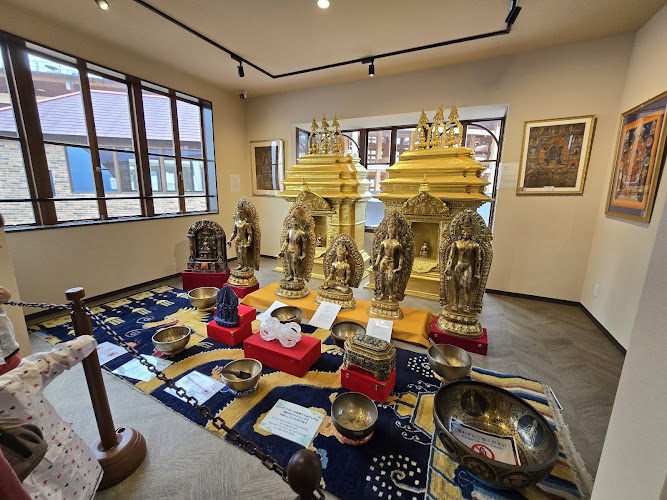
For travelers, this pavilion was a bridge: Osaka’s modern, high-tempo setting on one side; Nepal’s layered, mountain-rooted traditions on the other. Think copper singing bowls humming softly, the matte shine of hand-beaten metalwork, intricately painted thangka art, carved wood lintels that look like they were lifted straight from a Kathmandu courtyard, and the earthy warmth of Nepalese spices drifting through the air. The experience wasn’t massive in scale compared to some of the Expo “spectacle” giants—but it was intimate and sensory, which many found refreshing. Others wished for more interpretive depth and a larger exhibition footprint. Both takes are fair.
As part of the World Expo—which convened 158 countries and regions alongside seven international organizations over 184 days—the Nepal Pavilion positioned itself squarely at the intersection of tourism, culture, and small-business trade. It leaned into real-life encounters: artisans at work, textiles you can touch (respectfully), objects you can ring or test (gently), and food that tasted like a quick hop to Kathmandu. Nobody complained about the momos, let’s put it that way.
Design-wise, the pavilion drew inspiration from old Kathmandu alleyways and market facades—an approach that worked on two levels. First, it made navigation intuitive: visitors moved like they would through a bazaar, peeking around corners, drifting toward sound and aroma. Second, it created a comfortable space for commerce: if you were hunting for gifts with a story—pashmina, metalwork, prayer flags, or ethically sourced crafts—you had choices, often with the maker close by. The showcase-and-shop format is classic Expo trade-center strategy, and this pavilion embraced it without apology.
Context helps. Osaka’s Expo leaned into imagination—remember Myaku-Myaku, the membrane-creature mascot about the “flow” of life and knowledge? That playful, sometimes polarizing symbol set the tone: this was an event about connections and the future. Within that frame, the Nepal Pavilion highlighted how heritage can power tomorrow’s creative industries. Quiet moments with a singing bowl are soothing on their own; add a maker explaining how the sound is tuned and what it’s used for in Buddhist practice, and suddenly it becomes a portable piece of culture you understand a little better.
Here’s a practical note travelers appreciated: on busy days, the pavilion felt crowded quickly. Interiors were carefully staged but not sprawling, and queues formed in the afternoon. Those who visited earlier or closer to evening tended to have more breathing room. And summertime Osaka heat is no joke—midday visits could feel like trekking in lowland Nepal humidity, minus the elevation. Bring a fan. Bring water. Bring patience. It’s worth it.
Did the pavilion have the mega-budget wow of some neighbors? No. But it didn’t need to. Its charm was tactile and human-scale, the kind that lingers after the Expo fireworks fade. If the itinerary includes exploring Yumeshima’s themed zones or nearby pavilions that cluster culture and trade—Sri Lanka, Kyrgyzstan, Rwanda in the “Commons” arc—Nepal makes an easy piece to slot in. And if curiosity about Nepal has been simmering for ages, this space nudged more than a few people to finally book that Kathmandu flight. You could see it in their eyes as they left with fresh tea, a new bowl, and a plan.
Key Features
- Culture-meets-market layout: A walkable Kathmandu-style street scene that blends displays with small vendor stalls and demo corners.
- Craftsmanship up close: Metalwork, wood carving, thangka painting, and hands-on moments with singing bowls that let visitors hear—and feel—the resonance.
- Sensory storytelling: Incense, bell-tones, carved textures, and traditional patterns that make the pavilion more touch-and-sound than text-and-screens.
- Nepalese cuisine: Quick-serve classics like momo dumplings, dal-based curries, and spiced teas; a smart pick for travelers craving flavor without a long sit-down.
- Trade center focus: An exhibition-and-trade approach that connects artisans and small businesses to visitors, with plenty of take-home options.
- Heritage meets future: Gentle education on how traditional craft techniques support modern livelihoods and sustainable tourism in Nepal.
- Photography-friendly corners: Vibrant textiles and carved wooden elements that make for striking photos—ask staff before shooting artisans at work.
- Staffed by cultural ambassadors: Friendly docents and craftspeople who explain symbolism, materials, and everyday uses—super helpful if Nepal is new to you.
- Family-friendly pacing: The intimate floor plan makes it easy to keep a group together; younger travelers often gravitate toward interactive sound or food.
- Good add-on to a Yumeshima route: Fits neatly into a half-day loop of Expo pavilions focused on culture and small-scale trade experiences.
Best Time to Visit
Within the Expo season (April to mid-October in 2025), the pavilion hit its stride during cooler hours. Early morning entry gave visitors the quietest walkthrough and the most time with artisans. Late afternoon to early evening provided a pleasant balance—cooler temperatures, lively ambience, and less midday strain.
Spring had easier-going weather and smaller heat-index spikes, which boosted stamina for longer pavilion-hopping routes. Summer brought energy and nighttime shows across the site but also Osaka’s infamous humidity. On peak days and during National Day programs (nearly every day during the Expo had a national or special day), queues could stretch quickly. A good rule: aim for the first two hours after opening, hydrate constantly, and schedule food stops slightly off normal meal times to sidestep lines.
If returning to the Expo site area or following its legacy in the months after, keep an eye on news of any post-Expo programming or craft markets connected to the pavilion’s partners. Nepal’s ties with Kansai’s growing Nepalese community have roots far beyond a single season, and culture-forward events tend to pop up around the city year-round.
How to Get There
The Nepal Pavilion stood on Yumeshima, the Expo island in Osaka Bay, within the broader Osaka-Kansai Expo grounds. Reaching the site during Expo season followed a straightforward pattern: get to the official entry gates, then follow on-site wayfinding to the pavilion zones.
Here’s the simplest playbook travelers used:
- By metro and shuttle: Ride the Osaka Metro to major coastal hubs like Cosmosquare, then transfer to official Expo shuttles or designated feeder services to the gates. From there, paved internal routes and clear signage guide you to the Nepal Pavilion area.
- By ferry from Universal City: On select days, ferries ran from the Universal City area to the Expo site. This route doubled as a scenic Osaka Bay shortcut and cut metro changes. On arrival, follow the color-coded zone signs to the pavilion.
- By dedicated buses: During peak periods, direct buses operated from central hubs such as Osaka Station and Namba. They dropped visitors at Expo-access points, after which it was a short, well-structured walk to the pavilion cluster.
- Accessibility: The Expo prioritized barrier-free design. Wheelchair-accessible routes and facilities were clearly marked, and staff at key intersections pointed guests toward shorter, flatter paths.
Practical notes:
- Private car drop-offs were restricted around Yumeshima during the Expo; plan on public transport. Taxis typically dropped at designated zones outside secure entry points.
- If you’re stringing together a full day of pavilions, cluster nearby cultural and trade-focused spaces to minimize backtracking.
- Always check same-day updates on congestion and route advisories at transport hubs before heading to the island—crowd flow could shift by the hour.
Tips for Visiting
These are the on-the-ground lessons travelers kept repeating, tweaked slightly with some hard-won Expo logic:
- Go early for breathing room: The Nepal Pavilion is immersive at low tide—less noise, more time with craftspeople, and better photos without shoulder-to-shoulder navigation.
- Hydration is strategy, not suggestion: Osaka summer heat indexes hover in the “sweat-just-thinking-about-it” zone. Carry a bottle, refill often, and aim for indoor pavilions during midday peaks.
- Eat slightly off-schedule: The food corner is popular. Plan a late lunch or early dinner window for a shorter queue and fresher headspace for choosing dishes. Momo first, decide the rest later.
- Ask questions, lots of them: This pavilion shines when you engage—how is a singing bowl tuned, what does a particular motif mean, why this wood for carving? Staff are generous with insights, and it turns a quick browse into a mini-masterclass.
- Budget for the impulse buy: Expo trade pavilions are where good intentions become great souvenirs. If a crafted piece sings to you (quite literally, in the case of bowls), it’s often unique and fairly priced for the workmanship.
- Be realistic about size: Compared with marquee, high-capacity “show” pavilions, Nepal’s space is modest. It’s more about lingering details and personal interactions than big screens and theatrics.
- Pair with nearby cultural pavilions: For a satisfying half-day, route Nepal with other heritage-forward pavilions in the same sector. The contrast between South Asian and African craft traditions, for example, makes for a compelling compare-and-contrast.
- Schedule breaks: There’s plenty of seating and shaded areas across the grounds. Build 10-minute resets into your plan—your feet and focus will thank you.
- Keep an eye on special programs: Performances or National Day tie-ins can add music and dance outside the pavilion’s facade. Arrive a little early for a front spot.
- Respect the craft (and the craftsperson): Some items are display-only, and certain ritual pieces carry cultural etiquette. If in doubt, ask before touching or photographing.
Beyond the pavilion itself, a few broader Expo notes were worth remembering. Osaka’s mascot Myaku-Myaku drew both chuckles and debates, but the concept—life’s continuous flow—was everywhere on site if you looked. The Nepal Pavilion echoed that idea through craft lineages: apprenticeships, hand skills, and stories passed from maker to maker. It’s not flashy, but it sticks with you, especially when you hear the clean, rising note of a perfectly tuned bowl. That sound doesn’t just fill a room—it clears it.
And here’s the lingering takeaway many visitors shared afterward: the pavilion wasn’t trying to be everything. It did what Nepal does so well—handmade work, warm hospitality, and food that’s so comforting you forget you’ve been on your feet for hours. If the plan is to find the soul in a sprawling World Expo, this was one of those places where it quietly appeared. Step in for a taste, a tone, or a conversation, and you’ll step out with more than a souvenir bag. You’ll carry a piece of Nepal that keeps resonating long after Yumeshima’s lights dim.