
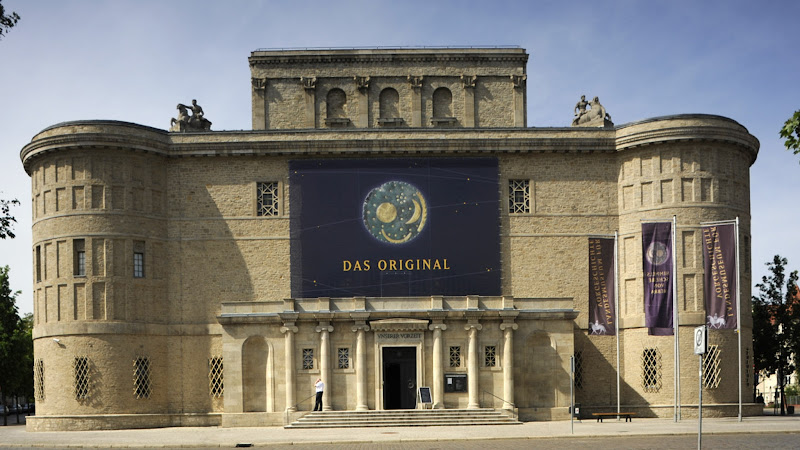
State Museum of Prehistory Halle (Saale)
About State Museum of Prehistory Halle (Saale)
Description
The State Museum of Prehistory Halle (Saale) is one of those cultural anchors that quietly insists you slow down and look twice. It houses an exceptional archaeological collection that ranges from the earliest Stone Age traces in central Germany to the glittering sophistication of the Bronze Age, and it does so with a clarity that makes deep time feel almost domestic. The museum is best known for the Nebra Sky Disk, an object that has become shorthand for Europe's prehistoric ingenuity. But to pigeonhole the place as a single-thing destination would be a mistake. The Nebra Sky Disk is a headline act, sure, but the full program—shelves of artifacts, reconstructed burial contexts, interactive displays, and seasonal live performances—reveals how people in this region lived, traded, worshipped, and looked up at the same sky in which the disk once pointed.
Visitors will find the permanent exhibitions thoughtfully arranged, with clear chronology and context, and a pleasing mix of objects and storytelling. Labels are concise; panels avoid academic puffery. There is a deliberate effort to connect archaeological finds to human behavior and cultural shifts, not just dates and typologies. That approach will appeal to travelers who normally glaze over at dense museum texts, and to curious families who want their kids to come away with real, mappable takeaways. The museum also stages special exhibitions and live performances, which adds an energetic, sometimes theatrical layer to what might otherwise be a very quiet study of the past.
Accessibility is handled well for a heritage institution of this scale. The entrance, parking, restrooms, and seating areas are wheelchair accessible, and there are family-friendly amenities like changing tables and kid-oriented activities. Onsite services include a café where one can linger over coffee and a sandwich, and Wi-Fi is available for those who need to check directions or geo-tag a favorite exhibit. It is, in short, a place that wants people to stay, not just rush through to tick off a famous object.
One of the strengths of the museum is its regional focus combined with international relevance. It is rooted in Saxony-Anhalt and the Saale region, displaying local finds that illuminate wider phenomena: trade routes in the Bronze Age, ritual landscapes, early metallurgy, and the social structures that supported monumental works. Yet it never feels parochial. The curators have a knack for threading local archaeology into the bigger European story—so a pottery shard from a nearby site can suddenly help explain exchange networks that ran across large parts of the continent. For anyone who likes the detective work of history, that connective tissue is delightfully addictive.
For travelers who have seen many national museums and expect glossy modern installations, this museum strikes a comfortable balance. There are contemporary elements, interactive stations, and multimedia pieces, but the focus remains on the objects themselves: carefully lit, clearly explained, and placed within reconstructed contexts. The Nebra Sky Disk gets special treatment, of course—a secure, climate-controlled cabinet and explanatory material that situates its astronomical symbols and ritual purpose. The Disk is not only beautiful; it is a conversation starter about early astronomy, ritual authority, and craftsmanship. Expect to linger here. Expect, too, small crowds at peak times, because people come specifically to see it.
And now a small, slightly personal aside, because it helps give a sense of what visiting feels like: the first time someone who writes about places like this saw the Disk in person, they were surprised by how intimate the experience was. Photographs give a sense of the gold inlays and the blue-green patina, but seeing the Disk up close—watching light skim over those tiny golden moons and arcs—makes you imagine the hands that polished it, the torchlight that might have revealed it during a Bronze Age ritual. That quiet moment of connection across thousands of years is what the museum cultivates. It is not showy history; it is the sort that settles into your thoughts afterward, like when you suddenly find yourself counting constellations and wondering what symbols your own tools would leave behind in five millennia.
Another practical bit that travelers appreciate: the museum is family-oriented without being infantilizing. There are kid discounts and family rates, which matter when you are budgeting a European day out with children. Exhibits include tactile stations for younger visitors and clear signposts that point out which displays are particularly engaging for families. The museum's programming often includes workshops and seasonal events aimed at kids and teens. That means parents can visit with reasonable expectations—school-age children will find things to touch and do, and the museum will give adults something deeper to chew on as well.
For those intrigued by science as much as culture, the museum functions partly as a science museum. Interpretive displays explain archaeological methods, dating techniques, and the science behind metalwork and pigment production. There are moments when the exhibits gently turn into a mini-lab lesson, explaining radiocarbon dating or X-ray fluorescence analysis in an accessible way. Travelers who enjoy behind-the-scenes glimpses of how knowledge is made will find those sections particularly satisfying. It is rare to encounter a museum that so openly shows the detective tools archaeologists use, rather than hiding that process behind interpretive certainty.
The museum's atmosphere is also notable because it integrates live performances into the visitor experience. These are not constant, but they add a spark when scheduled. A seasonal dramatic reading or a small-scale reenactment can transform a slow gallery into a stage, putting ritual objects back into a lived moment. If the schedule aligns with the trip, catch one. It’s the kind of event that makes the visit memorable and gives you a story to tell friends later. The performances are modest but effective, often presented by local actors and historians who care about authenticity—sometimes to the point of making the audience laugh at the earnestness of Bronze Age ceremonial attire.
It is fair to note that museums like this must balance accessibility and conservation, and the State Museum of Prehistory does its best. Some visitors expecting hands-on interaction with every object might leave a little disappointed; many prime artifacts are, understandably, behind glass. But the interpretive panels and adjacent displays do an admirable job of compensating. If one is patient and prepared to read, most exhibits reveal their treasures gradually, rewarding those who invest the time. And for travelers who prefer audio-guides, the museum’s resources, available in multiple languages, help bridge any gaps without replacing the pleasure of seeing the object in situ.
The museum's staff are generally helpful and knowledgeable. Museum educators and docents will answer questions, and on busy days they manage the flow of visitors around popular displays to ensure everyone gets a fair look. Expect a welcoming tone: staff tend to explain things plainly rather than slipping into academic jargon. That makes the visit friendly for non-specialists while still satisfying the curious amateur and the student of archaeology.
Finally, a note about planning: the museum rewards a slow visit. Rushing through in under an hour means missing the subtleties—like the comparative displays that show how local finds fit into broader European patterns, or the small-case treasures that are easy to overlook. Allocate at least two hours to do the collection justice, and longer if a special exhibition or performance is underway. If you are in Halle for more than a day, pairing a museum visit with nearby historical sights makes for a textured itinerary. But even as a standalone stop, the State Museum of Prehistory offers a thoughtful, layered experience that lingers. It is not merely a repository of objects; it is a place that teaches you to see people across time as complex, inventive, and very, very human.
Key Features
More Details
Updated August 30, 2025
Table of Contents
Description
The State Museum of Prehistory Halle (Saale) is one of those cultural anchors that quietly insists you slow down and look twice. It houses an exceptional archaeological collection that ranges from the earliest Stone Age traces in central Germany to the glittering sophistication of the Bronze Age, and it does so with a clarity that makes deep time feel almost domestic. The museum is best known for the Nebra Sky Disk, an object that has become shorthand for Europe’s prehistoric ingenuity. But to pigeonhole the place as a single-thing destination would be a mistake. The Nebra Sky Disk is a headline act, sure, but the full program—shelves of artifacts, reconstructed burial contexts, interactive displays, and seasonal live performances—reveals how people in this region lived, traded, worshipped, and looked up at the same sky in which the disk once pointed.
Visitors will find the permanent exhibitions thoughtfully arranged, with clear chronology and context, and a pleasing mix of objects and storytelling. Labels are concise; panels avoid academic puffery. There is a deliberate effort to connect archaeological finds to human behavior and cultural shifts, not just dates and typologies. That approach will appeal to travelers who normally glaze over at dense museum texts, and to curious families who want their kids to come away with real, mappable takeaways. The museum also stages special exhibitions and live performances, which adds an energetic, sometimes theatrical layer to what might otherwise be a very quiet study of the past.
Accessibility is handled well for a heritage institution of this scale. The entrance, parking, restrooms, and seating areas are wheelchair accessible, and there are family-friendly amenities like changing tables and kid-oriented activities. Onsite services include a café where one can linger over coffee and a sandwich, and Wi-Fi is available for those who need to check directions or geo-tag a favorite exhibit. It is, in short, a place that wants people to stay, not just rush through to tick off a famous object.
One of the strengths of the museum is its regional focus combined with international relevance. It is rooted in Saxony-Anhalt and the Saale region, displaying local finds that illuminate wider phenomena: trade routes in the Bronze Age, ritual landscapes, early metallurgy, and the social structures that supported monumental works. Yet it never feels parochial. The curators have a knack for threading local archaeology into the bigger European story—so a pottery shard from a nearby site can suddenly help explain exchange networks that ran across large parts of the continent. For anyone who likes the detective work of history, that connective tissue is delightfully addictive.
For travelers who have seen many national museums and expect glossy modern installations, this museum strikes a comfortable balance. There are contemporary elements, interactive stations, and multimedia pieces, but the focus remains on the objects themselves: carefully lit, clearly explained, and placed within reconstructed contexts. The Nebra Sky Disk gets special treatment, of course—a secure, climate-controlled cabinet and explanatory material that situates its astronomical symbols and ritual purpose. The Disk is not only beautiful; it is a conversation starter about early astronomy, ritual authority, and craftsmanship. Expect to linger here. Expect, too, small crowds at peak times, because people come specifically to see it.
And now a small, slightly personal aside, because it helps give a sense of what visiting feels like: the first time someone who writes about places like this saw the Disk in person, they were surprised by how intimate the experience was. Photographs give a sense of the gold inlays and the blue-green patina, but seeing the Disk up close—watching light skim over those tiny golden moons and arcs—makes you imagine the hands that polished it, the torchlight that might have revealed it during a Bronze Age ritual. That quiet moment of connection across thousands of years is what the museum cultivates. It is not showy history; it is the sort that settles into your thoughts afterward, like when you suddenly find yourself counting constellations and wondering what symbols your own tools would leave behind in five millennia.
Another practical bit that travelers appreciate: the museum is family-oriented without being infantilizing. There are kid discounts and family rates, which matter when you are budgeting a European day out with children. Exhibits include tactile stations for younger visitors and clear signposts that point out which displays are particularly engaging for families. The museum’s programming often includes workshops and seasonal events aimed at kids and teens. That means parents can visit with reasonable expectations—school-age children will find things to touch and do, and the museum will give adults something deeper to chew on as well.
For those intrigued by science as much as culture, the museum functions partly as a science museum. Interpretive displays explain archaeological methods, dating techniques, and the science behind metalwork and pigment production. There are moments when the exhibits gently turn into a mini-lab lesson, explaining radiocarbon dating or X-ray fluorescence analysis in an accessible way. Travelers who enjoy behind-the-scenes glimpses of how knowledge is made will find those sections particularly satisfying. It is rare to encounter a museum that so openly shows the detective tools archaeologists use, rather than hiding that process behind interpretive certainty.
The museum’s atmosphere is also notable because it integrates live performances into the visitor experience. These are not constant, but they add a spark when scheduled. A seasonal dramatic reading or a small-scale reenactment can transform a slow gallery into a stage, putting ritual objects back into a lived moment. If the schedule aligns with the trip, catch one. It’s the kind of event that makes the visit memorable and gives you a story to tell friends later. The performances are modest but effective, often presented by local actors and historians who care about authenticity—sometimes to the point of making the audience laugh at the earnestness of Bronze Age ceremonial attire.
It is fair to note that museums like this must balance accessibility and conservation, and the State Museum of Prehistory does its best. Some visitors expecting hands-on interaction with every object might leave a little disappointed; many prime artifacts are, understandably, behind glass. But the interpretive panels and adjacent displays do an admirable job of compensating. If one is patient and prepared to read, most exhibits reveal their treasures gradually, rewarding those who invest the time. And for travelers who prefer audio-guides, the museum’s resources, available in multiple languages, help bridge any gaps without replacing the pleasure of seeing the object in situ.
The museum’s staff are generally helpful and knowledgeable. Museum educators and docents will answer questions, and on busy days they manage the flow of visitors around popular displays to ensure everyone gets a fair look. Expect a welcoming tone: staff tend to explain things plainly rather than slipping into academic jargon. That makes the visit friendly for non-specialists while still satisfying the curious amateur and the student of archaeology.
Finally, a note about planning: the museum rewards a slow visit. Rushing through in under an hour means missing the subtleties—like the comparative displays that show how local finds fit into broader European patterns, or the small-case treasures that are easy to overlook. Allocate at least two hours to do the collection justice, and longer if a special exhibition or performance is underway. If you are in Halle for more than a day, pairing a museum visit with nearby historical sights makes for a textured itinerary. But even as a standalone stop, the State Museum of Prehistory offers a thoughtful, layered experience that lingers. It is not merely a repository of objects; it is a place that teaches you to see people across time as complex, inventive, and very, very human.
Key Highlights
State Museum of Prehistory Halle (Saale)
Location
Places to Stay Near State Museum of Prehistory Halle (Saale)
Find and Book a Tour
Explore More Travel Guides
No reviews found! Be the first to review!
Traveler Reviews for State Museum of Prehistory Halle (Saale)
There are no reviews yet. Be the first one to write one.
Have you visited State Museum of Prehistory Halle (Saale)? Help other travelers by sharing your review.
You Might Also Like
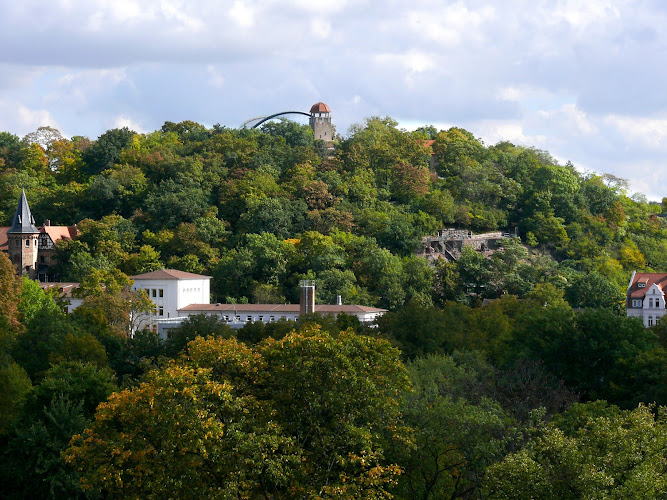
Zoologischer Garten Halle (Bergzoo)
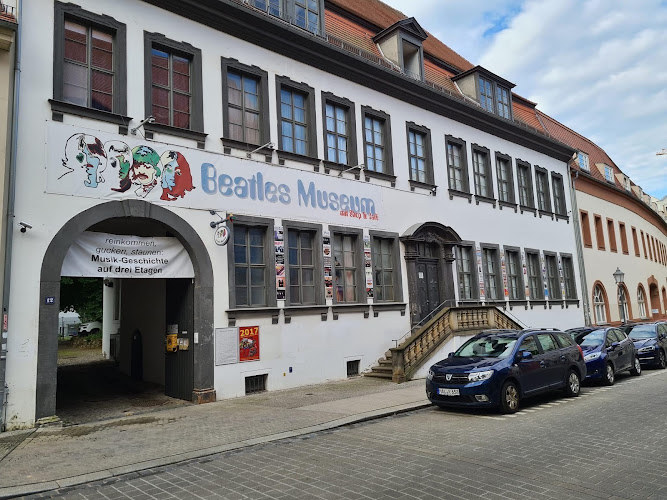
Beatles Museum
Carl-Schorlemmer-Ring
Find Accommodations Nearby
Recommended Tours & Activities
Visitor Reviews
There are no reviews yet. Be the first one to write one.
Share Your Experience
Have you visited State Museum of Prehistory Halle (Saale)? Help other travelers by leaving a review.