St Thomas’s Cathedral (Anglican Church)
About St Thomas’s Cathedral (Anglican Church)
Description
St Thomas’s Cathedral, the Anglican Church in Kuching, is one of those places that quietly takes your breath away before you even realize it. It’s not flashy or grandiose in that over-the-top way some cathedrals can be, but rather, it holds a kind of serene dignity that feels deeply rooted in history. The moment a traveler steps through its gates, there’s this hush—like time slows down a little. Maybe it’s the way sunlight filters through the tall stained-glass windows, or the faint echo of footsteps on the cool stone floor, but the atmosphere here feels sacred, even if you’re not particularly religious.
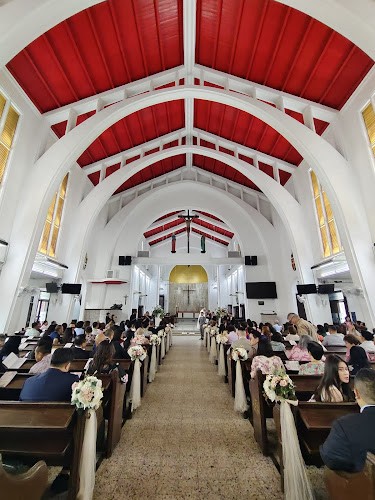
Built during the colonial era, this cathedral has stood as a witness to Kuching’s evolving story. The architecture blends traditional Anglican design with subtle local influences, making it a fascinating study for anyone who appreciates heritage buildings. The whitewashed walls, steep rooflines, and wooden beams tell tales of resilience and devotion. It’s not just a place of worship—it’s a living piece of Sarawak’s cultural tapestry.
What really strikes many visitors is the sense of community that seems to linger in the air. You can almost imagine generations of locals gathering here for Sunday service, weddings, and quiet moments of reflection. I remember visiting on a humid afternoon and watching a few parishioners tending to the garden outside. They greeted me with warm smiles, as if I were an old friend. That’s the kind of place this is—open, welcoming, and profoundly human.
Inside, the cathedral’s interior is simple but elegant. The pews are polished smooth from years of use, and the altar, adorned with modest floral arrangements, draws the eye without demanding attention. The stained-glass panels, though not overly ornate, depict biblical scenes with a kind of understated beauty. There’s something comforting about its simplicity—it doesn’t try to impress; it just is. And perhaps that’s what makes it so special to travelers seeking authenticity rather than spectacle.
Even if you’re not attending a service, spending a few quiet minutes here can be grounding. The cathedral offers a moment of calm in the middle of Kuching’s lively rhythm. Many travelers find themselves sitting in silence, listening to the faint hum of the ceiling fans and the distant chirping of birds outside. It’s a peaceful pause that somehow stays with you long after you’ve left.
Key Features
- Historic Architecture: A fine example of colonial-era Anglican design infused with local character, featuring wooden trusses, high ceilings, and graceful arches.
- Spiritual Atmosphere: Whether you’re attending a service or simply exploring, the calm, contemplative environment makes it ideal for reflection.
- Stained Glass Windows: Beautiful panels depicting scenes from the Bible, glowing softly in the tropical light—perfect for photography enthusiasts.
- Community Hub: The cathedral remains an active center for the local Anglican community, hosting regular services and charity events.
- Accessibility: Wheelchair-accessible entrance and parking make it inclusive for all visitors.
- Amenities: Clean restrooms are available, which is always a small but appreciated detail for travelers.
- Peaceful Garden: A small, well-kept garden surrounds the cathedral, offering shaded benches and a quiet place to rest.
What’s nice about St Thomas’s Cathedral is that it doesn’t feel like a tourist trap. It’s authentic, still functioning as a church first and foremost. You can sense that it’s cared for not just as a historical site but as a living, breathing part of the community. That genuine spirit is what makes it stand out among Kuching’s many attractions.
Best Time to Visit
Honestly, there’s no bad time to visit the cathedral, but if you want to experience it at its most atmospheric, early mornings are magical. The light slants through the stained glass in soft hues, and the air is still cool from the night before. It’s also the quietest time, perfect for travelers who prefer to wander without crowds. Sundays, of course, are special if you’re interested in witnessing a service. The hymns, the organ music—it’s a moving experience even if you’re just an observer.
That said, if you’re not keen on crowds, weekdays are generally calmer. The tropical climate in Kuching can be quite humid, so visiting in the earlier or later parts of the day can make your experience more comfortable. The cathedral’s interior stays fairly cool thanks to its design, but a hat and a bottle of water never hurt anyone. Personally, I love visiting just before sunset. There’s something about the golden light touching the old walls that feels almost poetic.
How to Get There
Getting to St Thomas’s Cathedral is quite straightforward, especially if you’re staying in central Kuching. It’s within walking distance of several key landmarks, so you can easily include it in a day of sightseeing. Many visitors choose to stroll over after exploring the nearby museums or waterfront. The walk is pleasant, lined with trees and colonial-era buildings that add to the charm of the area.
For those coming from further out, taxis and ride-hailing services are readily available and affordable. Public buses also run routes that pass nearby, though schedules can be a bit unpredictable—typical of many Southeast Asian cities, really. If you’re driving, there’s accessible parking available, including spaces designed for wheelchair users. I once made the mistake of underestimating Kuching’s midday heat and decided to walk from my hotel; let’s just say I learned to appreciate the convenience of air-conditioned transport that day!
However you arrive, the cathedral is easy to spot. Its distinctive roofline and white facade stand out against the lush greenery surrounding it. And once you’re there, you’ll likely find yourself lingering longer than planned—it has that effect on people.
Tips for Visiting
Before stepping inside, it’s good to remember that this is an active place of worship. Modest attire is appreciated—think covered shoulders and knees. It’s not about strict rules, but about respect. I’ve seen travelers turned away gently but firmly for wearing shorts or sleeveless tops. A light scarf or shawl can come in handy if you’re dressed for the heat but still want to enter.
Photography is generally allowed, though it’s best to be discreet and avoid flash, especially during services. The best photos, in my opinion, are the candid ones—like a shaft of light falling across the pews or a quiet moment between parishioners. If you’re lucky enough to catch the choir practicing, just listen. Their voices fill the space in a way that’s hard to describe—it’s both haunting and beautiful.
Accessibility is one of the cathedral’s strengths. The entrance and parking areas are wheelchair-friendly, which is something not every historical building can boast. The staff and volunteers are kind and helpful, often ready to share stories about the church’s past if you show genuine interest. Don’t be shy to ask questions; locals love when visitors take an interest in their heritage.
Another small but practical tip—bring a bottle of water and maybe a small towel if you’re walking around the area. Kuching’s humidity can catch you off guard. And if you’re planning to attend a service, check the schedule in advance (it can vary slightly). Arriving a bit early gives you time to settle in and soak up the atmosphere before things begin.
For those who enjoy sketching or journaling, this is a wonderful spot to sit quietly and capture your impressions. I’ve spent a good half-hour there once, just scribbling notes about the way the light shifted across the floor. There’s something meditative about it. And if you’re traveling with kids, the cathedral grounds are safe and open enough for them to explore a little while you take in the surroundings.
Lastly, take a moment to step outside and look back at the building from across the street. From that vantage point, you really see how it stands—a graceful symbol of faith and endurance amidst the city’s modern pulse. It’s humbling, in a way, to realize that this cathedral has been quietly holding its place for more than a century while the world around it keeps changing.
St Thomas’s Cathedral isn’t just another stop on a sightseeing checklist. It’s a space that invites you to slow down, breathe, and maybe even reflect a little. Whether you come for the architecture, the history, or simply the peace it offers, you’ll leave with a sense of having touched something timeless. And that, in my book, is what makes travel truly worthwhile.
Key Features
- Key Features
- Best Time to Visit
- How to Get There
- Tips for Visiting
More Details
Updated December 1, 2025
Table of Contents
- Description
- Key Features
- Best Time to Visit
- How to Get There
- Tips for Visiting
- Key Highlights
- Location
- Places to Stay Near St Thomas's Cathedral (Anglican Church)
- Find and Book a Tour
- Explore More Travel Guides
- Nearby Places You Might Like
- Traveler Reviews for St Thomas’s Cathedral (Anglican Church)
- Share Your Experience
Description
St Thomas’s Cathedral, the Anglican Church in Kuching, is one of those places that quietly takes your breath away before you even realize it. It’s not flashy or grandiose in that over-the-top way some cathedrals can be, but rather, it holds a kind of serene dignity that feels deeply rooted in history. The moment a traveler steps through its gates, there’s this hush—like time slows down a little. Maybe it’s the way sunlight filters through the tall stained-glass windows, or the faint echo of footsteps on the cool stone floor, but the atmosphere here feels sacred, even if you’re not particularly religious.
Built during the colonial era, this cathedral has stood as a witness to Kuching’s evolving story. The architecture blends traditional Anglican design with subtle local influences, making it a fascinating study for anyone who appreciates heritage buildings. The whitewashed walls, steep rooflines, and wooden beams tell tales of resilience and devotion. It’s not just a place of worship—it’s a living piece of Sarawak’s cultural tapestry.
What really strikes many visitors is the sense of community that seems to linger in the air. You can almost imagine generations of locals gathering here for Sunday service, weddings, and quiet moments of reflection. I remember visiting on a humid afternoon and watching a few parishioners tending to the garden outside. They greeted me with warm smiles, as if I were an old friend. That’s the kind of place this is—open, welcoming, and profoundly human.
Inside, the cathedral’s interior is simple but elegant. The pews are polished smooth from years of use, and the altar, adorned with modest floral arrangements, draws the eye without demanding attention. The stained-glass panels, though not overly ornate, depict biblical scenes with a kind of understated beauty. There’s something comforting about its simplicity—it doesn’t try to impress; it just is. And perhaps that’s what makes it so special to travelers seeking authenticity rather than spectacle.
Even if you’re not attending a service, spending a few quiet minutes here can be grounding. The cathedral offers a moment of calm in the middle of Kuching’s lively rhythm. Many travelers find themselves sitting in silence, listening to the faint hum of the ceiling fans and the distant chirping of birds outside. It’s a peaceful pause that somehow stays with you long after you’ve left.
Key Features
- Historic Architecture: A fine example of colonial-era Anglican design infused with local character, featuring wooden trusses, high ceilings, and graceful arches.
- Spiritual Atmosphere: Whether you’re attending a service or simply exploring, the calm, contemplative environment makes it ideal for reflection.
- Stained Glass Windows: Beautiful panels depicting scenes from the Bible, glowing softly in the tropical light—perfect for photography enthusiasts.
- Community Hub: The cathedral remains an active center for the local Anglican community, hosting regular services and charity events.
- Accessibility: Wheelchair-accessible entrance and parking make it inclusive for all visitors.
- Amenities: Clean restrooms are available, which is always a small but appreciated detail for travelers.
- Peaceful Garden: A small, well-kept garden surrounds the cathedral, offering shaded benches and a quiet place to rest.
What’s nice about St Thomas’s Cathedral is that it doesn’t feel like a tourist trap. It’s authentic, still functioning as a church first and foremost. You can sense that it’s cared for not just as a historical site but as a living, breathing part of the community. That genuine spirit is what makes it stand out among Kuching’s many attractions.
Best Time to Visit
Honestly, there’s no bad time to visit the cathedral, but if you want to experience it at its most atmospheric, early mornings are magical. The light slants through the stained glass in soft hues, and the air is still cool from the night before. It’s also the quietest time, perfect for travelers who prefer to wander without crowds. Sundays, of course, are special if you’re interested in witnessing a service. The hymns, the organ music—it’s a moving experience even if you’re just an observer.
That said, if you’re not keen on crowds, weekdays are generally calmer. The tropical climate in Kuching can be quite humid, so visiting in the earlier or later parts of the day can make your experience more comfortable. The cathedral’s interior stays fairly cool thanks to its design, but a hat and a bottle of water never hurt anyone. Personally, I love visiting just before sunset. There’s something about the golden light touching the old walls that feels almost poetic.
How to Get There
Getting to St Thomas’s Cathedral is quite straightforward, especially if you’re staying in central Kuching. It’s within walking distance of several key landmarks, so you can easily include it in a day of sightseeing. Many visitors choose to stroll over after exploring the nearby museums or waterfront. The walk is pleasant, lined with trees and colonial-era buildings that add to the charm of the area.
For those coming from further out, taxis and ride-hailing services are readily available and affordable. Public buses also run routes that pass nearby, though schedules can be a bit unpredictable—typical of many Southeast Asian cities, really. If you’re driving, there’s accessible parking available, including spaces designed for wheelchair users. I once made the mistake of underestimating Kuching’s midday heat and decided to walk from my hotel; let’s just say I learned to appreciate the convenience of air-conditioned transport that day!
However you arrive, the cathedral is easy to spot. Its distinctive roofline and white facade stand out against the lush greenery surrounding it. And once you’re there, you’ll likely find yourself lingering longer than planned—it has that effect on people.
Tips for Visiting
Before stepping inside, it’s good to remember that this is an active place of worship. Modest attire is appreciated—think covered shoulders and knees. It’s not about strict rules, but about respect. I’ve seen travelers turned away gently but firmly for wearing shorts or sleeveless tops. A light scarf or shawl can come in handy if you’re dressed for the heat but still want to enter.
Photography is generally allowed, though it’s best to be discreet and avoid flash, especially during services. The best photos, in my opinion, are the candid ones—like a shaft of light falling across the pews or a quiet moment between parishioners. If you’re lucky enough to catch the choir practicing, just listen. Their voices fill the space in a way that’s hard to describe—it’s both haunting and beautiful.
Accessibility is one of the cathedral’s strengths. The entrance and parking areas are wheelchair-friendly, which is something not every historical building can boast. The staff and volunteers are kind and helpful, often ready to share stories about the church’s past if you show genuine interest. Don’t be shy to ask questions; locals love when visitors take an interest in their heritage.
Another small but practical tip—bring a bottle of water and maybe a small towel if you’re walking around the area. Kuching’s humidity can catch you off guard. And if you’re planning to attend a service, check the schedule in advance (it can vary slightly). Arriving a bit early gives you time to settle in and soak up the atmosphere before things begin.
For those who enjoy sketching or journaling, this is a wonderful spot to sit quietly and capture your impressions. I’ve spent a good half-hour there once, just scribbling notes about the way the light shifted across the floor. There’s something meditative about it. And if you’re traveling with kids, the cathedral grounds are safe and open enough for them to explore a little while you take in the surroundings.
Lastly, take a moment to step outside and look back at the building from across the street. From that vantage point, you really see how it stands—a graceful symbol of faith and endurance amidst the city’s modern pulse. It’s humbling, in a way, to realize that this cathedral has been quietly holding its place for more than a century while the world around it keeps changing.
St Thomas’s Cathedral isn’t just another stop on a sightseeing checklist. It’s a space that invites you to slow down, breathe, and maybe even reflect a little. Whether you come for the architecture, the history, or simply the peace it offers, you’ll leave with a sense of having touched something timeless. And that, in my book, is what makes travel truly worthwhile.

Key Highlights
- Key Features
- Best Time to Visit
- How to Get There
- Tips for Visiting
Location
Places to Stay Near St Thomas's Cathedral (Anglican Church)
Find and Book a Tour
Explore More Travel Guides
No reviews found! Be the first to review!
Traveler Reviews for St Thomas’s Cathedral (Anglican Church)
There are no reviews yet. Be the first one to write one.
Have you visited St Thomas’s Cathedral (Anglican Church)? Help other travelers by sharing your review.
Find Accommodations Nearby
Recommended Tours & Activities
Visitor Reviews
There are no reviews yet. Be the first one to write one.
Share Your Experience
Have you visited St Thomas’s Cathedral (Anglican Church)? Help other travelers by leaving a review.