
Sultan Abu Bakar Mosque
About Sultan Abu Bakar Mosque
Description
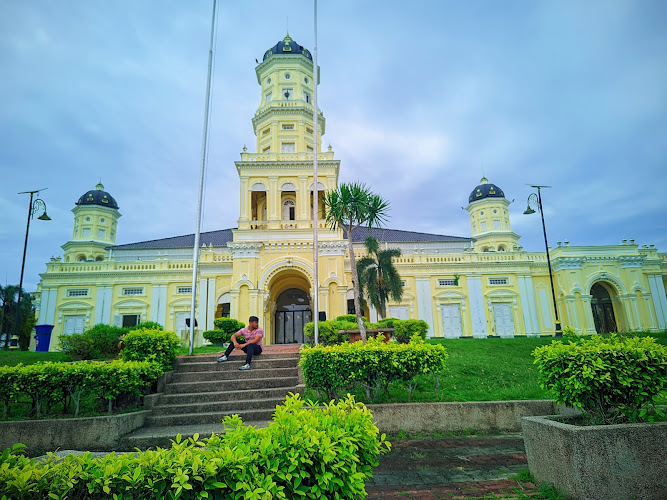
Standing proudly on a hill overlooking the Straits of Johor, the Sultan Abu Bakar Mosque represents one of Malaysia's most striking examples of architectural fusion. When travelers first catch sight of this magnificent structure, many do a double-take – because honestly, it doesn't look like what you'd typically expect from a mosque in Southeast Asia. The building was completed in 1900 under the direction of Sultan Abu Bakar, and what he created was something truly remarkable: a mosque that marries English Victorian aesthetics with classic Islamic Moorish elements. I've always found it fascinating how this place challenges preconceptions about religious architecture. The mosque's design feels almost like a grand British colonial manor that someone decided to transform into a place of worship, complete with minarets reaching skyward. And that's precisely what makes it special. The white facade gleams against tropical skies, while ornate details reveal themselves the closer you get. The structure can accommodate around 2,000 worshippers at once, making it not just beautiful but functionally significant for the local Muslim community. The Sultan who commissioned this building had spent considerable time in Britain, and his admiration for Victorian architecture clearly influenced his vision. But he didn't just copy European styles wholesale – instead, he wove Islamic design principles throughout, creating something that belongs entirely to its own category. The result is a building that tells a story about cultural exchange, royal ambition, and the blending of traditions that defined this part of Malaysia during the late 19th century. Visitors often remark on the mosque's commanding position. Perched on that hilltop, it surveys the surrounding landscape with an almost regal bearing. On clear days, you can see across the strait all the way to Singapore, which adds another layer to the experience. The grounds themselves are well-maintained, with spaces for contemplation and photography that don't feel rushed or cramped.Key Features
The Sultan Abu Bakar Mosque distinguishes itself through several remarkable characteristics that travelers should know about before visiting:- Architectural Hybrid Design: The mosque showcases an unprecedented blend of Victorian colonial architecture with traditional Islamic Moorish elements, featuring chandeliers imported from England alongside intricate Islamic calligraphy and patterns
- Panoramic Views: The elevated hilltop location provides sweeping vistas of the Straits of Johor and, on particularly clear days, views extending to Singapore's northern territories
- Historic Carpets: Interior spaces feature prayer carpets and rugs that have been maintained for decades, some dating back to the early 20th century
- Multi-tiered Minarets: Four minarets rise from the corners of the structure, each designed with Victorian-inspired details that you won't find on traditional Southeast Asian mosques
- Grand Prayer Hall: The main prayer space features high ceilings with exposed beam work that feels more cathedral-like than typical mosque construction, accommodating large congregations comfortably
- Royal Cemetery Proximity: The mosque sits adjacent to the royal mausoleum of Johor's sultans, adding historical gravitas to the site
- Accessibility Features: Modern additions include wheelchair-accessible entrances, parking areas, and restroom facilities, making the mosque welcoming for visitors with mobility considerations
- Ornamental Gardens: Well-kept grounds surrounding the mosque provide peaceful walking areas with manicured lawns and tropical plantings
- Clock Tower: A functioning clock tower rises from the structure, another Victorian touch that sets this mosque apart from contemporaries
- Original Fixtures: Many of the building's original architectural elements, including doors, windows, and decorative ironwork, remain intact after more than 120 years
Best Time to Visit
Timing your visit to the Sultan Abu Bakar Mosque can make a significant difference in your experience, and I've learned that flexibility helps when planning mosque visits in Malaysia. The mosque is closed to non-Muslim visitors during prayer times, which happen five times daily. Friday prayers are particularly significant, with the mosque filling with worshippers, so that's generally not an ideal time for tourists. Your best window typically falls between 10 AM and noon, or from 3 PM to 4 PM on most days. These periods allow adequate time for exploration without interfering with prayer schedules. Weather-wise, mornings offer cooler temperatures – which you'll appreciate since the hilltop location means you'll be somewhat exposed to the sun. Malaysia's equatorial climate doesn't vary dramatically throughout the year, but the period from June through August tends to be slightly drier. That said, brief afternoon rain showers can occur any month, so I'd recommend keeping a small umbrella handy regardless of when you visit. The mosque sees fewer crowds on weekdays compared to weekends. If you're someone who prefers a quieter, more contemplative experience (and better photography opportunities without crowds), aim for Tuesday through Thursday mornings. School holidays and major Malaysian public holidays will bring more domestic tourists, which isn't necessarily bad but does mean more people sharing the space. Ramadan presents a special consideration. The mosque takes on particular significance during Islam's holy month, and while visitors are still generally welcomed during non-prayer times, you should be especially mindful of appropriate behavior and dress during this period. The atmosphere feels more solemn and purposeful. Something I always tell people: don't rush this visit. Give yourself at least an hour, maybe ninety minutes if you're interested in architecture or photography. The light changes throughout the day, and watching how it plays across the white facade and through the prayer hall windows is part of the experience.How to Get There
Getting to the Sultan Abu Bakar Mosque requires a bit of planning, but it's definitely manageable for travelers staying in Johor Bahru. The mosque is located in the Johor Bahru city center area, positioned on Jalan Gertak Merah on its prominent hilltop. If you're staying in the main hotel district near the CIQ (Customs, Immigration and Quarantine complex), you're probably about 3 to 4 kilometers away. Grab (Southeast Asia's equivalent to Uber) works excellently in Johor Bahru and represents probably the most convenient option for most travelers. A ride from the city center typically costs between 10 to 15 Malaysian Ringgit and takes about 10 to 15 minutes depending on traffic. Make sure your driver understands you want the Sultan Abu Bakar Mosque – though honestly, it's such a well-known landmark that most drivers will know it immediately. Taxis are available but can be hit-or-miss in terms of pricing. If you're taking a traditional taxi, insist on using the meter or agree on a fare before departing. The same journey should cost roughly the same as Grab, though some taxi drivers might try to charge more for tourists. For the more adventurous traveler, local buses do serve the area. Bus routes 33 and 44 pass relatively close to the mosque, though you'll need to confirm current routes as they do occasionally change. The bus system in Johor Bahru isn't always the most intuitive for visitors, and language barriers can complicate things. If you're driving yourself (perhaps you've rented a car for exploring Malaysia), there's a parking area available that's wheelchair accessible. Navigation apps work well in Johor Bahru, so getting lost shouldn't be a major concern. One thing to note: if you're coming from Singapore, you'll need to clear Malaysian immigration at one of the checkpoints first. Many visitors combine their mosque visit with a broader Johor Bahru day trip. The mosque sits maybe 15 to 20 minutes by car from the main Woodlands-Johor Causeway crossing, assuming traffic is reasonable. Walking from the city center is theoretically possible but not particularly pleasant – the tropical heat and humidity make multi-kilometer walks fairly exhausting, and there aren't consistently good pedestrian pathways the entire way.Tips for Visiting
Having visited several mosques across Malaysia and listened to plenty of other travelers' experiences, here are practical tips that'll help your Sultan Abu Bakar Mosque visit go smoothly. Dress code is non-negotiable. Women need to cover their heads, arms, and legs. Long pants or long skirts work fine, paired with a long-sleeved top. A scarf or shawl for your head is essential. Men should wear long pants and shirts that cover their shoulders – no tank tops or shorts. The mosque typically provides robes for visitors who arrive underdressed, but honestly, it's much better to come prepared. The robes can be hot and uncomfortable in Malaysia's climate. Remove your shoes before entering the prayer hall. There are designated areas for footwear, and while theft isn't common, I'd avoid leaving expensive shoes there if you're worried. Bringing a plastic bag for your shoes isn't a bad idea if you're particular about such things. Photography is generally permitted in outdoor areas and certain indoor spaces, but always ask permission and be respectful. Never photograph people praying without explicit permission. And put your phone away during prayer times – even if you're not Muslim, showing respect costs nothing. Flash photography inside the prayer hall is usually discouraged as it can be disruptive. The mosque provides basic amenities including restrooms, but don't expect elaborate tourist facilities. There isn't a cafe or gift shop on site. Bring water with you, especially if you're visiting during the hotter parts of the day. If you're visiting as a non-Muslim, remember that you're a guest in an active place of worship. This isn't primarily a tourist attraction – it's a functioning mosque that serves the local Muslim community. That means keeping voices low, moving respectfully through spaces, and being mindful that you're there to observe and appreciate, not to disrupt. Guided tours aren't formally offered in the way you'd find at some tourist sites, but knowledgeable locals are often present who might answer questions if approached respectfully. Don't expect English to be universally spoken, though many staff members and regular worshippers do speak at least some English. Bring cash for your Grab rides and any incidental expenses. While Malaysia is increasingly card-friendly, you can't rely on card acceptance everywhere in Johor Bahru. The grounds can be slippery after rain, so watch your footing, especially on any steps or inclines. Those beautiful white surfaces don't always provide the best traction when wet. Consider combining your mosque visit with nearby attractions. The royal museum (Istana Besar) is relatively close by, and the Johor Bahru Old Chinese Temple provides an interesting cultural contrast. Planning a route that includes multiple sites makes the trip from Singapore or other parts of Malaysia more worthwhile. Don't visit if you're feeling ill or have been drinking alcohol. Both are considered disrespectful in an Islamic holy site. And that should go without saying, but I've heard stories of tourists who didn't think it through. Finally, take your time with this place. The architecture reveals more the longer you look at it. Sit in the gardens for a while. Notice how the Victorian and Moorish elements conversation with each other rather than compete. Think about Sultan Abu Bakar's vision and what he was trying to create. This mosque represents a specific moment in Malaysian history when cultures were colliding and merging in fascinating ways, and that story is written into every architectural detail if you know how to read it.Key Features
- Victorian-Mughal hybrid architecture with twin minarets
- Elevated hilltop setting overlooking the Straits of Johor
- Lavish stained glass windows and ornate interior woodwork
- Historic royal patronage—built under Sultan Abu Bakar (1892–1900)
- Active state mosque functioning as both worship site and tourist landmark
More Details
Updated March 30, 2026
Table of Contents
Description
Standing proudly on a hill overlooking the Straits of Johor, the Sultan Abu Bakar Mosque represents one of Malaysia’s most striking examples of architectural fusion. When travelers first catch sight of this magnificent structure, many do a double-take – because honestly, it doesn’t look like what you’d typically expect from a mosque in Southeast Asia. The building was completed in 1900 under the direction of Sultan Abu Bakar, and what he created was something truly remarkable: a mosque that marries English Victorian aesthetics with classic Islamic Moorish elements.
I’ve always found it fascinating how this place challenges preconceptions about religious architecture. The mosque’s design feels almost like a grand British colonial manor that someone decided to transform into a place of worship, complete with minarets reaching skyward. And that’s precisely what makes it special. The white facade gleams against tropical skies, while ornate details reveal themselves the closer you get. The structure can accommodate around 2,000 worshippers at once, making it not just beautiful but functionally significant for the local Muslim community.
The Sultan who commissioned this building had spent considerable time in Britain, and his admiration for Victorian architecture clearly influenced his vision. But he didn’t just copy European styles wholesale – instead, he wove Islamic design principles throughout, creating something that belongs entirely to its own category. The result is a building that tells a story about cultural exchange, royal ambition, and the blending of traditions that defined this part of Malaysia during the late 19th century.
Visitors often remark on the mosque’s commanding position. Perched on that hilltop, it surveys the surrounding landscape with an almost regal bearing. On clear days, you can see across the strait all the way to Singapore, which adds another layer to the experience. The grounds themselves are well-maintained, with spaces for contemplation and photography that don’t feel rushed or cramped.
Key Features
The Sultan Abu Bakar Mosque distinguishes itself through several remarkable characteristics that travelers should know about before visiting:
- Architectural Hybrid Design: The mosque showcases an unprecedented blend of Victorian colonial architecture with traditional Islamic Moorish elements, featuring chandeliers imported from England alongside intricate Islamic calligraphy and patterns
- Panoramic Views: The elevated hilltop location provides sweeping vistas of the Straits of Johor and, on particularly clear days, views extending to Singapore’s northern territories
- Historic Carpets: Interior spaces feature prayer carpets and rugs that have been maintained for decades, some dating back to the early 20th century
- Multi-tiered Minarets: Four minarets rise from the corners of the structure, each designed with Victorian-inspired details that you won’t find on traditional Southeast Asian mosques
- Grand Prayer Hall: The main prayer space features high ceilings with exposed beam work that feels more cathedral-like than typical mosque construction, accommodating large congregations comfortably
- Royal Cemetery Proximity: The mosque sits adjacent to the royal mausoleum of Johor’s sultans, adding historical gravitas to the site
- Accessibility Features: Modern additions include wheelchair-accessible entrances, parking areas, and restroom facilities, making the mosque welcoming for visitors with mobility considerations
- Ornamental Gardens: Well-kept grounds surrounding the mosque provide peaceful walking areas with manicured lawns and tropical plantings
- Clock Tower: A functioning clock tower rises from the structure, another Victorian touch that sets this mosque apart from contemporaries
- Original Fixtures: Many of the building’s original architectural elements, including doors, windows, and decorative ironwork, remain intact after more than 120 years
Best Time to Visit
Timing your visit to the Sultan Abu Bakar Mosque can make a significant difference in your experience, and I’ve learned that flexibility helps when planning mosque visits in Malaysia.
The mosque is closed to non-Muslim visitors during prayer times, which happen five times daily. Friday prayers are particularly significant, with the mosque filling with worshippers, so that’s generally not an ideal time for tourists. Your best window typically falls between 10 AM and noon, or from 3 PM to 4 PM on most days. These periods allow adequate time for exploration without interfering with prayer schedules.
Weather-wise, mornings offer cooler temperatures – which you’ll appreciate since the hilltop location means you’ll be somewhat exposed to the sun. Malaysia’s equatorial climate doesn’t vary dramatically throughout the year, but the period from June through August tends to be slightly drier. That said, brief afternoon rain showers can occur any month, so I’d recommend keeping a small umbrella handy regardless of when you visit.
The mosque sees fewer crowds on weekdays compared to weekends. If you’re someone who prefers a quieter, more contemplative experience (and better photography opportunities without crowds), aim for Tuesday through Thursday mornings. School holidays and major Malaysian public holidays will bring more domestic tourists, which isn’t necessarily bad but does mean more people sharing the space.
Ramadan presents a special consideration. The mosque takes on particular significance during Islam’s holy month, and while visitors are still generally welcomed during non-prayer times, you should be especially mindful of appropriate behavior and dress during this period. The atmosphere feels more solemn and purposeful.
Something I always tell people: don’t rush this visit. Give yourself at least an hour, maybe ninety minutes if you’re interested in architecture or photography. The light changes throughout the day, and watching how it plays across the white facade and through the prayer hall windows is part of the experience.
How to Get There
Getting to the Sultan Abu Bakar Mosque requires a bit of planning, but it’s definitely manageable for travelers staying in Johor Bahru.
The mosque is located in the Johor Bahru city center area, positioned on Jalan Gertak Merah on its prominent hilltop. If you’re staying in the main hotel district near the CIQ (Customs, Immigration and Quarantine complex), you’re probably about 3 to 4 kilometers away.
Grab (Southeast Asia’s equivalent to Uber) works excellently in Johor Bahru and represents probably the most convenient option for most travelers. A ride from the city center typically costs between 10 to 15 Malaysian Ringgit and takes about 10 to 15 minutes depending on traffic. Make sure your driver understands you want the Sultan Abu Bakar Mosque – though honestly, it’s such a well-known landmark that most drivers will know it immediately.
Taxis are available but can be hit-or-miss in terms of pricing. If you’re taking a traditional taxi, insist on using the meter or agree on a fare before departing. The same journey should cost roughly the same as Grab, though some taxi drivers might try to charge more for tourists.
For the more adventurous traveler, local buses do serve the area. Bus routes 33 and 44 pass relatively close to the mosque, though you’ll need to confirm current routes as they do occasionally change. The bus system in Johor Bahru isn’t always the most intuitive for visitors, and language barriers can complicate things.
If you’re driving yourself (perhaps you’ve rented a car for exploring Malaysia), there’s a parking area available that’s wheelchair accessible. Navigation apps work well in Johor Bahru, so getting lost shouldn’t be a major concern.
One thing to note: if you’re coming from Singapore, you’ll need to clear Malaysian immigration at one of the checkpoints first. Many visitors combine their mosque visit with a broader Johor Bahru day trip. The mosque sits maybe 15 to 20 minutes by car from the main Woodlands-Johor Causeway crossing, assuming traffic is reasonable.
Walking from the city center is theoretically possible but not particularly pleasant – the tropical heat and humidity make multi-kilometer walks fairly exhausting, and there aren’t consistently good pedestrian pathways the entire way.
Tips for Visiting
Having visited several mosques across Malaysia and listened to plenty of other travelers’ experiences, here are practical tips that’ll help your Sultan Abu Bakar Mosque visit go smoothly.
Dress code is non-negotiable. Women need to cover their heads, arms, and legs. Long pants or long skirts work fine, paired with a long-sleeved top. A scarf or shawl for your head is essential. Men should wear long pants and shirts that cover their shoulders – no tank tops or shorts. The mosque typically provides robes for visitors who arrive underdressed, but honestly, it’s much better to come prepared. The robes can be hot and uncomfortable in Malaysia’s climate.
Remove your shoes before entering the prayer hall. There are designated areas for footwear, and while theft isn’t common, I’d avoid leaving expensive shoes there if you’re worried. Bringing a plastic bag for your shoes isn’t a bad idea if you’re particular about such things.
Photography is generally permitted in outdoor areas and certain indoor spaces, but always ask permission and be respectful. Never photograph people praying without explicit permission. And put your phone away during prayer times – even if you’re not Muslim, showing respect costs nothing. Flash photography inside the prayer hall is usually discouraged as it can be disruptive.
The mosque provides basic amenities including restrooms, but don’t expect elaborate tourist facilities. There isn’t a cafe or gift shop on site. Bring water with you, especially if you’re visiting during the hotter parts of the day.
If you’re visiting as a non-Muslim, remember that you’re a guest in an active place of worship. This isn’t primarily a tourist attraction – it’s a functioning mosque that serves the local Muslim community. That means keeping voices low, moving respectfully through spaces, and being mindful that you’re there to observe and appreciate, not to disrupt.
Guided tours aren’t formally offered in the way you’d find at some tourist sites, but knowledgeable locals are often present who might answer questions if approached respectfully. Don’t expect English to be universally spoken, though many staff members and regular worshippers do speak at least some English.
Bring cash for your Grab rides and any incidental expenses. While Malaysia is increasingly card-friendly, you can’t rely on card acceptance everywhere in Johor Bahru.
The grounds can be slippery after rain, so watch your footing, especially on any steps or inclines. Those beautiful white surfaces don’t always provide the best traction when wet.
Consider combining your mosque visit with nearby attractions. The royal museum (Istana Besar) is relatively close by, and the Johor Bahru Old Chinese Temple provides an interesting cultural contrast. Planning a route that includes multiple sites makes the trip from Singapore or other parts of Malaysia more worthwhile.
Don’t visit if you’re feeling ill or have been drinking alcohol. Both are considered disrespectful in an Islamic holy site. And that should go without saying, but I’ve heard stories of tourists who didn’t think it through.
Finally, take your time with this place. The architecture reveals more the longer you look at it. Sit in the gardens for a while. Notice how the Victorian and Moorish elements conversation with each other rather than compete. Think about Sultan Abu Bakar’s vision and what he was trying to create. This mosque represents a specific moment in Malaysian history when cultures were colliding and merging in fascinating ways, and that story is written into every architectural detail if you know how to read it.
Key Highlights
- Victorian-Mughal hybrid architecture with twin minarets
- Elevated hilltop setting overlooking the Straits of Johor
- Lavish stained glass windows and ornate interior woodwork
- Historic royal patronage—built under Sultan Abu Bakar (1892–1900)
- Active state mosque functioning as both worship site and tourist landmark
Location
Places to Stay Near Sultan Abu Bakar Mosque
Find and Book a Tour
Explore More Travel Guides
No reviews found! Be the first to review!
Sultan Abu Bakar Mosque is a prominent attractions located in Johor Bahru.
Visit us at: Jalan Gertak Merah, Masjid Sultan Abu Bakar, 80000 Johor Bahru, Johor, Malaysia.
Traveler Reviews for Sultan Abu Bakar Mosque
There are no reviews yet. Be the first one to write one.
Have you visited Sultan Abu Bakar Mosque? Help other travelers by sharing your review.
Nearby Attractions
You Might Also Like
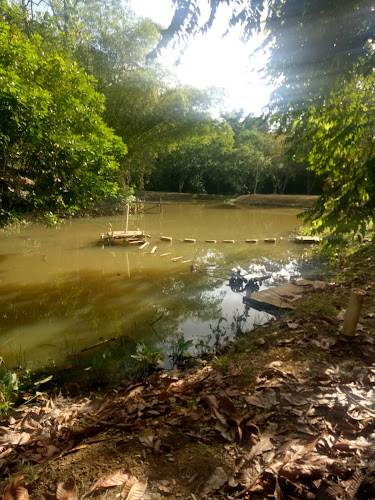
Recreational Park
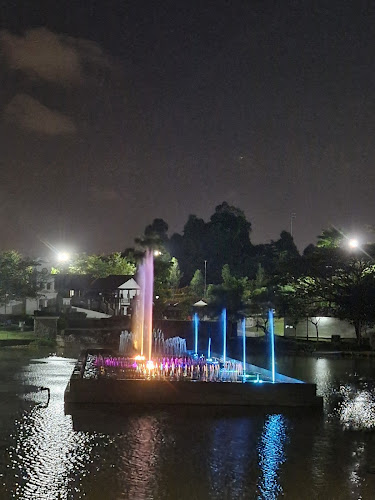
Taman Merdeka Musical Fountain
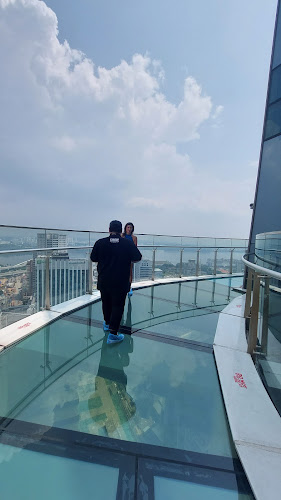
Skyscape Johor Bahru
Find Accommodations Nearby
Recommended Tours & Activities
Visitor Reviews
There are no reviews yet. Be the first one to write one.
Share Your Experience
Have you visited Sultan Abu Bakar Mosque? Help other travelers by leaving a review.