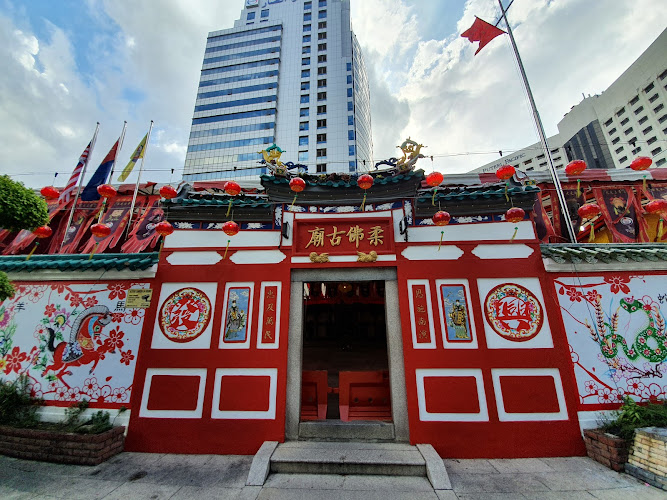
About Johor Ancient Temple

Description

The Johor Ancient Temple stands as one of Malaysia's most fascinating spiritual landmarks, drawing visitors from across the globe who want to experience authentic Taoist culture in Southeast Asia. Built way back in the 19th century, this place of worship honors five ancient deities and remains an active religious site where locals still come to pray and seek blessings. What really strikes you when you first approach the temple is just how ornate everything is - the intricate carvings, the bold reds and golds, the detailed artwork that covers nearly every surface. I remember my first visit there, and honestly, I wasn't prepared for how immersive the experience would be. This isn't just a museum piece or a tourist trap that's been sanitized for visitors. It's a living, breathing place of worship where incense smoke fills the air and devotees perform traditional rituals that have been passed down through generations. The temple complex serves multiple purposes - it's a cultural center, a community gathering space, and yes, a major tourist attraction that gives you a genuine window into the spiritual practices of Johor's Chinese community. The five deities worshipped here each represent different aspects of life and fortune, and the temple's architecture reflects this diversity through its multi-sectioned layout. Walking through the different prayer halls feels like stepping back in time, when Chinese immigrants first established their communities in Johor and needed a spiritual anchor in their new homeland. The craftsmanship throughout the complex is remarkable, with hand-painted murals, carved wooden beams, and ceramic sculptures that have survived well over a century of tropical weather and the test of time.

Key Features

The Johor Ancient Temple offers travelers several distinctive features that make it worth adding to any Johor Bahru itinerary:
  • Five Deity Halls: The temple is unique because it doesn't honor just one deity but five separate gods from different Chinese traditions, including both Buddhist and Taoist figures. Each deity has their own dedicated space within the complex.
  • Authentic 19th Century Architecture: The original structures have been carefully preserved, showcasing traditional Southern Chinese architectural styles that you won't find in more modern temples. The roof designs alone are worth studying for anyone interested in cultural architecture.
  • Intricate Decorative Elements: Every corner reveals new artistic details - from the hand-painted ceiling beams to the elaborate altar arrangements. The color scheme follows traditional feng shui principles with dominant reds, golds, and greens.
  • Active Worship Space: Unlike some heritage sites that feel frozen in time, this temple buzzes with genuine religious activity. You'll see devotees making offerings, lighting joss sticks, and consulting fortune sticks.
  • Annual Chingay Parade Connection: The temple serves as the starting point for Johor Bahru's famous Chingay Parade, one of the largest street festivals in Malaysia. Even outside parade season, you can learn about this vibrant tradition through displays at the temple.
  • Cultural Significance: This temple represents the religious harmony and multicultural heritage that defines Malaysia. It's been recognized as an important cultural landmark by heritage conservation groups.
  • Photography Opportunities: The visual richness of the temple makes it a dream for photographers, though remember to be respectful when capturing images of people praying.
  • Basic Amenities: Restroom facilities are available on site, making it easier to spend time exploring without rushing.

Best Time to Visit

Timing your visit to the Johor Ancient Temple can really make a difference in your experience, and I've learned this through multiple visits at different times of year. The absolute best time to visit if you want to witness the temple at its most spectacular is during Chinese New Year, typically falling between late January and mid-February. The entire complex gets decorated with additional lanterns, flowers, and festive ornaments. But - and this is important - you'll be sharing the space with massive crowds of worshippers and tourists. If crowds don't bother you and you love festival atmospheres, this period is unbeatable. For those who prefer a more contemplative experience, weekday mornings between 9 AM and 11 AM offer the sweet spot. You'll still see some local devotees performing their prayers, which adds authenticity to your visit, but without the overwhelming crowds that gather during festivals or weekends. The morning light filtering through the temple's courtyard creates beautiful shadows and highlights that really bring out the architectural details. The Hungry Ghost Festival (usually in August or September) is another fascinating time to visit, though again, expect more visitors than usual. During this period, you'll see special offerings and ceremonies that aren't performed during regular times of the year. Weather-wise, Johor's tropical climate means you're dealing with heat and humidity year-round. The slightly cooler months from November to January make walking around the temple grounds more comfortable, especially if you're planning to spend a couple hours really exploring the place. Just keep in mind that afternoon rain showers are common, so morning visits generally work better. I'd personally avoid visiting during major Malaysian public holidays unless they're specifically temple-related festivals. The combination of tourists and local holiday-makers can make the experience feel rushed, and you might not get the chance to really absorb the atmosphere that makes this place special. Early evening visits, around 5 PM to 7 PM, offer a different perspective as the temple lights begin to glow and the day's heat starts to dissipate. This timing works particularly well if you're combining your temple visit with exploring Johor Bahru's street food scene afterward.

How to Get There

Getting to the Johor Ancient Temple is pretty straightforward, though navigating Johor Bahru's traffic can be a bit challenging during peak hours. If you're staying in central Johor Bahru, grabbing a Grab (Southeast Asia's equivalent of Uber) is probably your easiest option. Just type in "Johor Ancient Temple" or "Johor Bahru Old Chinese Temple" in the app, and drivers will know exactly where you're heading. The fare from most central hotels shouldn't break the bank, typically ranging from RM 8 to RM 15 depending on your starting point and traffic conditions. For the more adventurous travelers who want to experience local transportation, local buses do service the area, though I'll be honest - the bus system in Johor Bahru can be confusing if you're not familiar with the routes. Bus routes that pass near the temple include several heading toward the city center, but schedules aren't always reliable. Ask your hotel reception for the most current bus information if you want to go this route. Many visitors coming from Singapore find the temple makes an excellent first stop after crossing the border at Woodlands. If you're taking a taxi from the Johor Bahru checkpoint, it's just a short ride to the temple. This works particularly well for day-trippers who want to maximize their time in Malaysia. Driving yourself is certainly possible if you've rented a car, though parking in the immediate vicinity can be tricky, especially on weekends. The temple doesn't have its own dedicated parking lot with wheelchair accessibility, which is something to keep in mind if you or your travel companions have mobility considerations. Street parking exists in the surrounding area, but you'll need to arrive early during busy periods to secure a spot. Walking to the temple from other downtown Johor Bahru attractions is totally doable if you don't mind the heat. From the Johor Bahru City Square shopping mall, it's about a 15-20 minute walk. The route takes you through some interesting local neighborhoods that give you a slice of everyday life in the city.

Tips for Visiting

Having visited multiple times and learned from a few minor mistakes, I've compiled some practical tips that'll help you get the most out of your temple visit. First and foremost, dress respectfully. This is an active place of worship, not just a tourist site. That means covering your shoulders and knees - no tank tops, short shorts, or revealing clothing. I've seen tourists turned away or asked to cover up, which is awkward for everyone involved. Lightweight, breathable modest clothing works perfectly given Johor's climate. Bring cash in small denominations if you want to make an offering or light incense, which costs just a few ringgit but adds to the authentic experience. There aren't ATMs right at the temple, so come prepared. Photography is generally allowed in most areas, but always be mindful of people who are praying. Never photograph someone mid-prayer without permission - it's simply disrespectful. And some interior altar areas might have restrictions, so watch for signs or ask one of the temple caretakers if you're unsure. The temple can get surprisingly crowded, particularly on weekends and during festival periods. If you value having space to explore and reflect, weekday mornings really are your best bet. I learned this the hard way after visiting on a Saturday afternoon and feeling like I was just shuffling through with the crowd rather than actually experiencing the place. Removing your shoes isn't required here like it is at some temples, but you should wear comfortable walking shoes since you'll be standing and walking on hard surfaces. The ornate floor tiles are beautiful but not particularly forgiving on the feet. Take your time in each section of the temple. There's so much detail that you'll miss if you rush through. I initially spent maybe 30 minutes during my first visit and felt like I barely scratched the surface. My most rewarding visit was when I dedicated almost two hours to really observing the architecture, watching the devotees, and soaking in the atmosphere. Don't be afraid to observe the prayer rituals, but maintain a respectful distance. You'll see worshippers shaking fortune sticks, burning joss paper, and making offerings. These practices are fascinating to witness and give you insight into living religious traditions. The restroom facilities are available but fairly basic, so adjust your expectations accordingly. They're functional but not luxurious. If you're visiting during major festivals, arrive extra early. The temple opens quite early in the morning, and getting there right at opening time means you'll experience the festival preparations and early ceremonies without the massive crowds that arrive later. Finally, consider hiring a local guide if you really want to understand the significance of what you're seeing. The temple's history and the stories behind each deity are rich and complex, and having someone explain the symbolism and traditions adds tremendous depth to the experience. Some hotels can arrange this, or you can find guides through local tour operators in Johor Bahru.

Key Features

  • Key Features
  • Best Time to Visit
  • How to Get There
  • Tips for Visiting

More Details

Updated March 30, 2026

Description

The Johor Ancient Temple stands as one of Malaysia’s most fascinating spiritual landmarks, drawing visitors from across the globe who want to experience authentic Taoist culture in Southeast Asia. Built way back in the 19th century, this place of worship honors five ancient deities and remains an active religious site where locals still come to pray and seek blessings. What really strikes you when you first approach the temple is just how ornate everything is – the intricate carvings, the bold reds and golds, the detailed artwork that covers nearly every surface.

I remember my first visit there, and honestly, I wasn’t prepared for how immersive the experience would be. This isn’t just a museum piece or a tourist trap that’s been sanitized for visitors. It’s a living, breathing place of worship where incense smoke fills the air and devotees perform traditional rituals that have been passed down through generations. The temple complex serves multiple purposes – it’s a cultural center, a community gathering space, and yes, a major tourist attraction that gives you a genuine window into the spiritual practices of Johor’s Chinese community.

The five deities worshipped here each represent different aspects of life and fortune, and the temple’s architecture reflects this diversity through its multi-sectioned layout. Walking through the different prayer halls feels like stepping back in time, when Chinese immigrants first established their communities in Johor and needed a spiritual anchor in their new homeland. The craftsmanship throughout the complex is remarkable, with hand-painted murals, carved wooden beams, and ceramic sculptures that have survived well over a century of tropical weather and the test of time.

Key Features

The Johor Ancient Temple offers travelers several distinctive features that make it worth adding to any Johor Bahru itinerary:

  • Five Deity Halls: The temple is unique because it doesn’t honor just one deity but five separate gods from different Chinese traditions, including both Buddhist and Taoist figures. Each deity has their own dedicated space within the complex.
  • Authentic 19th Century Architecture: The original structures have been carefully preserved, showcasing traditional Southern Chinese architectural styles that you won’t find in more modern temples. The roof designs alone are worth studying for anyone interested in cultural architecture.
  • Intricate Decorative Elements: Every corner reveals new artistic details – from the hand-painted ceiling beams to the elaborate altar arrangements. The color scheme follows traditional feng shui principles with dominant reds, golds, and greens.
  • Active Worship Space: Unlike some heritage sites that feel frozen in time, this temple buzzes with genuine religious activity. You’ll see devotees making offerings, lighting joss sticks, and consulting fortune sticks.
  • Annual Chingay Parade Connection: The temple serves as the starting point for Johor Bahru’s famous Chingay Parade, one of the largest street festivals in Malaysia. Even outside parade season, you can learn about this vibrant tradition through displays at the temple.
  • Cultural Significance: This temple represents the religious harmony and multicultural heritage that defines Malaysia. It’s been recognized as an important cultural landmark by heritage conservation groups.
  • Photography Opportunities: The visual richness of the temple makes it a dream for photographers, though remember to be respectful when capturing images of people praying.
  • Basic Amenities: Restroom facilities are available on site, making it easier to spend time exploring without rushing.

Best Time to Visit

Timing your visit to the Johor Ancient Temple can really make a difference in your experience, and I’ve learned this through multiple visits at different times of year.

The absolute best time to visit if you want to witness the temple at its most spectacular is during Chinese New Year, typically falling between late January and mid-February. The entire complex gets decorated with additional lanterns, flowers, and festive ornaments. But – and this is important – you’ll be sharing the space with massive crowds of worshippers and tourists. If crowds don’t bother you and you love festival atmospheres, this period is unbeatable.

For those who prefer a more contemplative experience, weekday mornings between 9 AM and 11 AM offer the sweet spot. You’ll still see some local devotees performing their prayers, which adds authenticity to your visit, but without the overwhelming crowds that gather during festivals or weekends. The morning light filtering through the temple’s courtyard creates beautiful shadows and highlights that really bring out the architectural details.

The Hungry Ghost Festival (usually in August or September) is another fascinating time to visit, though again, expect more visitors than usual. During this period, you’ll see special offerings and ceremonies that aren’t performed during regular times of the year.

Weather-wise, Johor’s tropical climate means you’re dealing with heat and humidity year-round. The slightly cooler months from November to January make walking around the temple grounds more comfortable, especially if you’re planning to spend a couple hours really exploring the place. Just keep in mind that afternoon rain showers are common, so morning visits generally work better.

I’d personally avoid visiting during major Malaysian public holidays unless they’re specifically temple-related festivals. The combination of tourists and local holiday-makers can make the experience feel rushed, and you might not get the chance to really absorb the atmosphere that makes this place special.

Early evening visits, around 5 PM to 7 PM, offer a different perspective as the temple lights begin to glow and the day’s heat starts to dissipate. This timing works particularly well if you’re combining your temple visit with exploring Johor Bahru’s street food scene afterward.

How to Get There

Getting to the Johor Ancient Temple is pretty straightforward, though navigating Johor Bahru’s traffic can be a bit challenging during peak hours.

If you’re staying in central Johor Bahru, grabbing a Grab (Southeast Asia’s equivalent of Uber) is probably your easiest option. Just type in “Johor Ancient Temple” or “Johor Bahru Old Chinese Temple” in the app, and drivers will know exactly where you’re heading. The fare from most central hotels shouldn’t break the bank, typically ranging from RM 8 to RM 15 depending on your starting point and traffic conditions.

For the more adventurous travelers who want to experience local transportation, local buses do service the area, though I’ll be honest – the bus system in Johor Bahru can be confusing if you’re not familiar with the routes. Bus routes that pass near the temple include several heading toward the city center, but schedules aren’t always reliable. Ask your hotel reception for the most current bus information if you want to go this route.

Many visitors coming from Singapore find the temple makes an excellent first stop after crossing the border at Woodlands. If you’re taking a taxi from the Johor Bahru checkpoint, it’s just a short ride to the temple. This works particularly well for day-trippers who want to maximize their time in Malaysia.

Driving yourself is certainly possible if you’ve rented a car, though parking in the immediate vicinity can be tricky, especially on weekends. The temple doesn’t have its own dedicated parking lot with wheelchair accessibility, which is something to keep in mind if you or your travel companions have mobility considerations. Street parking exists in the surrounding area, but you’ll need to arrive early during busy periods to secure a spot.

Walking to the temple from other downtown Johor Bahru attractions is totally doable if you don’t mind the heat. From the Johor Bahru City Square shopping mall, it’s about a 15-20 minute walk. The route takes you through some interesting local neighborhoods that give you a slice of everyday life in the city.

Tips for Visiting

Having visited multiple times and learned from a few minor mistakes, I’ve compiled some practical tips that’ll help you get the most out of your temple visit.

First and foremost, dress respectfully. This is an active place of worship, not just a tourist site. That means covering your shoulders and knees – no tank tops, short shorts, or revealing clothing. I’ve seen tourists turned away or asked to cover up, which is awkward for everyone involved. Lightweight, breathable modest clothing works perfectly given Johor’s climate.

Bring cash in small denominations if you want to make an offering or light incense, which costs just a few ringgit but adds to the authentic experience. There aren’t ATMs right at the temple, so come prepared.

Photography is generally allowed in most areas, but always be mindful of people who are praying. Never photograph someone mid-prayer without permission – it’s simply disrespectful. And some interior altar areas might have restrictions, so watch for signs or ask one of the temple caretakers if you’re unsure.

The temple can get surprisingly crowded, particularly on weekends and during festival periods. If you value having space to explore and reflect, weekday mornings really are your best bet. I learned this the hard way after visiting on a Saturday afternoon and feeling like I was just shuffling through with the crowd rather than actually experiencing the place.

Removing your shoes isn’t required here like it is at some temples, but you should wear comfortable walking shoes since you’ll be standing and walking on hard surfaces. The ornate floor tiles are beautiful but not particularly forgiving on the feet.

Take your time in each section of the temple. There’s so much detail that you’ll miss if you rush through. I initially spent maybe 30 minutes during my first visit and felt like I barely scratched the surface. My most rewarding visit was when I dedicated almost two hours to really observing the architecture, watching the devotees, and soaking in the atmosphere.

Don’t be afraid to observe the prayer rituals, but maintain a respectful distance. You’ll see worshippers shaking fortune sticks, burning joss paper, and making offerings. These practices are fascinating to witness and give you insight into living religious traditions.

The restroom facilities are available but fairly basic, so adjust your expectations accordingly. They’re functional but not luxurious.

If you’re visiting during major festivals, arrive extra early. The temple opens quite early in the morning, and getting there right at opening time means you’ll experience the festival preparations and early ceremonies without the massive crowds that arrive later.

Finally, consider hiring a local guide if you really want to understand the significance of what you’re seeing. The temple’s history and the stories behind each deity are rich and complex, and having someone explain the symbolism and traditions adds tremendous depth to the experience. Some hotels can arrange this, or you can find guides through local tour operators in Johor Bahru.

Key Highlights

  • Key Features
  • Best Time to Visit
  • How to Get There
  • Tips for Visiting

Location

Places to Stay Near Johor Ancient Temple

Find and Book a Tour

Explore More Travel Guides

No reviews found! Be the first to review!

Johor Ancient Temple is a prominent attractions located in Johor Bahru.

Visit us at: Lot 653, Jalan Trus, Bandar Johor Bahru, 80000 Johor Bahru, Johor, Malaysia.

Traveler Reviews for Johor Ancient Temple

There are no reviews yet. Be the first one to write one.

Share Your Experience

Have you visited Johor Ancient Temple? Help other travelers by sharing your review.

Find Accommodations Nearby

Recommended Tours & Activities

Visitor Reviews

There are no reviews yet. Be the first one to write one.

Share Your Experience

Have you visited Johor Ancient Temple? Help other travelers by leaving a review.