
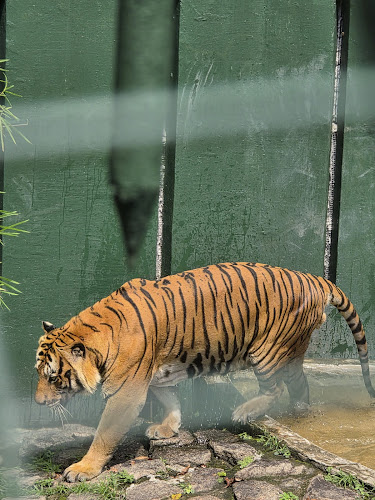
Johor Zoo
About Johor Zoo
Description
Johor Zoo holds the distinction of being Malaysia's oldest zoo, and honestly, that comes with both charm and a few rough edges that travelers should know about before planning their visit. Located in Johor Bahru, this compact wildlife park has been around since the 1920s, making it a piece of living history in the region. The facility maintains what I'd call a traditional approach to zoo-keeping—you won't find the sprawling, ultra-modern enclosures that newer facilities boast, but there's something genuinely authentic about experiencing an animal park that's been serving generations of families for nearly a century. The zoo houses around 100 different species spread across roughly 15 acres, which means you're looking at a manageable walking experience rather than an exhausting marathon. I've always appreciated zoos where you don't need to pack hiking boots and energy bars just to see everything. And while some visitors might expect cutting-edge exhibits, Johor Zoo delivers more of a straightforward, no-frills encounter with animals ranging from big cats to primates, reptiles to birds. The experience feels refreshingly unpretentious—this isn't trying to compete with Singapore Zoo or other major regional attractions, and there's actually something quite endearing about that. What really sets this place apart are the interactive experiences they've managed to incorporate. The camel feeding sessions genuinely delight kids and adults alike, and the pony rides take many visitors back to simpler times. There's also boat rides available on certain days, which adds a pleasant dimension to the visit. The small playground gives restless children a chance to burn off energy between animal viewings, which any parent will tell you is worth its weight in gold.Key Features
Visitors to Johor Zoo will discover several distinctive features that define the experience: • A petting zoo area where children can interact safely with domesticated animals, creating memorable hands-on experiences that screen-based entertainment simply can't match • Camel feeding opportunities that allow guests to get surprisingly close to these magnificent creatures—the camels here have grown quite accustomed to human interaction over the years • Pony rides that operate on weekends and public holidays, providing younger visitors with their first horseback experience in a controlled environment • Boat rides available on the zoo's small lake, offering a different perspective on the grounds and a welcome rest for tired feet • A playground facility strategically placed so parents can supervise while taking a breather from animal viewing • Gift shop stocked with animal-themed souvenirs, plush toys, and local crafts that make decent keepsakes without breaking the budget • Wheelchair accessible facilities including parking and entrances, demonstrating commitment to inclusive tourism despite the zoo's age • Acceptance of modern payment methods including credit cards, debit cards, and contactless mobile payments, which you don't always find at older attractions in this region • Relatively compact layout that allows families to complete a thorough visit in 2-3 hours without feeling rushed or exhausted • Old-growth trees throughout the property providing natural shade—a feature that newer zoos sometimes lack while waiting for landscaping to matureBest Time to Visit
Timing your visit to Johor Zoo can genuinely make or break the experience, and I've learned this applies to pretty much any outdoor attraction in Malaysia's tropical climate. The zoo operates year-round, but strategically choosing when you go will significantly impact your comfort level and what you'll actually see. Early mornings between 9 AM and 11 AM consistently prove ideal for several reasons. The animals are more active before the day's heat sets in, you'll beat the midday sun that can be absolutely punishing, and you're likely to encounter smaller crowds. I can't stress enough how different a zoo experience is when animals are actually moving around rather than sleeping in whatever shade they can find. Plus, Malaysian heat and humidity around noon can drain your energy faster than you'd expect if you're not accustomed to it. Weekdays trump weekends hands down if your schedule allows flexibility. School groups and local families descend on the zoo during weekends and public holidays, which means longer lines for interactive experiences like camel feeding and pony rides. But if weekends are your only option, arriving right when they open gives you a solid hour or two before the crowds really build up. Weather-wise, the drier months between March and October generally offer more predictable conditions. Malaysia's northeast monsoon season from November through February brings heavier rainfall, though afternoon thunderstorms can pop up pretty much any time of year. Checking the weather forecast the night before and having a backup plan if rain threatens your visit saves disappointment. School holiday periods in Malaysia—typically March, June, September, and the year-end December holidays—bring significantly larger crowds. If you're visiting during these windows, adjusting expectations about wait times becomes necessary. The zoo does get busy, but it rarely reaches the overwhelming capacity you might experience at major theme parks. Temperature considerations matter more than many travelers anticipate. Johor Bahru sits close to the equator, meaning consistent warmth throughout the year. But visiting during the slightly cooler periods from November to January, despite rainfall chances, can make walking around considerably more comfortable.How to Get There
Reaching Johor Zoo from various points in Johor Bahru is fairly straightforward, though transportation options vary depending on your comfort level and budget. The zoo sits in the Istana Besar area, which most taxi and ride-share drivers know well. For travelers staying in central Johor Bahru, grabbing a Grab (Southeast Asia's equivalent to Uber) represents probably the most convenient approach. The ride from the city center typically takes 10-15 minutes depending on traffic, with fares running between 8-15 Malaysian Ringgit. Just make sure you've got the app downloaded and set up before you need it—trying to configure payment methods while standing on a street corner isn't fun. Taxis remain available, though negotiating fair prices can require some firmness if the driver refuses to use the meter. Establishing the fare before entering the vehicle saves awkward arguments at your destination. Expect to pay slightly more than Grab rates, but the difference usually isn't dramatic enough to worry about. Driving yourself works well if you've rented a car, and the zoo provides accessible parking facilities including designated wheelchair-accessible spots. From Singapore, you're looking at crossing the Causeway or Second Link, then navigating Johor Bahru traffic to reach the zoo—figure roughly 45 minutes to an hour depending on immigration queues and traffic conditions. GPS navigation generally works reliably in this area. Public bus services do serve the general area, but I'll be honest—figuring out Johor Bahru's bus system as a tourist can feel unnecessarily complicated. If you're determined to use public transit, asking your hotel concierge for specific route information suited to your starting point saves considerable confusion. For visitors coming from Singapore specifically, some travel agencies offer day trips that include the zoo along with other Johor Bahru attractions. These packaged tours handle transportation logistics and border crossing paperwork, which appeals to travelers who prefer hassle-free experiences over independent exploration.Tips for Visiting
Making the most of your Johor Zoo experience involves some practical preparation that honestly applies to most zoo visits but becomes especially important at smaller, older facilities. I've gathered insights from multiple visits and observations that should help you avoid common pitfalls. Purchase tickets in advance when possible, though the zoo does accept walk-up visitors. Booking ahead streamlines entry, particularly during busier periods. The ticket prices remain quite reasonable compared to regional alternatives—you're definitely not looking at Singapore pricing here, which makes it accessible for budget-conscious families. Dress appropriately for tropical weather and walking. Comfortable, closed-toe shoes are non-negotiable—you'll be on your feet for a couple hours minimum, and the pathways aren't always perfectly smooth. Light, breathable clothing helps with the heat, but avoid anything too fancy that you'd be upset about getting dirty during petting zoo interactions. And please, wear sunscreen. The sun here doesn't mess around, and those old trees don't provide constant shade throughout the entire route. Bring drinking water or budget for purchasing it onsite. Staying hydrated in Malaysia's climate isn't optional, it's essential. The zoo has some refreshment areas, but bringing your own supply gives you control and saves a few ringgit. Managing expectations proves crucial for enjoying Johor Zoo. This isn't a world-class wildlife facility with naturalistic habitats spanning hundreds of acres. Some enclosures show their age, and animal welfare standards, while meeting basic requirements, might not match what visitors from certain countries consider ideal. Going in with realistic expectations about experiencing a traditional, older-style zoo helps you appreciate what's actually there rather than being disappointed by what isn't. The interactive experiences—camel feeding, pony rides—typically operate on schedules that aren't always clearly posted. Asking staff about timing when you arrive ensures you don't miss activities that particularly interest your group. Staff knowledge varies, but most can provide basic information about feeding times and availability. Bring hand sanitizer and use it religiously, especially after the petting zoo and animal feeding experiences. While handwashing facilities exist, having your own supply provides extra peace of mind, particularly when traveling with children who'll touch absolutely everything. Photography enthusiasts should note that some enclosures pose challenges for getting great shots due to cage design and placement. Managing lighting through the bars requires patience and the right angles. Early morning visits offer better natural light conditions. The gift shop prices lean toward reasonable rather than outrageously inflated, making it actually feasible to pick up small souvenirs without feeling gouged. Setting expectations with kids beforehand about what they might choose helps avoid meltdowns at the exit. Food options within the zoo remain limited, so eating a proper meal before arriving or planning to dine afterward makes more sense than expecting substantial food service onsite. Some snacks are available, but don't count on having lunch here. Finally, approach your visit with an open mind and perhaps a sense of historical appreciation. Johor Zoo won't compete with modern facilities in terms of infrastructure and exhibit design, but it offers a glimpse into how zoos operated for much of the 20th century. For travelers interested in local history and authentic experiences over polished tourist products, that alone holds considerable value.Key Features
- Key Features
- Best Time to Visit
- How to Get There
- Tips for Visiting
More Details
Updated March 30, 2026
Table of Contents
Description
Johor Zoo holds the distinction of being Malaysia’s oldest zoo, and honestly, that comes with both charm and a few rough edges that travelers should know about before planning their visit. Located in Johor Bahru, this compact wildlife park has been around since the 1920s, making it a piece of living history in the region. The facility maintains what I’d call a traditional approach to zoo-keeping—you won’t find the sprawling, ultra-modern enclosures that newer facilities boast, but there’s something genuinely authentic about experiencing an animal park that’s been serving generations of families for nearly a century.
The zoo houses around 100 different species spread across roughly 15 acres, which means you’re looking at a manageable walking experience rather than an exhausting marathon. I’ve always appreciated zoos where you don’t need to pack hiking boots and energy bars just to see everything. And while some visitors might expect cutting-edge exhibits, Johor Zoo delivers more of a straightforward, no-frills encounter with animals ranging from big cats to primates, reptiles to birds. The experience feels refreshingly unpretentious—this isn’t trying to compete with Singapore Zoo or other major regional attractions, and there’s actually something quite endearing about that.
What really sets this place apart are the interactive experiences they’ve managed to incorporate. The camel feeding sessions genuinely delight kids and adults alike, and the pony rides take many visitors back to simpler times. There’s also boat rides available on certain days, which adds a pleasant dimension to the visit. The small playground gives restless children a chance to burn off energy between animal viewings, which any parent will tell you is worth its weight in gold.
Key Features
Visitors to Johor Zoo will discover several distinctive features that define the experience:
• A petting zoo area where children can interact safely with domesticated animals, creating memorable hands-on experiences that screen-based entertainment simply can’t match
• Camel feeding opportunities that allow guests to get surprisingly close to these magnificent creatures—the camels here have grown quite accustomed to human interaction over the years
• Pony rides that operate on weekends and public holidays, providing younger visitors with their first horseback experience in a controlled environment
• Boat rides available on the zoo’s small lake, offering a different perspective on the grounds and a welcome rest for tired feet
• A playground facility strategically placed so parents can supervise while taking a breather from animal viewing
• Gift shop stocked with animal-themed souvenirs, plush toys, and local crafts that make decent keepsakes without breaking the budget
• Wheelchair accessible facilities including parking and entrances, demonstrating commitment to inclusive tourism despite the zoo’s age
• Acceptance of modern payment methods including credit cards, debit cards, and contactless mobile payments, which you don’t always find at older attractions in this region
• Relatively compact layout that allows families to complete a thorough visit in 2-3 hours without feeling rushed or exhausted
• Old-growth trees throughout the property providing natural shade—a feature that newer zoos sometimes lack while waiting for landscaping to mature
Best Time to Visit
Timing your visit to Johor Zoo can genuinely make or break the experience, and I’ve learned this applies to pretty much any outdoor attraction in Malaysia’s tropical climate. The zoo operates year-round, but strategically choosing when you go will significantly impact your comfort level and what you’ll actually see.
Early mornings between 9 AM and 11 AM consistently prove ideal for several reasons. The animals are more active before the day’s heat sets in, you’ll beat the midday sun that can be absolutely punishing, and you’re likely to encounter smaller crowds. I can’t stress enough how different a zoo experience is when animals are actually moving around rather than sleeping in whatever shade they can find. Plus, Malaysian heat and humidity around noon can drain your energy faster than you’d expect if you’re not accustomed to it.
Weekdays trump weekends hands down if your schedule allows flexibility. School groups and local families descend on the zoo during weekends and public holidays, which means longer lines for interactive experiences like camel feeding and pony rides. But if weekends are your only option, arriving right when they open gives you a solid hour or two before the crowds really build up.
Weather-wise, the drier months between March and October generally offer more predictable conditions. Malaysia’s northeast monsoon season from November through February brings heavier rainfall, though afternoon thunderstorms can pop up pretty much any time of year. Checking the weather forecast the night before and having a backup plan if rain threatens your visit saves disappointment.
School holiday periods in Malaysia—typically March, June, September, and the year-end December holidays—bring significantly larger crowds. If you’re visiting during these windows, adjusting expectations about wait times becomes necessary. The zoo does get busy, but it rarely reaches the overwhelming capacity you might experience at major theme parks.
Temperature considerations matter more than many travelers anticipate. Johor Bahru sits close to the equator, meaning consistent warmth throughout the year. But visiting during the slightly cooler periods from November to January, despite rainfall chances, can make walking around considerably more comfortable.
How to Get There
Reaching Johor Zoo from various points in Johor Bahru is fairly straightforward, though transportation options vary depending on your comfort level and budget. The zoo sits in the Istana Besar area, which most taxi and ride-share drivers know well.
For travelers staying in central Johor Bahru, grabbing a Grab (Southeast Asia’s equivalent to Uber) represents probably the most convenient approach. The ride from the city center typically takes 10-15 minutes depending on traffic, with fares running between 8-15 Malaysian Ringgit. Just make sure you’ve got the app downloaded and set up before you need it—trying to configure payment methods while standing on a street corner isn’t fun.
Taxis remain available, though negotiating fair prices can require some firmness if the driver refuses to use the meter. Establishing the fare before entering the vehicle saves awkward arguments at your destination. Expect to pay slightly more than Grab rates, but the difference usually isn’t dramatic enough to worry about.
Driving yourself works well if you’ve rented a car, and the zoo provides accessible parking facilities including designated wheelchair-accessible spots. From Singapore, you’re looking at crossing the Causeway or Second Link, then navigating Johor Bahru traffic to reach the zoo—figure roughly 45 minutes to an hour depending on immigration queues and traffic conditions. GPS navigation generally works reliably in this area.
Public bus services do serve the general area, but I’ll be honest—figuring out Johor Bahru’s bus system as a tourist can feel unnecessarily complicated. If you’re determined to use public transit, asking your hotel concierge for specific route information suited to your starting point saves considerable confusion.
For visitors coming from Singapore specifically, some travel agencies offer day trips that include the zoo along with other Johor Bahru attractions. These packaged tours handle transportation logistics and border crossing paperwork, which appeals to travelers who prefer hassle-free experiences over independent exploration.
Tips for Visiting
Making the most of your Johor Zoo experience involves some practical preparation that honestly applies to most zoo visits but becomes especially important at smaller, older facilities. I’ve gathered insights from multiple visits and observations that should help you avoid common pitfalls.
Purchase tickets in advance when possible, though the zoo does accept walk-up visitors. Booking ahead streamlines entry, particularly during busier periods. The ticket prices remain quite reasonable compared to regional alternatives—you’re definitely not looking at Singapore pricing here, which makes it accessible for budget-conscious families.
Dress appropriately for tropical weather and walking. Comfortable, closed-toe shoes are non-negotiable—you’ll be on your feet for a couple hours minimum, and the pathways aren’t always perfectly smooth. Light, breathable clothing helps with the heat, but avoid anything too fancy that you’d be upset about getting dirty during petting zoo interactions. And please, wear sunscreen. The sun here doesn’t mess around, and those old trees don’t provide constant shade throughout the entire route.
Bring drinking water or budget for purchasing it onsite. Staying hydrated in Malaysia’s climate isn’t optional, it’s essential. The zoo has some refreshment areas, but bringing your own supply gives you control and saves a few ringgit.
Managing expectations proves crucial for enjoying Johor Zoo. This isn’t a world-class wildlife facility with naturalistic habitats spanning hundreds of acres. Some enclosures show their age, and animal welfare standards, while meeting basic requirements, might not match what visitors from certain countries consider ideal. Going in with realistic expectations about experiencing a traditional, older-style zoo helps you appreciate what’s actually there rather than being disappointed by what isn’t.
The interactive experiences—camel feeding, pony rides—typically operate on schedules that aren’t always clearly posted. Asking staff about timing when you arrive ensures you don’t miss activities that particularly interest your group. Staff knowledge varies, but most can provide basic information about feeding times and availability.
Bring hand sanitizer and use it religiously, especially after the petting zoo and animal feeding experiences. While handwashing facilities exist, having your own supply provides extra peace of mind, particularly when traveling with children who’ll touch absolutely everything.
Photography enthusiasts should note that some enclosures pose challenges for getting great shots due to cage design and placement. Managing lighting through the bars requires patience and the right angles. Early morning visits offer better natural light conditions.
The gift shop prices lean toward reasonable rather than outrageously inflated, making it actually feasible to pick up small souvenirs without feeling gouged. Setting expectations with kids beforehand about what they might choose helps avoid meltdowns at the exit.
Food options within the zoo remain limited, so eating a proper meal before arriving or planning to dine afterward makes more sense than expecting substantial food service onsite. Some snacks are available, but don’t count on having lunch here.
Finally, approach your visit with an open mind and perhaps a sense of historical appreciation. Johor Zoo won’t compete with modern facilities in terms of infrastructure and exhibit design, but it offers a glimpse into how zoos operated for much of the 20th century. For travelers interested in local history and authentic experiences over polished tourist products, that alone holds considerable value.
Key Highlights
- Key Features
- Best Time to Visit
- How to Get There
- Tips for Visiting
Location
Places to Stay Near Johor Zoo
Find and Book a Tour
Explore More Travel Guides
No reviews found! Be the first to review!
Johor Zoo is a prominent attractions located in Johor Bahru.
Visit us at: Jalan Gertak Merah, Taman Istana, 80000 Johor Bahru, Johor, 馬來西亞.
Traveler Reviews for Johor Zoo
There are no reviews yet. Be the first one to write one.
Have you visited Johor Zoo? Help other travelers by sharing your review.
You Might Also Like
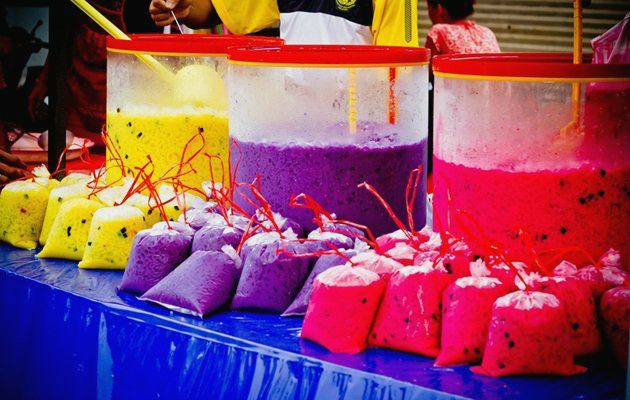
SINGGAH BELI AIR BRO
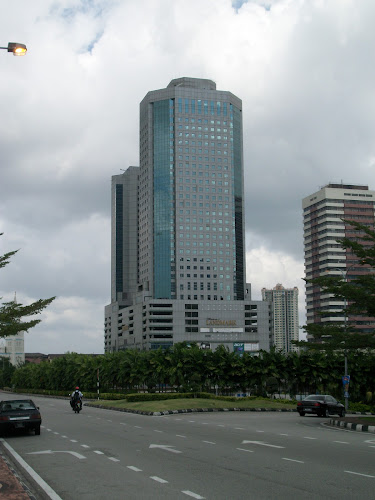
Menara Landmark Johor Bahru
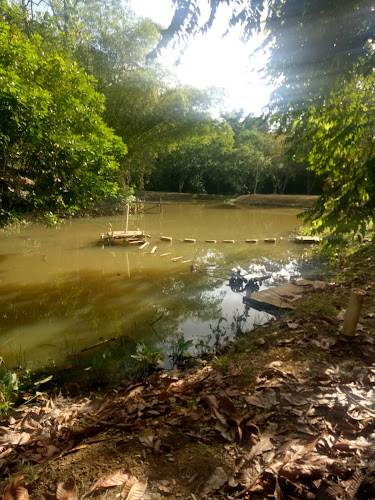
Recreational Park
Find Accommodations Nearby
Recommended Tours & Activities
Visitor Reviews
There are no reviews yet. Be the first one to write one.
Share Your Experience
Have you visited Johor Zoo? Help other travelers by leaving a review.