
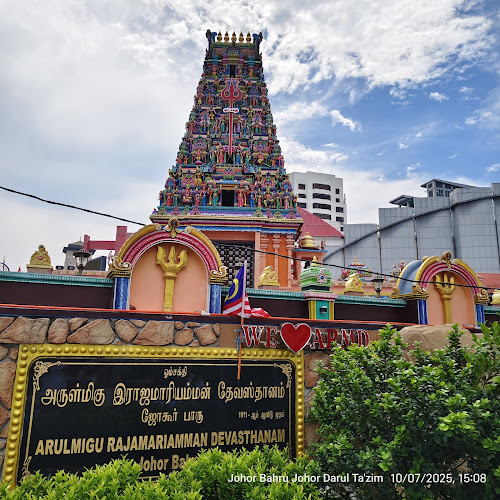
Arulmigu Rajamariamman Temple
About Arulmigu Rajamariamman Temple
The Arulmigu Rajamariamman Temple stands as a remarkable testament to South Indian architectural traditions and religious devotion. This Hindu temple draws both devoted worshippers and curious travelers who seek to understand the depth of Hindu spiritual practices and admire the intricate craftsmanship that defines traditional temple construction.
Walking through the temple grounds, visitors immediately sense the sacred atmosphere that permeates every corner of this spiritual sanctuary. The temple primarily serves the local Hindu community but has increasingly become a significant tourist attraction for those wanting authentic cultural experiences. And honestly, there's something quite special about visiting a place where genuine faith and daily worship continue uninterrupted, regardless of tourist presence.
The deity Rajamariamman holds special significance for devotees who come seeking blessings for prosperity, health, and family welfare. During my visits to similar temples across South India, I've always been struck by how these sacred spaces manage to maintain their spiritual authenticity while welcoming outsiders with genuine warmth. The Arulmigu Rajamariamman Temple exemplifies this beautiful balance between serving its religious community and sharing its cultural heritage with the world.
The temple architecture showcases traditional Dravidian design elements that have been perfected over centuries. The gopuram (tower) features detailed sculptures depicting various deities and mythological scenes from Hindu epics. These aren't just decorative elements—each carving tells a story, represents a teaching, or symbolizes a deeper philosophical concept that forms part of Hindu dharma.
What makes this temple particularly appealing for travelers is its accessibility and welcoming atmosphere. Unlike some more restrictive temple complexes, this space allows non-Hindus to observe and appreciate the religious practices while maintaining appropriate respect for the sacred nature of the site. The temple committee has made conscious efforts to create an environment where cultural exchange happens naturally.
Key Features
The Arulmigu Rajamariamman Temple offers several distinctive features that make it worth visiting:
- Traditional Dravidian architecture with intricate stone carvings and colorful gopuram displaying exceptional craftsmanship from skilled artisans
- Active daily puja (worship) ceremonies where visitors can witness authentic Hindu rituals performed by temple priests in traditional attire
- Detailed deity sculptures throughout the complex representing various forms of divine feminine energy and other important deities from the Hindu pantheon
- Wheelchair accessible facilities including designated parking areas making the temple inclusive for visitors with mobility challenges
- Onsite services including prayer assistance and guidance for those unfamiliar with Hindu temple customs and protocols
- Clean restroom facilities maintained for visitor convenience—something that isn't always guaranteed at religious sites
- Peaceful courtyard areas where visitors can sit quietly and absorb the spiritual atmosphere away from the main worship areas
- Festival celebrations throughout the year showcasing colorful processions, traditional music, and elaborate ritual performances
- Community gathering spaces where local devotees congregate, offering travelers genuine glimpses into living religious traditions
- Photography opportunities (in designated areas) allowing visitors to capture the architectural beauty while respecting sacred spaces
- Educational aspects where temple volunteers sometimes explain the significance of various rituals, deities, and architectural elements
Best Time to Visit
Timing your visit to the Arulmigu Rajamariamman Temple can significantly enhance your experience, and I've learned through multiple temple visits that choosing the right moment makes all the difference.
Early mornings between 6:00 AM and 8:00 AM offer the most serene atmosphere. The temple comes alive during morning puja when priests perform elaborate rituals with chanting, bell ringing, and offerings. The air fills with incense smoke and the energy feels particularly potent during these hours. Plus, you'll beat both the heat and the crowds—a practical consideration that shouldn't be overlooked.
Evening hours around 6:00 PM to 8:00 PM present another excellent window for visits. The temple takes on a different character as oil lamps are lit and evening prayers begin. The lighting creates an almost magical ambiance, and the cooler temperatures make exploring the grounds more comfortable. Many working devotees visit during evening hours, so you'll witness the temple functioning as a living community center.
Weekdays generally see fewer visitors compared to weekends when local families traditionally visit temples together. If you prefer quieter contemplation and better opportunities for photography, Tuesday through Thursday typically work best. But don't completely dismiss weekends—the increased activity can actually provide richer cultural insights into how temples function as social and spiritual hubs.
Festival periods transform the temple into something extraordinary. Major Hindu festivals like Navaratri, Pongal, and Thai Pusam bring spectacular celebrations with decorated chariots, traditional music performances, and special pujas. However, these periods also mean significant crowds and restricted movement. Consider whether you prioritize witnessing grand celebrations or prefer intimate spiritual experiences.
Weather-wise, visiting during cooler months between November and February provides the most comfortable experience. Tropical heat can be intense, and temple visits often involve standing for extended periods during ceremonies. The monsoon season brings its own charm with rain-washed temple stones and fewer tourists, though you'll need to prepare for wet conditions.
Avoid visiting during midday hours between 12:00 PM and 3:00 PM when both heat and crowds peak. Many temples also close briefly during afternoon hours for rest periods, so confirming opening times beforehand prevents wasted trips.
How to Get There
Reaching the Arulmigu Rajamariamman Temple requires some planning, but the journey itself can be part of your cultural adventure. The temple's accessibility has improved considerably in recent years, making it easier for international and domestic travelers to include it in their itineraries.
For those relying on public transportation, local buses serve the area regularly throughout the day. Bus routes connect to major transportation hubs in the region, though you'll need to ask locals or consult updated route maps since bus systems can be complex for newcomers. And yes, don't be shy about asking for directions—people are generally helpful and often go out of their way to assist lost-looking tourists.
Taxis and ride-sharing services provide more convenient options, particularly for travelers unfamiliar with the area. Most drivers recognize the temple name, but having the address saved on your phone or written down never hurts. Agree on fares beforehand if using non-metered taxis to avoid misunderstandings later.
Auto-rickshaws offer an economical and authentically local transportation method. These three-wheeled vehicles navigate narrow streets that larger cars can't access and provide open-air views during your journey. Bargaining is expected, so don't accept the first price quoted—aim for roughly 60-70% of the initial asking price.
If you're driving yourself, the temple maintains a dedicated parking lot with wheelchair accessible spaces. Parking areas can fill quickly during festival periods and weekends, so arriving early secures better spots. The parking is reasonably close to the main temple entrance, minimizing walking distances.
For travelers staying at hotels in the vicinity, many establishments offer transportation arrangements or can recommend reliable drivers familiar with temple routes. Some tour operators include the temple in broader cultural itineraries combining multiple attractions.
International visitors typically arrive through major airports in the region, then continue by ground transportation. The journey from airports varies depending on your starting point but generally takes between 30 minutes to 2 hours depending on traffic conditions and distance. Pre-booking airport transfers simplifies the process considerably.
Consider downloading offline maps before your visit since mobile connectivity can be spotty in some areas. GPS navigation works well in most cases, but having backup directions prevents potential frustration.
Tips for Visiting
Visiting the Arulmigu Rajamariamman Temple successfully requires understanding both practical considerations and cultural sensitivities. These tips come from real experience—mine and from countless conversations with fellow travelers and temple regulars.
Dress modestly and appropriately. This isn't just about respecting religious customs; it's about ensuring you're allowed entry. Shoulders should be covered, and clothing should extend below the knees. Avoid tight-fitting or revealing attire. Many temples provide shawls or wraps for those dressed inappropriately, but don't count on this. Women might want to carry a scarf for covering shoulders or hair if required.
Remove footwear before entering temple structures. This non-negotiable requirement means wearing shoes that slip on and off easily. Bring socks if walking on hot stone floors bothers you, though locals typically go barefoot. Shoe storage areas are provided, but keep valuables with you rather than leaving them in shoes.
Photography restrictions vary throughout the temple complex. Main sanctum areas typically prohibit photography to maintain sanctity, while outer courtyard areas may allow it. Always ask permission before photographing people, especially during worship. Some devotees feel uncomfortable being photographed during prayer, and respecting this boundary is essential.
Bring small denominations of local currency for offerings if you wish to participate in rituals. Temple donation boxes accept contributions, though giving isn't mandatory for visitors. If priests offer to perform special prayers on your behalf, understand that donations are expected—clarify any expectations beforehand to avoid awkward situations.
Maintain quiet demeanor inside temple structures. Loud conversations, phone calls, and disruptive behavior disturb worshippers. Silence your devices and speak in hushed tones. This isn't just courtesy—it's about recognizing you're in someone's sacred space.
The temple provides restroom facilities, but carrying tissue paper or sanitizer is wise since standards may differ from what Western travelers expect. The facilities are maintained but don't always stock supplies consistently.
Visit during actual puja ceremonies rather than quiet periods. Watching rituals provides authentic insights into Hindu worship practices. Position yourself where you can observe without blocking devotees who are actively participating. And here's something I learned the hard way: don't stand directly in front of the sanctum entrance during ceremonies—this space is reserved for priests and devoted worshippers.
Stay hydrated, especially during warmer months. Temple visits often last longer than anticipated, and standing during ceremonies in tropical heat drains energy quickly. Carry water bottles, though check whether drinking is permitted inside certain areas.
Engage respectfully with locals who often enjoy explaining temple significance to genuinely interested visitors. Some temples have volunteer guides who provide free tours, accepting only voluntary donations. These interactions often prove more valuable than any guidebook.
Accept prasadam (blessed food offerings) when offered, even if you don't eat it immediately. Refusing can be considered disrespectful. If dietary restrictions prevent you from eating it, accept graciously and dispose of it respectfully later.
Plan for spending 1-2 hours at the temple to fully appreciate its architectural details, observe ceremonies, and absorb the atmosphere. Rushing through diminishes the experience significantly.
Be patient with cultural differences. Temple operations might not run on strict schedules, ceremonies may start late, and explanations might be limited if language barriers exist. This flexibility is part of the authentic experience rather than a flaw to criticize.
Key Features
- Traditional South Indian Dravidian gopuram and colorful sculptures
- Active local worship with daily puja and festival celebrations
- Central Johor Bahru location — easy to reach on foot or by short taxi ride
- Photogenic temple architecture and detailed deity carvings
- Community atmosphere with nearby Indian eateries and markets
Nearby Attractions
You Might Also Like

Angry Birds Activity Park, Komtar, Johore.
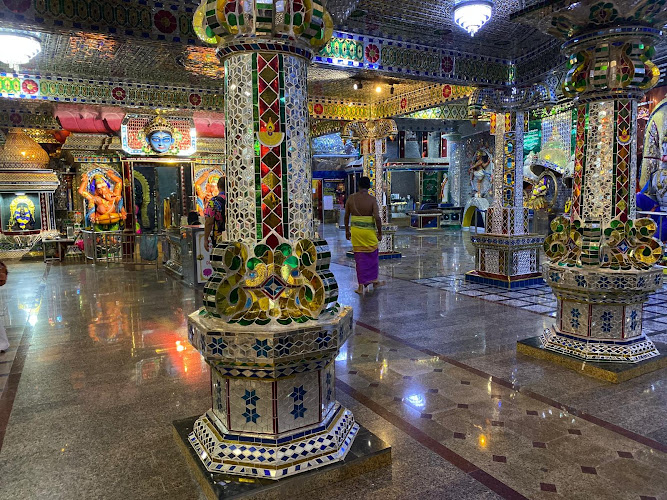
Arulmigu Sri Rajakaliamman Glass Temple

Austin Heights Water & Adventure Park
Tours & Activities
GetYourGuide provides this tour inventory. We may earn a commission if you book through it; verify current availability, prices, and terms with the provider.
Visitor Reviews
There are no reviews yet. Be the first one to write one.
Share Your Experience
Have you visited Arulmigu Rajamariamman Temple? Help other travelers by leaving a review.