

Shri Chatrapati Shivaji Maharaj Gate
About Shri Chatrapati Shivaji Maharaj Gate
Description
The Shri Chatrapati Shivaji Maharaj Gate stands as a powerful reminder of India's remarkable history and the enduring legacy of one of the nation's most celebrated warrior kings. When travelers think about historical monuments in India, their minds often jump to the Taj Mahal or the Red Fort. But here's the thing – some of the most meaningful historical experiences happen at lesser-known sites where you can actually breathe and take in the atmosphere without fighting through massive tourist crowds. This gate represents more than just an architectural structure. It's a tribute to Shivaji Maharaj, the Maratha warrior king who carved out an independent kingdom from the declining Adil Shahi dynasty and challenged the mighty Mughal empire. I remember reading about Shivaji in school and thinking he was just another historical figure in textbooks, but standing before monuments dedicated to him makes you realize the impact he had on shaping regional identity and pride that still resonates today. The gate itself serves as an entrance point that commemorates the valor, administrative genius, and progressive thinking of this 17th-century ruler. What makes this place special for families is that it offers an educational experience without being overwhelming. Your kids won't get bored here like they might at some sprawling fort complex. And honestly, that's refreshing because getting children interested in history can feel like an uphill battle sometimes. The architecture reflects the Maratha style with its practical yet dignified design. Unlike the heavily ornamental Mughal structures you'll find in North India, this gate has a straightforward strength to it. There's something authentic about that – it wasn't built to show off wealth or intimidate subjects. It was built to honor a leader who actually cared about his people's welfare.Key Features
- Historical significance as a memorial dedicated to Chatrapati Shivaji Maharaj, one of India's most revered historical figures and the founder of the Maratha Empire
- Architectural design that showcases traditional Maratha construction techniques and aesthetic sensibilities, giving visitors insight into regional building styles from the period
- Family-friendly destination that's particularly suitable for children, making it an excellent educational stop for those traveling with young ones who need to learn about Indian history in an engaging way
- Less crowded compared to major tourist attractions, allowing for peaceful contemplation and better photo opportunities without hundreds of people in your shots
- Symbolic representation of Maratha pride and culture, serving as a gathering point for locals during important festivals and commemorative events related to Shivaji Maharaj
- Accessible location that doesn't require extensive trekking or physical exertion, making it suitable for travelers of all ages and fitness levels
- Well-maintained structure that reflects community pride in preserving their cultural heritage and keeping the memory of their historical hero alive
- Opportunity to observe local culture and traditions, as the site often attracts devotees and history enthusiasts who come to pay their respects
Best Time to Visit
Timing your visit to the Shri Chatrapati Shivaji Maharaj Gate can make the difference between a memorable experience and an uncomfortable one. The ideal period falls between October and March when the weather cooperates with your sightseeing plans. During these months, temperatures stay pleasant enough that you won't feel like you're melting into the pavement. Winter mornings are particularly beautiful for visiting historical monuments. You get that soft golden light that photographers absolutely love, and the air has this crisp quality that makes everything feel more alive. I'd suggest arriving early – maybe around 7 or 8 AM if you're a morning person. You'll avoid both the heat and whatever crowds do show up later in the day. But here's something most guidebooks won't tell you: visiting during Shiv Jayanti, the birth anniversary of Chatrapati Shivaji Maharaj celebrated in February, offers a completely different experience. The site comes alive with cultural programs, local gatherings, and ceremonies that give you deeper insight into how much this historical figure means to people even today. You'll see flower decorations, hear devotional songs, and witness genuine reverence that textbooks can't capture. Summer months from April through June can be brutally hot depending on the specific location of this gate. If you must visit during this period, go very early in the morning or late afternoon. Carry water, wear a hat, and don't be a hero about the heat. Heat exhaustion isn't worth any photo opportunity. The monsoon season brings its own character to historical sites. Rain can actually enhance the beauty of old stone structures, giving them this weathered, romantic quality. However, be prepared for potential closures or difficult access if rainfall gets heavy. Check local weather forecasts before heading out. Weekdays generally see fewer visitors than weekends, which matters if you want that contemplative experience rather than a social gathering. Local holidays and festival days will naturally attract more people, so plan accordingly based on what kind of experience you're after.How to Get There
Getting to the Shri Chatrapati Shivaji Maharaj Gate requires some planning, but it's not one of those impossible-to-reach destinations that requires a sherpa and three days of hiking. The accessibility actually makes it a practical addition to most travel itineraries in the region. For travelers coming from major cities, you'll likely want to check which transportation hub is closest to this landmark. Most historical gates dedicated to Shivaji Maharaj are located in areas with reasonable connectivity since they were built to be accessible to the public. Local buses often run routes that pass near such monuments, and they're incredibly cheap – though admittedly not always the most comfortable option if you're not used to Indian public transport. Hiring a taxi or using ride-sharing apps gives you more flexibility and comfort. The drivers usually know historical landmarks well, though I'd recommend having the name written in the local language just in case. Sometimes there's a disconnect between what tourists call a place and what locals know it as. And here's a little trick – showing a picture on your phone works better than trying to pronounce unfamiliar names. If you're renting a vehicle and driving yourself, make sure you have a reliable GPS or map application downloaded with offline access. Network coverage can be spotty in some areas, and you don't want to end up lost and frustrated. Parking near historical monuments is usually available but might be informal – meaning you'll pay a local attendant a small fee rather than using an official parking structure. Auto-rickshaws work well for shorter distances if you're already in the general area. Negotiate the fare before getting in, or insist on using the meter if one's available. This saves awkward confrontations at your destination. For international travelers, the nearest airport and railway station would be your primary arrival points before arranging local transportation. Indian Railways connects most cities incredibly well, and train journeys offer their own cultural experience. Just book tickets in advance, especially during tourist season or festivals. Walking to the gate from nearby areas can be pleasant if the distance is reasonable and weather permits. It gives you a chance to observe local neighborhoods and daily life that you'd miss in a vehicle.Tips for Visiting
Dress respectfully when visiting this historical landmark. While it's not a religious site with strict dress codes, wearing modest clothing shows respect for the cultural significance of the place. Plus, it helps you blend in better with local visitors and makes interactions more comfortable. Bring your camera but be thoughtful about photography. Capture the architecture, the atmosphere, the details that make this gate special. But also remember to actually experience the place with your own eyes rather than only through a lens. I've caught myself sometimes being so focused on getting the perfect shot that I forget to actually be present in the moment. Stay hydrated, especially if you're not accustomed to the Indian climate. Carry a water bottle with you. Small shops nearby usually sell drinks and snacks, but having your own supply is smarter. If you're traveling with children, prepare them beforehand with stories about Shivaji Maharaj. Kids engage much better with historical sites when they understand the context and have some emotional connection to the story. Make it an adventure rather than an educational chore. Local guides sometimes offer their services at historical landmarks. A good guide can transform your visit from simply looking at a structure to understanding its place in history and culture. But assess their knowledge with a few questions before agreeing to hire them, and settle on a price upfront. Respect any rules or regulations posted at the site. Some areas might be restricted for preservation purposes. Don't climb on structures or deface anything – seems obvious, but you'd be surprised how many tourists treat historical monuments like playground equipment. Carry some cash in small denominations. While digital payments are increasingly common in India, historical sites and surrounding areas often operate on cash, especially for small purchases or donations. Plan for about 30 to 45 minutes at the site itself, though you might want longer if you're particularly interested in photography or if there's a special event happening. This isn't an all-day destination, which actually makes it perfect for combining with other activities in your itinerary. Talk to local visitors if you get a chance. People who come to pay respects at monuments dedicated to Shivaji Maharaj often have family stories or regional history to share that you won't find in any guidebook. These conversations can become the most memorable part of your visit. Check for any special events or ceremonies before visiting. As I mentioned earlier, certain dates have special significance, and witnessing these celebrations offers deeper cultural immersion than a standard tourist visit. Finally, take a moment to actually reflect on the history this gate represents. Shivaji Maharaj established progressive policies for his time, including protection for places of worship of all religions and the dignity of women. Understanding this context makes visiting more than just checking a landmark off your list – it becomes a genuine encounter with a legacy that still influences millions of people today.Key Features
- Prominent sculptural gateway honoring Chhatrapati Shivaji Maharaj
- Informational plaques and bas-reliefs depicting Maratha history
- Landscaped plaza with seating and walking paths
- Photogenic views of Amravati’s urban skyline at sunrise/sunset
- Accessible location near Patvipura with nearby amenities
More Details
Updated March 30, 2026
Table of Contents
- Description
- Key Features
- Best Time to Visit
- How to Get There
- Tips for Visiting
- Key Highlights
- Location
- Places to Stay Near Shri Chatrapati Shivaji Maharaj Gate
- Find and Book a Tour
- Explore More Travel Guides
- Nearby Places You Might Like
- Traveler Reviews for Shri Chatrapati Shivaji Maharaj Gate
- Share Your Experience
Description
The Shri Chatrapati Shivaji Maharaj Gate stands as a powerful reminder of India’s remarkable history and the enduring legacy of one of the nation’s most celebrated warrior kings. When travelers think about historical monuments in India, their minds often jump to the Taj Mahal or the Red Fort. But here’s the thing – some of the most meaningful historical experiences happen at lesser-known sites where you can actually breathe and take in the atmosphere without fighting through massive tourist crowds.
This gate represents more than just an architectural structure. It’s a tribute to Shivaji Maharaj, the Maratha warrior king who carved out an independent kingdom from the declining Adil Shahi dynasty and challenged the mighty Mughal empire. I remember reading about Shivaji in school and thinking he was just another historical figure in textbooks, but standing before monuments dedicated to him makes you realize the impact he had on shaping regional identity and pride that still resonates today.
The gate itself serves as an entrance point that commemorates the valor, administrative genius, and progressive thinking of this 17th-century ruler. What makes this place special for families is that it offers an educational experience without being overwhelming. Your kids won’t get bored here like they might at some sprawling fort complex. And honestly, that’s refreshing because getting children interested in history can feel like an uphill battle sometimes.
The architecture reflects the Maratha style with its practical yet dignified design. Unlike the heavily ornamental Mughal structures you’ll find in North India, this gate has a straightforward strength to it. There’s something authentic about that – it wasn’t built to show off wealth or intimidate subjects. It was built to honor a leader who actually cared about his people’s welfare.
Key Features
- Historical significance as a memorial dedicated to Chatrapati Shivaji Maharaj, one of India’s most revered historical figures and the founder of the Maratha Empire
- Architectural design that showcases traditional Maratha construction techniques and aesthetic sensibilities, giving visitors insight into regional building styles from the period
- Family-friendly destination that’s particularly suitable for children, making it an excellent educational stop for those traveling with young ones who need to learn about Indian history in an engaging way
- Less crowded compared to major tourist attractions, allowing for peaceful contemplation and better photo opportunities without hundreds of people in your shots
- Symbolic representation of Maratha pride and culture, serving as a gathering point for locals during important festivals and commemorative events related to Shivaji Maharaj
- Accessible location that doesn’t require extensive trekking or physical exertion, making it suitable for travelers of all ages and fitness levels
- Well-maintained structure that reflects community pride in preserving their cultural heritage and keeping the memory of their historical hero alive
- Opportunity to observe local culture and traditions, as the site often attracts devotees and history enthusiasts who come to pay their respects
Best Time to Visit
Timing your visit to the Shri Chatrapati Shivaji Maharaj Gate can make the difference between a memorable experience and an uncomfortable one. The ideal period falls between October and March when the weather cooperates with your sightseeing plans. During these months, temperatures stay pleasant enough that you won’t feel like you’re melting into the pavement.
Winter mornings are particularly beautiful for visiting historical monuments. You get that soft golden light that photographers absolutely love, and the air has this crisp quality that makes everything feel more alive. I’d suggest arriving early – maybe around 7 or 8 AM if you’re a morning person. You’ll avoid both the heat and whatever crowds do show up later in the day.
But here’s something most guidebooks won’t tell you: visiting during Shiv Jayanti, the birth anniversary of Chatrapati Shivaji Maharaj celebrated in February, offers a completely different experience. The site comes alive with cultural programs, local gatherings, and ceremonies that give you deeper insight into how much this historical figure means to people even today. You’ll see flower decorations, hear devotional songs, and witness genuine reverence that textbooks can’t capture.
Summer months from April through June can be brutally hot depending on the specific location of this gate. If you must visit during this period, go very early in the morning or late afternoon. Carry water, wear a hat, and don’t be a hero about the heat. Heat exhaustion isn’t worth any photo opportunity.
The monsoon season brings its own character to historical sites. Rain can actually enhance the beauty of old stone structures, giving them this weathered, romantic quality. However, be prepared for potential closures or difficult access if rainfall gets heavy. Check local weather forecasts before heading out.
Weekdays generally see fewer visitors than weekends, which matters if you want that contemplative experience rather than a social gathering. Local holidays and festival days will naturally attract more people, so plan accordingly based on what kind of experience you’re after.
How to Get There
Getting to the Shri Chatrapati Shivaji Maharaj Gate requires some planning, but it’s not one of those impossible-to-reach destinations that requires a sherpa and three days of hiking. The accessibility actually makes it a practical addition to most travel itineraries in the region.
For travelers coming from major cities, you’ll likely want to check which transportation hub is closest to this landmark. Most historical gates dedicated to Shivaji Maharaj are located in areas with reasonable connectivity since they were built to be accessible to the public. Local buses often run routes that pass near such monuments, and they’re incredibly cheap – though admittedly not always the most comfortable option if you’re not used to Indian public transport.
Hiring a taxi or using ride-sharing apps gives you more flexibility and comfort. The drivers usually know historical landmarks well, though I’d recommend having the name written in the local language just in case. Sometimes there’s a disconnect between what tourists call a place and what locals know it as. And here’s a little trick – showing a picture on your phone works better than trying to pronounce unfamiliar names.
If you’re renting a vehicle and driving yourself, make sure you have a reliable GPS or map application downloaded with offline access. Network coverage can be spotty in some areas, and you don’t want to end up lost and frustrated. Parking near historical monuments is usually available but might be informal – meaning you’ll pay a local attendant a small fee rather than using an official parking structure.
Auto-rickshaws work well for shorter distances if you’re already in the general area. Negotiate the fare before getting in, or insist on using the meter if one’s available. This saves awkward confrontations at your destination.
For international travelers, the nearest airport and railway station would be your primary arrival points before arranging local transportation. Indian Railways connects most cities incredibly well, and train journeys offer their own cultural experience. Just book tickets in advance, especially during tourist season or festivals.
Walking to the gate from nearby areas can be pleasant if the distance is reasonable and weather permits. It gives you a chance to observe local neighborhoods and daily life that you’d miss in a vehicle.
Tips for Visiting
Dress respectfully when visiting this historical landmark. While it’s not a religious site with strict dress codes, wearing modest clothing shows respect for the cultural significance of the place. Plus, it helps you blend in better with local visitors and makes interactions more comfortable.
Bring your camera but be thoughtful about photography. Capture the architecture, the atmosphere, the details that make this gate special. But also remember to actually experience the place with your own eyes rather than only through a lens. I’ve caught myself sometimes being so focused on getting the perfect shot that I forget to actually be present in the moment.
Stay hydrated, especially if you’re not accustomed to the Indian climate. Carry a water bottle with you. Small shops nearby usually sell drinks and snacks, but having your own supply is smarter.
If you’re traveling with children, prepare them beforehand with stories about Shivaji Maharaj. Kids engage much better with historical sites when they understand the context and have some emotional connection to the story. Make it an adventure rather than an educational chore.
Local guides sometimes offer their services at historical landmarks. A good guide can transform your visit from simply looking at a structure to understanding its place in history and culture. But assess their knowledge with a few questions before agreeing to hire them, and settle on a price upfront.
Respect any rules or regulations posted at the site. Some areas might be restricted for preservation purposes. Don’t climb on structures or deface anything – seems obvious, but you’d be surprised how many tourists treat historical monuments like playground equipment.
Carry some cash in small denominations. While digital payments are increasingly common in India, historical sites and surrounding areas often operate on cash, especially for small purchases or donations.
Plan for about 30 to 45 minutes at the site itself, though you might want longer if you’re particularly interested in photography or if there’s a special event happening. This isn’t an all-day destination, which actually makes it perfect for combining with other activities in your itinerary.
Talk to local visitors if you get a chance. People who come to pay respects at monuments dedicated to Shivaji Maharaj often have family stories or regional history to share that you won’t find in any guidebook. These conversations can become the most memorable part of your visit.
Check for any special events or ceremonies before visiting. As I mentioned earlier, certain dates have special significance, and witnessing these celebrations offers deeper cultural immersion than a standard tourist visit.
Finally, take a moment to actually reflect on the history this gate represents. Shivaji Maharaj established progressive policies for his time, including protection for places of worship of all religions and the dignity of women. Understanding this context makes visiting more than just checking a landmark off your list – it becomes a genuine encounter with a legacy that still influences millions of people today.
Key Highlights
- Prominent sculptural gateway honoring Chhatrapati Shivaji Maharaj
- Informational plaques and bas-reliefs depicting Maratha history
- Landscaped plaza with seating and walking paths
- Photogenic views of Amravati’s urban skyline at sunrise/sunset
- Accessible location near Patvipura with nearby amenities
Location
Places to Stay Near Shri Chatrapati Shivaji Maharaj Gate
Find and Book a Tour
Explore More Travel Guides
No reviews found! Be the first to review!
Shri Chatrapati Shivaji Maharaj Gate is a prominent Historical landmark located in Amravati.
Visit us at: WPJR+9P7, Patvipura, Amravati, Maharashtra 444601, India.
Traveler Reviews for Shri Chatrapati Shivaji Maharaj Gate
There are no reviews yet. Be the first one to write one.
Have you visited Shri Chatrapati Shivaji Maharaj Gate? Help other travelers by sharing your review.
Nearby Attractions
You Might Also Like
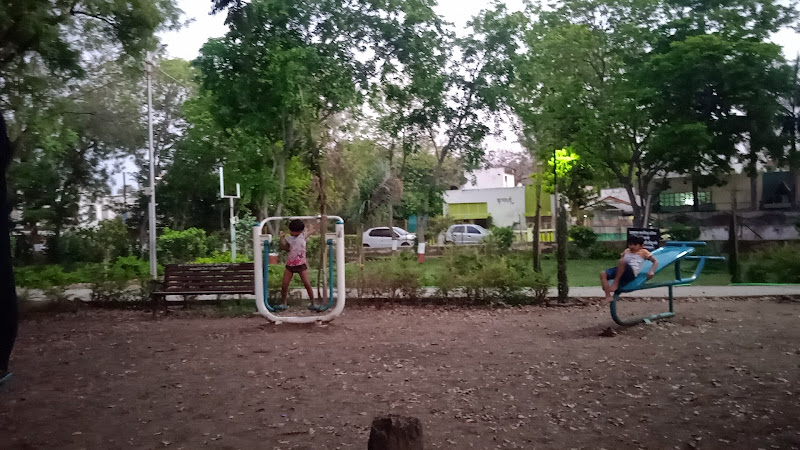
Congress Nagar Garden

Vidisha Park
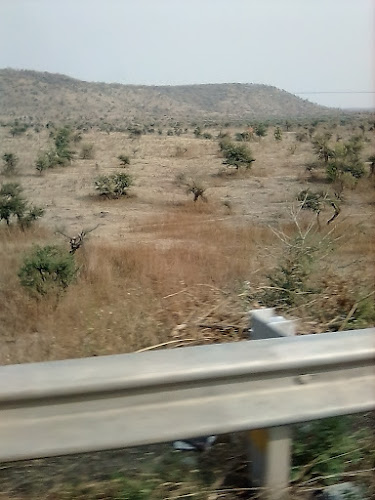
Badnera
Find Accommodations Nearby
Recommended Tours & Activities
Visitor Reviews
There are no reviews yet. Be the first one to write one.
Share Your Experience
Have you visited Shri Chatrapati Shivaji Maharaj Gate? Help other travelers by leaving a review.