
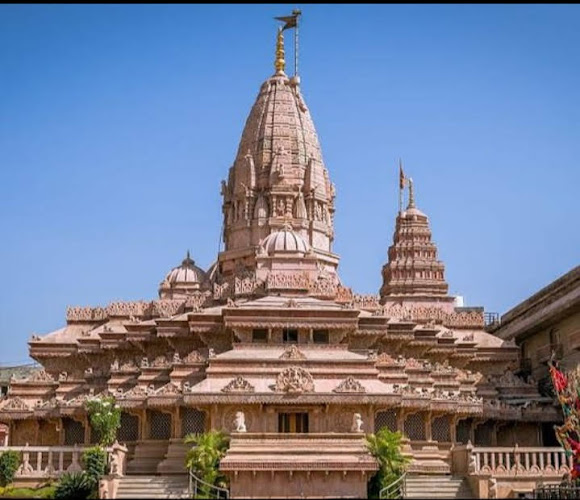
Shri Ambadevi Temple, Amravati
About Shri Ambadevi Temple, Amravati
Description
The Shri Ambadevi Temple in Amravati stands as one of Maharashtra's most revered spiritual destinations, drawing thousands of devotees and curious travelers year after year. This historic Hindu temple dedicated to Goddess Ambadevi has been a cornerstone of religious life in the region for centuries, and honestly, once you step through its gates, you'll understand why people keep coming back. The temple's architecture alone is worth the journey. I've visited quite a few temples across India, and there's something genuinely special about the intricate carvings and ornate design work here that sets it apart. The craftsmanship speaks to an era when temple construction was considered the highest form of artistic expression. Every pillar, every archway tells a story if you're patient enough to look closely. What really makes this place fascinating is how it serves as both a spiritual center and a cultural hub for Amravati. The goddess Ambadevi is believed to be a powerful manifestation of Shakti, and devotees come seeking blessings for everything from good health to prosperity. But beyond the religious significance, the temple has become woven into the very fabric of local identity. People don't just visit for prayers - they come for festivals, for community gatherings, for that sense of connection that seems harder to find in our increasingly digital world. The temple complex itself is more expansive than you might expect. There are multiple shrines within the premises, each with its own unique character and purpose. And the atmosphere shifts throughout the day - morning prayers have this serene, almost meditative quality, while evening aartis burst with energy and devotion that's genuinely moving to witness, even if you're not particularly religious yourself. One thing I appreciate about Shri Ambadevi Temple is its accessibility. The management has made genuine efforts to ensure that people with mobility challenges can experience the temple without difficulty. In a country where accessibility is often an afterthought, this is noteworthy and speaks to a progressive mindset.Key Features
The Shri Ambadevi Temple offers visitors several distinctive elements that contribute to its appeal as both a pilgrimage site and tourist destination:- Architectural Grandeur: The temple showcases traditional Hindu temple architecture with elaborate stone carvings, ornamental pillars, and detailed sculptural work that represents centuries of artistic tradition. The main shrine features impressive stonework that photographs beautifully in natural light.
- Annual Festival Celebrations: The temple hosts some of the most spectacular religious festivals in the Vidarbha region, with the Navratri celebrations being particularly renowned. During these nine days, the temple transforms into a hub of cultural activities, devotional music, and traditional dance performances.
- Wheelchair Accessibility: Complete accessibility features including wheelchair-accessible entrances, dedicated parking spaces, and accessible restroom facilities make this temple welcoming for all visitors regardless of physical limitations.
- Onsite Services: The temple provides various religious services including special pujas, archanas, and blessing ceremonies that can be arranged for devotees seeking personalized spiritual experiences.
- Multiple Shrines: Beyond the main deity, the complex houses several smaller shrines dedicated to different gods and goddesses, allowing visitors to offer prayers at multiple sacred spaces within one visit.
- Well-Maintained Facilities: Clean restrooms and proper amenities ensure visitor comfort during extended stays, which is particularly important during festival times when crowds swell considerably.
- Historical Significance: The temple's long history connects it to the broader cultural and religious heritage of Maharashtra, making it valuable not just spiritually but also from a historical perspective.
- Community Gathering Space: The temple functions as a social center where locals gather for religious discourses, cultural programs, and community events throughout the year.
Best Time to Visit
Timing your visit to Shri Ambadevi Temple really depends on what kind of experience you're after. Let me break this down based on different traveler preferences. If you want to experience the temple at its most electrifying, plan your trip during Navratri, which typically falls between September and October. These nine nights transform the entire temple complex into something extraordinary. The energy is incredible - thousands of devotees, elaborate decorations, traditional music echoing through the courtyards, and this palpable sense of collective devotion. But fair warning: you'll be dealing with massive crowds. I mean seriously large numbers of people. If you're someone who gets overwhelmed easily or has anxiety in crowded spaces, you might want to reconsider festival timing. The Chaitra Navratri in March-April is another significant period, though generally less crowded than the autumn celebrations. This could be your sweet spot if you want festival vibes without the absolutely overwhelming crowds. For a more contemplative, peaceful experience, consider visiting during the winter months from November through February. The weather in Amravati is pleasant during this period - not too hot, which is crucial because Maharashtra summers can be brutal. You'll have space to actually observe the architecture, sit quietly in meditation if that's your thing, and interact with priests without feeling rushed. Early mornings during these months are particularly special, with soft sunlight illuminating the temple's carvings and creating this almost ethereal atmosphere. Avoid the summer months of April through June if possible. Temperatures can soar above 45 degrees Celsius, and standing in courtyards or waiting in queues becomes genuinely uncomfortable. Plus, the heat can really drain your energy, making it harder to fully appreciate the experience. The monsoon season from July to September brings relief from the heat, and the temple takes on a different character with rain-washed stones and cooler air. However, travel can be complicated by heavy rains, and outdoor activities might be limited. Weekdays are generally calmer than weekends regardless of season. If your schedule allows flexibility, a Tuesday or Wednesday visit typically means shorter wait times and a more relaxed atmosphere.How to Get There
Getting to Shri Ambadevi Temple in Amravati is relatively straightforward, though it requires some planning depending on where you're starting from. Amravati is well-connected to major cities in Maharashtra and beyond. If you're flying in, the nearest airport is Dr. Babasaheb Ambedkar International Airport in Nagpur, approximately 155 kilometers away. From Nagpur, you can hire a taxi or take a bus to Amravati. The drive takes around three to four hours depending on traffic and road conditions. Many travelers prefer hiring a car because it gives you flexibility to stop along the way and adjust your schedule. The railway option is often more convenient. Amravati has its own railway station - Amravati Railway Station - which connects to Mumbai, Nagpur, Pune, and other major cities through regular train services. From the railway station, the temple is about 3-4 kilometers away. Auto-rickshaws and local taxis are readily available outside the station, and drivers generally know the temple location well. The fare should be reasonable, though it doesn't hurt to confirm the price before starting your journey. If you're already in Maharashtra and prefer road travel, Amravati is connected by a decent network of state highways. The bus service from cities like Nagpur, Mumbai, and Pune is frequent and relatively comfortable. Both government-run MSRTC buses and private operators service this route. The main bus stand in Amravati is close to the temple, making onward travel simple. For those driving their own vehicle, parking facilities are available near the temple complex. The wheelchair-accessible parking is particularly well-organized, which I found impressive during my visit. Local transportation within Amravati includes auto-rickshaws, cycle-rickshaws, and app-based cab services which have become increasingly available in recent years. The city isn't huge, so getting around is manageable even if you're not familiar with the area.Tips for Visiting
Now let me share some practical advice that'll make your visit smoother and more meaningful. First, dress modestly. This is an active place of worship, and while the temple doesn't enforce a strict dress code, wearing clothes that cover your shoulders and knees shows respect for the religious sentiments of devotees. And honestly, you'll feel less conspicuous and more comfortable. Remove your shoes before entering the main temple area - there are designated shoe-keeping facilities, though bringing a bag for your footwear isn't a bad idea. Timing matters more than you might think. Arrive early, especially if you're visiting during festival seasons or weekends. The temple opens early in the morning, and those first few hours offer the most peaceful experience. You'll avoid crowds, get better opportunities for prayer and meditation, and the morning light on the temple architecture is genuinely beautiful. Photography rules vary in different areas of the temple. Always ask permission before taking photos, particularly of the main deity or during religious ceremonies. Some areas prohibit photography entirely, and respecting these boundaries is important. That perfect Instagram shot isn't worth offending religious sensibilities or getting into uncomfortable situations with temple authorities. Keep some cash handy. While digital payments have become more common, many smaller offerings, donation boxes, and local vendors still operate on cash. Having small denominations makes transactions easier and prevents the awkwardness of asking for change. If you want to participate in special pujas or ceremonies, inquire at the temple office about procedures and costs. These personalized rituals can be deeply meaningful, but they require advance arrangement, especially during busy periods. Stay hydrated, particularly if you're visiting during warmer months. There are water facilities available, but carrying your own water bottle is smart. The temple complex requires some walking, and dehydration happens faster than you'd expect. Be patient and observant. Temple rituals follow specific timing and protocols. If you're unfamiliar with Hindu worship practices, watching others and following their lead is perfectly acceptable. Most devotees and temple staff are happy to guide genuinely curious visitors. For photography enthusiasts, the exterior architecture and courtyards offer excellent opportunities without violating any restrictions. The intricate carvings and structural details deserve attention, and spending time really looking at the craftsmanship adds depth to your visit. If you're visiting during festivals, prepare for noise, crowds, and long wait times. Bring patience and perhaps some snacks, though be mindful about where you eat - consuming food in certain areas is considered inappropriate. Consider visiting with a local guide or someone familiar with the temple's history and significance. The stories, legends, and historical context transform the experience from simple sightseeing into something more enriching. Even spending twenty minutes talking with knowledgeable locals can provide insights you'd never get from guidebooks. Finally, approach the temple with an open mind. Whether you're deeply religious, casually spiritual, or purely interested in culture and architecture, the Shri Ambadevi Temple offers something meaningful. Let yourself experience it on whatever level feels authentic to you.Key Features
- Dedicated shrine to Goddess Ambadevi (form of Durga)
- Historic presence with mentions in local gazetteers and regional lore
- Central location at Gandhi Square, easy to reach on foot or by local transport
- Vibrant devotional atmosphere, especially during Navratri and other festivals
- Intimate temple layout allowing close-up worship and photography (respectful)
More Details
Updated March 30, 2026
Table of Contents
Description
The Shri Ambadevi Temple in Amravati stands as one of Maharashtra’s most revered spiritual destinations, drawing thousands of devotees and curious travelers year after year. This historic Hindu temple dedicated to Goddess Ambadevi has been a cornerstone of religious life in the region for centuries, and honestly, once you step through its gates, you’ll understand why people keep coming back.
The temple’s architecture alone is worth the journey. I’ve visited quite a few temples across India, and there’s something genuinely special about the intricate carvings and ornate design work here that sets it apart. The craftsmanship speaks to an era when temple construction was considered the highest form of artistic expression. Every pillar, every archway tells a story if you’re patient enough to look closely.
What really makes this place fascinating is how it serves as both a spiritual center and a cultural hub for Amravati. The goddess Ambadevi is believed to be a powerful manifestation of Shakti, and devotees come seeking blessings for everything from good health to prosperity. But beyond the religious significance, the temple has become woven into the very fabric of local identity. People don’t just visit for prayers – they come for festivals, for community gatherings, for that sense of connection that seems harder to find in our increasingly digital world.
The temple complex itself is more expansive than you might expect. There are multiple shrines within the premises, each with its own unique character and purpose. And the atmosphere shifts throughout the day – morning prayers have this serene, almost meditative quality, while evening aartis burst with energy and devotion that’s genuinely moving to witness, even if you’re not particularly religious yourself.
One thing I appreciate about Shri Ambadevi Temple is its accessibility. The management has made genuine efforts to ensure that people with mobility challenges can experience the temple without difficulty. In a country where accessibility is often an afterthought, this is noteworthy and speaks to a progressive mindset.
Key Features
The Shri Ambadevi Temple offers visitors several distinctive elements that contribute to its appeal as both a pilgrimage site and tourist destination:
- Architectural Grandeur: The temple showcases traditional Hindu temple architecture with elaborate stone carvings, ornamental pillars, and detailed sculptural work that represents centuries of artistic tradition. The main shrine features impressive stonework that photographs beautifully in natural light.
- Annual Festival Celebrations: The temple hosts some of the most spectacular religious festivals in the Vidarbha region, with the Navratri celebrations being particularly renowned. During these nine days, the temple transforms into a hub of cultural activities, devotional music, and traditional dance performances.
- Wheelchair Accessibility: Complete accessibility features including wheelchair-accessible entrances, dedicated parking spaces, and accessible restroom facilities make this temple welcoming for all visitors regardless of physical limitations.
- Onsite Services: The temple provides various religious services including special pujas, archanas, and blessing ceremonies that can be arranged for devotees seeking personalized spiritual experiences.
- Multiple Shrines: Beyond the main deity, the complex houses several smaller shrines dedicated to different gods and goddesses, allowing visitors to offer prayers at multiple sacred spaces within one visit.
- Well-Maintained Facilities: Clean restrooms and proper amenities ensure visitor comfort during extended stays, which is particularly important during festival times when crowds swell considerably.
- Historical Significance: The temple’s long history connects it to the broader cultural and religious heritage of Maharashtra, making it valuable not just spiritually but also from a historical perspective.
- Community Gathering Space: The temple functions as a social center where locals gather for religious discourses, cultural programs, and community events throughout the year.
Best Time to Visit
Timing your visit to Shri Ambadevi Temple really depends on what kind of experience you’re after. Let me break this down based on different traveler preferences.
If you want to experience the temple at its most electrifying, plan your trip during Navratri, which typically falls between September and October. These nine nights transform the entire temple complex into something extraordinary. The energy is incredible – thousands of devotees, elaborate decorations, traditional music echoing through the courtyards, and this palpable sense of collective devotion. But fair warning: you’ll be dealing with massive crowds. I mean seriously large numbers of people. If you’re someone who gets overwhelmed easily or has anxiety in crowded spaces, you might want to reconsider festival timing.
The Chaitra Navratri in March-April is another significant period, though generally less crowded than the autumn celebrations. This could be your sweet spot if you want festival vibes without the absolutely overwhelming crowds.
For a more contemplative, peaceful experience, consider visiting during the winter months from November through February. The weather in Amravati is pleasant during this period – not too hot, which is crucial because Maharashtra summers can be brutal. You’ll have space to actually observe the architecture, sit quietly in meditation if that’s your thing, and interact with priests without feeling rushed. Early mornings during these months are particularly special, with soft sunlight illuminating the temple’s carvings and creating this almost ethereal atmosphere.
Avoid the summer months of April through June if possible. Temperatures can soar above 45 degrees Celsius, and standing in courtyards or waiting in queues becomes genuinely uncomfortable. Plus, the heat can really drain your energy, making it harder to fully appreciate the experience.
The monsoon season from July to September brings relief from the heat, and the temple takes on a different character with rain-washed stones and cooler air. However, travel can be complicated by heavy rains, and outdoor activities might be limited.
Weekdays are generally calmer than weekends regardless of season. If your schedule allows flexibility, a Tuesday or Wednesday visit typically means shorter wait times and a more relaxed atmosphere.
How to Get There
Getting to Shri Ambadevi Temple in Amravati is relatively straightforward, though it requires some planning depending on where you’re starting from.
Amravati is well-connected to major cities in Maharashtra and beyond. If you’re flying in, the nearest airport is Dr. Babasaheb Ambedkar International Airport in Nagpur, approximately 155 kilometers away. From Nagpur, you can hire a taxi or take a bus to Amravati. The drive takes around three to four hours depending on traffic and road conditions. Many travelers prefer hiring a car because it gives you flexibility to stop along the way and adjust your schedule.
The railway option is often more convenient. Amravati has its own railway station – Amravati Railway Station – which connects to Mumbai, Nagpur, Pune, and other major cities through regular train services. From the railway station, the temple is about 3-4 kilometers away. Auto-rickshaws and local taxis are readily available outside the station, and drivers generally know the temple location well. The fare should be reasonable, though it doesn’t hurt to confirm the price before starting your journey.
If you’re already in Maharashtra and prefer road travel, Amravati is connected by a decent network of state highways. The bus service from cities like Nagpur, Mumbai, and Pune is frequent and relatively comfortable. Both government-run MSRTC buses and private operators service this route. The main bus stand in Amravati is close to the temple, making onward travel simple.
For those driving their own vehicle, parking facilities are available near the temple complex. The wheelchair-accessible parking is particularly well-organized, which I found impressive during my visit.
Local transportation within Amravati includes auto-rickshaws, cycle-rickshaws, and app-based cab services which have become increasingly available in recent years. The city isn’t huge, so getting around is manageable even if you’re not familiar with the area.
Tips for Visiting
Now let me share some practical advice that’ll make your visit smoother and more meaningful.
First, dress modestly. This is an active place of worship, and while the temple doesn’t enforce a strict dress code, wearing clothes that cover your shoulders and knees shows respect for the religious sentiments of devotees. And honestly, you’ll feel less conspicuous and more comfortable. Remove your shoes before entering the main temple area – there are designated shoe-keeping facilities, though bringing a bag for your footwear isn’t a bad idea.
Timing matters more than you might think. Arrive early, especially if you’re visiting during festival seasons or weekends. The temple opens early in the morning, and those first few hours offer the most peaceful experience. You’ll avoid crowds, get better opportunities for prayer and meditation, and the morning light on the temple architecture is genuinely beautiful.
Photography rules vary in different areas of the temple. Always ask permission before taking photos, particularly of the main deity or during religious ceremonies. Some areas prohibit photography entirely, and respecting these boundaries is important. That perfect Instagram shot isn’t worth offending religious sensibilities or getting into uncomfortable situations with temple authorities.
Keep some cash handy. While digital payments have become more common, many smaller offerings, donation boxes, and local vendors still operate on cash. Having small denominations makes transactions easier and prevents the awkwardness of asking for change.
If you want to participate in special pujas or ceremonies, inquire at the temple office about procedures and costs. These personalized rituals can be deeply meaningful, but they require advance arrangement, especially during busy periods.
Stay hydrated, particularly if you’re visiting during warmer months. There are water facilities available, but carrying your own water bottle is smart. The temple complex requires some walking, and dehydration happens faster than you’d expect.
Be patient and observant. Temple rituals follow specific timing and protocols. If you’re unfamiliar with Hindu worship practices, watching others and following their lead is perfectly acceptable. Most devotees and temple staff are happy to guide genuinely curious visitors.
For photography enthusiasts, the exterior architecture and courtyards offer excellent opportunities without violating any restrictions. The intricate carvings and structural details deserve attention, and spending time really looking at the craftsmanship adds depth to your visit.
If you’re visiting during festivals, prepare for noise, crowds, and long wait times. Bring patience and perhaps some snacks, though be mindful about where you eat – consuming food in certain areas is considered inappropriate.
Consider visiting with a local guide or someone familiar with the temple’s history and significance. The stories, legends, and historical context transform the experience from simple sightseeing into something more enriching. Even spending twenty minutes talking with knowledgeable locals can provide insights you’d never get from guidebooks.
Finally, approach the temple with an open mind. Whether you’re deeply religious, casually spiritual, or purely interested in culture and architecture, the Shri Ambadevi Temple offers something meaningful. Let yourself experience it on whatever level feels authentic to you.
Key Highlights
- Dedicated shrine to Goddess Ambadevi (form of Durga)
- Historic presence with mentions in local gazetteers and regional lore
- Central location at Gandhi Square, easy to reach on foot or by local transport
- Vibrant devotional atmosphere, especially during Navratri and other festivals
- Intimate temple layout allowing close-up worship and photography (respectful)
Location
Places to Stay Near Shri Ambadevi Temple, Amravati
Find and Book a Tour
Explore More Travel Guides
No reviews found! Be the first to review!
Shri Ambadevi Temple, Amravati is a prominent Hindu temple located in Amravati.
Visit us at: WPGX+VGV, Akshay Rajgure Rd, Amravati, Maharashtra 444601, India.
Traveler Reviews for Shri Ambadevi Temple, Amravati
There are no reviews yet. Be the first one to write one.
Have you visited Shri Ambadevi Temple, Amravati? Help other travelers by sharing your review.
Nearby Attractions
You Might Also Like
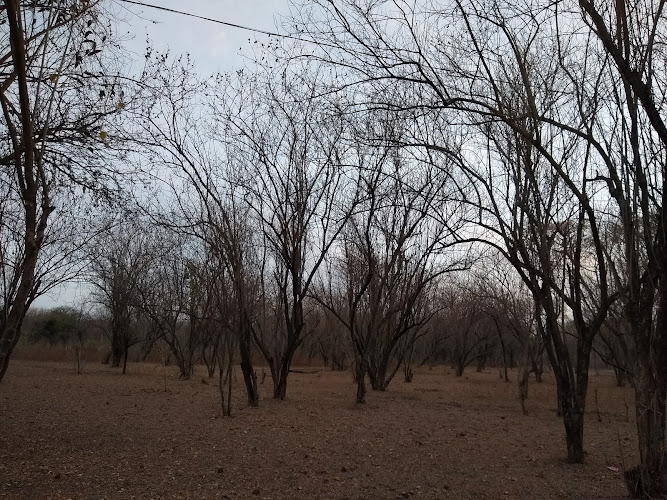
VMV Forest Reserv
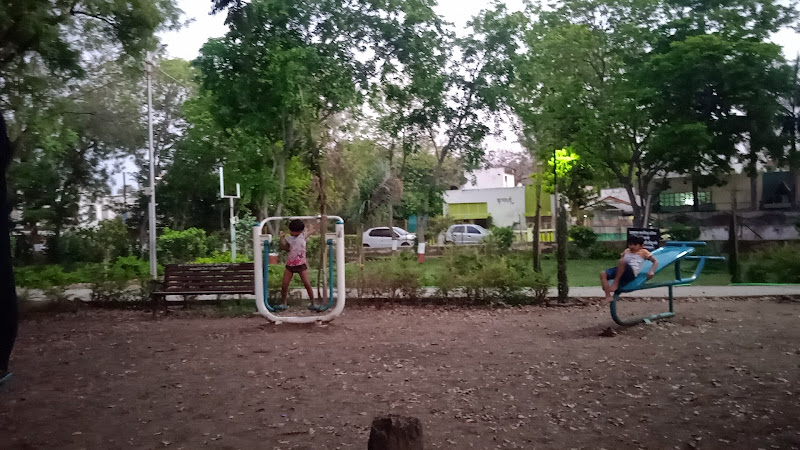
Congress Nagar Garden
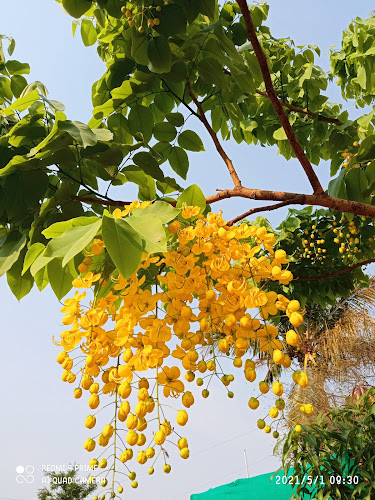
Vidisha Park
Find Accommodations Nearby
Recommended Tours & Activities
Visitor Reviews
There are no reviews yet. Be the first one to write one.
Share Your Experience
Have you visited Shri Ambadevi Temple, Amravati? Help other travelers by leaving a review.