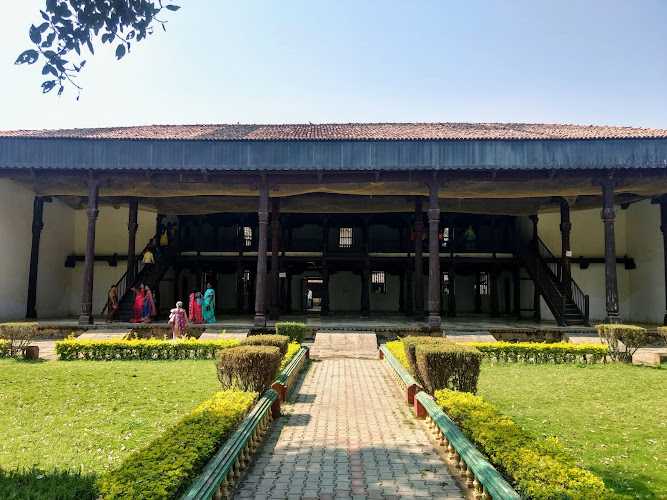
The Shivappa Nayaka Palace Museum stands as one of Karnataka’s most fascinating historical treasures, offering travelers a genuine glimpse into the glory days of the Keladi Nayaka dynasty.
Highlights & Key Features
Key Features
Best Time to Visit
How to Get There
Tips for Visiting
Visitor Guide & Information
Description
The Shivappa Nayaka Palace Museum stands as one of Karnataka’s most fascinating historical treasures, offering travelers a genuine glimpse into the glory days of the Keladi Nayaka dynasty. Located in Shimoga district, this 16th-century architectural marvel has been carefully transformed into a museum that houses an impressive collection of artifacts, sculptures, and relics from a bygone era.
I’ve always found that the best historical sites are the ones that make you feel like you’re stepping through a portal in time, and this palace does exactly that. The structure itself tells stories through its weathered walls and intricate carvings, while the museum collections inside bring depth to the narrative of this powerful dynasty that once ruled over significant portions of Karnataka.
The palace was originally built during the reign of Shivappa Nayaka, who ruled from 1645 to 1660 and is remembered as one of the most able administrators of his time. Walking through these halls, visitors can appreciate the blend of Dravidian and Hoysala architectural styles that characterize the building. The palace underwent significant renovation work to preserve its historical integrity while making it accessible for modern visitors, and honestly, the restoration work has been done with remarkable sensitivity to the original structure.
What makes this museum particularly special is its diverse collection that includes ancient weaponry, intricate wooden carvings, stone sculptures, and manuscripts that offer insights into the administrative brilliance of the Keladi rulers. The palace complex isn’t just about static displays either – it’s a living testament to the cultural and political significance of this region during medieval times.
Key Features
The Shivappa Nayaka Palace Museum offers several distinctive features that make it worth including in any Karnataka itinerary:
• An extensive collection of ancient weapons and armor that showcase the military prowess of the Keladi dynasty, including swords, shields, and even cannons that defended the kingdom
• Exquisite stone sculptures dating back several centuries, featuring deities and mythological figures carved with remarkable precision and artistry
• Rare manuscripts and inscriptions that document the administrative systems, land grants, and cultural practices of the period
• Beautifully preserved wooden architecture including carved pillars and doorways that demonstrate the craftsmanship of medieval artisans
• A collection of coins from different periods that illustrate the economic history and trade connections of the region
• Traditional household items and royal artifacts that provide intimate details about daily life in the palace
• Archaeological findings from nearby excavation sites that connect the palace to broader historical narratives
• Well-maintained gardens surrounding the palace that offer peaceful spots for reflection and photography
• Detailed informational plaques in multiple languages that help visitors understand the context and significance of various exhibits
• Original construction techniques visible in certain sections where the building’s age and authenticity become apparent
Best Time to Visit
Planning your visit to the Shivappa Nayaka Palace Museum requires considering both weather conditions and practical factors. The ideal time to explore this historical site is between October and March when Karnataka’s climate becomes considerably more pleasant. During these months, temperatures remain comfortable, typically ranging between 15 to 28 degrees Celsius, making it perfect for spending time exploring both the indoor museum spaces and the outdoor palace grounds.
But here’s something I’ve learned from visiting historical sites across India – the monsoon season from June to September actually has its own charm if you don’t mind occasional showers. The palace looks absolutely stunning when rain-washed, and the surrounding greenery comes alive. However, be prepared for humidity and carry appropriate rain gear if you’re visiting during these months.
The summer months from April to May can get quite hot, with temperatures sometimes soaring above 35 degrees Celsius. If you’re traveling during this period, I’d suggest visiting early in the morning right when the museum opens or later in the afternoon to avoid the midday heat.
Weekdays generally see fewer crowds compared to weekends, which means you’ll have more space and time to appreciate the exhibits without feeling rushed. And if you’re someone who enjoys photography, the morning light filtering through the palace’s ancient architecture creates some truly magical moments.
The museum typically operates on standard schedules, but it’s worth noting that like many government-managed heritage sites in India, there might be occasional closures on public holidays or for maintenance work. Planning your visit during festival seasons can be rewarding too, as sometimes special exhibitions or cultural programs are organized.
How to Get There
Reaching the Shivappa Nayaka Palace Museum is relatively straightforward, though it requires some planning depending on where you’re starting your journey. The palace is situated in Shimoga, which is well-connected to major cities in Karnataka and neighboring states.
If you’re flying in, the nearest airport is Mangalore International Airport, approximately 160 kilometers away. From there, you can hire a taxi or take a bus to Shimoga. Alternatively, Bangalore’s Kempegowda International Airport is about 275 kilometers away and offers more flight options for international and domestic travelers.
For those traveling by train, Shimoga has its own railway station with connections to Bangalore, Mysore, and other important cities. The palace is roughly 4-5 kilometers from the railway station, and local transportation options including auto-rickshaws and taxis are readily available.
Road connectivity to Shimoga is excellent, and honestly, I think driving through the Western Ghats region is one of the most scenic experiences you can have in South India. Regular bus services operate from Bangalore (around 6-7 hours), Mangalore (approximately 4 hours), and Mysore (about 5 hours). Private vehicles and hired cars are also popular options for travelers who prefer flexibility in their schedules.
Once you reach Shimoga city, finding the palace is easy as it’s one of the main tourist attractions. Local auto-rickshaw drivers are familiar with the location, and most ride-sharing apps also function well in the area. The palace is located within the city limits, making it accessible without requiring extensive local travel.
Tips for Visiting
Making the most of your visit to the Shivappa Nayaka Palace Museum requires some practical preparation. First things first – wear comfortable walking shoes. The palace grounds are extensive, and you’ll be doing quite a bit of walking on uneven surfaces and climbing stairs to explore different sections.
Photography enthusiasts should note that while photography is generally allowed in outdoor areas, there might be restrictions inside certain museum sections. Always check with the authorities before clicking pictures of specific artifacts. And speaking from experience, early morning visits offer the best natural lighting for photography without harsh shadows.
Hiring a local guide can transform your experience from merely seeing artifacts to truly understanding their historical context. These guides often share fascinating stories and details that aren’t mentioned on information plaques. The fees are usually quite reasonable, and the knowledge you gain makes it worthwhile.
Carry sufficient water, especially if you’re visiting during warmer months. While there are basic facilities available, having your own water bottle ensures you stay hydrated throughout your exploration. Small snacks can also be handy as the nearest restaurants might be a short distance away from the palace complex.
The entry fees are typically modest, but carry some cash as card payment facilities might not always be available. Also, keep some change handy for tips, small purchases, or emergency expenses.
Plan to spend at least 2-3 hours at the museum if you want to properly appreciate the collections and architecture. Rushing through diminishes the experience significantly. I’d suggest arriving with enough time before closing hours to avoid feeling hurried.
Respect the heritage site by not touching artifacts, climbing on structures not meant for visitors, or littering. These preservation efforts ensure future generations can enjoy this historical treasure just as you are.
If you’re interested in deeper historical context, doing some background reading about the Keladi Nayaka dynasty before your visit enriches the experience tremendously. Understanding the political landscape of medieval Karnataka helps you appreciate the significance of what you’re seeing.
Combine your palace visit with exploring other attractions in Shimoga district like the Jog Falls or Agumbe rainforests to make the most of your trip to this region. The area offers diverse experiences from historical to natural attractions, making it perfect for extended stays.
The Shivappa Nayaka Palace Museum stands as one of Karnataka’s most fascinating historical treasures, offering travelers a genuine glimpse into the glory days of the Keladi Nayaka dynasty. Located in Shimoga district, this 16th-century architectural marvel has been carefully transformed into a museum that houses an impressive collection of artifacts, sculptures, and relics from a bygone era.
I’ve always found that the best historical sites are the ones that make you feel like you’re stepping through a portal in time, and this palace does exactly that. The structure itself tells stories through its weathered walls and intricate carvings, while the museum collections inside bring depth to the narrative of this powerful dynasty that once ruled over significant portions of Karnataka.
The palace was originally built during the reign of Shivappa Nayaka, who ruled from 1645 to 1660 and is remembered as one of the most able administrators of his time. Walking through these halls, visitors can appreciate the blend of Dravidian and Hoysala architectural styles that characterize the building. The palace underwent significant renovation work to preserve its historical integrity while making it accessible for modern visitors, and honestly, the restoration work has been done with remarkable sensitivity to the original structure.
What makes this museum particularly special is its diverse collection that includes ancient weaponry, intricate wooden carvings, stone sculptures, and manuscripts that offer insights into the administrative brilliance of the Keladi rulers. The palace complex isn’t just about static displays either – it’s a living testament to the cultural and political significance of this region during medieval times.
Key Features
The Shivappa Nayaka Palace Museum offers several distinctive features that make it worth including in any Karnataka itinerary:
• An extensive collection of ancient weapons and armor that showcase the military prowess of the Keladi dynasty, including swords, shields, and even cannons that defended the kingdom
• Exquisite stone sculptures dating back several centuries, featuring deities and mythological figures carved with remarkable precision and artistry
• Rare manuscripts and inscriptions that document the administrative systems, land grants, and cultural practices of the period
• Beautifully preserved wooden architecture including carved pillars and doorways that demonstrate the craftsmanship of medieval artisans
• A collection of coins from different periods that illustrate the economic history and trade connections of the region
• Traditional household items and royal artifacts that provide intimate details about daily life in the palace
• Archaeological findings from nearby excavation sites that connect the palace to broader historical narratives
• Well-maintained gardens surrounding the palace that offer peaceful spots for reflection and photography
• Detailed informational plaques in multiple languages that help visitors understand the context and significance of various exhibits
• Original construction techniques visible in certain sections where the building’s age and authenticity become apparent
Best Time to Visit
Planning your visit to the Shivappa Nayaka Palace Museum requires considering both weather conditions and practical factors. The ideal time to explore this historical site is between October and March when Karnataka’s climate becomes considerably more pleasant. During these months, temperatures remain comfortable, typically ranging between 15 to 28 degrees Celsius, making it perfect for spending time exploring both the indoor museum spaces and the outdoor palace grounds.
But here’s something I’ve learned from visiting historical sites across India – the monsoon season from June to September actually has its own charm if you don’t mind occasional showers. The palace looks absolutely stunning when rain-washed, and the surrounding greenery comes alive. However, be prepared for humidity and carry appropriate rain gear if you’re visiting during these months.
The summer months from April to May can get quite hot, with temperatures sometimes soaring above 35 degrees Celsius. If you’re traveling during this period, I’d suggest visiting early in the morning right when the museum opens or later in the afternoon to avoid the midday heat.
Weekdays generally see fewer crowds compared to weekends, which means you’ll have more space and time to appreciate the exhibits without feeling rushed. And if you’re someone who enjoys photography, the morning light filtering through the palace’s ancient architecture creates some truly magical moments.
The museum typically operates on standard schedules, but it’s worth noting that like many government-managed heritage sites in India, there might be occasional closures on public holidays or for maintenance work. Planning your visit during festival seasons can be rewarding too, as sometimes special exhibitions or cultural programs are organized.
How to Get There
Reaching the Shivappa Nayaka Palace Museum is relatively straightforward, though it requires some planning depending on where you’re starting your journey. The palace is situated in Shimoga, which is well-connected to major cities in Karnataka and neighboring states.
If you’re flying in, the nearest airport is Mangalore International Airport, approximately 160 kilometers away. From there, you can hire a taxi or take a bus to Shimoga. Alternatively, Bangalore’s Kempegowda International Airport is about 275 kilometers away and offers more flight options for international and domestic travelers.
For those traveling by train, Shimoga has its own railway station with connections to Bangalore, Mysore, and other important cities. The palace is roughly 4-5 kilometers from the railway station, and local transportation options including auto-rickshaws and taxis are readily available.
Road connectivity to Shimoga is excellent, and honestly, I think driving through the Western Ghats region is one of the most scenic experiences you can have in South India. Regular bus services operate from Bangalore (around 6-7 hours), Mangalore (approximately 4 hours), and Mysore (about 5 hours). Private vehicles and hired cars are also popular options for travelers who prefer flexibility in their schedules.
Once you reach Shimoga city, finding the palace is easy as it’s one of the main tourist attractions. Local auto-rickshaw drivers are familiar with the location, and most ride-sharing apps also function well in the area. The palace is located within the city limits, making it accessible without requiring extensive local travel.
Tips for Visiting
Making the most of your visit to the Shivappa Nayaka Palace Museum requires some practical preparation. First things first – wear comfortable walking shoes. The palace grounds are extensive, and you’ll be doing quite a bit of walking on uneven surfaces and climbing stairs to explore different sections.
Photography enthusiasts should note that while photography is generally allowed in outdoor areas, there might be restrictions inside certain museum sections. Always check with the authorities before clicking pictures of specific artifacts. And speaking from experience, early morning visits offer the best natural lighting for photography without harsh shadows.
Hiring a local guide can transform your experience from merely seeing artifacts to truly understanding their historical context. These guides often share fascinating stories and details that aren’t mentioned on information plaques. The fees are usually quite reasonable, and the knowledge you gain makes it worthwhile.
Carry sufficient water, especially if you’re visiting during warmer months. While there are basic facilities available, having your own water bottle ensures you stay hydrated throughout your exploration. Small snacks can also be handy as the nearest restaurants might be a short distance away from the palace complex.
The entry fees are typically modest, but carry some cash as card payment facilities might not always be available. Also, keep some change handy for tips, small purchases, or emergency expenses.
Plan to spend at least 2-3 hours at the museum if you want to properly appreciate the collections and architecture. Rushing through diminishes the experience significantly. I’d suggest arriving with enough time before closing hours to avoid feeling hurried.
Respect the heritage site by not touching artifacts, climbing on structures not meant for visitors, or littering. These preservation efforts ensure future generations can enjoy this historical treasure just as you are.
If you’re interested in deeper historical context, doing some background reading about the Keladi Nayaka dynasty before your visit enriches the experience tremendously. Understanding the political landscape of medieval Karnataka helps you appreciate the significance of what you’re seeing.
Combine your palace visit with exploring other attractions in Shimoga district like the Jog Falls or Agumbe rainforests to make the most of your trip to this region. The area offers diverse experiences from historical to natural attractions, making it perfect for extended stays.
Shivappa Nayaka Palace Museum: Discover History, Art & Secrets Revealed
Right by the Tunga River in Shimoga, Karnataka, the Shivappa Nayaka Palace Museum gives you a real peek into South India’s colorful past. This 17th-century palace, built mostly from rosewood and stone, came to life thanks to the powerful Keladi Nayaka dynasty. Today, it stands out as one of the region’s most intriguing heritage sites.
Inside, you’ll spot sculptures, inscriptions, and artifacts that stretch from the Keladi era all the way back to the Chalukya and Hoysala dynasties. If you’re curious about Karnataka’s roots, this place is a must-see. But honestly, what makes it unforgettable isn’t just the stuff in glass cases. Those carved wooden pillars, the arched panels in the Durbar Hall, and the classic Malnad architecture—those are what really pull you back through time.
The palace sits right in the middle of Shivamogga city, surrounded by gardens that give you a breather from the busy streets. Whether you geek out over history or just want something a little different on your Karnataka trip, this museum has a vibe most tourists never even hear about.
Key Takeaways
The Keladi Nayaka dynasty built the palace in the 17th century using rosewood—a pretty bold move for the time
The museum shows off rare sculptures and artifacts from the Keladi, Chalukya, and Hoysala dynasties
You’ll get to see classic Malnad architecture, complete with carved wooden pillars and the historic Durbar Hall
Shivappa Nayaka Palace Museum Overview
The Shivappa Nayaka Palace Museum sits right on the banks of the River Tunga in Shivamogga. It’s both a time capsule of Karnataka’s royal past and a treasure chest of ancient artifacts. Inside this two-story building, you’ll find an awesome collection of sculptures, inscriptions, and hero stones from the Hoysala, Chalukya, and Keladi eras.
Historical Significance
The palace takes its name from Shivappa Nayaka, a 17th-century Keladi ruler, but here’s the twist—Hyder Ali actually built the structure in the 18th century. Art historian George Michell pointed this out, and it catches a lot of visitors off guard who figure the Nayaka king built it himself.
Back in the day, royals lived here before it became the Government Museum. Now, Karnataka’s Archaeological Survey protects it. When you step into the Durbar hall, those massive wooden pillars and arched panels really show off the era’s craftsmanship.
Upstairs, balconies overlook the main hall, so you get a sense of how the royals lived. The palace grounds hold artifacts from nearby temples and archaeological digs, like those stunning 12th-century sculptures of Mahishasura Mardhini and Uma-Maheshvara from Belagutti.
Location and Address Details
You’ll find the Shivappanaika Palace cum Museum smack in the heart of Shivamogga city (used to be called Shimoga), which is the district HQ. The gardens around it are perfect for a stroll before or after you check out the museum.
Since the palace is centrally located, you can easily pair it with other Shimoga sights. And because it’s right next to the River Tunga, the riverfront is worth a look too.
Museum Timings and Entry Fees
The museum sticks to regular hours most of the week, but it’s smart to call ahead during festival seasons since timings can change. Entry fees are pretty reasonable—no nasty surprises for either locals or international travelers.
Inside the Durbar hall, staff can be strict about photography, so it’s best to ask before you start snapping pics of the pillars or artifacts. The staff are usually friendly and happy to point out the highlights if you’re short on time.
Give yourself at least an hour to take in the sculptures and inscriptions. Don’t skip the outdoor courtyard with the hero stones—some of those Kannada inscriptions go back to the 12th and 13th centuries. They’re easy to miss if you rush.
The Legacy of Shivappa Nayaka and the Keladi Nayaka Dynasty
Shivappa Nayaka ruled from 1645 to 1660 and really put the Keladi Nayaka dynasty on the map as one of Karnataka’s strongest kingdoms. He didn’t just win wars—his tax reforms and support for the arts shaped a legacy you can still see in the palace museum today.
Keladi King Shivappa Nayaka: Life and Achievements
Shivappa Nayaka grabbed the throne in 1645 after removing his nephew Veerabhadra Naik. Sounds a bit ruthless, but he turned out to be one of the sharpest rulers the Keladi dynasty ever saw.
His military moves were bold. He pushed back the Bijapur Sultans, fought off the Mysore kings, and basically kicked the Portuguese out of the Canara coast by capturing all their forts. That ended their political run in the region.
But what really made him stand out? His grip on economics and farming. Shivappa rolled out tax and revenue systems that worked so well, even British officials later gave him props. That’s not something you hear every day.
Under his rule, the kingdom grew to cover big chunks of what we now call Karnataka. He knew that real power wasn’t just about winning fights—it was about building systems that lasted.
Keladi Period Influence
The Keladi Nayaka dynasty picked up where the Vijayanagara Empire left off in the late 1500s. They ran the coastal and hill areas of Karnataka, building a one-of-a-kind kingdom in the Malnad region.
During their time, the Keladi kings set up administrative systems that blended local traditions with practical rule. The palace in Shivamogga is a solid example of their style—lots of rosewood and detailed carvings.
The museum inside now holds artifacts from the Keladi era, plus pieces from the Chalukya and Hoysala periods. The sculptures and relics show how the Keladi rulers fit into Karnataka’s bigger cultural picture.
Their reach went beyond politics—they shaped daily life through farming and trade along the coast.
Patronage of Art and Literature
Shivappa Nayaka wasn’t just a fighter—he backed artists and writers, too. His support helped culture thrive alongside the kingdom’s military muscle.
The palace itself proves this love for the arts. Those carved wooden pillars and wall designs aren’t just for show—they’re proof of the craftsmanship that flourished under Keladi rule. Every detail says something about what the dynasty cared about.
The art from his time, now displayed in the museum, shows off a refined creative sense. The stone carvings and sculptures took real skill and, clearly, generous royal support.
This blend of strength and creativity made the Keladi era stand out in Karnataka’s history. Shivappa seemed to get that a kingdom’s story isn’t just about territory—it’s about the art and culture it leaves behind.
The Architecture and Design of Shivappa Nayaka Palace
The palace is a standout example of Malnad architecture, built mostly from rosewood. You’ll spot features like an open-pillared Durbar hall and balconies that really highlight the skill of 17th-century builders.
Rosewood Construction and Malnad Style
Walk into Shivappa Nayaka Palace and you’ll instantly feel the difference from other Indian palaces. It’s built mainly from rosewood—a gutsy move for its time. This isn’t your usual stone fortress.
The Malnad style matches the region’s hills and heavy rains. The design uses features to handle the Western Ghats weather. The two-story building hugs the Tunga river, and its layout borrows from traditional Kerala-influenced plans that were popular in coastal Karnataka.
The way wood and stone come together is what really sets this place apart. The rosewood brings a cozy, almost homely vibe you just don’t get from cold stone. Some historians even say the palace looks a bit like Tipu Sultan’s Summer Palace in Bangalore, hinting at later tweaks or influences.
Durbar Hall and Wooden Pillars
The Durbar hall is the palace’s heart. This open-pillared space is where the action happened. The rosewood pillars are thick, solid, and beautifully carved—each one carefully set to hold up the floor above.
As you walk through, you can’t help but notice how the pillars set the rhythm in the room. They’re not just holding things up—they’re a statement. The detail on these supports shows just how skilled the old artisans were, even without modern tools.
Behind the main hall, you’ll see four rooms that served different roles back in the palace’s heyday. The whole ground floor wraps around this central gathering spot, which hosted court events and royal meetups.
Balconies and Living Chambers
Staircases rise up from the hall to the palace’s second-floor balconies. From up there, you get nice views of the gardens and river. These balconies aren’t just for show—they let the royals watch what was happening below.
The upper floor holds the living quarters where daily life played out. Each room sits around the central space and gets plenty of light and air. The design takes full advantage of breezes—way before anyone thought of air conditioning.
With two stories, the palace clearly separates public areas from private ones. Official stuff happened downstairs, while family life stayed tucked away above.
Museum Collections and Notable Artifacts
The museum is packed with archaeological gems from several dynasties. You’ll find religious sculptures, memorial stones, and artifacts dug up from across Shimoga. Pieces from the Hoysala and Keladi periods fill the place, each with its own story from Karnataka’s rich history.
Inscriptions and Sculptures Display
If you’re into religious art, you’ll probably hang out in the sculpture gallery for a while. The collection has some amazing deity sculptures, all dug up from temples around the Shimoga district.
The reclining Vishnu idol stands out—you just can’t walk past it. It’s the museum’s showstopper, showing Vishnu in a meditative pose, with details that somehow survived for centuries. There’s also a bold Surya sculpture, decked out in full regalia, plus striking images of Uma-Maheshvara (that’s Shiva and Parvati together), a fierce Bhairava, and the powerful Mahisasuramardhini, where Durga takes down the buffalo demon.
The inscriptions and sculptures section has a bunch of stone carvings with ancient Kannada script too. These old inscriptions talk about land grants, temple donations, and how rulers ran things back then. But, unless you can actually read old Kannada, you’ll probably just admire these for their style and craftsmanship more than the stories they tell.
Hero Stones and Antiquities
The hero stones section is honestly fascinating, though most people breeze by it. These memorial stones, or veeragallu in Kannada, honor warriors who died in battle or while defending their villages.
You’ll see detailed carvings showing battle scenes, usually with the hero riding up to heaven. Some stones even remember women who committed sati—though, yeah, that’s a whole other conversation these days. Each stone gives you a real snapshot of local history and social customs from centuries ago.
The antiquities section isn’t just about hero stones. You’ll find everyday objects, coins from different eras, and weapons that show how people lived and fought. There’s a whole room for weapons and coins, which military history fans will love.
Artifacts from the Hoysala and Chalukya Eras
The Hoysala era pieces might be the most impressive sculptures you’ll see here. The Hoysalas really knew their craft, and you can spot their attention to detail in every artifact.
You get that classic Hoysala look—super detailed, flowing lines, loads of ornamentation. There are bits from temple walls, decorative panels, and architectural pieces that once belonged to grand old buildings.
The Chalukya artifacts are just as cool, but the vibe is different. They’re a bit more understated, but the skill is obvious. When you add in items from the Keladi period, you get a sense of how art styles changed as different dynasties came and went in Karnataka. It’s a crash course in how local art evolved over the centuries.
Fascinating Stories and Historical Events
The palace walls have seen power struggles that shaped South India’s politics. Mysore rulers grabbed the building, and there were run-ins with distant empires—each era left its own mark on the place.
Hyder Ali and the Mysore Rulers
Despite the name, you’re actually standing in a building that Hyder Ali, the Mysore ruler from the 18th century, built while expanding his kingdom. Art historian George Michell pointed out this twist—the palace wasn’t built during Shivappa Nayaka’s time at all.
Hyder Ali picked Shivamogga for a reason. The city sat right on key trade routes, so controlling it meant controlling business between the coast and the interior.
He designed the structure for real administrative work. The huge Durbar hall? That’s where he held court and settled disputes with local chiefs. Those wooden pillars in the hall? They’re not just for show—they symbolize Mysore’s growing power over the old Keladi lands.
After the Keladi dynasty faded, Hyder Ali took over their territory. He built this palace to make sure everyone knew Mysore was in charge of what used to be Keladi stronghold.
Secrets of the Maratha and Mughal Encounters
The Keladi Nayakas—who the palace is named after—had to fight off both Maratha raiders and Mughal forces in the 17th century. Shivappa Nayaka became a legend for standing up to these northern powers, especially when most southern kingdoms fell.
The Marathas tried to push south, looking for tribute and land. But the Keladi fighters, using the Malnad hills to their advantage, went guerrilla and frustrated the invaders.
Mughal emperor Aurangzeb sent his armies to take the Deccan. The Keladi rulers refused to give in, holding on to their independence even as neighboring kingdoms caved. That stubbornness helped preserve local culture and traditions, which you can still see in the museum’s artifacts today.
British Era Transitions
When the British defeated Tipu Sultan (Hyder Ali’s son) in 1799, they shook up the whole region. The palace lost its power and sat forgotten for a while.
By the early 1900s, British officials finally realized the building’s historical value. They started using it to store archaeological finds from around the district. Local officers gathered sculptures, inscriptions, and hero stones from old temples and abandoned sites.
Turning the palace into a museum actually saved it. Without that new purpose, the place probably would’ve crumbled. British archaeological teams documented and protected the building, and Karnataka’s Archaeological Survey still looks after it today.
Visitor Experience and Practical Travel Tips
Getting There: By Road, Rail, and Air
Shivamogga connects well by road. KSRTC runs regular buses from Bangalore (about 280 km), Mangalore (140 km), and Mysore. If you’re driving, the highways are fine, but expect some tight stretches as you approach town.
The Shivamogga railway station is just 2 km from the palace. Trains come in from Bangalore, though not as often as buses. You can grab an auto-rickshaw and be at the museum in under 10 minutes.
The closest airport is Mangalore International, about 135 km away. Honestly, most people just take the bus—it’s cheaper and pretty convenient. Bangalore’s Kempegowda International Airport is also an option, but that’s a longer trip at around 280 km.
Best Times to Visit and Local Insights
October to February is the best window to visit. The weather’s mild, and you skip the brutal summer heat. Monsoon season (June to September) can be rough—the River Tunga rises, and heavy rain might mess with your plans.
The museum usually opens at 10 AM and closes by 5:30 PM, but it’s shut on Mondays and public holidays. Try to get there early if you want to avoid big school groups. The Archaeology Department of Karnataka keeps things running smoothly and the place is well maintained.
Entry fees are tiny—just a few rupees for Indian visitors, a bit more for foreigners. You can take photos in most parts, but don’t use flash near sensitive artifacts.
Nearby Attractions in Shivamogga
While you’re in Shimoga, check out the Tunga River. The riverbanks near the palace are surprisingly peaceful, even though you’re right in the city center.
Sakrebailu Elephant Camp is only 14 km away, and it’s worth the quick trip if you’ve got time. You can watch elephants bathe and maybe even get close—kids and adults both love it. Jog Falls, one of India’s tallest waterfalls, is about 100 km out. The drive’s a bit long, but lots of people combine both spots in one day. The falls are wild during the monsoon, but that’s also when the palace area gets the heaviest rain.
Frequently Asked Questions
The palace museum runs on a fixed schedule with low entry fees. It’s good to know about closure days and camera rules before you go.
What are the current opening hours, weekly closure days, and last entry time for the palace museum?
The Shivappa Nayaka Palace Museum opens from 10:00 AM to 5:00 PM. It’s closed every Monday and on government holidays, so plan your visit around that.
Since the museum locks up at 5:00 PM sharp, try to get there by 3:30 PM. That way, you won’t have to rush through the exhibits.
Honestly, mornings or late afternoons are the best times to go. It’s cooler, and you can really take in the detailed rosewood carvings and the gardens outside.
How much is the entry fee, and are there separate charges for cameras, guides, or special exhibitions?
The Archaeological Survey of India keeps the entry fee pretty low for this heritage site. Honestly, you won’t need to worry about spending too much to get in.
But here’s something people sometimes miss—if you want to use a camera inside, you’ll have to pay a separate fee. It’s a good idea to check about photography charges at the ticket counter before you start taking pictures.
Some exhibits don’t allow photography at all. The staff at the entrance will let you know which areas are okay for photos and which aren’t.
Explore verified points of interest within walking or short transit distance.
No neighboring places mapped within 5 km yet.
Find Places to Stay Nearby
Stay22 provides this accommodation search. We may earn a commission if you book through it; verify current prices and terms with the provider.
🗺️
Interactive accommodation map requires marketing cookies to display live rates.
Recommended Experiences & Activities
GetYourGuide provides this tour inventory. We may earn a commission if you book through it; verify current availability, prices, and terms with the provider.
Top Viator Experiences & Guided Tours in Shivamogga
We may earn a commission if you book through links on this page at no extra cost to you. All tours feature verified customer reviews and flexible cancellation options.