About Archaeological Museum Kurnool

Description

The Archaeological Museum in Kurnool stands as one of Andhra Pradesh's most intriguing repositories of ancient history, and honestly, it's one of those places that doesn't get nearly enough attention in travel guides. Located in a region that's been inhabited for thousands of years, this museum houses an impressive collection of artifacts that tell the story of human civilization in the Deccan plateau. I remember when I first heard about Kurnool's archaeological significance—I was genuinely surprised that more people weren't talking about it. This museum specifically focuses on prehistoric and early historic periods, making it particularly fascinating for anyone interested in how our ancestors lived. The collections here span from the Paleolithic era right through to medieval times, which is a pretty massive timeline when you think about it. What makes this place special is that many of the artifacts were discovered in and around Kurnool itself, giving visitors a direct connection to the land they're standing on. The building might not be the most modern structure you'll encounter, but there's something authentic about that. It's clearly a place built with purpose rather than flash, which somehow makes the experience feel more genuine. The museum serves both as a research center and a public exhibition space, meaning you're getting access to genuinely important archaeological materials, not just tourist-friendly replicas. For travelers who appreciate history beyond the usual palace tours and colonial architecture, this museum offers something different. It's a chance to understand the deep history of this region—we're talking about periods when humans were just figuring out how to make stone tools and create permanent settlements. And that's pretty incredible when you stop to think about it.

Key Features

The Archaeological Museum Kurnool presents several remarkable elements that make it worth adding to your itinerary: • Extensive prehistoric tool collection featuring implements from the Paleolithic, Mesolithic, and Neolithic periods that were actually discovered in local caves and rock shelters • Buddhist artifacts including sculptures, inscriptions, and relics from ancient Buddhist settlements that once thrived in this region • A significant collection of ancient coins spanning different dynasties that ruled over the Deccan, providing insight into the economic history of southern India • Stone age paintings and rock art reproductions that help visitors understand the artistic expressions of early humans • Megalithic burial pottery and iron age artifacts showcasing the evolution of burial practices and metallurgy • Hindu and Jain sculptures from medieval periods demonstrating the religious diversity of historical Kurnool • Inscriptions in various ancient scripts including Brahmi and early Telugu, which are fascinating if you're into linguistics or epigraphy • Fossil remains and paleontological specimens that contextualize human history within geological time • Well-documented exhibits explaining the archaeological excavations conducted in the Kurnool district, complete with photographs and maps • Child-friendly displays that make ancient history accessible to younger visitors, though parents should note there aren't extensive interactive elements The museum is good for kids according to visitor feedback, though I'd recommend it more for older children who have some appreciation for history. Younger ones might get restless unless you make it engaging for them with stories and games.

Best Time to Visit

Timing your visit to the Archaeological Museum Kurnool requires thinking about both weather conditions and your own travel preferences. The museum operates year-round, but your experience will definitely vary depending on when you go. October through February represents the ideal window for visiting. The weather during these months is significantly more pleasant, with temperatures ranging from about 15 to 30 degrees Celsius. Since you'll likely be walking around the museum grounds and possibly exploring other archaeological sites in Kurnool, comfortable weather makes a real difference. I've done museum visits in scorching heat before, and let me tell you, it seriously diminishes your ability to focus on what you're seeing. March and April start getting quite hot, with temperatures climbing above 40 degrees Celsius. If you're visiting during these months, plan to reach the museum early in the morning—aim for right when it opens. The building itself provides some relief from the heat, but getting there and walking around can be exhausting in peak summer. The monsoon season from June to September brings relief from the heat but also unpredictable rainfall. The museum itself will be fine to visit during this time, but traveling around Kurnool might be slightly more challenging depending on road conditions. Weekdays are generally quieter than weekends, which is pretty standard for museums everywhere. But here's something I've noticed—Indian museums often see more local visitors during school holidays and public holidays. If you prefer a more contemplative experience with fewer crowds, avoid visiting during major festival periods or school vacation times. Morning visits tend to be better than afternoon ones, not just because of heat considerations but because you'll likely have more energy to really engage with the exhibits. Museums require concentration, and there's only so much information your brain can absorb when you're already tired from other activities.

How to Get There

Getting to Kurnool and subsequently to the Archaeological Museum requires some planning, but it's definitely manageable for most travelers. By air, your nearest major airport is Rajiv Gandhi International Airport in Hyderabad, which sits roughly 210 kilometers from Kurnool. From there, you'll need to arrange road transportation. The drive takes about four to five hours depending on traffic and which route you take. Several bus services operate between Hyderabad and Kurnool, and hiring a private taxi is also an option if you prefer comfort and flexibility. Railway connections to Kurnool are actually quite good. The Kurnool City Railway Station connects to major cities including Hyderabad, Bangalore, and Chennai. From the railway station, the museum is accessible by local transportation—auto-rickshaws and taxis are readily available. The journey from the station to the museum should take around 15-20 minutes depending on traffic. Road travel is probably the most flexible option if you're already touring Andhra Pradesh or neighboring states. Kurnool is well-connected by state highways and national highways. The road infrastructure has improved significantly in recent years, making the journey more comfortable than it used to be. Once you're in Kurnool city, getting to the museum itself is straightforward. Local auto-rickshaw drivers generally know the location. If you're using app-based cab services, they operate in Kurnool though perhaps not as extensively as in bigger cities. For international travelers, I'd recommend flying into Hyderabad and spending a day or two there before heading to Kurnool. This breaks up the journey and lets you acclimatize a bit, especially if you're dealing with jet lag.

Tips for Visiting

Making the most of your Archaeological Museum visit requires a bit of preparation and knowing what to expect. First off, check the museum's opening hours before you go. Indian museums sometimes have irregular schedules, and the last thing you want is to arrive only to find it closed for some administrative reason. Typically, the museum remains closed on Fridays and certain public holidays, but this can change. Photography policies vary in Indian museums. Some allow it without flash, others don't permit photography at all. Carry a small notepad if you like documenting what you see—sometimes taking notes is actually more memorable than snapping photos anyway. The museum doesn't have a restaurant according to available information, so plan accordingly. Carry water and perhaps some snacks, especially if you're traveling with children. Kurnool has plenty of dining options, but you don't want hunger cutting short your museum experience. Hiring a guide can significantly enhance your visit. The artifacts are labeled, but having someone who can provide context and answer questions makes a huge difference. If official guides aren't available, sometimes museum staff members are willing to share information if you ask politely. Wear comfortable shoes. This seems obvious, but you'd be surprised how many people show up to museums in inappropriate footwear and then spend the whole time uncomfortable. You'll be standing and walking more than you might expect. Bring a light jacket or shawl even in moderate weather. Museum interiors can sometimes be cooler than expected, and you don't want to be uncomfortable. Allow at least two to three hours for a thorough visit. Rushing through defeats the purpose. If you're genuinely interested in archaeology, you could easily spend half a day here. The exhibits deserve your attention and contemplation. Respect the museum rules and the artifacts. These are irreplaceable pieces of human heritage. Don't touch exhibits unless explicitly permitted, and maintain appropriate behavior. Museums are shared spaces, and everyone deserves to enjoy them. Consider combining your museum visit with other archaeological sites around Kurnool. The region has several caves, rock shelters, and historical sites that complement what you'll see in the museum. This creates a more comprehensive understanding of the area's historical significance. Learn a bit about the region's history before visiting if possible. Even just reading a basic overview of Andhra Pradesh's archaeological importance will make the exhibits more meaningful. Context transforms random old objects into fascinating windows into the past. And honestly? Go with an open mind. This isn't going to be like visiting the Louvre or the British Museum. It's a regional archaeological museum with specific focus areas. But that specificity is exactly what makes it valuable. You're seeing artifacts that tell a particular story about a particular place, and that's something worth appreciating on its own terms.

Key Features

  • Key Features
  • Best Time to Visit
  • How to Get There
  • Tips for Visiting

More Details

Updated January 18, 2026

Description

The Archaeological Museum in Kurnool stands as one of Andhra Pradesh’s most intriguing repositories of ancient history, and honestly, it’s one of those places that doesn’t get nearly enough attention in travel guides. Located in a region that’s been inhabited for thousands of years, this museum houses an impressive collection of artifacts that tell the story of human civilization in the Deccan plateau. I remember when I first heard about Kurnool’s archaeological significance—I was genuinely surprised that more people weren’t talking about it.

This museum specifically focuses on prehistoric and early historic periods, making it particularly fascinating for anyone interested in how our ancestors lived. The collections here span from the Paleolithic era right through to medieval times, which is a pretty massive timeline when you think about it. What makes this place special is that many of the artifacts were discovered in and around Kurnool itself, giving visitors a direct connection to the land they’re standing on.

The building might not be the most modern structure you’ll encounter, but there’s something authentic about that. It’s clearly a place built with purpose rather than flash, which somehow makes the experience feel more genuine. The museum serves both as a research center and a public exhibition space, meaning you’re getting access to genuinely important archaeological materials, not just tourist-friendly replicas.

For travelers who appreciate history beyond the usual palace tours and colonial architecture, this museum offers something different. It’s a chance to understand the deep history of this region—we’re talking about periods when humans were just figuring out how to make stone tools and create permanent settlements. And that’s pretty incredible when you stop to think about it.

Key Features

The Archaeological Museum Kurnool presents several remarkable elements that make it worth adding to your itinerary:

• Extensive prehistoric tool collection featuring implements from the Paleolithic, Mesolithic, and Neolithic periods that were actually discovered in local caves and rock shelters

• Buddhist artifacts including sculptures, inscriptions, and relics from ancient Buddhist settlements that once thrived in this region

• A significant collection of ancient coins spanning different dynasties that ruled over the Deccan, providing insight into the economic history of southern India

• Stone age paintings and rock art reproductions that help visitors understand the artistic expressions of early humans

• Megalithic burial pottery and iron age artifacts showcasing the evolution of burial practices and metallurgy

• Hindu and Jain sculptures from medieval periods demonstrating the religious diversity of historical Kurnool

• Inscriptions in various ancient scripts including Brahmi and early Telugu, which are fascinating if you’re into linguistics or epigraphy

• Fossil remains and paleontological specimens that contextualize human history within geological time

• Well-documented exhibits explaining the archaeological excavations conducted in the Kurnool district, complete with photographs and maps

• Child-friendly displays that make ancient history accessible to younger visitors, though parents should note there aren’t extensive interactive elements

The museum is good for kids according to visitor feedback, though I’d recommend it more for older children who have some appreciation for history. Younger ones might get restless unless you make it engaging for them with stories and games.

Best Time to Visit

Timing your visit to the Archaeological Museum Kurnool requires thinking about both weather conditions and your own travel preferences. The museum operates year-round, but your experience will definitely vary depending on when you go.

October through February represents the ideal window for visiting. The weather during these months is significantly more pleasant, with temperatures ranging from about 15 to 30 degrees Celsius. Since you’ll likely be walking around the museum grounds and possibly exploring other archaeological sites in Kurnool, comfortable weather makes a real difference. I’ve done museum visits in scorching heat before, and let me tell you, it seriously diminishes your ability to focus on what you’re seeing.

March and April start getting quite hot, with temperatures climbing above 40 degrees Celsius. If you’re visiting during these months, plan to reach the museum early in the morning—aim for right when it opens. The building itself provides some relief from the heat, but getting there and walking around can be exhausting in peak summer.

The monsoon season from June to September brings relief from the heat but also unpredictable rainfall. The museum itself will be fine to visit during this time, but traveling around Kurnool might be slightly more challenging depending on road conditions.

Weekdays are generally quieter than weekends, which is pretty standard for museums everywhere. But here’s something I’ve noticed—Indian museums often see more local visitors during school holidays and public holidays. If you prefer a more contemplative experience with fewer crowds, avoid visiting during major festival periods or school vacation times.

Morning visits tend to be better than afternoon ones, not just because of heat considerations but because you’ll likely have more energy to really engage with the exhibits. Museums require concentration, and there’s only so much information your brain can absorb when you’re already tired from other activities.

How to Get There

Getting to Kurnool and subsequently to the Archaeological Museum requires some planning, but it’s definitely manageable for most travelers.

By air, your nearest major airport is Rajiv Gandhi International Airport in Hyderabad, which sits roughly 210 kilometers from Kurnool. From there, you’ll need to arrange road transportation. The drive takes about four to five hours depending on traffic and which route you take. Several bus services operate between Hyderabad and Kurnool, and hiring a private taxi is also an option if you prefer comfort and flexibility.

Railway connections to Kurnool are actually quite good. The Kurnool City Railway Station connects to major cities including Hyderabad, Bangalore, and Chennai. From the railway station, the museum is accessible by local transportation—auto-rickshaws and taxis are readily available. The journey from the station to the museum should take around 15-20 minutes depending on traffic.

Road travel is probably the most flexible option if you’re already touring Andhra Pradesh or neighboring states. Kurnool is well-connected by state highways and national highways. The road infrastructure has improved significantly in recent years, making the journey more comfortable than it used to be.

Once you’re in Kurnool city, getting to the museum itself is straightforward. Local auto-rickshaw drivers generally know the location. If you’re using app-based cab services, they operate in Kurnool though perhaps not as extensively as in bigger cities.

For international travelers, I’d recommend flying into Hyderabad and spending a day or two there before heading to Kurnool. This breaks up the journey and lets you acclimatize a bit, especially if you’re dealing with jet lag.

Tips for Visiting

Making the most of your Archaeological Museum visit requires a bit of preparation and knowing what to expect.

First off, check the museum’s opening hours before you go. Indian museums sometimes have irregular schedules, and the last thing you want is to arrive only to find it closed for some administrative reason. Typically, the museum remains closed on Fridays and certain public holidays, but this can change.

Photography policies vary in Indian museums. Some allow it without flash, others don’t permit photography at all. Carry a small notepad if you like documenting what you see—sometimes taking notes is actually more memorable than snapping photos anyway.

The museum doesn’t have a restaurant according to available information, so plan accordingly. Carry water and perhaps some snacks, especially if you’re traveling with children. Kurnool has plenty of dining options, but you don’t want hunger cutting short your museum experience.

Hiring a guide can significantly enhance your visit. The artifacts are labeled, but having someone who can provide context and answer questions makes a huge difference. If official guides aren’t available, sometimes museum staff members are willing to share information if you ask politely.

Wear comfortable shoes. This seems obvious, but you’d be surprised how many people show up to museums in inappropriate footwear and then spend the whole time uncomfortable. You’ll be standing and walking more than you might expect.

Bring a light jacket or shawl even in moderate weather. Museum interiors can sometimes be cooler than expected, and you don’t want to be uncomfortable.

Allow at least two to three hours for a thorough visit. Rushing through defeats the purpose. If you’re genuinely interested in archaeology, you could easily spend half a day here. The exhibits deserve your attention and contemplation.

Respect the museum rules and the artifacts. These are irreplaceable pieces of human heritage. Don’t touch exhibits unless explicitly permitted, and maintain appropriate behavior. Museums are shared spaces, and everyone deserves to enjoy them.

Consider combining your museum visit with other archaeological sites around Kurnool. The region has several caves, rock shelters, and historical sites that complement what you’ll see in the museum. This creates a more comprehensive understanding of the area’s historical significance.

Learn a bit about the region’s history before visiting if possible. Even just reading a basic overview of Andhra Pradesh’s archaeological importance will make the exhibits more meaningful. Context transforms random old objects into fascinating windows into the past.

And honestly? Go with an open mind. This isn’t going to be like visiting the Louvre or the British Museum. It’s a regional archaeological museum with specific focus areas. But that specificity is exactly what makes it valuable. You’re seeing artifacts that tell a particular story about a particular place, and that’s something worth appreciating on its own terms.
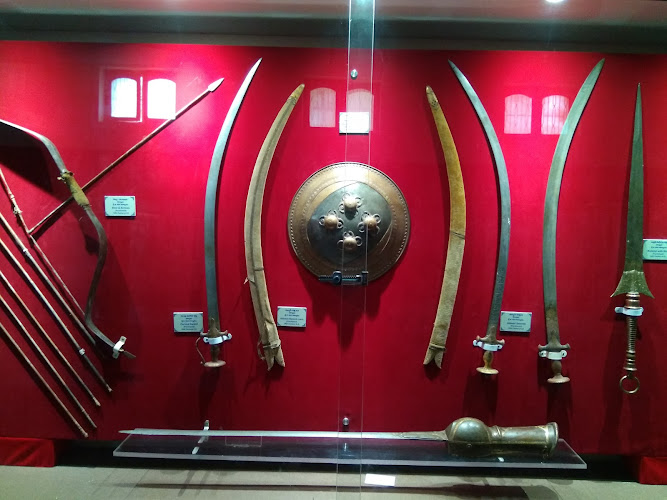

Key Highlights

  • Key Features
  • Best Time to Visit
  • How to Get There
  • Tips for Visiting

Location

Places to Stay Near Archaeological Museum Kurnool

Find and Book a Tour

Explore More Travel Guides

No reviews found! Be the first to review!

Traveler Reviews for Archaeological Museum Kurnool

There are no reviews yet. Be the first one to write one.

Share Your Experience

Have you visited Archaeological Museum Kurnool? Help other travelers by sharing your review.

Find Accommodations Nearby

Recommended Tours & Activities

Visitor Reviews

There are no reviews yet. Be the first one to write one.

Share Your Experience

Have you visited Archaeological Museum Kurnool? Help other travelers by leaving a review.