About Tomb of Abdul Wahab Khan

Description

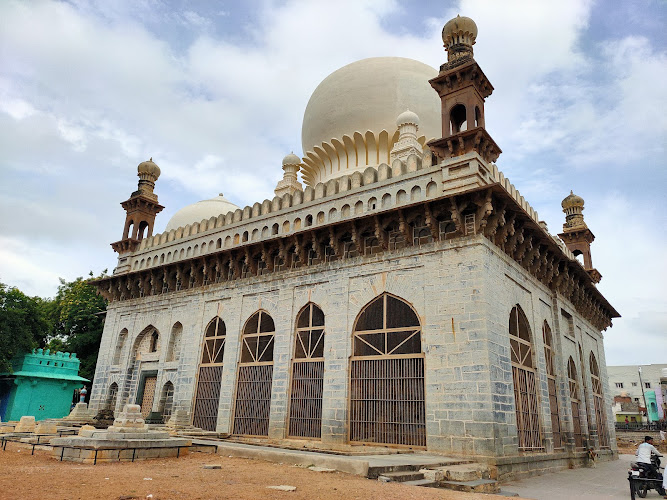
The Tomb of Abdul Wahab Khan stands as a remarkable testament to architectural brilliance from a bygone era, though honestly, it doesn't get nearly the attention it deserves compared to some of the more famous monuments in the region. This historical landmark represents a fascinating blend of cultural heritage and artistic craftsmanship that speaks volumes about the period when it was constructed. What strikes visitors most when they first approach this monument is the sheer attention to detail in its construction. The tomb serves as the final resting place of Abdul Wahab Khan, a significant figure whose legacy continues to be honored through this beautifully preserved structure. The monument showcases the kind of architectural sophistication that makes you stop and wonder about the skilled artisans who brought this vision to life centuries ago. I've always found that lesser-known historical sites like this one offer something special that the crowded tourist hotspots simply can't match - a sense of genuine discovery and connection with the past. And the Tomb of Abdul Wahab Khan delivers on that front. The structure reflects the architectural sensibilities of its time, incorporating design elements that were both functional and aesthetically pleasing. The craftsmanship evident in every corner suggests that this wasn't just another burial site but a carefully planned monument meant to stand the test of time. The surrounding grounds add another layer to the experience, providing visitors with space to contemplate and appreciate the historical significance of what they're seeing. It's one of those places where you can actually hear yourself think, unlike some of the more commercialized attractions where you're constantly jostling with crowds. For families traveling with children, this site offers an excellent opportunity for educational exploration without overwhelming young minds with excessive information or requiring marathon walking sessions. The layout is manageable, and there's enough visual interest to keep kids engaged while parents soak in the historical atmosphere.

Key Features

The Tomb of Abdul Wahab Khan presents several distinctive characteristics that make it worth adding to your travel itinerary: • Architectural design that exemplifies the construction techniques and aesthetic preferences of its historical period, with intricate patterns and structural elements that have survived remarkably well through the centuries • A peaceful atmosphere that allows for genuine reflection and appreciation, making it ideal for photography enthusiasts who want to capture historical monuments without dealing with massive crowds in every shot • Historical significance tied to Abdul Wahab Khan's legacy, offering insight into the social and political landscape of the era when this monument was commissioned • Well-preserved structural integrity that demonstrates the quality of materials and construction methods used by ancient builders, something that becomes increasingly rare as modern development encroaches on historical sites • Family-friendly environment suitable for visitors of all ages, particularly beneficial for parents looking to introduce children to historical exploration in a manageable, non-overwhelming setting • Accessibility that doesn't require extensive hiking or physical exertion, making it suitable for elderly visitors and those with mobility considerations • Relatively uncrowded conditions compared to major tourist attractions, providing an authentic experience without the commercialization that sometimes detracts from historical appreciation • Photographic opportunities from multiple angles and perspectives, particularly appealing during golden hour when natural lighting enhances the monument's architectural features • Cultural insights that extend beyond just the physical structure, touching on burial customs, memorial practices, and social hierarchies of the period

Best Time to Visit

Timing your visit to the Tomb of Abdul Wahab Khan can really make or break your experience, and I've learned this lesson the hard way at too many historical sites where I showed up at exactly the wrong moment. The cooler months between October and March offer the most comfortable conditions for exploration. During this period, temperatures are far more manageable, allowing you to spend adequate time examining the architectural details without feeling like you're melting. Early morning visits, particularly between 7 AM and 10 AM, provide the best lighting for photography and the coolest temperatures of the day. There's something magical about seeing historical monuments in that soft morning light anyway. But here's something most guidebooks won't tell you - weekday mornings tend to be significantly quieter than weekends. If you're the type of traveler who values solitude and contemplation at historical sites, aim for Tuesday through Thursday mornings. You'll practically have the place to yourself, which allows for a more intimate connection with the history surrounding you. The monsoon season presents mixed conditions. While rain can create dramatic photographic opportunities and cool down the temperatures, it may also limit your ability to explore outdoor areas comfortably. However, if you don't mind carrying an umbrella and watching where you step, post-rain visits can be stunning when the surroundings look fresh and the crowds stay away. Avoiding midday visits during summer months is basically non-negotiable unless you enjoy heat exhaustion. The structure offers limited shade, and standing in direct sunlight while trying to appreciate historical architecture just isn't pleasant when temperatures soar. Late afternoon visits around 4 PM onwards can work during summer, but you'll be racing against sunset depending on the season. Festival periods and local holidays present another consideration. While these times can offer cultural insights and celebratory atmospheres, they also bring larger crowds. If you're flexible with your schedule, checking local calendars before planning your visit helps avoid unexpected rush periods.

How to Get There

Reaching the Tomb of Abdul Wahab Khan requires some planning, but it's definitely manageable even for travelers who aren't particularly adventurous with navigation. Most visitors find that hiring a local taxi or using ride-sharing services provides the most straightforward approach. Drivers in the area are generally familiar with the location, though having the monument's name written in the local language can help avoid confusion. I always screenshot maps and save offline versions before visiting historical sites in less touristy areas - trust me, your data connection will fail at exactly the moment you need directions most. Public transportation options exist but require more effort and local knowledge. Buses serve the general area, though you might need to walk a bit from the nearest stop. Asking locals for directions once you're in the vicinity usually works well, as most people are happy to help tourists find historical landmarks. That said, language barriers can make this challenging, so having translation apps ready helps. For travelers with rental vehicles, parking facilities are available near the site. The roads leading to the tomb vary in condition, so driving carefully and watching for local traffic patterns is important. GPS navigation generally works reliably for this location, though as with any historical site in developing areas, the final approach might require some visual navigation rather than strict reliance on technology. Organized tours sometimes include the Tomb of Abdul Wahab Khan as part of broader historical circuits. This option works particularly well for travelers who prefer structured itineraries and don't want to worry about transportation logistics. However, group tours may limit your time at the site and don't allow for the flexible exploration that independent travel provides. Walking to the tomb is feasible if you're staying nearby, and actually offers a nice way to observe local life and architecture along the way. Just factor in weather conditions and carry water, especially during warmer months.

Tips for Visiting

Making the most of your visit to the Tomb of Abdul Wahab Khan involves more than just showing up and looking around. Here are some practical suggestions gathered from experience and observation. Dress modestly and respectfully, as this is a historical burial site with cultural significance. Comfortable walking shoes are essential even though the site doesn't require extensive hiking. The surfaces around historical monuments can be uneven, and trying to navigate them in flip-flops or dress shoes is asking for trouble. Bring water and sun protection regardless of the season. Even during cooler months, you can spend more time exploring than anticipated, and staying hydrated makes the experience far more enjoyable. A hat and sunscreen go a long way toward preventing sunburn that'll make the rest of your trip miserable. Photography is generally permitted, but being respectful about how and what you photograph shows consideration for the cultural significance of the site. Early morning and late afternoon provide the best natural lighting, and the golden hour particularly enhances the architectural features. If you're serious about photography, bringing a tripod allows for better shots in lower light conditions. Hiring a local guide, even informally, can tremendously enhance your understanding of the site's history and significance. Many guides offer their services near historical monuments, and their insights often include stories and details that you won't find in guidebooks or online resources. Just agree on pricing beforehand to avoid awkward negotiations afterward. Carrying some cash is advisable for small purchases, guide fees, or donations if there's a maintenance fund. Not all facilities at historical sites accept cards, and ATMs might be far from the monument itself. Taking your time rather than rushing through makes a huge difference. Too many travelers check historical sites off their lists without really experiencing them. Sit for a while, observe the details, imagine the historical context. These moments of quiet contemplation often become the most memorable parts of visiting historical landmarks. For families with children, bringing along some snacks and perhaps a simple guidebook or tablet with information about the monument helps keep kids engaged. Making it educational without being boring requires some creativity, but historical sites like this provide excellent teaching opportunities about architecture, history, and cultural respect. Respecting the site by not littering, touching fragile surfaces, or behaving disruptively should go without saying, but unfortunately needs mentioning. These historical monuments survive because visitors treat them with care. Leave only footprints, take only photographs, as the saying goes. Check opening hours before visiting, especially during holidays or special observances when schedules might change. Nothing's more frustrating than traveling to a historical site only to find it unexpectedly closed. Finally, managing your expectations helps ensure satisfaction. The Tomb of Abdul Wahab Khan offers genuine historical and architectural interest, but it's not an entertainment complex or theme park. Approaching it with curiosity and respect rather than expecting spectacular thrills will lead to a far more rewarding experience.

Key Features

  • Key Features
  • Best Time to Visit
  • How to Get There
  • Tips for Visiting

More Details

Updated January 17, 2026

Description

The Tomb of Abdul Wahab Khan stands as a remarkable testament to architectural brilliance from a bygone era, though honestly, it doesn’t get nearly the attention it deserves compared to some of the more famous monuments in the region. This historical landmark represents a fascinating blend of cultural heritage and artistic craftsmanship that speaks volumes about the period when it was constructed.

What strikes visitors most when they first approach this monument is the sheer attention to detail in its construction. The tomb serves as the final resting place of Abdul Wahab Khan, a significant figure whose legacy continues to be honored through this beautifully preserved structure. The monument showcases the kind of architectural sophistication that makes you stop and wonder about the skilled artisans who brought this vision to life centuries ago.

I’ve always found that lesser-known historical sites like this one offer something special that the crowded tourist hotspots simply can’t match – a sense of genuine discovery and connection with the past. And the Tomb of Abdul Wahab Khan delivers on that front. The structure reflects the architectural sensibilities of its time, incorporating design elements that were both functional and aesthetically pleasing. The craftsmanship evident in every corner suggests that this wasn’t just another burial site but a carefully planned monument meant to stand the test of time.

The surrounding grounds add another layer to the experience, providing visitors with space to contemplate and appreciate the historical significance of what they’re seeing. It’s one of those places where you can actually hear yourself think, unlike some of the more commercialized attractions where you’re constantly jostling with crowds.

For families traveling with children, this site offers an excellent opportunity for educational exploration without overwhelming young minds with excessive information or requiring marathon walking sessions. The layout is manageable, and there’s enough visual interest to keep kids engaged while parents soak in the historical atmosphere.

Key Features

The Tomb of Abdul Wahab Khan presents several distinctive characteristics that make it worth adding to your travel itinerary:

• Architectural design that exemplifies the construction techniques and aesthetic preferences of its historical period, with intricate patterns and structural elements that have survived remarkably well through the centuries

• A peaceful atmosphere that allows for genuine reflection and appreciation, making it ideal for photography enthusiasts who want to capture historical monuments without dealing with massive crowds in every shot

• Historical significance tied to Abdul Wahab Khan’s legacy, offering insight into the social and political landscape of the era when this monument was commissioned

• Well-preserved structural integrity that demonstrates the quality of materials and construction methods used by ancient builders, something that becomes increasingly rare as modern development encroaches on historical sites

• Family-friendly environment suitable for visitors of all ages, particularly beneficial for parents looking to introduce children to historical exploration in a manageable, non-overwhelming setting

• Accessibility that doesn’t require extensive hiking or physical exertion, making it suitable for elderly visitors and those with mobility considerations

• Relatively uncrowded conditions compared to major tourist attractions, providing an authentic experience without the commercialization that sometimes detracts from historical appreciation

• Photographic opportunities from multiple angles and perspectives, particularly appealing during golden hour when natural lighting enhances the monument’s architectural features

• Cultural insights that extend beyond just the physical structure, touching on burial customs, memorial practices, and social hierarchies of the period

Best Time to Visit

Timing your visit to the Tomb of Abdul Wahab Khan can really make or break your experience, and I’ve learned this lesson the hard way at too many historical sites where I showed up at exactly the wrong moment.

The cooler months between October and March offer the most comfortable conditions for exploration. During this period, temperatures are far more manageable, allowing you to spend adequate time examining the architectural details without feeling like you’re melting. Early morning visits, particularly between 7 AM and 10 AM, provide the best lighting for photography and the coolest temperatures of the day. There’s something magical about seeing historical monuments in that soft morning light anyway.

But here’s something most guidebooks won’t tell you – weekday mornings tend to be significantly quieter than weekends. If you’re the type of traveler who values solitude and contemplation at historical sites, aim for Tuesday through Thursday mornings. You’ll practically have the place to yourself, which allows for a more intimate connection with the history surrounding you.

The monsoon season presents mixed conditions. While rain can create dramatic photographic opportunities and cool down the temperatures, it may also limit your ability to explore outdoor areas comfortably. However, if you don’t mind carrying an umbrella and watching where you step, post-rain visits can be stunning when the surroundings look fresh and the crowds stay away.

Avoiding midday visits during summer months is basically non-negotiable unless you enjoy heat exhaustion. The structure offers limited shade, and standing in direct sunlight while trying to appreciate historical architecture just isn’t pleasant when temperatures soar. Late afternoon visits around 4 PM onwards can work during summer, but you’ll be racing against sunset depending on the season.

Festival periods and local holidays present another consideration. While these times can offer cultural insights and celebratory atmospheres, they also bring larger crowds. If you’re flexible with your schedule, checking local calendars before planning your visit helps avoid unexpected rush periods.

How to Get There

Reaching the Tomb of Abdul Wahab Khan requires some planning, but it’s definitely manageable even for travelers who aren’t particularly adventurous with navigation.

Most visitors find that hiring a local taxi or using ride-sharing services provides the most straightforward approach. Drivers in the area are generally familiar with the location, though having the monument’s name written in the local language can help avoid confusion. I always screenshot maps and save offline versions before visiting historical sites in less touristy areas – trust me, your data connection will fail at exactly the moment you need directions most.

Public transportation options exist but require more effort and local knowledge. Buses serve the general area, though you might need to walk a bit from the nearest stop. Asking locals for directions once you’re in the vicinity usually works well, as most people are happy to help tourists find historical landmarks. That said, language barriers can make this challenging, so having translation apps ready helps.

For travelers with rental vehicles, parking facilities are available near the site. The roads leading to the tomb vary in condition, so driving carefully and watching for local traffic patterns is important. GPS navigation generally works reliably for this location, though as with any historical site in developing areas, the final approach might require some visual navigation rather than strict reliance on technology.

Organized tours sometimes include the Tomb of Abdul Wahab Khan as part of broader historical circuits. This option works particularly well for travelers who prefer structured itineraries and don’t want to worry about transportation logistics. However, group tours may limit your time at the site and don’t allow for the flexible exploration that independent travel provides.

Walking to the tomb is feasible if you’re staying nearby, and actually offers a nice way to observe local life and architecture along the way. Just factor in weather conditions and carry water, especially during warmer months.

Tips for Visiting

Making the most of your visit to the Tomb of Abdul Wahab Khan involves more than just showing up and looking around. Here are some practical suggestions gathered from experience and observation.

Dress modestly and respectfully, as this is a historical burial site with cultural significance. Comfortable walking shoes are essential even though the site doesn’t require extensive hiking. The surfaces around historical monuments can be uneven, and trying to navigate them in flip-flops or dress shoes is asking for trouble.

Bring water and sun protection regardless of the season. Even during cooler months, you can spend more time exploring than anticipated, and staying hydrated makes the experience far more enjoyable. A hat and sunscreen go a long way toward preventing sunburn that’ll make the rest of your trip miserable.

Photography is generally permitted, but being respectful about how and what you photograph shows consideration for the cultural significance of the site. Early morning and late afternoon provide the best natural lighting, and the golden hour particularly enhances the architectural features. If you’re serious about photography, bringing a tripod allows for better shots in lower light conditions.

Hiring a local guide, even informally, can tremendously enhance your understanding of the site’s history and significance. Many guides offer their services near historical monuments, and their insights often include stories and details that you won’t find in guidebooks or online resources. Just agree on pricing beforehand to avoid awkward negotiations afterward.

Carrying some cash is advisable for small purchases, guide fees, or donations if there’s a maintenance fund. Not all facilities at historical sites accept cards, and ATMs might be far from the monument itself.

Taking your time rather than rushing through makes a huge difference. Too many travelers check historical sites off their lists without really experiencing them. Sit for a while, observe the details, imagine the historical context. These moments of quiet contemplation often become the most memorable parts of visiting historical landmarks.

For families with children, bringing along some snacks and perhaps a simple guidebook or tablet with information about the monument helps keep kids engaged. Making it educational without being boring requires some creativity, but historical sites like this provide excellent teaching opportunities about architecture, history, and cultural respect.

Respecting the site by not littering, touching fragile surfaces, or behaving disruptively should go without saying, but unfortunately needs mentioning. These historical monuments survive because visitors treat them with care. Leave only footprints, take only photographs, as the saying goes.

Check opening hours before visiting, especially during holidays or special observances when schedules might change. Nothing’s more frustrating than traveling to a historical site only to find it unexpectedly closed.

Finally, managing your expectations helps ensure satisfaction. The Tomb of Abdul Wahab Khan offers genuine historical and architectural interest, but it’s not an entertainment complex or theme park. Approaching it with curiosity and respect rather than expecting spectacular thrills will lead to a far more rewarding experience.

Key Highlights

  • Key Features
  • Best Time to Visit
  • How to Get There
  • Tips for Visiting

Location

Places to Stay Near Tomb of Abdul Wahab Khan

Find and Book a Tour

Explore More Travel Guides

No reviews found! Be the first to review!

Traveler Reviews for Tomb of Abdul Wahab Khan

There are no reviews yet. Be the first one to write one.

Share Your Experience

Have you visited Tomb of Abdul Wahab Khan? Help other travelers by sharing your review.

Find Accommodations Nearby

Recommended Tours & Activities

Visitor Reviews

There are no reviews yet. Be the first one to write one.

Share Your Experience

Have you visited Tomb of Abdul Wahab Khan? Help other travelers by leaving a review.