Description
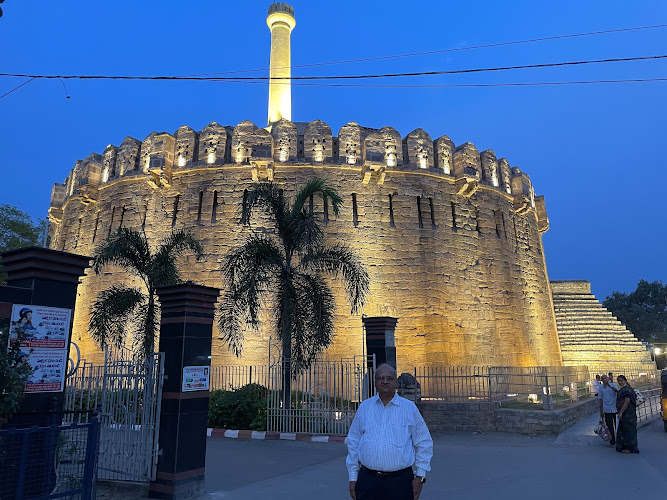
Konda Reddy Fort stands as a remarkable testament to India’s rich historical tapestry, perched prominently in the landscape where it has witnessed centuries of stories unfold. This fortress carries the name of a local chieftain who once used it as his stronghold, and honestly, when you first catch sight of it rising against the skyline, you can’t help but feel a sense of awe at what generations before us managed to construct with limited resources but unlimited determination.
The fort itself represents one of those places that manages to blend history with accessibility in a way that’s becoming increasingly rare. Walking through its ancient corridors and stone pathways, visitors find themselves transported back to an era when fortifications meant the difference between freedom and conquest. The architecture speaks volumes about the strategic military thinking of its time, with vantage points carefully positioned to survey the surrounding terrain.
What really sets this historical landmark apart though is the journey to its summit. And let me tell you, that climb is something you’ll remember. The path winds upward through weathered steps and passages that have felt the footsteps of warriors, rulers, and now modern-day explorers like yourself. Once you reach the top, the panoramic views sprawling before you make every bit of effort worthwhile. The cityscape unfolds in all directions, offering photography opportunities that’ll make your social media followers actually stop scrolling for once.
The fort has seen its share of historical events and transitions through different ruling powers over the centuries. Each era left its mark on the structure, creating layers of architectural styles and modifications that tell their own silent stories. Some sections show the original construction methods while others reveal later additions and repairs, making it something of an open-air museum of architectural evolution.
Key Features
The fortress offers several distinctive characteristics that travelers should know about before planning their visit:
• The elevated position provides 360-degree views of the surrounding region, making it an exceptional spot for landscape photography and sunset watching
• Ancient stone construction that has weathered centuries remains largely intact, allowing visitors to experience authentic historical architecture rather than heavy-handed modern restoration
• Multiple levels and chambers within the fort structure give explorers plenty to discover, with various rooms and passages that once served military and residential purposes
• Free parking facilities both in designated lots and along nearby streets make arrival convenient for those traveling by personal vehicle or rental car
• The site maintains onsite services to assist visitors, though amenities are kept relatively minimal to preserve the historical atmosphere
• Family-friendly environment suitable for children, though parents should keep an eye on younger ones due to the fort’s elevation and open areas
• Stone inscriptions and architectural details throughout the structure provide glimpses into the artistic sensibilities and cultural values of different historical periods
• Natural surroundings that complement the man-made structure, creating a setting where history and nature coexist in an almost poetic balance
• The climb itself serves as a moderate physical activity, making the visit feel like an adventure rather than just passive sightseeing
• Less commercialized compared to many major tourist attractions, offering a more authentic and contemplative experience
Best Time to Visit
Timing your visit to Konda Reddy Fort can make a significant difference in your overall experience. The climate and seasonal patterns in this region follow typical patterns where certain months offer far more comfortable conditions than others.
The ideal window for exploring this historical site falls between October and March. During these cooler months, temperatures remain pleasant enough for the physical exertion required to climb to the fort’s higher levels. I’ve heard from travelers who attempted visits during peak summer months, and they universally wish they’d planned differently. The exposed stone surfaces and lack of shade along many pathways can make midday summer visits genuinely challenging.
Early morning hours present perhaps the single best opportunity for your visit. The temperatures stay manageable, the lighting creates dramatic shadows across the ancient stonework, and you’ll often have sections of the fort nearly to yourself. There’s something almost meditative about watching sunrise from a centuries-old fortress, seeing the same view that sentries once observed while keeping watch.
Late afternoon visits also have their appeal, particularly if you time your arrival to reach the summit area around golden hour. The way the setting sun illuminates the landscape below transforms the entire experience. But you’ll need to plan carefully here because once the sun sets, navigating the fort’s pathways becomes difficult and potentially hazardous.
Weekday visits typically see fewer crowds compared to weekends when local families and school groups often make excursions to the site. If you value a quieter, more reflective experience, scheduling your trip for a Tuesday or Wednesday can pay dividends. Weekend visits aren’t necessarily bad though, as there’s something to be said for experiencing the fort as a living attraction that continues to draw people just as it did throughout history.
Monsoon season brings its own considerations. While the rains cool things down and paint the surrounding landscape in lush greens, the stone pathways can become slippery and certain sections might be closed for safety reasons. Some adventurous souls prefer this dramatic atmosphere, but it’s definitely not for everyone.
How to Get There
Reaching Konda Reddy Fort requires a bit of planning, but the journey forms part of the overall experience rather than just being a means to an end.
For those flying into the region, the nearest airport connects to major Indian cities with regular service. From there, you’re looking at ground transportation to complete your journey. The road network in the area has improved considerably in recent years, making the drive relatively straightforward for those comfortable with Indian traffic patterns.
Local transportation options include hiring a taxi or auto-rickshaw, both of which can be arranged through your accommodation. Many travelers find that negotiating a round-trip fare works better than one-way arrangements, especially since finding return transportation from the fort itself can sometimes involve waiting periods. Having your driver wait or arranging a specific pickup time eliminates that uncertainty.
If you’re the adventurous type who enjoys navigating public transportation, buses do service the general area, though you’ll need to walk a bit from the nearest bus stop to reach the fort entrance. This option takes more time and requires some flexibility in your schedule, but it certainly offers an authentic local experience.
Driving yourself is absolutely feasible if you’re comfortable with that. The free parking situation I mentioned earlier removes the stress of figuring out where to leave your vehicle. Just be aware that the final approach involves some narrow streets where you’ll need to watch for pedestrians and two-wheelers.
The actual distance and travel time obviously depend on your starting point within the city or region. Most visitors find the journey takes anywhere from 20 minutes to an hour depending on traffic conditions and their point of origin.
Tips for Visiting
A successful visit to Konda Reddy Fort involves more than just showing up. These practical suggestions come from both common sense and lessons learned by previous visitors.
Wear appropriate footwear. This isn’t the place for flip-flops or fashion-forward sandals. The stone steps can be uneven, sometimes worn smooth by centuries of use, and occasionally steep. Proper walking shoes or hiking shoes make the climb safer and more comfortable. I can’t stress this enough because I’ve personally watched tourists struggle in completely inappropriate footwear.
Bring adequate water. The climb generates heat even during cooler months, and dehydration sneaks up on you faster than you’d expect. While there may be vendors near the entrance, don’t count on finding refreshments once you start ascending. Pack more water than you think you’ll need.
Sun protection matters here. The fort’s exposed position means you’re getting direct sunlight during much of your visit. Sunscreen, a hat, and possibly sunglasses should all make your packing list. The Indian sun is no joke, and a sunburn can ruin not just the rest of your day but several days following.
Consider hiring a local guide if you want deeper historical context. While you can certainly explore independently, knowledgeable guides bring the fort’s history alive in ways that silent stones cannot. They point out details you’d otherwise miss and share stories that transform the experience from sight-seeing to genuine understanding.
Plan for about two to three hours for a thorough visit. Rushing through defeats the purpose, but you also don’t need an entire day here unless you’re an extremely dedicated history buff or photographer working on a specific project.
Check your camera or phone battery before starting your climb. The photo opportunities are too good to miss because your device died halfway through. Many visitors also find that a portable charger isn’t a bad idea.
Respect the site’s historical significance. This means not carving names into ancient stones, not littering, and generally treating the fort as the cultural treasure it represents. Future generations deserve to experience this place just as you are.
Visit the restroom facilities before beginning your ascent. Options become limited once you start climbing, and backtracking isn’t fun when you’ve already gained elevation.
If you’re visiting with children, keep them close and supervised, especially near edges and in elevated sections. While the fort is family-friendly, it wasn’t designed with modern safety railings in mind.
Dress modestly and comfortably. This shows respect for local cultural norms while ensuring you can move freely during your exploration. Lightweight, breathable fabrics work best in most weather conditions.
Consider combining your fort visit with other nearby attractions to make the most of your travel day. The surrounding area offers additional points of interest that complement the historical experience.